


Is Taichung, Taiwan Safe? A 2026 Travel Safety Guide
Pacific typhoons, the Sun Moon Lake day-trip, scooter-density crossings, central-Taiwan air quality, and why Taichung is one of Asia's gentlest mid-sized cities.

Taichung — population ~2.8 million, Taiwan's second-biggest city in the central west coast — is one of Asia's gentlest mid-sized cities. It's a gateway to Sun Moon Lake (the country's largest lake), Cingjing high-mountain farms, and the Lukang heritage town. Crime against tourists is essentially nonexistent (Taiwan is among Asia's lowest-crime societies); the central Taichung Park / Calligraphy Greenway area is walkable; English support at hotels and major attractions is decent.
The honest concerns are mostly environmental. Pacific typhoons strike Taiwan regularly (the island averages 3-4 named typhoons making meaningful landfall per year); Taichung is on the lee side (Central Mountain Range partially shelters from eastern strikes) but western-passing typhoons hit hard. Central Taiwan winter air quality is among the island's worst — PM2.5 100-200 normal Nov-Feb, driven by Yunlin/Changhua coal plants and surrounding industrial belt. The Sun Moon Lake day-trip from Taichung (90 min by bus) involves narrow mountain roads and busy boat-tour operators. Taiwan's general scooter-density traffic patterns apply (14 million scooters in a country of 23 million); pedestrians cross with care.
The US State Department lists Taiwan at Level 1 ("exercise normal precautions"); UK FCDO has no advisories against travel. Both note the standard typhoon and earthquake context, plus the cross-strait political situation (with zero day-to-day impact on visitors).
| Night safety | 82/100 |
|---|---|
| Scam / petty-crime risk | Low |
| Violent crime (tourists) | Low |
| Most common scams | motorbike rental scams targeting tourists; Sun Moon Lake boat tour cancellations in typhoon-related rough water; scooters parking on and riding across sidewalks |
| Safer neighbourhoods | Xitun, Central Taichung, Fengjia |
| Data sources cited | 4 |
| Last verified |
What the score means — 88/100
- Personal safety (94) — exceptional; Taiwan-quiet.
- Transport (86) — Taichung International Airport (RMQ); HSR to Taipei 50 min; Taichung Metro (1 line opened 2021); local bus network.
- Healthcare (90) — China Medical University Hospital and Taichung Veterans General are top-tier; English support decent.
- Air quality (70) — moderate-poor; central Taiwan's chronic winter PM2.5 issue; coastal-breeze days clearer.
Typhoons and the central-Taiwan strike pattern
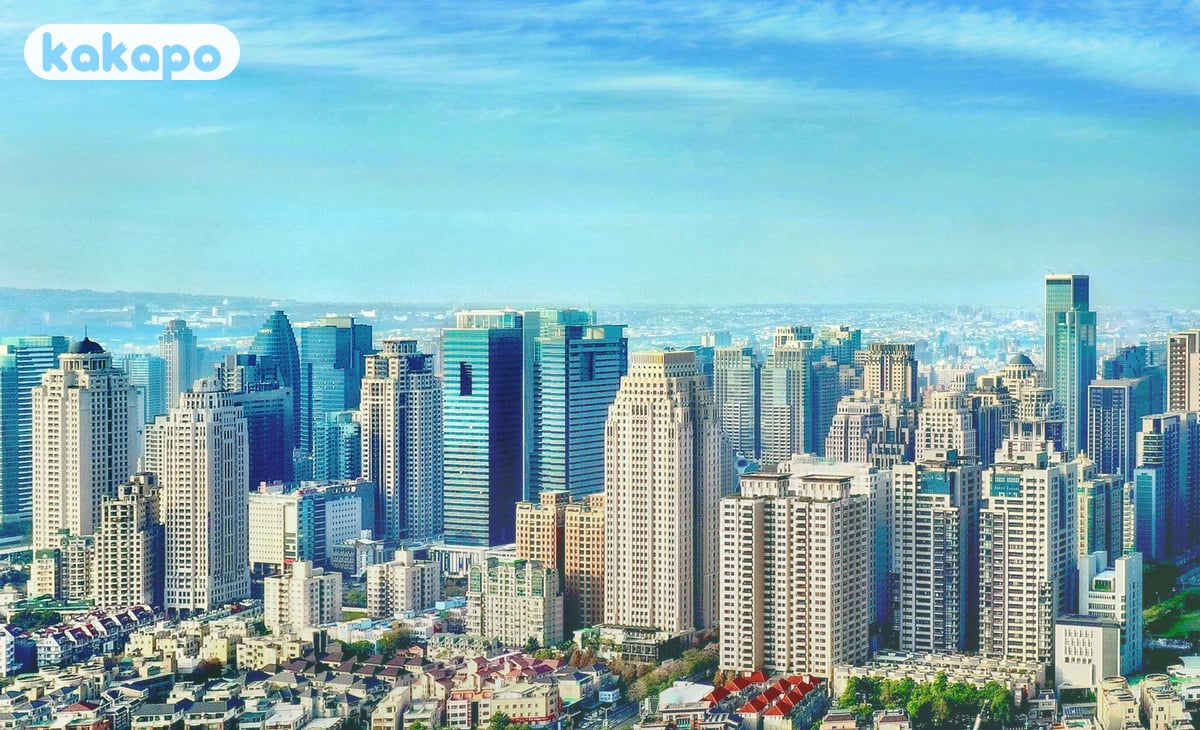
- Season: July-October peak; June-November range. Taiwan averages 3-4 named typhoons making meaningful landfall per year.
- Recent severe events: Typhoon Khanun 2023, Typhoon Doksuri 2023, Typhoon Krathon 2024 (devastated southwest Taiwan); Typhoon Gaemi 2024 (Cat 3-4 brushed Taichung). Multiple lower-category strikes most years.
- Taichung's position: lee side of Central Mountain Range; eastern-coast (Hualien, Taitung) typically takes harder direct hits; Taichung gets passing-storm rain bands and occasional direct strikes from west-tracking typhoons.
- What closes: RMQ airport suspends in cyclone winds; Taichung HSR reduces speed/cancels; Sun Moon Lake boat tours cancel; mountain roads close for landslide risk.
- Storm-surge zones: low-lying coastal Taichung (Wuqi District) flood in major events.
- If a Land Warning is declared: stay at hotel; CWA pushes warnings to phones; stock 24-48h supplies.
- Best windows: late October-December (post-typhoon, dry); March-April (warming, before peak typhoon).
- Insurance: cancellation cover essential July-October.
Sun Moon Lake — day-trip logistics
- Sun Moon Lake: Taiwan's largest lake; Thao tribal homeland; ~70 km southeast of Taichung in Nantou County. Two-shaped lake (sun + moon) named for indigenous spiritual significance.
- Getting there: Nantou Bus from Taichung HSR Station to Sun Moon Lake (Shuishe terminal) ~90 min, NT$190; or shared minivan tour from hotels NT$1,200-1,800 with multiple stops.
- Must-do: ferry crossing Shuishe-Ita Thao-Xuanguang (3-port shuttle, NT$300 day pass); Ita Thao village (Thao indigenous food); Cien Pagoda hike (steep 30 min uphill); Sun Moon Lake Ropeway (NT$300 return; cable car to Formosan Aboriginal Culture Village).
- Boat-tour safety: licensed Sun Moon Lake Tourism Bureau ferries; lifejackets standard; cancellations in typhoon-related rough water.
- Weather caveats: lake elevation 748m; cooler than Taichung; mist common in mornings; sudden thunderstorms in summer afternoon. Bring layers.
- Don't swim in the lake: not designated for swimming except at the annual September swimming festival; cold water shock at depth; cultural sensitivity for the Thao.
- Cycling: 30 km bike path circles the lake; rentals NT$200/3 hours; e-bikes NT$400.
- Stay overnight: lakeside boutique hotels (Lalu Sun Moon Lake — luxury; Fleur de Chine, Hotel Del Lago) for the calmer dawn-and-dusk views without daytrippers.
Scooters and crossing the road
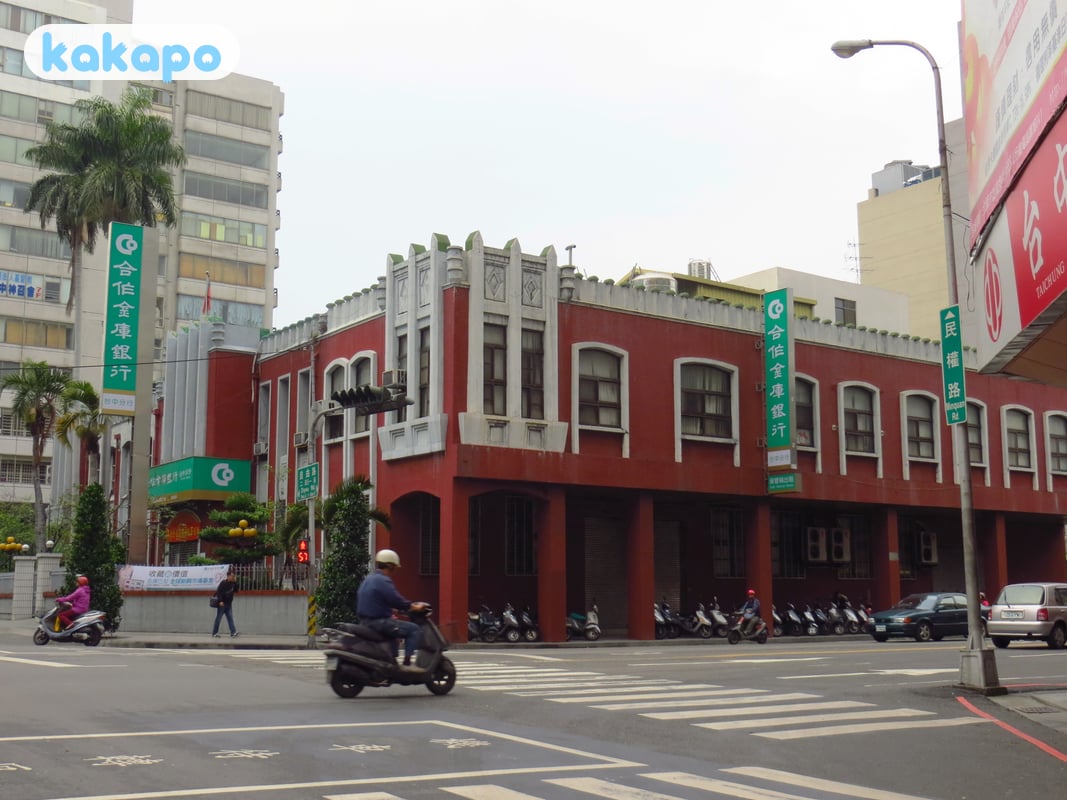
- Scooter density: Taiwan has ~14 million scooters; Taichung intersections at rush hour produce the iconic motorcycle swarm.
- Right turns on red: drivers and scooters routinely turn right while pedestrians have a green walking signal; look both ways even on a green man.
- Sidewalks: scooters park on and ride across sidewalks; don't assume the curb is safe.
- If you rent a scooter: International Driving Permit endorsed for motorcycles is required; police check at tourist hubs (Sun Moon Lake area, Cingjing). Most Taichung rental shops now refuse foreigners without a Taiwan licence — ask hotel for vetted operators.
- Crashes: tourist motorbike incidents on mountain roads (Hwy 21 to Sun Moon Lake, Hwy 14 to Cingjing) happen yearly. Don't ride mountain roads after wine tasting at Sun Moon Lake area wineries.
- Walking safety: Taiwan has campaigned heavily on pedestrian safety; Taichung has improved most central crossings; outer districts and rural roads are still "pedestrian hell" by international press standards.
Central Taiwan air quality — the winter problem
- Numbers: Taichung winter PM2.5 averages 35-50 µg/m³; cold-snap days hit 100-200+. WHO guideline 5 µg/m³ annual.
- Sources: Taichung Power Station (one of Asia's biggest coal plants), surrounding Yunlin/Changhua industrial cluster, occasional cross-strait dust events from mainland China.
- If air-sensitive: bring N95 masks for outdoor activity in winter; some hotels have air purifiers.
- Indoor refuge: Top City, Taroko Mall, Mitsui Outlet Park — large AC malls.
- Best windows for cleaner air: monsoon-season summer (cleaner-air rain) June-August; spring (April-May) post-cold-snap.
- Worst: November-February inversions.
- AQI checking: Taiwan EPA's Air Quality Index app (in Chinese; IQAir English alternative).
Areas — Xitun, Beitun, Central, Fengjia
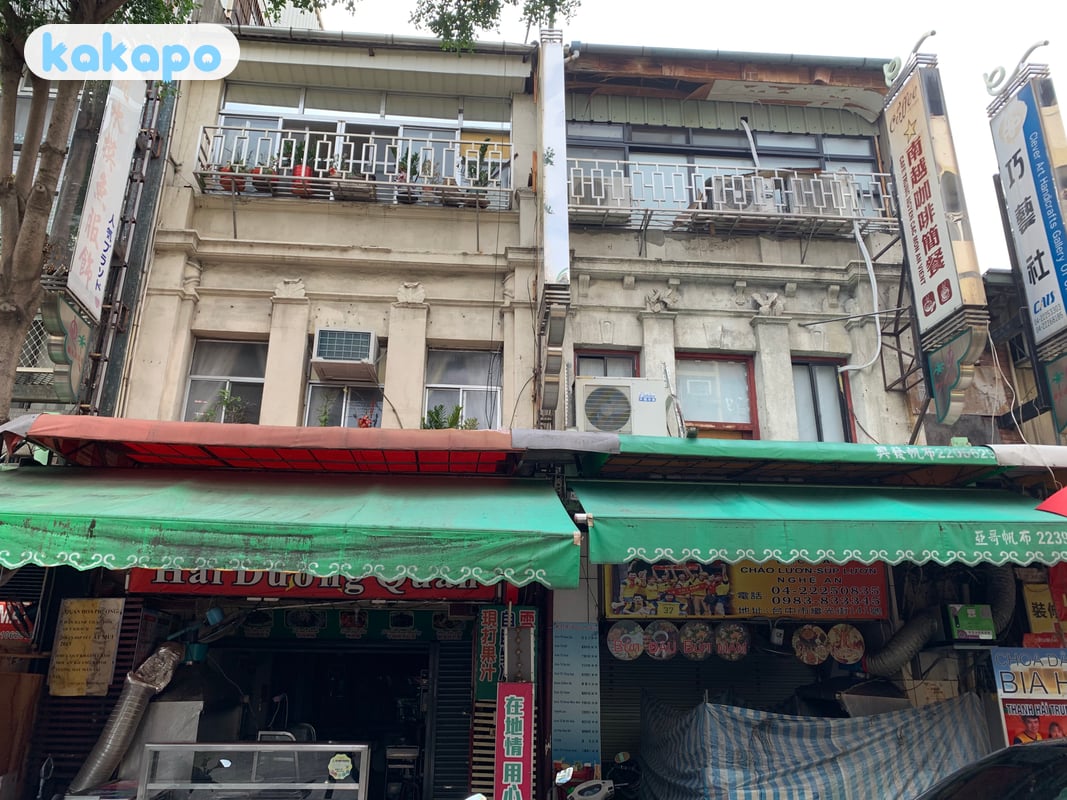
Recommended bases: Xitun district (modern western) — Hotel National, Splendor Hotel, Tempus Hotel; near Calligraphy Greenway, Asia University Museum, restaurants. Central Taichung (around Taichung Park) — older heritage area; mid-range hotels; near First Plaza, Miyahara historic ice-cream shop. Fengjia — university and night-market district; budget hotels; Fengjia Night Market is one of Taiwan's biggest.
There are no genuinely dangerous neighbourhoods in Taichung.
Transport — HSR, Metro, airport
- Taiwan High-Speed Rail (HSR): Taipei-Taichung 50 min, NT$700 second class; Taichung-Kaohsiung 50 min. The most-tourist-useful Taiwan transport.
- Taichung International Airport (RMQ): 12 km west of city; small; mostly domestic and short-haul international (Hong Kong, Tokyo, Bangkok, Seoul).
- Most international visitors arrive via Taipei (TPE) and HSR to Taichung.
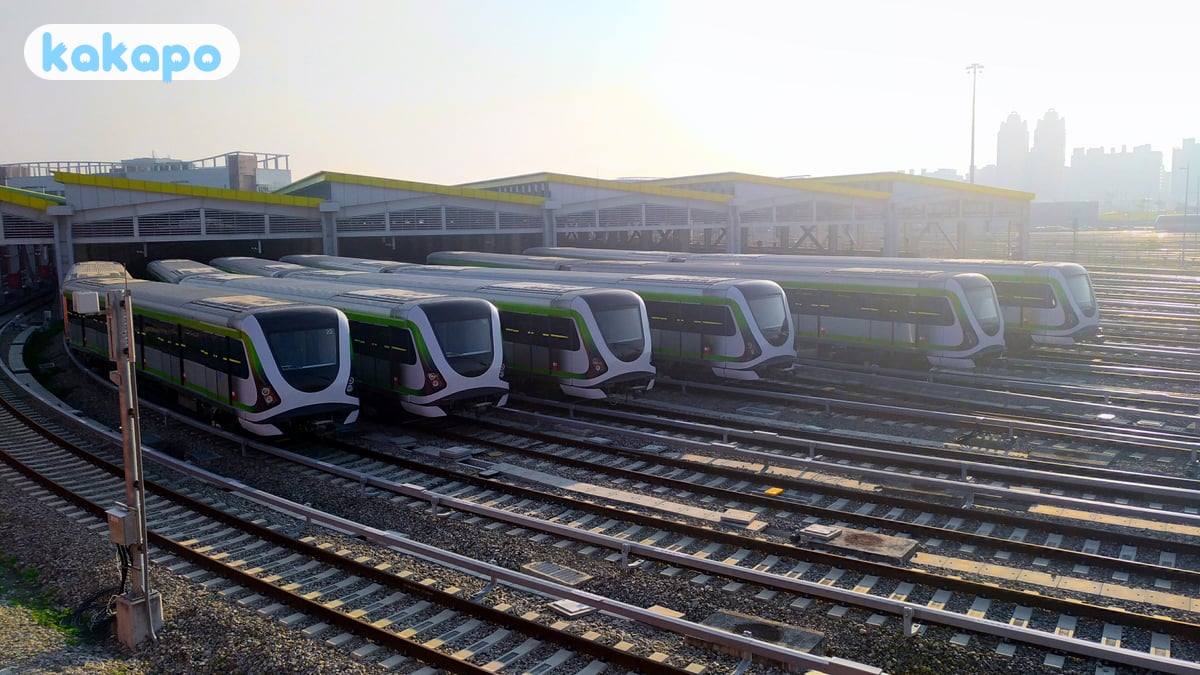
- Taichung Metro (Green Line): opened 2021; 1 line; useful for cross-city; tap EasyCard.
- Local buses: extensive; iPASS/EasyCard works.
- To Sun Moon Lake: as above.
- Driving: drive on the RIGHT (Taiwan, opposite to Japan).
Money, food, emergency numbers
- Currency: New Taiwan dollar (NT$ / TWD). $1 ≈ NT$32.
- Cards: increasingly accepted in cities, but cash still rules at night markets, taxis, and small shops. ATMs at 7-Eleven take foreign cards.
- EasyCard: tap card; works on Metro, buses, HSR (with separate top-up), 7-Eleven; NT$100 deposit. Essential.
- Tipping: not customary.
- Food: Taichung has Taiwan's best night-market culture (Fengjia, Yizhong Street, Zhonghua); local specialties — sun cake (taiyangbing), lubian (braised pork rice), Taichung milk tea, mochi at Miyahara.
- Tap water: officially safe but locals universally boil/filter.
- Emergency: 110 (police), 119 (fire and ambulance), 112 (mobile any-network). Tourist hotline 0800-011-765 (24h, English).
- Hospitals: China Medical University Hospital (+886 4 2205 2121); Taichung Veterans General (+886 4 2359 2525).
- Earthquake context: Taiwan is on Pacific Ring of Fire; Taichung sits in a less-active zone than Hualien but the 2024 Hualien M7.4 was felt across central Taiwan. J-Alert-equivalent CWA alerts to phones.
Frequently asked questions
Is Taichung, Taiwan safe to visit in 2026?
Yes — Taichung scores 88/100 here. The US State Department lists Taiwan at Level 1 ('exercise normal precautions') and UK FCDO has no advisories against travel. Taiwan is among Asia's lowest-crime societies and Taichung — population ~2.8 million, the country's second-biggest city — is one of Asia's gentlest mid-sized cities. Crime against tourists is essentially nonexistent. The honest concerns are environmental and logistical: Pacific typhoons (3-4 named storms make meaningful Taiwan landfall per year, with Krathon 2024 and Gaemi 2024 the recent severe events), brutal central-Taiwan winter air pollution (PM2.5 100-200 normal Nov-Feb driven by Yunlin/Changhua coal plants), the Sun Moon Lake day-trip logistics, and the country's scooter-dominated traffic.
Is Taichung safe at night?
Yes, exceptionally — Taiwan's overall low-crime baseline extends to Taichung's night-market culture (Fengjia is one of Taiwan's biggest), restaurant strips and late-night convenience-store density. Solo women including foreigners are routinely comfortable on the streets at any hour. The realistic late-night considerations are practical: scooter density at intersections (right turns on red routinely happen while pedestrians have a green walking signal — look both ways even on a green man), occasional crashes on mountain roads after wine tasting at Sun Moon Lake area wineries, and the winter air-quality drop on inversion nights that hits asthma sufferers hardest. Taichung Metro Green Line shuts around midnight; Didi and Uber both work.
What scam should I watch for in Taichung?
The big Taiwan-wide one — and one of the few real scams on the island — is the unauthorised scooter rental that quietly skips the International Driving Permit requirement. Most Taichung rental shops now refuse foreigners without a Taiwan licence, but the ones that don't will rent you a bike, no questions asked, then walk away — and if you crash, no insurance covers you (your travel policy voids), police treat it as unlicensed riding (NT$6,000-12,000 fine), and the rental shop's 'damage waiver' isn't enforceable. Ask your hotel for vetted operators. Beyond that, Taiwan is genuinely scam-light: cash-only at most night-market stalls is normal not predatory, and EasyCard pricing on metro/bus/HSR is fixed and visible.
Can you drink the tap water in Taichung?
Officially yes — Taichung tap water meets Taiwan EPA standards — but locals universally boil or filter it, and you should too. The infrastructure is generally fine; the variable is older buildings and lead-pipe legacy in some older districts. Restaurants serve boiled or filtered water by default. Carry a refillable bottle and refill at hotels (most have filtered-water dispensers in the hallway). The bigger water-related health story is the Sun Moon Lake day-trip: don't swim in the lake (it's not designated for swimming except at the annual September swimming festival, the cold-water shock is real at 748m elevation, and there's cultural sensitivity for the Thao indigenous community whose homeland this is).
How do I do the Sun Moon Lake day-trip from Taichung?
Sun Moon Lake (Riyuetan) is Taiwan's largest lake and the most-photographed inland destination in the country, ~70 km southeast of Taichung in Nantou County at 748m elevation. The standard logistics: Nantou Bus from Taichung HSR Station to Sun Moon Lake (Shuishe terminal), ~90 minutes, NT$190 one-way, departures every 30-60 minutes 06:00-18:00 — or shared minivan tour from hotels at NT$1,200-1,800 with multiple stops including the Wenwu Temple, Ita Thao village (Thao indigenous food including spicy fish soup and millet wine), the Xuanguang Temple and the Cien Pagoda hike (steep 30-min uphill, panoramic). The lake itself you cover by ferry — Shuishe to Ita Thao to Xuanguang is the standard three-port shuttle, NT$300 day pass, licensed Sun Moon Lake Tourism Bureau ferries with lifejackets. Build in cycling time on the 30 km bike path that circles the lake (rentals NT$200/3 hours; e-bikes NT$400) or stay overnight at a lakeside boutique hotel (Lalu Sun Moon Lake luxury; Fleur de Chine and Hotel Del Lago more accessible) for the calmer dawn-and-dusk views without the daytrippers. Cable car NT$300 return for the Formosan Aboriginal Culture Village link. Weather caveat: mist common in mornings, sudden thunderstorms in summer afternoon, all ferries and ropeway suspend in typhoon-related rough water — typhoon season July-October needs cancellation insurance.
Sources
Run a business in Taichung?
Show visitors your Taichung business is a safe choice. The free Verified by Kakapo badge puts Taichung's live safety score on your website, links back to your verified page, and updates itself. No cost.
Get the free badge →