


Is Tokyo Safe for Families? 2026 Guide
Tokyo with kids — among the safest big-city family destinations on earth, the stroller-and-subway reality, the kid-attractions shortlist, and the healthcare picture.

Tokyo is consistently ranked among the safest mega-cities in the world for family travel — the Japanese National Police Agency reports violent crime rates per 100,000 that are a fraction of comparable cities, and the practical experience of walking children through Shinjuku at 22:00 or letting a 10-year-old ride the Yamanote line alone genuinely matches the statistics. Kids ride the subway to school by themselves from age six; lost wallets get handed in; the omnipresent kōban (neighbourhood police boxes) make help available on almost every major intersection.
The honest catches for families: the older subway stations (especially the JR Yamanote and the deeper Tokyo Metro lines) are notably stroller-hostile — long staircases, limited lifts, distant elevator entrances. Summer (July-September) is genuinely brutal — 33-37°C with 80% humidity, real heatstroke risk for young children. The language barrier is mild but real outside the major tourist nodes. And the food-allergy situation requires preparation — Japan's allergy labelling is good but English information is patchy.
This guide covers the safety reality, the family-friendly neighbourhoods, the kid-attractions shortlist, the stroller-and-transit practicalities, and the healthcare-and-pharmacy picture.
| Night safety | 92/100 |
|---|---|
| Scam / petty-crime risk | Low |
| Violent crime (tourists) | Low |
| Safer neighbourhoods | Shinjuku, Ueno, Asakusa |
| Data sources cited | 4 |
| Last verified |
The actual safety picture
- Tokyo overall: among the safest mega-cities globally on violent-crime measures. The Tokyo Metropolitan Police reports homicide rates per 100,000 a fraction of London, Paris, or New York.
- What families don't experience: child-targeting street crime, pickpocketing, aggressive begging, late-night menacing groups. Kids riding the Yamanote line solo to school at age six is genuinely normal.
- What you might experience: very occasional groping incidents on packed rush-hour trains (women-only carriages exist on most major lines during morning rush); rare instances of lost children handled by the omnipresent kōban network within minutes.
- The kōban system: small neighbourhood police boxes on almost every major intersection. Officers are unarmed-friendly, English varies but basic phrases work, and they're the go-to for lost children, directions, or any minor incident.
- Earthquake reality: Tokyo sits on a major seismic zone. Small tremors are common; significant earthquakes rare. Hotel rooms display evacuation procedures; the Tokyo Metropolitan Government has the Safety Tips app (free, multilingual) with real-time earthquake alerts.
- Typhoon season: August-October. Storms can disrupt transit and outdoor plans but rarely create personal safety issues in central Tokyo. Indoor backup plans (museums, malls, the aquarium) are easy to find.
Family-friendly neighbourhoods
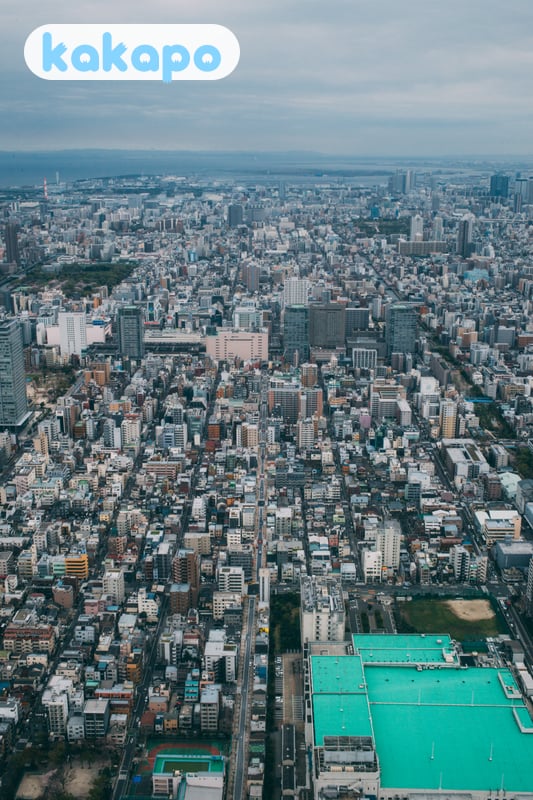
- Shinjuku: the transport mega-hub; good for first-timers because everything is connected. The Park Hyatt area and the west-Shinjuku skyscrapers are calm; the Kabukichō nightlife zone is fine to walk through but louder than necessary for young children.
- Ueno: arguably the best family base. Ueno Park has the zoo, the National Museum, the Science Museum, and wide open spaces; Yamanote line connection; lots of family-friendly hotels.
- Asakusa: traditional Tokyo — Sensō-ji temple, Nakamise shopping street, the Sumida river. Walkable, atmospheric, lots of low-key restaurants kids tolerate. River-bus to Odaiba is a fun half-day.
- Odaiba: the artificial-island family entertainment zone. teamLab Planets, the Miraikan science museum, the giant Ferris wheel, beach. Reachable via the elevated Yurikamome line (a kid-thrilling driverless monorail).
- Roppongi and Akasaka: international-business neighbourhoods with the Mori Building, Tokyo Midtown, and family-friendly hotels. Fine for families; calmer than Shinjuku.
- Shibuya and Harajuku: visit but don't base here — the famous scramble crossing and Takeshita Street crowds are overwhelming for small children. Half-day visits work well.
Kid-attractions shortlist
- Ueno Zoo: Japan's oldest zoo, famously good. Pandas, polar exhibit, easy half-day. Adult ¥600, kids under 12 free in 2026.
- teamLab Planets (Toyosu): immersive digital-art installation, wildly popular with kids age 4+. Book online weeks ahead.
- Tokyo Disneyland and DisneySea (Maihama): both world-class. DisneySea is unique to Tokyo and arguably the best Disney park anywhere.
- Miraikan (National Museum of Emerging Science, Odaiba): hands-on science museum, ASIMO demonstrations (when running), space exhibits.
- Ghibli Museum (Mitaka): famously magical for Ghibli-fan families. Tickets sell out months ahead via the official lottery system.
- Sumida Aquarium (inside Tokyo Skytree): small but well-designed; combinable with the Skytree observation deck.
- Yoyogi Park: huge urban park next to Meiji Shrine; bike rentals, picnic areas, Sunday performers.
- Shinjuku Gyoen: the magnificent botanical garden; calm, stroller-friendly, ¥500 adult / ¥250 child entry.
Transit with strollers — the honest reality
- The fundamental issue: many Tokyo subway and JR stations were built before lift accessibility was standard. The deeper Tokyo Metro lines (Hanzōmon, Ōedo, Fukutoshin) can require 4-6 flights of stairs between street and platform.
- What's improved: every major station now has at least one accessible route, but it's often via a single distant lift entrance. Allow extra time.
- The Tokyo Metro accessibility map: available at every information desk and on the Tokyo Metro app. Shows lift locations and barrier-free routes.
- Pram tactic: a compact umbrella stroller folds easily and can be carried up stairs in a pinch — the giant travel-system pram becomes a problem.
- Taxis: clean, safe, drivers polite. No requirement to install child car seats for one-off rides (per Japanese road traffic law for taxis). Door opens automatically — don't pull. ¥500-1,500 for most central hops in 2026.
- The JR Yamanote loop: the iconic green-line loop train; runs every 2-4 minutes, connects most family destinations (Tokyo Station, Ueno, Shinjuku, Shibuya, Harajuku). Most stations have lifts now.
- Avoid rush hour: 07:30-09:30 and 17:30-19:30. Genuinely crowded; strollers are impractical. Plan around it.
Healthcare, pharmacies, allergies
- The overall picture: Japan has excellent healthcare. Hospitals are clean, well-equipped, and staffed with experienced clinicians; private insurance and travel insurance both work.
- English-speaking hospitals: St Luke's International Hospital (Tsukiji), Tokyo Midtown Clinic (Roppongi), and the Japanese Red Cross Medical Center (Hiroo) all have international departments.
- The Tokyo English Lifeline (TELL): 03-5774-0992, English-language phone support for medical and other emergencies.
- Pharmacies: open 09:00-22:00 typical; many convenience stores stock basic medications (paracetamol, plasters). For prescription items, larger drug stores (Matsumoto Kiyoshi, Sundrug) have English signage in tourist districts.
- Food allergies: Japan's allergy labelling on packaged food is good (the seven major allergens are required to be declared) but English information is patchy. Carry an allergy translation card (free templates online) in Japanese; restaurants take allergies seriously when communicated.
- Summer heat: July-September brings 33-37°C with 80% humidity. Real heatstroke risk for young children. Hydrate constantly, take indoor breaks, schedule outdoor time before 10:00 or after 17:00.
If something happens
- 110 — Japanese police emergency.
- 119 — fire and ambulance.
- Kōban (neighbourhood police box): on almost every major intersection. First port of call for lost children, lost items, or directions.
- Tokyo English Lifeline (TELL): 03-5774-0992.
- UK Embassy Tokyo: +81 3 5211 1100. US Embassy Tokyo: +81 3 3224 5000.
- Safety Tips app: free Tokyo Metropolitan Government app, multilingual earthquake and disaster alerts.
Frequently asked questions
Is Tokyo safe for families with kids in 2026?
Yes — among the safest mega-cities in the world. Violent crime rates are a fraction of London, Paris, or New York; child-targeting street crime is exceptionally rare; the kōban (neighbourhood police box) network puts help on almost every intersection. Kids ride the Yamanote line to school solo from age six. The genuine catches are stroller-unfriendly older subway stations, brutal summer heat (33-37°C with 80% humidity July-September), and a mild language barrier outside tourist nodes.
Where should families stay in Tokyo?
Ueno is arguably the best family base — Ueno Park has the zoo, museums, open space; major Yamanote and Tokyo Metro connections; lots of family-friendly hotels. Asakusa is the traditional-Tokyo alternative with Sensō-ji and the Sumida river. Shinjuku works for first-timers because every transport line connects there (avoid the Kabukichō nightlife edge). Roppongi and Akasaka are calmer international-business areas. Skip Shibuya and Harajuku as a base — the scramble crossing crowds are overwhelming for small children.
Is Tokyo stroller-friendly?
Mixed — modern facilities and family-friendly attractions are excellent, but the older subway stations are notably stroller-hostile with long staircases and limited lifts. Every major station now has at least one accessible route but it's often via a distant lift entrance — allow extra time and use the Tokyo Metro app's accessibility map. A compact umbrella stroller works much better than a giant travel-system pram. Avoid rush hour (07:30-09:30 and 17:30-19:30) when trains are genuinely packed.
What are the must-do family attractions in Tokyo?
Ueno Zoo (kids under 12 free), teamLab Planets in Toyosu (book weeks ahead), Tokyo Disneyland and DisneySea (DisneySea is unique to Tokyo and arguably the best Disney park anywhere), the Miraikan science museum in Odaiba, the Ghibli Museum in Mitaka (lottery tickets months ahead), Sumida Aquarium inside Tokyo Skytree, and the huge open Yoyogi Park next to Meiji Shrine. Most are reachable on the Yamanote line or a short Yurikamome monorail ride.
Is the Tokyo subway safe at night with children?
Yes — Tokyo's transit system is exceptionally safe at any hour. The last trains run around 00:00-00:30 (varies by line); after that, taxis are the option. Stations are well-lit, well-staffed, and continuously surveilled; the risk of any incident involving a child is vanishingly small. The practical concern is that the last train can be earlier than expected — check the time before a late dinner. Women-only carriages exist on most major lines during morning rush hour if useful.
What's the healthcare picture for families in Tokyo?
Excellent. St Luke's International Hospital in Tsukiji, Tokyo Midtown Clinic in Roppongi, and the Japanese Red Cross Medical Center in Hiroo all have international departments with English-speaking staff. The Tokyo English Lifeline (TELL, 03-5774-0992) handles English-language medical and emergency support. Pharmacies open 09:00-22:00 typical; convenience stores stock basic medications. For food allergies, carry a Japanese-language allergy translation card — restaurants take allergies seriously when communicated clearly.
When's the best time to visit Tokyo with kids?
March-May (cherry blossom and mild weather) and October-November (autumn colours, comfortable temperatures) are ideal for families. Avoid July-September if possible — the 33-37°C with 80% humidity is genuinely brutal for young children, with real heatstroke risk. December-February is cold (3-10°C) but dry and clear; manageable with warm layers. Typhoon season is August-October; rarely a personal safety issue in central Tokyo but can disrupt outdoor plans.
Are food allergies manageable in Tokyo?
Yes with preparation. Japan's seven-major-allergens labelling on packaged food is mandatory and reliable. Restaurants take allergies seriously once communicated — the issue is communication, not willingness. Carry an allergy translation card in Japanese (free templates online for common allergens). Major hotel concierges can call ahead to restaurants and confirm allergen handling. Chain restaurants (Mos Burger, Coco Ichibanya) often have detailed allergen menus available. The harder allergens in Japan are gluten/wheat (soy sauce contains wheat) and dairy (less common in traditional cuisine, ubiquitous in Western imports).
Recent travel news for Tokyo
All travel news →Record rain floods Chiba next to Tokyo: thousands stranded at Narita airport, rail links cut during Bon week
Record rainfall of more than 360mm in 24 hours flooded Chiba prefecture on 13 and 14 August 2026, killing at least eight people, cutting rail, bus and taxi links to Tokyo's Narita airport and leaving thousands of travellers stranded overnight. Central Tokyo was largely unaffected, trains began resuming on Friday morning, and flights were expected to run close to normal.
Tokyo in Japan's record heat spell: heatstroke alerts, 40C days and what visitors should change
Japan has recorded its longest run of 40C days and heatstroke alerts keep covering Tokyo, with three lions dying at a greater Tokyo zoo and record heat compounding earthquake recovery in Kumamoto. Travel is unaffected, but midday outdoor sightseeing carries a real physical risk.
Fatal Bear Attack Suspected in Western Tokyo Mountains
A suspected fatal bear attack occurred in western Tokyo's mountain region on May 19, prompting warnings for hikers and outdoor enthusiasts in the area.
Sources
Run a business in Tokyo?
Show visitors your Tokyo business is a safe choice. The free Verified by Kakapo badge puts Tokyo's live safety score on your website, links back to your verified page, and updates itself. No cost.
Get the free badge →