


Is Tokyo, Japan Safe? A 2026 Travel Safety Guide
What's safe, what's not, and the few things that catch first-time Tokyo visitors out — earthquakes, summer heat, and Roppongi nightlife.

Tokyo is widely considered the safest mega-city in the world for crime, and the data backs that up. Lost wallets get returned. Children commute alone on the subway. Hotel rooms left unlocked very rarely have incidents. Both the UK FCDO and the US State Department list Japan at their lowest advisory level.
The realistic risks for visitors are not crime. They are: earthquakes (Tokyo sits on three fault lines and gets perceptible quakes regularly), the August heat (35-38°C with high humidity is now normal, hospitalising several thousand people per summer), occasional aggressive nightlife touts in Roppongi and Kabukichō, and the simple challenge of navigating the most complex urban rail network on the planet.
If you're visiting Tokyo for the first time, the section below on earthquakes is more practically useful than a section on muggings would be — because muggings of foreign visitors barely register in Tokyo's crime statistics, but you almost certainly will feel a small tremor at some point during a one-week trip.
Visiting Tokyo for the first time, the thing that catches most travellers off-guard isn't crime — it's the sheer scale of the rail network and how unforgiving it is to confusion. Shinjuku Station has 200+ exits across JR, Odakyu, Keio, Tokyo Metro, and Toei lines; picking the wrong one can put you a 25-minute walk from your hotel in 38°C August humidity. Most "Tokyo is overwhelming" stories trace back to this single fact, not to anything dangerous. Allow extra time on day one, screenshot the exit number of any station you'll come back to, and treat Google Maps' Japan Transit suggestions as authoritative.
In 2026, the specific things that have changed since pre-pandemic include: the IC-card shortage (Suica and Pasmo physical cards were rationed through 2024 — buy a Welcome Suica at Narita or Haneda on arrival, or use a mobile Suica via Apple Wallet); cashless adoption has accelerated, with most chain restaurants and convenience stores now accepting tap-to-pay, though tiny Golden Gai bars and older shrines remain cash-only; tourist volume has fully recovered and then some, with Sensō-ji at Asakusa and the Shibuya Scramble both noticeably more crowded than 2019; and the August heat has gotten worse — 2024 and 2025 both broke historical records, and the Tokyo Fire Department transported over 7,000 people for heatstroke last summer.
| Night safety | 92/100 |
|---|---|
| Scam / petty-crime risk | Low |
| Violent crime (tourists) | Low |
| Most common scams | Roppongi/Kabukichō bar touts & surprise bills; Drink-spiking in touted nightlife bars |
| Safer neighbourhoods | Ginza, Shimokitazawa & Kichijōji, Shibuya |
| Data sources cited | 4 |
| Last verified |
What the score means — 94/100
- Personal safety (96) — at the very top of our scale. Crime against tourists is genuinely rare. The most-reported tourist incident is "stolen umbrella from a restaurant entrance," not violent or property crime in any meaningful sense.
- Transport (96) — JR East, Tokyo Metro, and Toei together run one of the world's best urban networks. Trains run punctually to the second; stations are spotless; staff are present everywhere.
- Night (94) — walking home alone at 2am in Shibuya, Shinjuku, or central Tokyo is fine. The "danger" most foreign tourists actually experience after dark is forgetting which exit of Shinjuku station they came in.
- Healthcare (90) — universal healthcare for residents; visitors pay full cost up front but quality is excellent at major hospitals (St. Luke's International, Tokyo Medical University). English-speaking doctors at international clinics.
Earthquakes — what to actually do
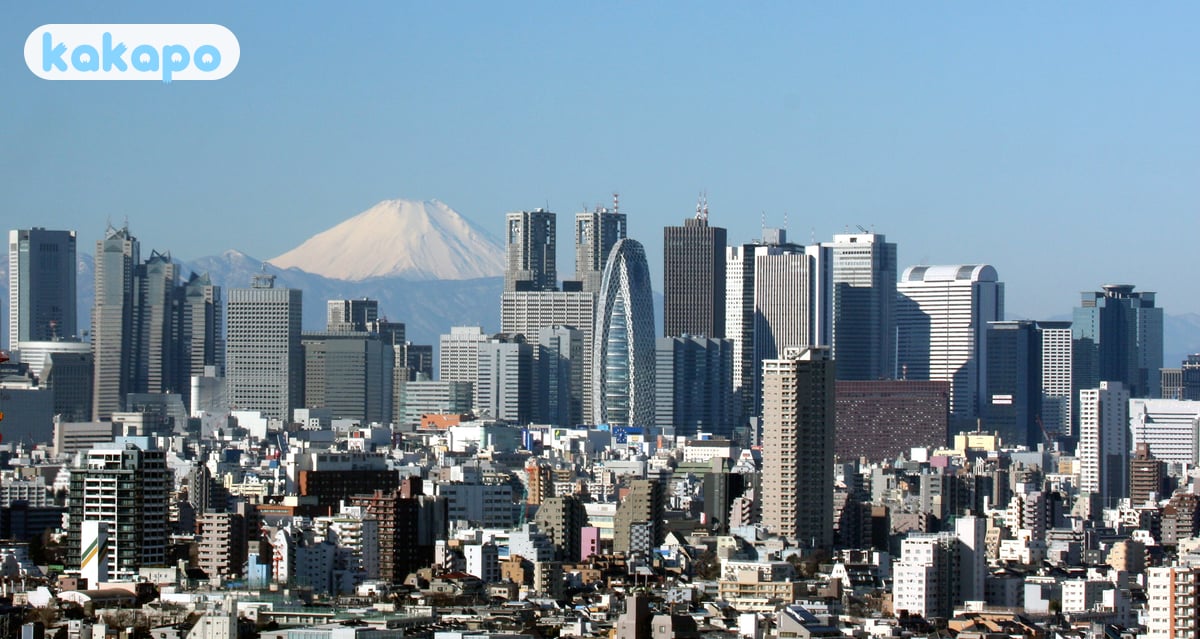
Japan sits on the Pacific Ring of Fire. Tokyo gets perceptible earthquakes (M3-4) every few weeks; M5+ is roughly every few months. The Big One — a M7+ on the Sagami Trough — is what disaster planning has anticipated for decades. Most quakes you'll feel are minor. Knowing what to do helps:
- If you feel a tremor: stop walking, get away from glass shop fronts (the falling-glass risk is real in Ginza and Shinjuku). If indoors, get under a sturdy table — Japanese building codes are world-class but light fixtures fall.
- Tsunami warning for coastal Tokyo — head inland and uphill to the highest accessible floor. The Tokyo Bay tsunami risk is real but the warning system is excellent.
- JR shinkansen automatically stops on M5+ detection — your high-speed train ride pauses for ~30 minutes while the system rechecks the line.
- The Yurekuru / NHK World Japan apps push earthquake early warnings in English. Worth installing on arrival.
- Building codes: Tokyo high-rises are designed to ride out M8 earthquakes. The "swaying" you feel in a Shinjuku skyscraper is the building working as designed, not failing.
Summer heat — the underrated danger
Tokyo summers (June-September) regularly hit 35°C+ with 80% humidity. The Tokyo Fire Department records thousands of heatstroke hospitalisations every summer.
- Plan around mid-day heat: outdoor sightseeing 7-10am or after 5pm. Mid-day is for museums, department stores, train rides.
- Hydrate aggressively: vending machines sell Pocari Sweat (the local electrolyte drink) on every corner. Use them.
- Trains and subways are heavily air-conditioned — relief.
- Convenience stores are public cooling stations during heatwaves.
- Don't push it: if you feel light-headed or stop sweating, find shade and water immediately. Heatstroke escalates fast.
Trains — Japan's hardest infrastructure to navigate
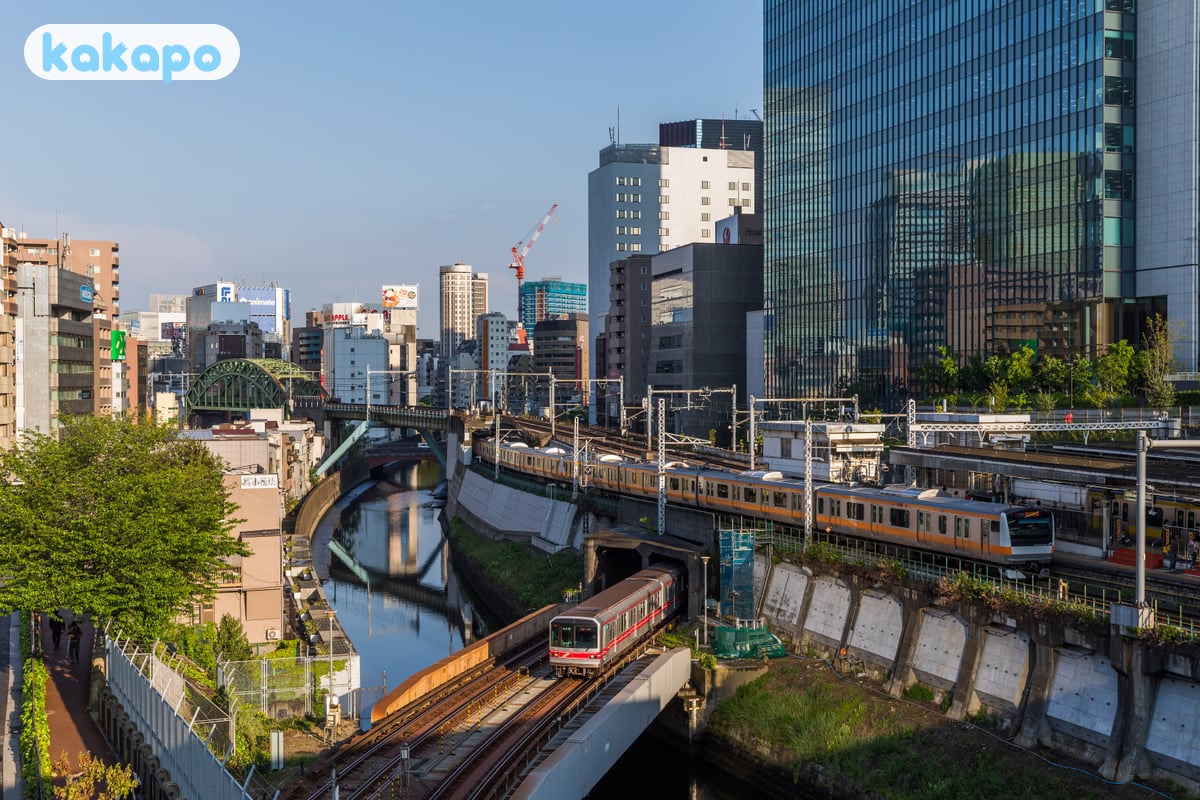
- Three operators in Tokyo: JR (the green-and-orange surface lines, including the Yamanote loop), Tokyo Metro (private), Toei (city-run). They issue separate tickets, but a Suica or Pasmo IC card covers all three plus buses, vending machines, and convenience stores. Buy one on arrival.
- Yamanote Line (light green) — the loop around central Tokyo connecting all major districts (Shibuya, Shinjuku, Tokyo Station, Akihabara, Ueno). Memorise this line; everything else branches from it.
- Pickpocketing is essentially nonexistent. Don't worry about your bag on a Tokyo train.
- Last train: most lines stop running ~midnight. Once you've missed the last train, you're either taking a taxi (expensive — Shibuya to Shinjuku ~¥3,000) or finding a karaoke booth or capsule hotel until 5am.
- Rush hour 7:30-9am, 5:30-7:30pm: avoid the Yamanote inner-loop and the Marunouchi line. White-gloved attendants pushing people into carriages is real, not a myth.
- Taxis: honest and metered. The doors open automatically — don't grab the handle. Tipping isn't done.
Roppongi and Kabukichō — the only districts to be cautious in
Tokyo's nightlife is among the safest in the world. The two districts where awareness pays off:
- Roppongi (Minato) — the foreigner-bar district. Aggressive touts on the streets pull you into "tourist bars" where you're charged ¥30,000-100,000 for a few drinks. Don't let anyone you didn't approach lead you anywhere. Stick to the bars listed by name in your guidebook.
- Kabukichō (Shinjuku) — Japan's largest red-light district. Safe to walk through (heavy plain-clothes police presence). Touts here also try to lead you into "host clubs" with surprise bills. Same rule: don't follow anyone you didn't seek out.
- Drink-spiking at touted bars in both districts is a recurring concern, especially for solo male visitors. The pattern: cheap-looking entry, you order one drink, you wake up with credit card cleaned out.
- Real, recommended nightlife districts: Golden Gai (a few hundred tiny bars in a small Shinjuku alley — fine, charming, no touts), Shimokitazawa (live music, no scene), Ebisu and Daikanyama (upscale, calm), the Shibuya backstreets.
Neighbourhood-by-neighbourhood breakdown
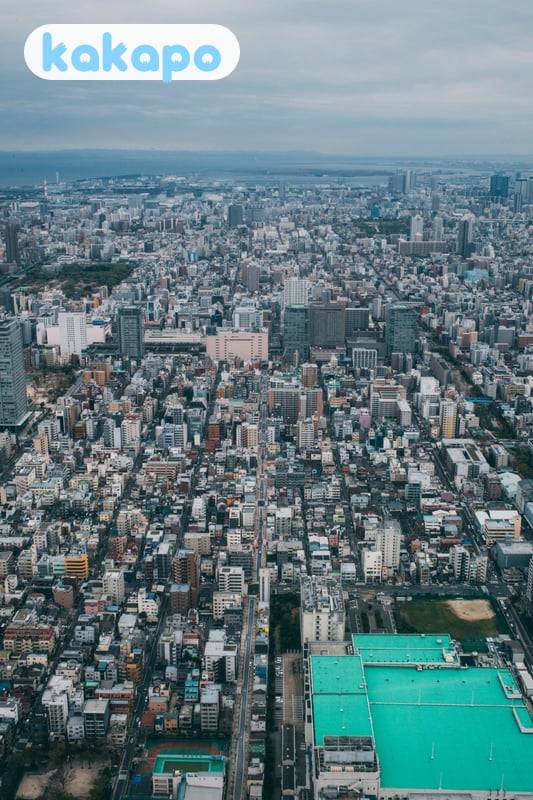
- Shinjuku — the busiest station on Earth (3.6 million daily passengers) and the centre of Tokyo's nightlife. The west side is skyscrapers and government offices (very safe, somewhat sterile); the east side is Kabukichō, Golden Gai, and the entertainment district. Safe to walk through at any hour; just don't follow touts.
- Shibuya — the Scramble Crossing, the youth-fashion district, Center Gai. Heavily-crowded, very safe, very loud. The "danger" is being overwhelmed by 3,000 people crossing the road at once. Hachikō statue is the universal meeting point.
- Asakusa — old Tokyo, Sensō-ji temple, Nakamise shopping street. Daytime tourist zone, quiet by 8pm. Watch your camera in the Nakamise crowd; bag theft is essentially nonexistent but bumps happen.
- Roppongi (Minato) — international nightlife and embassy district. The only neighbourhood where tourist-targeted scams are routine: bar touts, drink-spiking, surprise bills. Stick to bars listed by name in your guide; don't follow anyone you didn't seek out. Roppongi Hills and Tokyo Midtown (the corporate complexes) are fully safe.
- Ginza — the upmarket shopping district. Department stores, Michelin restaurants, art galleries. Extremely safe and walkable; the Sunday pedestrianised Chūō-dōri is a highlight.
- Akihabara — electronics and anime culture. Yodobashi Camera, Mandarake, maid cafés. Safe day and night; the maid-café touts are persistent but harmless, just decline politely.
- Shimokitazawa and Kichijōji — residential, hip, low-key. Live music, vintage shops, second-hand bookshops. Among the safest and most pleasant areas to walk at night.
If it's your first time visiting
- Fly into Haneda (HND) if you can — 30 minutes to central Tokyo via the Tokyo Monorail or Keikyū Line, around ¥500-600. Narita (NRT) is the alternative but it's 75-90 minutes by Narita Express (~¥3,070) or Keisei Skyliner (~¥2,580). Both work; Haneda saves an hour on each end.
- Buy a Welcome Suica or mobile Suica on arrival. It's the universal payment card for trains, buses, vending machines, convenience stores, and many restaurants. Without one you'll struggle at every turnstile.
- Best neighbourhood for your first night: Shinjuku (chaotic but everything is here), Shibuya (younger, busier), or Ginza (calmer, more upmarket). Avoid first-time bookings deep in Asakusa or Ueno — they're fine, but the rail connections back from late-night dinners are weaker.
- Day 1, jet-lag friendly: walk the Meiji Shrine forest in Yoyogi, then Harajuku's Takeshita-dōri, then Shibuya Crossing at dusk. Low-cognitive-load, all on the JR Yamanote Line.
- Common rookie mistakes: tipping (don't — it's awkward, not appreciated); eating while walking (frowned upon outside festivals); talking on the phone on trains (silent rule, strictly observed); using chopsticks to pass food to another person's chopsticks (funeral ritual association — use the back end or a serving dish); blowing your nose at the table (step out).
- Cash: carry ¥10,000-20,000 in cash even if you're mostly cashless. Older shrines, smaller restaurants, taxi machines in rural areas, and Golden Gai bars are still cash-only. 7-Eleven and Japan Post ATMs accept foreign cards reliably; bank-branded ATMs often don't.
- Pocket Wi-Fi or eSIM: download a Japan eSIM (Ubigi, Sakura Mobile, Airalo) before arrival, or rent a pocket Wi-Fi at the airport. Maps and translation are essential; Tokyo's free public Wi-Fi is patchy.
- Don't try to do too much in one day: distances look small on the metro map but Tokyo is bigger than Greater London. Pick two adjacent neighbourhoods per day, not five scattered ones.
Practical info — emergency numbers
- Police: 110.
- Ambulance / Fire: 119.
- Tourist hotline (24h, English-speaking): JNTO Visitor Hotline +81 50 3816 2787.
- St. Luke's International Hospital (Tsukiji) — major hospital with English-speaking emergency. +81 3 3541 5151.
- Japan Earthquake Early Warning: NHK World Japan and Yurekuru apps; phones receive emergency alerts automatically (Earthquake Early Warning chime).
Bring: a passport (carry it — police can ask, by law), an unlocked phone (Bic Camera and Yodobashi sell prepaid SIMs / pocket Wi-Fi rentals at airports), comfortable shoes (Tokyo's distances are real), and a Suica/Pasmo card buyable on arrival. Tap water is excellent.
Frequently asked questions
Is Tokyo safe to visit in 2026?
Yes. Tokyo is among the world's safest mega-cities. Crime against tourists is essentially nonexistent in normal tourist activity. Both US State Department + UK FCDO list Japan at Level 1 — the lowest advisory tier. Real concerns are earthquake preparedness, summer humidity (35°C+ + 80% humidity), and the very specific Shinjuku Kabukicho touts.
Is Tokyo safe at night?
Yes — Tokyo is one of the safest cities in the world to walk alone at any hour. Standard urban precautions still apply (don't follow strangers into 'special bars', watch drinks in Kabukicho or Roppongi nightlife). Women routinely travel solo on the last train + walk home from stations.
What's the most dangerous area of Tokyo?
Tokyo doesn't have specific 'dangerous' areas in the way Western cities do. Shinjuku's Kabukicho red-light district has documented tout-scam patterns (English-speaking 'guides' lead visitors to bars charging ¥50,000-100,000 for two drinks). Roppongi nightlife has occasional drink-spiking + bill-padding at clubs. Both are still safer than most Western cities' nightlife districts.
Is Tokyo safe for solo female travellers?
Yes — Japan consistently ranks among the safest countries for solo female travel. Women routinely walk home alone at 2am, take last trains, stay in capsule hotels. Specific concerns: groping ('chikan') on packed rush-hour trains — most lines have women-only carriages at peak hours (look for pink signs); Kabukicho touts approaching solo women near hotels (decline + walk past).
Can you drink tap water in Tokyo?
Yes — Tokyo tap water is excellent + heavily-treated. Drinkable at any tap; free at every restaurant. Many Tokyoites + visitors find the taste better than bottled mineral water.
What's the biggest scam to avoid in Tokyo?
Kabukicho 'guide-to-a-bar' touts in Shinjuku — English-speaking men (often Nigerian) approach you with 'I know a great bar' + lead you to a venue with surprise ¥30,000-100,000+ bills + intimidation when you try to leave. Walk past + never follow. Other recurring patterns: Roppongi club bill-padding, illegal-taxi pricing from the airport (always use the regulated Limousine Bus, Skyliner, or Narita Express), 'massage' parlor solicitations near Shinjuku station.
Do I need to worry about earthquakes in Tokyo?
Japan has the world's most-prepared earthquake infrastructure — modern buildings are heavily engineered. Small tremors are normal + frequent (multiple times a week, mostly imperceptible). Big quakes are rare but real (2011 Tohoku, 2024 Noto). Download the 'Safety Tips' or 'NHK World' app for English-language earthquake + tsunami alerts. Standard drop-cover-hold procedure if you feel shaking; head to designated evacuation zones (marked on every block) if you feel sustained shaking.
Recent travel news for Tokyo
All travel news →Record rain floods Chiba next to Tokyo: thousands stranded at Narita airport, rail links cut during Bon week
Record rainfall of more than 360mm in 24 hours flooded Chiba prefecture on 13 and 14 August 2026, killing at least eight people, cutting rail, bus and taxi links to Tokyo's Narita airport and leaving thousands of travellers stranded overnight. Central Tokyo was largely unaffected, trains began resuming on Friday morning, and flights were expected to run close to normal.
Tokyo in Japan's record heat spell: heatstroke alerts, 40C days and what visitors should change
Japan has recorded its longest run of 40C days and heatstroke alerts keep covering Tokyo, with three lions dying at a greater Tokyo zoo and record heat compounding earthquake recovery in Kumamoto. Travel is unaffected, but midday outdoor sightseeing carries a real physical risk.
Fatal Bear Attack Suspected in Western Tokyo Mountains
A suspected fatal bear attack occurred in western Tokyo's mountain region on May 19, prompting warnings for hikers and outdoor enthusiasts in the area.
Sources
Run a business in Tokyo?
Show visitors your Tokyo business is a safe choice. The free Verified by Kakapo badge puts Tokyo's live safety score on your website, links back to your verified page, and updates itself. No cost.
Get the free badge →