


Is Bangkok, Thailand Safe? A 2026 Travel Safety Guide
Tuk-tuk scams, the gem swindle, traffic, and the realistic visitor risks of one of Asia's most-visited cities.

Bangkok is one of the most-visited cities in the world and broadly safe for tourists. The realistic risks are road traffic (Thailand's road-fatality rate is the second-highest in Southeast Asia), tourist-targeted scams (the gem scam, tuk-tuk routes that end at souvenir shops), monsoon flooding, and the drink-spiking risk in specific Sukhumvit and Patpong bars.
The UK FCDO and US State Department both list Thailand at Level 2 ("exercise increased caution") with specific call-outs for the deep-south provinces (which tourists rarely visit) and for civil-society demonstrations that occasionally close central Bangkok. The 2024-2025 political environment has been calmer than the prior decade.
Thailand has a deserved reputation for friendliness toward visitors, and Bangkok in particular has very low rates of violent crime against foreigners. The risks are structured, predictable, and avoidable with awareness.
Visiting Bangkok for the first time, the thing that catches most travellers off-guard isn't scams — it's the heat-and-traffic combination. Crossing Sukhumvit Road at street level in April when it's 38°C and humid, dodging motorcycle taxis weaving across six lanes, with a tuk-tuk driver shouting prices at you, is sensory overload of a kind most Western cities don't prepare you for. The BTS Skytrain above your head is the answer to most of this: air-conditioned, predictable, and elevated above the chaos. Use it.
In 2026, the specific things that have changed since pre-pandemic include: cannabis was decriminalised in 2022, then partially re-restricted in 2024 — green-cross dispensaries are still everywhere in Sukhumvit and Khao San, but recreational sale to tourists is now in a legal grey zone and enforcement is unpredictable; the BTS and MRT systems have extended into new districts (the Yellow Line and Pink Line both opened in 2023-2024), making Lat Phrao and Min Buri reachable; the Grab app has fully displaced street-haggled tuk-tuks for most visitors who want a no-friction transfer; and the visa-on-arrival window expanded to 60 days for many nationalities in 2024, which has changed the long-stay digital-nomad mix of Sukhumvit Soi 11 and Ari noticeably.
| Night safety | 59/100 |
|---|---|
| Scam / petty-crime risk | High |
| Violent crime (tourists) | Low |
| Most common scams | Tuk-tuk "5 wats for ₿50" gem-shop scam; "Grand Palace is closed today" diversion; Patpong ping-pong-show surprise bills |
| Safer neighbourhoods | Sukhumvit (Asok–Phrom Phong), Silom & Sathorn, Ari & Phaya Thai |
| Data sources cited | 4 |
| Last verified |
What the score means — 76/100
- Healthcare (84) — Bangkok has world-class private hospitals (Bumrungrad, BNH, Samitivej) that handle medical tourists from across Asia. English-speaking, modern, internationally accredited.
- Night (78) — central tourist areas (Sukhumvit, Silom, Khao San) are alive late and busy. Outer areas quiet down.
- Personal safety (76) — moderate. Pickpocketing at Khao San and on Skytrain platforms; otherwise low-violence.
- Transport (70) — the lowest. Thai road traffic is genuinely dangerous; tourists involved in motorcycle/tuk-tuk accidents are a recurring story.
Tuk-tuk scams and the gem swindle

Bangkok's tuk-tuk scam economy has been running for 40 years and still catches new tourists every day.
- The "tuk-tuk too cheap" pattern: driver offers an absurdly low fare (₿20-50, like $0.60-1.50) for a tour of "5 wats." The tour is real but each stop ends at a "government" tailor / gem shop / suit factory where you're pressured to buy. Driver gets a commission per visit you sit through.
- The gem scam. Reputable-looking shop owner — often introduced by a "helpful" Thai you met outside a temple — proposes a "tax-free gem export business." You buy gems, take them home, sell to his "associate" for triple. The gems are coloured glass; the associate doesn't exist. Multiple national governments warn about this specifically; the UK FCDO has a permanent gem-scam advisory for Bangkok.
- "Wat is closed today" — driver tells you the temple/palace is closed for a Buddhist holiday. It's not. Walk to the entrance and check.
- Patpong "ping pong show" scams: free entry, then a ₿20,000 bill at the end. The performers/staff block the door until you pay. Don't enter.
BTS, MRT, taxis, and the road-traffic reality
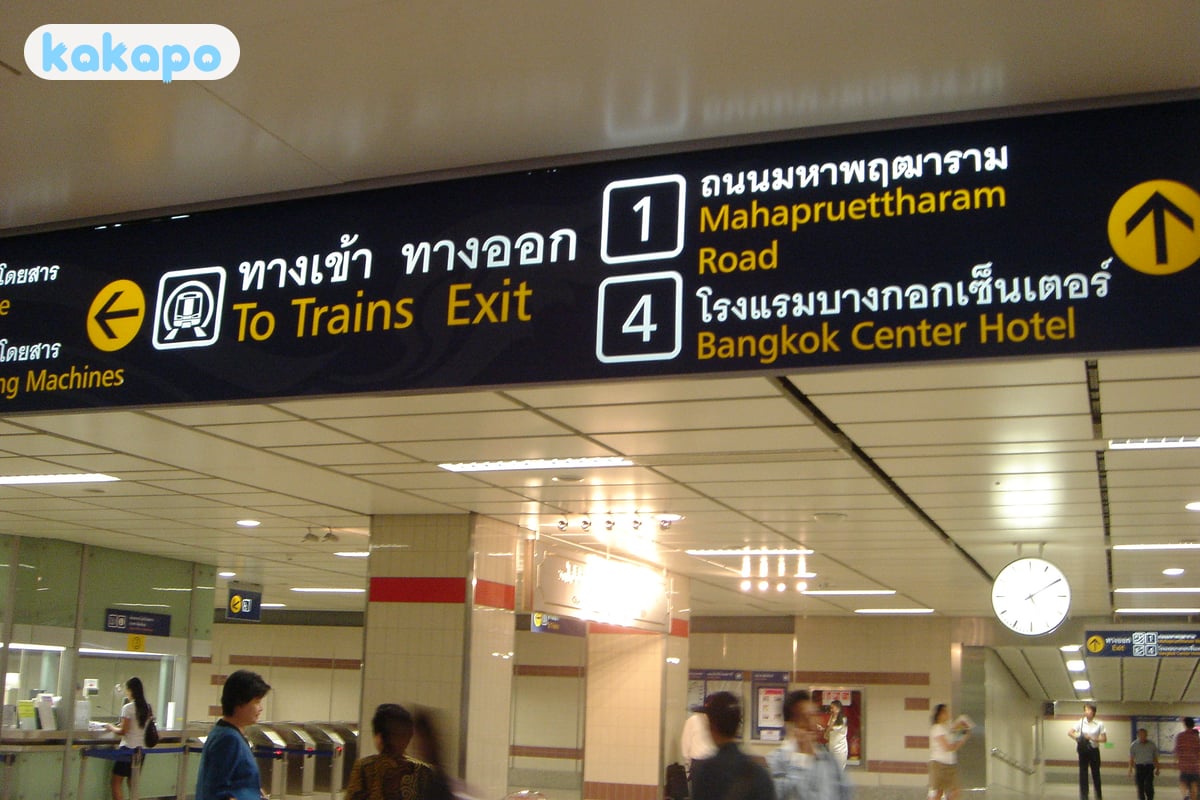
- BTS Skytrain — elevated rail. Clean, fast, air-conditioned. Cheap (₿16-44 per trip). Use it.
- MRT (subway) — also clean and modern. Pickpockets work busy interchanges (Asok / Sukhumvit, Hua Lamphong) at peak hours. Phone in front pocket.
- Metered taxis — pink, yellow, green-yellow, blue. Honest if you insist on the meter ("meter, krap/ka"). Drivers refusing the meter is a haggle starting position; walk to the next one.
- Grab (the Asian Uber equivalent) — works perfectly in Bangkok. Recommended for anyone who hasn't haggled before.
- Tuk-tuks — for short hops. Always agree fare before getting in. ₿80-150 for a short ride is fair; airport-to-Khao San is ₿400-500, not ₿1,500.
- Motorcycle taxis (men in orange vests) — the fastest way through Bangkok traffic but the highest-risk transport. Helmets are required; quality varies. Tourist motorbike-taxi accidents do happen.
- Suvarnabhumi Airport (BKK): Airport Rail Link to city centre ₿45, ~30 min. Taxi ~₿400 + ₿70 tolls.
- Don Mueang (DMK) — the budget airport. Shuttle bus to BTS Mo Chit, or taxi.
Areas — Khao San, Sukhumvit, the river, and the rest

Khao San Road — the backpacker strip. Lively, chaotic, fine. Pickpockets work the busy nights. Drink spiking in unfamiliar bars is a recurring concern; stick to bars with visible bartenders.
Sukhumvit Road — modern Bangkok. Hotels, malls (Terminal 21, Emporium), restaurants. Sois (side streets) range from quiet residential to red-light. Soi Cowboy and Nana Plaza are the established adult-entertainment areas — heavily policed, broadly safe to walk through, drink-spiking risk inside specific bars.
Silom and Patpong — financial district by day, nightlife by night. Patpong's tourist scene is a mix of legitimate bars and rip-off venues; do your research.
Old Bangkok (Rattanakosin Island) — Grand Palace, Wat Pho, Wat Arun. Daytime tourist area; well-policed. The streets around the river are pickpocket-active.
Demonstrations: Bangkok has had periodic political demonstrations in central locations (Ratchaprasong, Victory Monument, Democracy Monument). They've been peaceful since 2024 but check local news during your stay.
Monsoon — June through October
- Daily afternoon thunderstorms are the norm. Plan to be indoors mid-afternoon.
- Street flooding is routine after heavy rain. Knee-deep water in Sukhumvit isn't unusual.
- Don't drive a scooter or motorcycle in the rain — Thailand's roads become extremely slick. Drainage is poor.
- Dengue: peaks during and after monsoon. Repellent at dawn/dusk; long sleeves. Bangkok hospitals do rapid dengue tests.
- Best time to visit: November-February (cool, dry). March-May (very hot, dry). June-October (wet).
Drinking, drugs, and what's actually risky after dark
- Drink-spiking at touted "ladyboy bars" and street-tout bars in Patpong/Sukhumvit Soi 11 is a recurring incident. Don't accept drinks from strangers; watch your drink being poured.
- Cannabis decriminalisation (2022) — possession is broadly tolerated; sale is regulated. Quality varies. Tourist edibles overdoses happen but less than in Amsterdam.
- "Magic mushrooms" and harder drugs are illegal and the penalties are severe. Bangkok police do run sting operations in tourist nightlife districts.
- Crossing the border with cannabis — illegal in surrounding countries (Malaysia, Singapore). Don't.
- Solo female travel: Bangkok has reasonably low rates of harassment of foreign women compared to other Asian capitals. Late-night solo walks in Sukhumvit and Silom are fine; less so in Khao San after 2am.
Neighbourhood-by-neighbourhood breakdown
- Sukhumvit (Asok, Phrom Phong, Thong Lor, Ekkamai) — modern Bangkok. Hotels, malls (Terminal 21, EmQuartier, Emporium), restaurants, expat-heavy. Very safe. Thong Lor and Ekkamai are the hip-residential zones with the best independent restaurants; Asok is the corporate-tourist intersection.
- Silom and Sathorn — financial district. Empty on weekends, lively at lunch midweek. Patpong night market sits in this district — touristy, fine to walk through, the famous "ping-pong show" scam bars are concentrated here. Sathorn is residential-luxury, very safe.
- Khao San Road and Banglamphu — backpacker central. Chaotic, cheap, fun-or-grim depending on your tolerance. Pickpockets work the busy nights and drink-spiking in unfamiliar street bars is a recurring incident. Sticking to bars with named bartenders is the simple rule.
- Rattanakosin (Old Bangkok) — Grand Palace, Wat Pho, Wat Arun, the Chao Phraya river. Daytime tourist core. Well-policed. The streets between the palace and the river are pickpocket-active. The famous "Grand Palace is closed today" tuk-tuk scam is launched from here.
- Chinatown (Yaowarat) — old food district. Comes alive at dusk; street food, gold shops, herbal medicine. Very safe; crowded; bring cash and patience.
- Ari and Phaya Thai — local-hip residential. Café culture, independent shops, no tourist scams because there are barely any tourists. Safer-feeling than Sukhumvit because the pace is calmer.
- Soi Cowboy and Nana Plaza — established adult-entertainment districts on Sukhumvit. Heavily policed, safe to walk through as a spectator, drink-spiking risk inside specific touted bars. The girls/staff are aggressive about pulling you in; a polite "no thanks" works.
If it's your first time visiting
- Best arrival airport: Suvarnabhumi (BKK) for most long-haul international; Don Mueang (DMK) for AirAsia and budget regional. BKK to city: Airport Rail Link to Phaya Thai for ₿45 in 30 minutes, then transfer to BTS. Or a metered taxi from the official rank ₿400-500 including motorway tolls and the ₿50 airport surcharge — never accept a flat-rate offered by drivers approaching you in the terminal.
- Download Grab before arrival. It's the regional Uber; works for taxis, motorcycle taxis, and food delivery. Removes haggling, shows the fare upfront, no language barrier. Bolt is also working in Bangkok now and often slightly cheaper.
- Best neighbourhood for your first night: Sukhumvit between Asok and Phrom Phong (BTS-adjacent, modern, malls and food in walking distance) or Silom near Sala Daeng BTS (similar but a bit more business). Skip Khao San for your first night unless you specifically want hostel-strip energy. Avoid hotels far from a BTS or MRT station — Bangkok traffic will eat your trip.
- Day 1, jet-lag friendly: take the river boat from Sathorn pier up to Wat Arun and Wat Pho, then walk to the Grand Palace (long-pants and covered shoulders mandatory, strictly enforced — they rent sarongs if you arrive in shorts). Eat at a riverside restaurant, BTS home. Avoid the tuk-tuk drivers offering "5 wats for ₿50" — that's the gem-shop scam.
- Common rookie mistakes: pointing your feet at a Buddha image or another person (cultural taboo — feet are unclean, tuck them under); touching anyone's head (also taboo); getting in a tuk-tuk without agreeing the fare first (you'll be charged ₿500 for a ₿100 ride); buying gems "for export tax-free profit" (this is a scam, the gems are coloured glass); riding a scooter without a helmet (illegal and reckless given Thai traffic); and accepting drinks from strangers at touted bars in Patpong/Sukhumvit Soi 11 (drink-spiking is real).
- Temple dress code: covered shoulders and knees, no flip-flops at the Grand Palace specifically. Wear long pants and a t-shirt with sleeves. Many smaller temples are more relaxed; the Grand Palace and Wat Phra Kaew are not.
- Cash and cards: most modern places take cards or PromptPay (the Thai mobile payment); street stalls, tuk-tuks, and smaller restaurants are cash-only. Withdraw ₿10,000-20,000 from a Krungthai or Bangkok Bank ATM on arrival; expect ₿220 ATM-foreign-card fees per withdrawal.
- The heat is real: April-May is brutal (38°C+, no shade). Plan outdoor sightseeing 7-10am, retreat to malls and air-con restaurants midday, resume after 5pm. Hydrate aggressively; 7-Eleven on every corner sells cold water and electrolyte drinks for ₿15.
Practical info — emergency numbers
- Tourist Police: 1155 (24h, English-speaking).
- Police (general): 191.
- Ambulance: 1669.
- Fire: 199.
- Bumrungrad Hospital: +66 2 066 8888 — international-standard, English-speaking.
- BNH Hospital: +66 2 686 2700.
Bring: oral rehydration salts, mosquito repellent, modest clothing for temple visits (covered shoulders + knees, strictly enforced at Grand Palace), an unlocked phone (AIS, dtac, TrueMove prepaid SIMs at the airport), and a card without foreign-transaction fees. Tap water is not drinkable; bottled is universal.
Frequently asked questions
Is Bangkok safe to visit in 2026?
Yes. Bangkok is one of the safer major Southeast Asian capitals. US State Department lists Thailand at Level 2 (general SE Asia caution + south-of-Songkhla insurgent areas, which aren't on tourist routes). Real concerns are the well-documented tuk-tuk/jewellery scams, motorbike + pedestrian-cross traffic chaos, occasional protests at Democracy Monument, and the South-Thailand insurgency carve-out (Yala, Pattani, Narathiwat — not Bangkok).
Is Bangkok safe at night?
Yes for central tourist areas (Sukhumvit, Silom, Khao San, Chinatown, Old City). Khao San Road + Soi Cowboy + Patpong nightlife zones are heavily-policed + tourist-active until 04:00. Standard precautions: phone secured (motorbike-snatch is real), watch drinks in clubs (rare but documented spiking), use Grab/Bolt rather than street taxis for late-night transfers.
What's the most dangerous area of Bangkok?
Bangkok doesn't have tourist 'no-go' zones in the central core. Klong Toei + parts of Bang Sue have residential crime patterns but aren't on tourist itineraries. The Khao San tourist zone has occasional drink-spiking + over-pricing rather than violent crime. South-Thailand insurgent provinces (Yala, Pattani, Narathiwat — 1,000 km south) carry US/UK travel advisories.
Is Bangkok safe for solo female travellers?
Yes, with standard precautions. Bangkok ranks reasonably for solo-female travel in SE Asia. Specific concerns: hostel-bar pickup attempts in Khao San, BTS Skytrain groping at peak hours (women-only carriages at the front of trains), late-night taxi solo rides (always use Grab/Bolt). Modest dress for temples (Wat Pho, Wat Phra Kaew) — shoulders + knees covered.
Can you drink tap water in Bangkok?
No — tap water in Bangkok is treated but not generally drunk by locals or visitors. Stick to bottled water + ice from sealed cubes (most restaurants use commercial ice that's safe). Brushing teeth with tap is fine. Bottled water is cheap (฿10-20 / ~$0.30) and ubiquitous.
What's the biggest scam to avoid in Bangkok?
The 'closed temple / gem export / tuk-tuk tour' scam — a friendly local tells you the Grand Palace is 'closed today' + offers a discount tuk-tuk tour that ends at a gem/tailor shop with high-pressure sales. Walk away + verify temple hours independently. Other recurring scams: Khao San 'Ping-Pong show' bait-and-switch with surprise drink bills; Patpong scam-bar surcharge tactics; counterfeit-luxury Chatuchak vendors; airport 'broken meter' taxi pitches (use the official taxi queue with the public flat-rate ticketing).
Do I need to worry about Thai political protests?
Periodic. Protests typically concentrate at Democracy Monument + Government House in central Bangkok. Generally peaceful + announced in advance. The 2020-2022 pro-democracy protests sometimes turned tear-gassy at specific sites; the 2024-2026 period has been calmer. If you encounter a march, walk away — they're not targeting foreigners but the immediate area can be disrupted.
Recent travel news for Bangkok
All travel news →Bangkok-area school shooting leaves eight dead, Thai PM pledges stricter gun laws
A 14-year-old shot and killed eight people, including five teachers, at a school in Nonthaburi on Bangkok's northern outskirts on August 7, 2026, before taking his own life. Prime Minister Anutin Charnvirakul has promised legislation restricting who can carry firearms in public.
Deadly pub fire in Bangkok kills at least 27 as authorities probe possible negligence
A fire tore through a Bangkok pub in the early hours, killing at least 27 people and critically injuring more than 20. Thai authorities are investigating possible safety negligence at the venue.
Deadly Bangkok nightclub fire kills at least 27, prompts venue safety questions for visitors
A fire tore through a popular Bangkok pub late on 12 July, killing at least 27 people and injuring dozens more. Thai police are investigating possible negligence. Bangkok remains broadly safe for travelers, but the tragedy is a reminder to check exits and avoid overcrowded venues.
Sources
Run a business in Bangkok?
Show visitors your Bangkok business is a safe choice. The free Verified by Kakapo badge puts Bangkok's live safety score on your website, links back to your verified page, and updates itself. No cost.
Get the free badge →