


Is Seoul, South Korea Safe? A 2026 Travel Safety Guide
Itaewon's post-2022 crowd-management, the K-pop tourist sites, North Korea context, and the realistic visitor risks of Asia's safest megacity.

Seoul is one of the safest mega-cities in Asia for crime — comparable to Tokyo on most measures. The realistic visitor concerns are summer humidity, the post-2022 emphasis on crowd-management at major events (the Itaewon Halloween crush killed 159 people, mostly young, including foreign visitors), and the periodic North Korean missile-test news cycles that affect headlines but not Seoul's day-to-day reality.
Both the UK FCDO and the US State Department list South Korea at low advisory levels. Crime against tourists is genuinely rare. Korean society is high-trust; lost wallets get returned via the police lost-and-found.
The honest framing for first-time visitors: Seoul is calm, orderly, technologically polished, and genuinely safe to walk at any hour. The North Korea question gets asked frequently — the answer is that Seoul has functioned as a global business and tourism centre for 70+ years through varying levels of inter-Korean tension. Tourist trips proceed normally.
What catches most first-time visitors off-guard isn't safety — it's the sheer pace and scale. Seoul Metropolitan Area is 26 million people; the subway moves more passengers than London and New York combined; restaurants turn tables in 40 minutes; meetings start at the second of the scheduled time and end at the second of their close. The "ppalli-ppalli" (hurry-hurry) culture is a real thing. Slot into it rather than fighting it. Bow slightly when greeting, take cards and drinks with both hands when receiving from someone older, and don't be the foreigner who blocks the left side of the subway escalator — locals move fast on those.
In 2026, the practical things to know: K-ETA pre-arrival registration is mandatory for most Western passports before you fly (a 72-hour rolling waiver pilot for select nationalities is in effect through 2026 — check current status); the new Seoul Metro Line 9 western extension finally reaches Gimpo Airport and Magok cluster; cashless is now functionally complete in Seoul — even pojangmacha street stalls take T-money or Kakao Pay; and South Korea legalised tattoo studios in 2025, so the underground booking culture of K-Tattoo artists has gone above board. Pollution alerts (PM2.5) from Chinese-side dust are a March-May feature; check AirVisual on bad days and consider an N95 mask.
| Night safety | 85/100 |
|---|---|
| Scam / petty-crime risk | Medium |
| Violent crime (tourists) | Low |
| Most common scams | pickpocketing in Myeongdong; drink-spiking incidents in Itaewon; ticket scams for K-pop music shows |
| Safer neighbourhoods | Myeongdong, Hongdae, Gangnam |
| Data sources cited | 4 |
| Last verified |
What the score means — 89/100
- Personal safety (94) — at the top of our scale. Crime against tourists is uncommon; pickpocketing concentrated in Myeongdong and at Hongdae weekends.
- Transport (94) — Seoul Metro is one of the world's best. Clean, signposted in English, runs 5:30am-1am.
- Healthcare (90) — Seoul has world-class private hospitals (Severance, Asan, Samsung). International-standard, English-speaking.
- Night (88) — Hongdae, Itaewon, Gangnam alive late and safe to walk.
Itaewon — the post-2022 crowd-safety reality
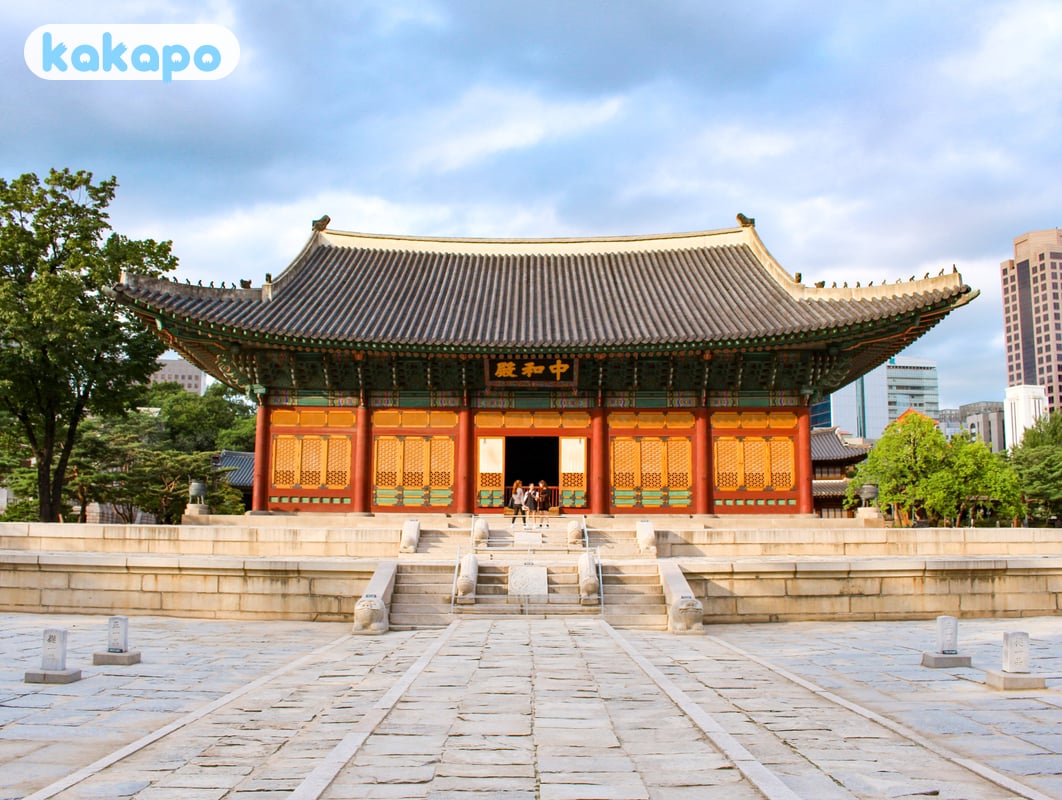
The October 2022 Itaewon Halloween crowd-crush killed 159 people, most under 30, in a narrow alley near Hamilton Hotel. The disaster has reshaped Korean crowd-management:
- Major events now have explicit crowd capacity limits with police-managed flow control.
- Halloween, NYE, Seollal (lunar new year): Seoul Metropolitan Police pre-deploy specifically.
- Itaewon itself in 2026 is calm and broadly safe; the famous narrow alley has been reorganised. Halloween is no longer the unmanaged street party it was.
- If you're at any major Seoul event with crowd density: stay on the edges of crowds, follow police directions, never push back against a wave.
- If you feel pressure: arms in front of your chest in a "boxing" position to maintain breathing space.
Areas — comfortable everywhere
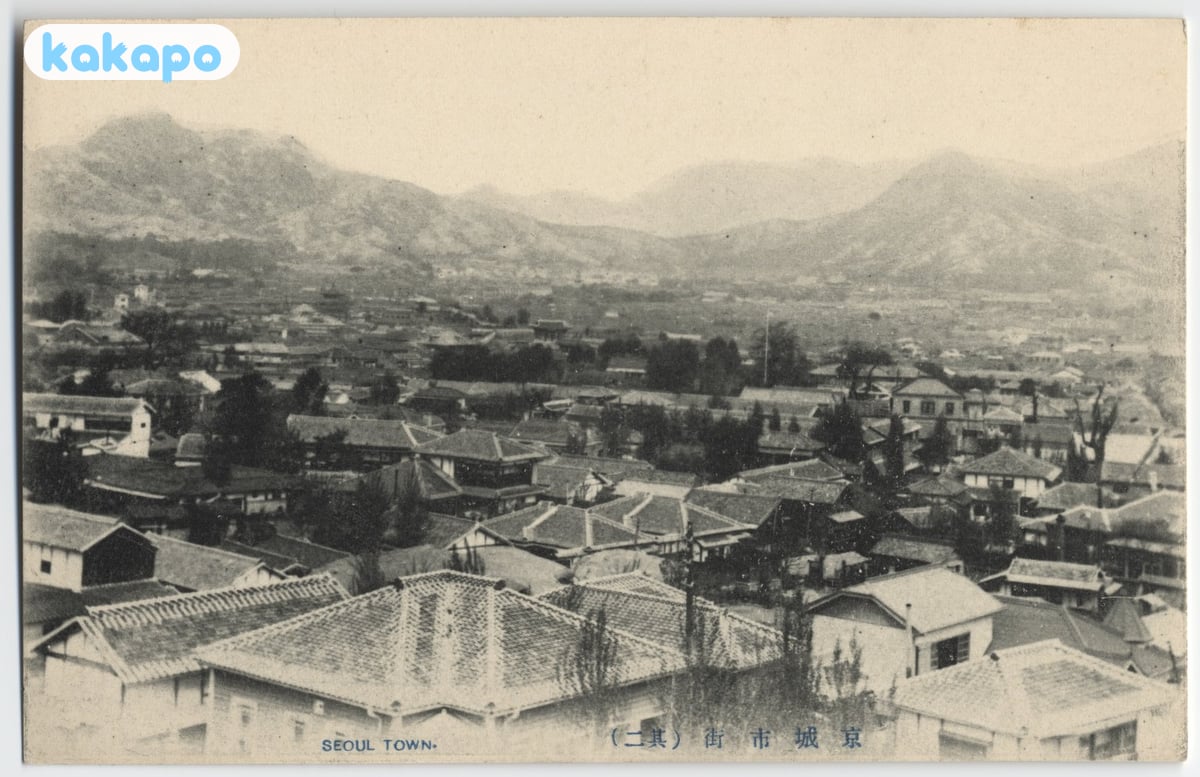
Recommended for visitors: Myeongdong (shopping/cosmetics centre — busy, fine), Hongdae (university nightlife district), Itaewon (the historical foreigner-friendly bar area), Gangnam (modern, upscale), Insadong (traditional crafts, calm), Bukchon Hanok Village (historic Korean houses), Yeonnam-dong (gentrified, hip), Seongsu (Brooklyn-style cafés).
Lively, late-night fine: virtually all the above. Seoul's overall safety profile makes "after dark" stretch much later than other Asian cities.
Stay aware: some Itaewon side-streets have been the site of occasional drink-spiking incidents at touted bars (similar to Roppongi/Patpong). Stick to bars listed by name.
There are no specific neighbourhoods to avoid for tourists in Seoul.
North Korea context — what it means for visitors
- Seoul is ~50 km from the DMZ — closer than Washington, DC is to Baltimore.
- Practical impact for tourists: essentially zero. Seoul has functioned as a global tourism centre throughout decades of varying tension.
- Periodic missile tests: news headlines briefly. Seoul air-defence is robust. Tourist trips proceed normally.
- DMZ tours: well-organised (USO, Koridoor, others). Strict rules — passport required, dress code, no waving at North Korean soldiers. Run by the US/South Korean military, very safe.
- If something major happens: follow embassy guidance. The US, UK, and Australian embassies have evacuation protocols updated regularly.
- The cell-phone "wireless emergency alert" system in Korea sends Korean-language messages occasionally about missile tests. They're informational, not panic events.
Metro, T-money, and the airport
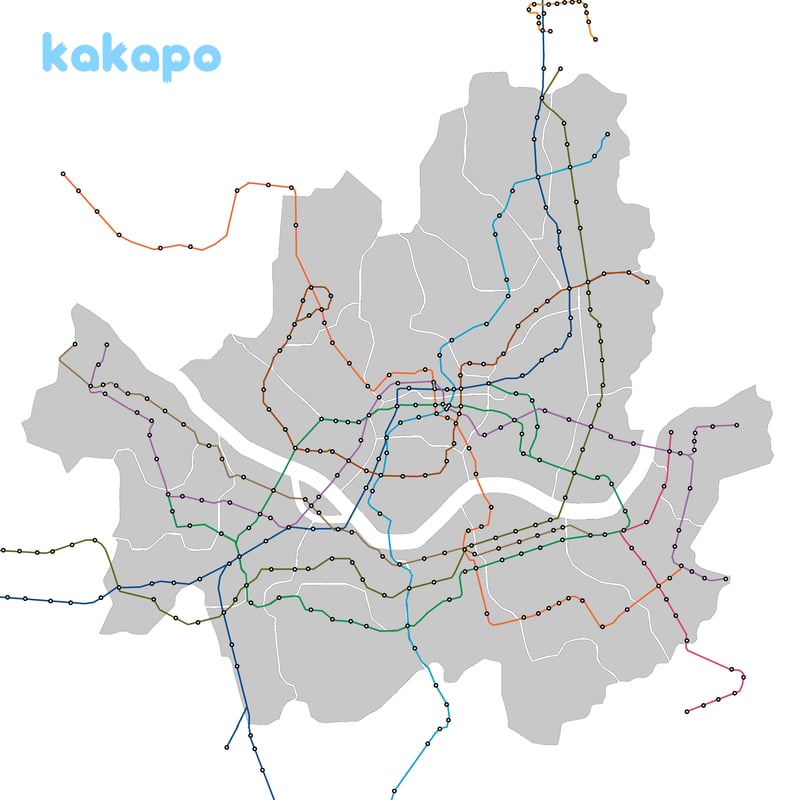
- T-money card: covers Metro, buses, taxis, convenience stores. Buy at the airport or any 7-Eleven.
- Seoul Metro: Lines 1-9 plus newer regional lines. English signage on every train. Clean, fast, very cheap (~₩1,400 per trip).
- Buses: blue (cross-city), green (local), red (intercity). Useful but Korean-only announcements; use Naver Maps or KakaoMap.
- Taxis: regulated, metered, honest. Black "deluxe" taxis cost ~30% more but are slightly more comfortable.
- Kakao T: the local rideshare app. Uber operates as KakaoT-Uber partnership.
- Incheon Airport (ICN) to Seoul: AREX express train ~50 min, ₩9,500. Limousine bus ~70 min, ₩17,000. Taxi ₩70,000-90,000.
- Gimpo (GMP): domestic + some Asian routes. Closer to Seoul.
K-pop tourism, shopping, and tipping
- SM Entertainment, HYBE, JYP, YG buildings: tourist destinations now. Heavily regulated for fan safety; security visible.
- Music shows / fan meets: ticket scams are real. Buy through official channels (KTOWN4U, Interpark, Weverse).
- Beauty / cosmetics: Myeongdong and Olive Young everywhere. Quality is genuine; tourist-tax discounts available with passport.
- Tipping: not done in Korea. Service charges sometimes added at upscale hotels; otherwise no tipping at restaurants, taxis, or services.
- Currency: Korean won (KRW). Cards work essentially everywhere. ATMs at Woori Bank, Hana Bank work for foreign cards (KEB Hana 365 is the most reliable).
Neighbourhood-by-neighbourhood breakdown
- Myeongdong (central north) — shopping and cosmetics. Skincare megastores (Olive Young, Innisfree), street food, tourist-dense. Very safe; pickpocketing is the only minor concern in evening peak.
- Insadong and Bukchon (north of Cheonggyecheon) — traditional crafts, ginseng, antique shops, the Bukchon Hanok Village. Bukchon is residential — be quiet, no shouting/loud groups, signage enforces.
- Hongdae (Mapo) — Hongik University area. Indie venues, busking, fashion shops, late-night clubs. Genuinely safe; gets rowdy on weekends after 02:00 but in a celebratory way.
- Itaewon (Yongsan) — historical international district. Diverse bars, restaurants, the Halal Street near the mosque. Recovered from the 2022 crush and crowd-managed at peak nights. Stick to named bars, not touted alleys.
- Gangnam and Apgujeong (south of the river) — finance and luxury district. K-Star Road, plastic-surgery alley, COEX Mall. Polished, calm, very safe; expensive.
- Seongsu and Yeonnam-dong — converted-factory cafés (Seongsu) and the gentrified low-rise Yeonnam strip near Hongdae. The current "cool" Seoul. Very safe.
- Dongdaemun — wholesale markets, the DDP plaza, midnight shopping. Stays open until 05:00 in the wholesale buildings; safe at any hour because there are always thousands of people.
If it's your first time visiting
- Best arrival airport: Incheon International (ICN). The AREX Express train to Seoul Station is ₩9,500 in 50 minutes; the regular AREX commuter (all stops) is ₩4,750 in 65 minutes. Limousine bus is ₩17,000 directly to most central hotels. Taxi is ₩70,000-90,000 (~$50-65) and works fine if it's late.
- Buy a T-money card at any 7-Eleven or CU convenience store (₩4,000 for the card, then load won). Works on subway, all buses, taxis, and most convenience stores. Foreign-passport tourists can also pre-register the WOWPASS for tax-refund integration.
- Best neighbourhood for your first night: Myeongdong for sightseeing convenience, Hongdae for nightlife, Gangnam for upmarket calm, Insadong for traditional atmosphere. Avoid booking right next to Itaewon's Hooker Hill or the immediate Gangnam Station exit area unless you don't mind 03:00 noise.
- Day 1, jet-lag friendly: walk Gyeongbokgung at the changing-of-guard ceremony (10:00/14:00), drift through Bukchon Hanok Village, end with bibimbap in Insadong. All flat, all walkable, all within 30 minutes.
- Common rookie mistakes: tipping at restaurants or taxis (not done in Korea, can offend); pointing chopsticks at someone or sticking them upright in rice (funeral imagery, very rude); pouring your own soju (let your dinner companion pour for you, and you pour for them); writing names in red ink (associated with the dead); blowing your nose at the table (step away to the bathroom); standing on the left side of escalators in subway stations (stand right, walk left).
- Download KakaoMap or Naver Map — Google Maps doesn't have full transit/walking routing in Korea due to legacy mapping data restrictions.
- Book popular restaurants via CatchTable or Naver — walk-ins to famous galbi or hansik places are increasingly impossible. Same for cafe-restaurant hybrids on weekend afternoons.
- Pre-register K-ETA before you fly. $10, takes 5 minutes online; without it you can be turned around at boarding. Check the current waiver-pilot list — selected nationalities are exempt through 2026.
Practical info — emergency numbers
- Police: 112.
- Ambulance / Fire: 119.
- Tourist Help Line (24h, English-speaking): 1330.
- Severance Hospital (Yonsei): +82 2 2228 5800. International standard.
- Asan Medical Center: +82 2 3010 5114.
- Samsung Medical Center: +82 2 3410 2114.
Bring: comfortable walking shoes, a T-money card (buy on arrival), a contactless bank card, an unlocked phone (KT, SK Telecom, LG U+ prepaid SIMs / pocket Wi-Fi rentals at Incheon), and travel insurance documentation. Tap water is safe; Koreans tend to drink it cold-filtered or boiled, more cultural than safety.
Frequently asked questions
Is Seoul safe to visit in 2026?
Yes. Seoul is one of the safest mega-cities in Asia for crime — comparable to Tokyo on most measures. UK FCDO and US State Department list South Korea at low advisory levels. Crime against tourists is genuinely rare; Korean society is high-trust and lost wallets get returned via police lost-and-found. Realistic concerns are summer humidity, post-2022 crowd management at major events, and periodic North Korean missile-test news cycles — not violent crime.
Is Seoul safe at night?
Yes. Hongdae, Itaewon, Gangnam, and Myeongdong stay alive late and are safe to walk. Seoul Metro runs 5:30am-1am; after 1am, Kakao T (the local rideshare) is reliable. Some Itaewon side-streets have had occasional drink-spiking incidents at touted bars — stick to bars listed by name. Overall, Seoul's safety profile makes 'after dark' stretch much later than other Asian cities.
Is Seoul safe for solo female travellers?
Yes — among the safest destinations in Asia for solo women. Solo travel at any hour is genuinely safe and Korean society is high-trust. Standard precautions: avoid touted bars on Itaewon side-streets (stick to named venues), watch your drink in big anonymous clubs, use Kakao T for late-night distance. Women-only carriages exist at rush hour. The Itaewon Halloween crush has reshaped crowd policing — major events now have explicit capacity limits.
Can you drink tap water in Seoul?
Yes — it's safe and extensively tested. Koreans tend to drink it cold-filtered or boiled (a cultural preference, not a safety issue). Free at every restaurant on request. Refill bottles anywhere. Convenience stores stock cheap bottled if you prefer.
Should I worry about North Korea?
No — for practical tourism purposes. Seoul is ~50 km from the DMZ (closer than Washington DC is to Baltimore) and has functioned as a global business and tourism centre throughout decades of varying inter-Korean tension. Periodic missile tests make headlines briefly; Seoul air-defence is robust; tourist trips proceed normally. The cell-phone Wireless Emergency Alert system sends occasional Korean-language messages about missile tests — informational, not panic events. DMZ tours via USO, Koridoor and others are well-organised and very safe (passport required, dress code, strict rules).
Is Itaewon safe after the 2022 crush?
Yes — and the crowd-management response since has been substantial. The October 2022 Halloween crush killed 159 people, most under 30, in a narrow alley near Hamilton Hotel. Since then: major events have explicit crowd capacity limits with police-managed flow control, Halloween/NYE/Seollal see pre-deployed Seoul Metropolitan Police, and the famous narrow alley has been reorganised. Itaewon itself in 2026 is calm and broadly safe. If you're at any major Seoul event with crowd density, stay on the edges, follow police directions, never push back against a wave — if you feel pressure, arms in 'boxing' position in front of your chest to maintain breathing space.
Recent travel news for Seoul
All travel news →Sources
Run a business in Seoul?
Show visitors your Seoul business is a safe choice. The free Verified by Kakapo badge puts Seoul's live safety score on your website, links back to your verified page, and updates itself. No cost.
Get the free badge →