


Is Hong Kong, Hong Kong SAR Safe? A 2026 Travel Safety Guide
The Special Administrative Region (also written as Hong Kong, China), the post-2020 political context, the National Security Law, the typhoon season, and the realistic risks.

Hong Kong is one of the world's safest cities for visitors. Crime against tourists is essentially nil — pickpocketing in Mong Kok night markets is the worst most travellers will encounter. The realistic concerns are the post-2020 political context (the National Security Law restricts protest, certain speech, and certain content; tourists almost never encounter issues but worth understanding), the typhoon season (signal-8 storms shut the city), the severe summer heat + humidity, and the air quality on bad cross-border-pollution days.
Note on naming: Hong Kong is a Special Administrative Region (SAR) of the People's Republic of China. We publish this guide both as "Hong Kong, Hong Kong SAR" and "Hong Kong, China" — same place, different governmental framings.
The US State Department lists Hong Kong at Level 2 ("exercise increased caution due to arbitrary enforcement of local laws"). UK FCDO is similar. Anchors: Victoria Peak, the Star Ferry, the Mid-Levels Escalators + SoHo, Mong Kok markets, Lantau (Big Buddha), Lamma Island day-trip, Cheung Chau, Sai Kung hiking, dim sum at Tim Ho Wan / Lin Heung. Most international visitors stay 3-5 nights.
What surprises most first-time visitors is the contrast between the postcard skyline and the actual lived city. The Central business district that you've seen photographed across Victoria Harbour is 800m wide; step three streets back and you're in Soho's tangle of Mid-Levels Escalator stops, then climbing into the Hollywood Road antique-and-temple strip, then into the genuine residential Sheung Wan. Hong Kong locals are direct, fast-walking, and friendlier than their reputation suggests if you treat them as competent adults rather than service staff. Cantonese-tone English is the lingua franca; nobody will mind you only knowing "m̀h-gōi" (excuse me/thank you-for-service) and "dō jeh" (thank-you-for-a-gift) but the effort lands well.
In 2026, the practical shifts: the new Northern Metropolis development is reshaping the New Territories border zone (relevant only if you're crossing to Shenzhen); the High Speed Rail at West Kowloon now runs 48 daily trains to mainland China including direct services to Beijing, Shanghai, and Guangzhou; the 7-eleven and Circle K shops citywide now sell HKD-loaded tourist Octopus On-Loan cards, no deposit required; and the "Hello Hong Kong" tourism push has kept some restaurant and ferry vouchers active through 2026. The post-2019 political quiet is the dominant reality — protests are functionally absent from city life; the National Security Law remains a tourist non-issue if you don't post protest content from a Hong Kong IP.
| Night safety | 85/100 |
|---|---|
| Scam / petty-crime risk | Medium |
| Violent crime (tourists) | Low |
| Most common scams | Tsim Sha Tsui tailor + electronics tout; pickpocketing in Mong Kok night markets; fake monks soliciting donations |
| Safer neighbourhoods | Central, Tsim Sha Tsui, Sai Kung |
| Data sources cited | 4 |
| Last verified |
What the score means — 91/100
- Transport (96) — MTR is among the world's best urban rail systems.
- Healthcare (90) — public + private both world-class. Queen Mary, Hong Kong Sanatorium, Adventist.
- Personal safety (90) — among Asia's safest cities.
- Air quality (60) — pulled down by cross-border pollution from Pearl River Delta on bad days.
The post-2020 political context
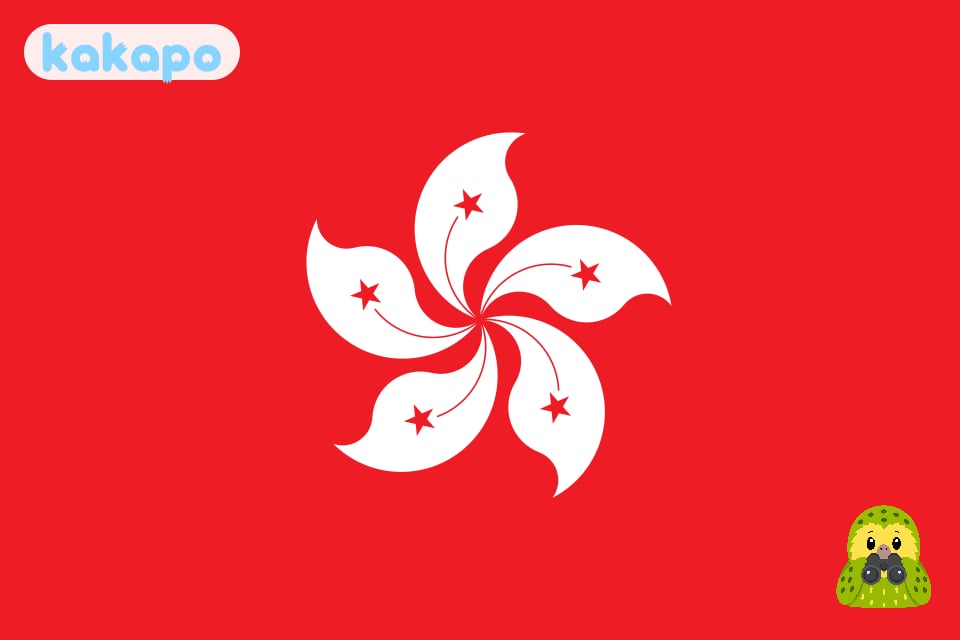
- National Security Law (2020): criminalises secession, subversion, terrorism, collusion with foreign forces.
- Article 23 (2024): extends NSL with expanded national-security offences.
- What it means for tourists: in practice, almost nothing. Tourists are not the target.
- Don't: attend or photograph political protests, post protest material on social media while in HK, carry pro-democracy flags/symbols, criticise PRC government in public.
- Pre-2020 protest content: don't have it on your phone if entering HK from mainland China.
- Border crossings to/from mainland China: separate jurisdictions; mainland customs can search devices.
- Journalists + activists: should consult a press-freedom organisation before travelling.
Typhoon season
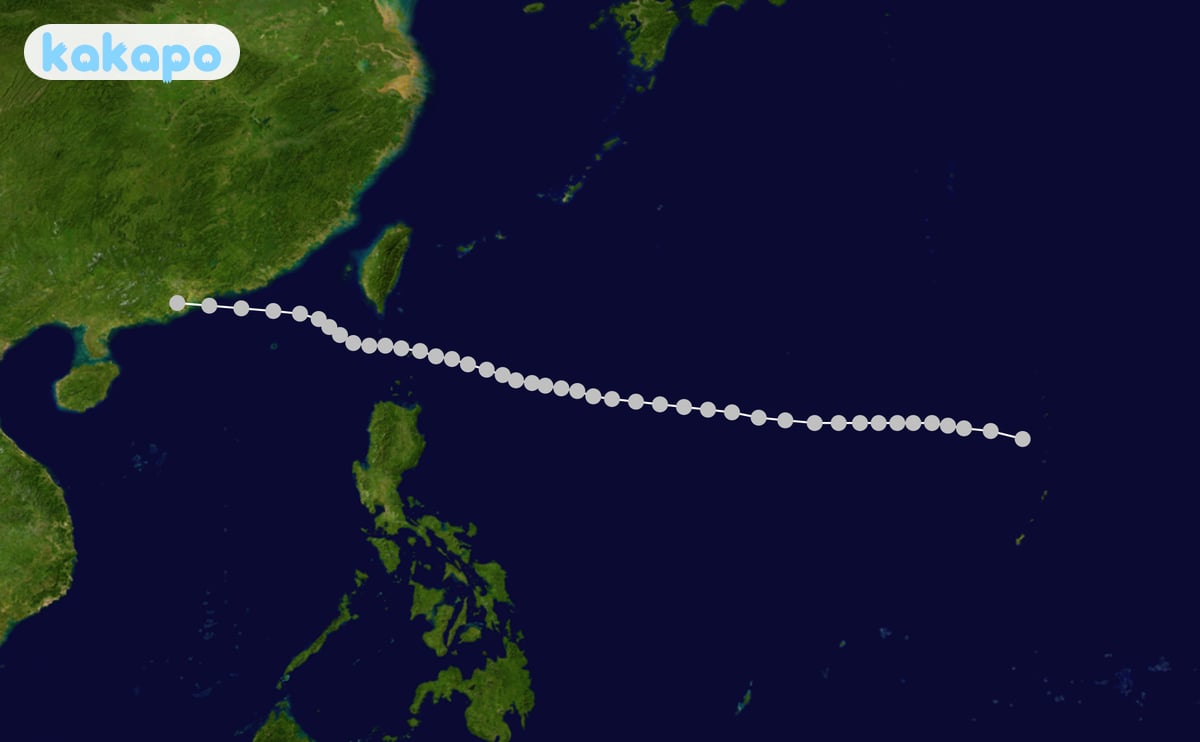
- May-October: typhoon season; September is peak.
- Signal numbers: HKO uses T1, T3, T8, T9, T10. T8 closes most businesses + transport (except MTR).
- Black rainstorm warning: separate; can flood streets in 30 min.
- If T8 hoists during your stay: stay inside. Hotels usually have full storm protocols.
- Travel insurance: confirm typhoon-cancellation cover.
Areas — Central, Tsim Sha Tsui, Causeway Bay, Sai Kung
Recommended for visitors: Central + Sheung Wan (financial district, SoHo nightlife), Tsim Sha Tsui (Kowloon side) (harbour views, museums), Causeway Bay (shopping), Mong Kok (night markets — pickpocket awareness), Stanley + Repulse Bay (south side beaches), Sai Kung (UNESCO Geopark, hiking).
Stay aware: Mong Kok at night for crowds + pickpockets. Otherwise low risk throughout.
Transport — MTR, Octopus, the airport
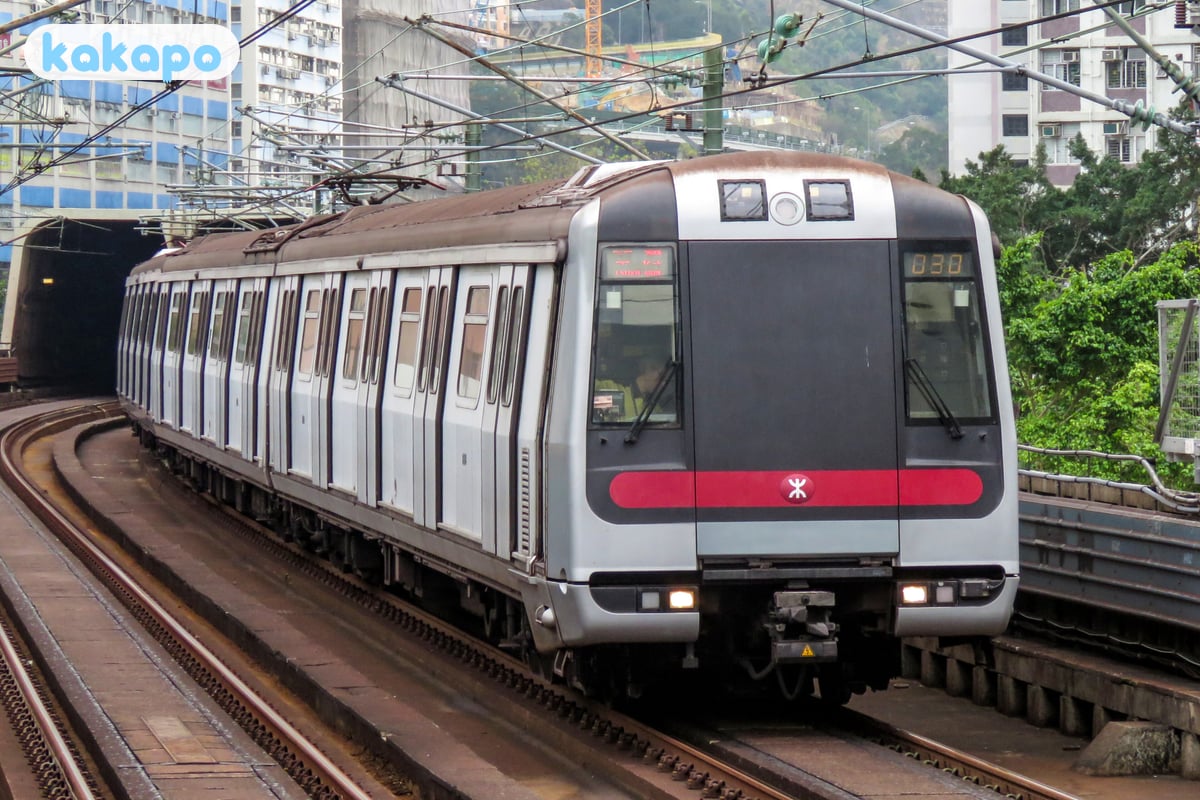
- MTR: world-class. Cheap, clean, fast. The single best tourist transport.
- Octopus card: contactless prepaid for MTR + bus + ferry + 7-Eleven. Buy at any MTR station.
- Star Ferry: Central ↔ Tsim Sha Tsui — iconic + cheap.
- Trams (Hong Kong Island): scenic; slow.
- Hong Kong International Airport (HKG): Lantau, 35 km west. Airport Express train 24 min, HKD 110-115.
- Taxis: red (urban), green (NT), blue (Lantau). Cheap.
Money + cost
- Currency: Hong Kong dollar (HKD).
- Cards: tap-to-pay universal; Octopus is the default.
- Tipping: 10% sometimes added; round-up otherwise.
- Cost: hotels HKD 700-3,000. Dim sum HKD 30-60/dish.
- Tap water: technically safe but most drink bottled.
Where to stay + go — Central, TST, Mong Kok, Kowloon
Hong Kong feels enormous because it spreads across Hong Kong Island, Kowloon, and the New Territories. For first-time visitors, the practical map is small — most of what you'll want is along the harbour on either side.
- Central + Sheung Wan (HK Island): the financial district + Soho restaurants + Hollywood Road antiques. Walkable, expensive, polished.
- Wan Chai + Causeway Bay (HK Island, east of Central): nightlife (Lockhart Road bars), shopping malls (Times Square), the racecourse. Mid-tier hotels here are good value.
- Tsim Sha Tsui / TST (Kowloon, harbour-facing): Symphony of Lights view across to HK Island skyline, the Avenue of Stars, the Cultural Centre. Tourist-dense but spectacular night views.
- Mong Kok (Kowloon, north of TST): street markets (Ladies' Market, Goldfish Market, Flower Market), food stalls, dense and chaotic. Best at night.
- Sai Ying Pun + Kennedy Town (HK Island, west): gentrified, café-and-natural-wine. Quieter than Central.
- Lantau Island: the airport + Disneyland + Big Buddha + Tai O fishing village. Day-trippable; some visitors stay near the airport for a single night.
- The New Territories + Sai Kung: country parks, hiking, the Maclehose Trail. Less than 1h from Central.
- What to avoid as a casual visitor: nothing critical. HK has very low street crime by global standards. Some Mong Kok back alleys at 03:00 are seedy; the rest is fine.
Scams + the Tsim Sha Tsui tailor / camera-shop routine
- Tsim Sha Tsui tailor + electronics tout: men hanging around Nathan Road approach tourists with "Tailor? Suits? Cheap watch?" The pitches lead to no-name shops with wildly inflated prices + hard-sell tactics. Reputable Hong Kong tailors (Sam's Tailor, A-Man Hing Cheong, W.W. Chan) take measurements by appointment, post prices online, and don't tout on the street.
- "Discount camera / lens" shops on Nathan Road: the famous scam — bait-and-switch, the "discount" price applies to a body without battery/lens/warranty. Use established stores (Tin Cheung, Wing Shing Photo on Sai Yeung Choi Street, or HMV) or buy at the airport on departure.
- Pickpocketing in MTR rush hour: low rate but real on Tsuen Wan + Island lines during 08:00-09:30 and 18:00-19:30.
- Restaurant menu without English / price posting: a few tourist-strip places in TST charge HK$200-400 for noodle dishes that are HK$50-80 anywhere else. Ask for the menu with English + prices before sitting.
- Counterfeit ATMs: rare. Stick to bank-branded ATMs (HSBC, Hang Seng, Standard Chartered, Bank of China HK) inside the bank lobby.
- Card-terminal DCC: always pay in HKD, never "your home currency".
- Fake monks soliciting donations: documented in TST + Mong Kok tourist areas. Genuine Hong Kong Buddhist monks don't solicit on the street.
- Octopus card: the contactless smart card for MTR + buses + ferries + 7-Eleven + many other things. Buy at any MTR station (HK$150 with HK$50 deposit). The single best Hong Kong move.
If it's your first time visiting
- Best arrival airport: Hong Kong International (HKG), on Lantau. Airport Express train to Hong Kong Station in Central is HKD 115 in 24 minutes, then free Airport Express shuttle buses to most major hotels. A taxi to Central is HKD 400-450 across the bridge, takes 45 minutes in traffic.
- Buy an Octopus card on arrival at the airport MTR station (HKD 150 with HKD 50 refundable deposit) — works on MTR, all buses, the Star Ferry, trams, 7-Eleven, most fast food, and even the Peak Tram. The single best Hong Kong move. Or load a virtual Octopus via Apple Pay if you have a 2023+ iPhone.
- Best neighbourhood for your first night: Tsim Sha Tsui (TST) on the Kowloon side for harbour-view skyline at night, Central or Sheung Wan on HK Island for nightlife and dim sum, Causeway Bay for shopping and mid-priced hotels. Avoid booking deep into the New Territories for short trips — the commute kills your time.
- Day 1, jet-lag friendly: take the Star Ferry from TST to Central at golden hour (HKD 5, 10-minute ride, world's-best-value sightseeing), walk the Mid-Levels Escalator up through SoHo, dinner dim sum at Lin Heung or Tim Ho Wan, end watching the 20:00 Symphony of Lights show from the TST waterfront. All within 3km, no booking required.
- Common rookie mistakes: standing on the left of the MTR escalator (stand right, walk left — locals will physically tap your shoulder); rejecting business cards or chopsticks handed with two hands without doing the same back; tipping waitstaff (a 10% service charge is usually already added, and they don't expect more); pointing chopsticks at people or sticking them upright in rice; eating dim sum without pouring tea for your dinner companion first; engaging with Nathan Road tailor/camera touts.
- Don't drink the tap water in old buildings. Technically safe but pipe condition in pre-1990s buildings is iffy; stick to bottled or filtered. Hotels are fine.
- Check Hong Kong Observatory before any hiking trip. The MacLehose Trail, Dragon's Back, and Lantau Trail are world-class but unmaintained in Black Rain or Typhoon Signal 1+. Heatstroke is the actual hiking-deaths cause June-September.
- Have your passport on you. Police can spot-check; most accommodation requires it at check-in. Don't bring it across to Shenzhen for the day unless you're prepared for full mainland customs.
Practical info — emergency numbers
- Emergency: 999.
- Police: 999 / 2527 7177 (non-emergency).
- Hong Kong Observatory typhoon hotline: 1878 200.
- Queen Mary Hospital: +852 2255 3838.
- Hong Kong Adventist (private): +852 3651 8888.
Bring: light layered clothing (HK is hot + humid summer, mild + damp winter), umbrella, sunscreen, a contactless card + Octopus, an HK SIM/eSIM (CSL, 3HK, China Mobile HK), travel insurance with typhoon + medical-evacuation cover.
Frequently asked questions
Is Hong Kong safe to visit in 2026?
Yes — Hong Kong is one of the world's safest cities for visitors. Crime against tourists is essentially nil; pickpocketing in Mong Kok night markets is the worst most travellers will encounter. The US State Department lists Hong Kong at Level 2 ("exercise increased caution due to arbitrary enforcement of local laws") and the UK FCDO is similar — both reflect the post-2020 political context rather than street safety. The realistic concerns are the National Security Law (which restricts protest and certain speech but rarely affects tourists in practice), typhoon season May-October, severe summer heat-and-humidity, and cross-border pollution on bad air-quality days.
Is Hong Kong safe at night?
Yes — Central, SoHo, Tsim Sha Tsui, Causeway Bay and Lan Kwai Fong stay alive until late and are well-policed. The Star Ferry runs until 22:30 (the Symphony of Lights show is at 20:00). MTR runs until around midnight on most lines. Mong Kok night markets get genuinely dense and pickpocketing rises in those crowds — front pocket only. Some Mong Kok back alleys at 3am are seedy; the rest of the city is fine. The bar zones along Lockhart Road in Wan Chai have the standard cluster of late-night incidents but no real violence.
Is Hong Kong safe for solo female travellers?
Yes — Hong Kong consistently ranks among the world's best big cities for solo female travel. The MTR is spotless and well-monitored, late-night taxis are cheap and metered, and the high-density restaurant culture means you're rarely alone in a venue. Standard precautions on the Mong Kok night-market pickpockets and at Lan Kwai Fong on weekend nights. Politically, avoid attending or photographing protests — for the rare ones that still happen, walk away rather than document.
Can you drink tap water in Hong Kong?
Technically yes — Hong Kong tap water meets WHO drinking standards and is tested continuously. In practice most residents and visitors drink bottled or filtered because of concerns about pipe condition in older buildings. Hotels provide kettles and bottled water in every room. A refillable bottle is fine if you use a filter or refill from hotel dispensers. The legacy lead-pipe issue that prompted the 2015 Kai Ching Estate scandal has been addressed in newer construction.
What's the biggest scam to avoid in Hong Kong?
The Nathan Road / Tsim Sha Tsui tailor and electronics-shop scams are the most reliably reported. Street touts offering "cheap suits" or "discount cameras" lead to no-name shops with wildly inflated prices and bait-and-switch tactics — reputable Hong Kong tailors (Sam's Tailor, A-Man Hing Cheong, W.W. Chan) take measurements by appointment and post prices online. For cameras and lenses, use Tin Cheung or Wing Shing Photo on Sai Yeung Choi Street, or buy at the airport on departure. Also avoid fake monks soliciting donations in tourist areas (genuine HK Buddhist monks don't solicit on the street), and always pay in HKD on card terminals (never "your home currency" via dynamic currency conversion).
What does the National Security Law mean for tourists?
In practice, almost nothing for visitors — tourists are not the target. The 2020 NSL criminalises secession, subversion, terrorism and collusion with foreign forces; Article 23 (2024) expanded national-security offences. The realistic guidance is: don't attend or photograph political protests, don't post protest material on social media while in Hong Kong, don't carry pro-democracy flags or symbols, and don't criticise the PRC government in public. If you've been on pro-democracy social media or have related content on your phone, be aware that mainland China customs (separate jurisdiction) can search devices on crossings — but Hong Kong itself rarely does. Journalists, activists and people in sensitive political work should consult a press-freedom organisation before travelling. For an ordinary tourist visiting Victoria Peak, the Star Ferry, dim sum and the markets, none of this affects the trip.
Sources
Run a business in Hong Kong?
Show visitors your Hong Kong business is a safe choice. The free Verified by Kakapo badge puts Hong Kong's live safety score on your website, links back to your verified page, and updates itself. No cost.
Get the free badge →