

Is Japan Safe in 2026? A Country Safety Guide
Earthquake preparedness, summer humidity, the Shinjuku Kabukicho tout scams, and the realistic visitor risks of one of the world's safest countries.
Japan is among the world's safest countries — consistently top-10 on the Global Peace Index. Crime against tourists is essentially nonexistent in normal tourist activity. The realistic visitor concerns are earthquake preparedness, summer humidity (35°C+ + 80% humidity makes Tokyo/Osaka/Kyoto brutal in July-August), the very specific Shinjuku Kabukicho 'tout to a bar' scams, and occasional typhoons (Aug-Oct).
US State Department lists Japan at Level 1 (lowest tier). UK FCDO has no overall advisory against travel.
The honest framing: Japan rewards advance planning. Train passes (JR Pass), accommodation in major cities, popular restaurant + ryokan reservations all benefit from booking 1-3 months ahead. Etiquette matters — quiet on trains, queue + bow culture, no tipping. Below: country-wide patterns + links to the city guides.
| Solo female safety | 90/100 |
|---|---|
| Scam / petty-crime risk | Medium |
| Violent crime (tourists) | Low |
| Most common scams | Kabukicho touts in Shinjuku; Roppongi club bill-padding; Illegal airport-taxi pricing at Narita and Haneda |
| Safer neighbourhoods | Tokyo, Kyoto, Hiroshima |
| Data sources cited | 5 |
| Last verified |
Advisory level
- US State Department: Level 1 — lowest tier.
- UK FCDO: no overall advisory against travel.
- Earthquakes + tsunamis: Japan is among the world's most seismically active. Small tremors weekly; modern buildings extensively engineered. Coastal tsunami sirens drilled regularly.
- Typhoons: August-October. Domestic flights + bullet trains can be cancelled. Shinkansen restarts quickly.
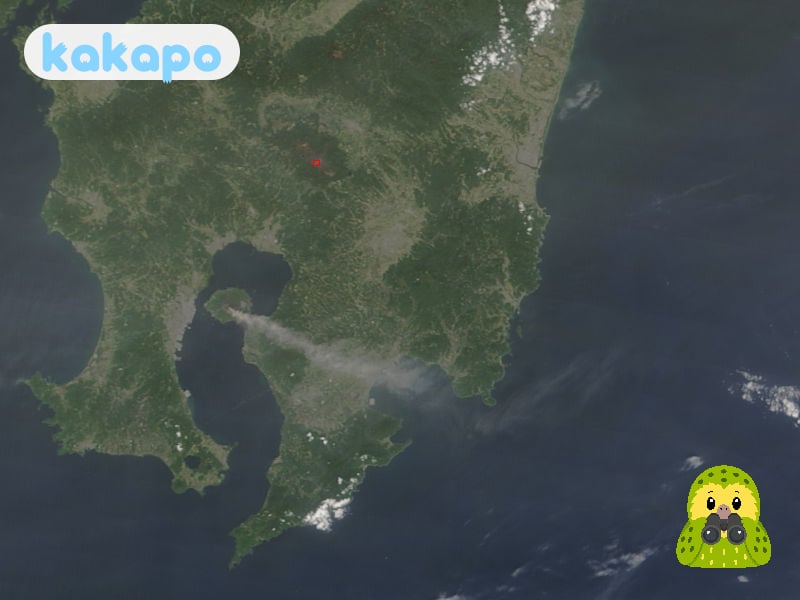
- Volcanic activity: Sakurajima (Kagoshima) is constantly active; Mount Aso, Mount Ontake have erupted in recent years. Mount Fuji is dormant + monitored.
Earthquake preparedness — practical visitor framework
- Frequency: small tremors (3-4 magnitude) multiple times a week, mostly imperceptible. Bigger events (5+ magnitude) every few months. Major events (7+ magnitude) every 5-15 years.
- If you feel sustained shaking: drop, cover, hold. Get under a sturdy table; protect head + neck. Don't run outside (falling-glass risk).
- After the shaking stops: head to designated evacuation zones marked on every block (green-arrow signs). Hotels brief guests on routes.
- Tsunami zones: coastal Japan + island Japan. If a major earthquake feels long (1+ minute), move to high ground immediately — sirens may not catch every event.
- English-language apps: 'Safety Tips' (official Japan Tourism), NHK World app — push earthquake + tsunami alerts in English.
- Phone alerts: J-Alert system pushes warnings to all Japanese SIM cards automatically. Foreign roaming SIMs may not. Consider buying a Japanese SIM for longer stays.
Regional risk picture
- Tokyo + Kanto: world's safest mega-city. Kabukicho touts (Shinjuku) the specific concern. Score band: 90-92.
- Kyoto + Kansai: cultural capital. Same Japan-tier safety as Tokyo. Tourist density at famous shrines + temples the friction.
- Osaka: food capital. Busier + grittier than Tokyo by feel; still very safe by global standards. Dotonbori nightlife requires standard awareness.
- Hokkaido: northern island. Very safe; winter snow + ski-injury are the real risks.
- Okinawa: southern islands. Very safe; tropical-storm season Aug-Oct.
- Hiroshima + western Honshu: very safe + uncrowded.
Scams + the famous Kabukicho touts
- Kabukicho (Shinjuku) 'guide-to-a-bar' touts: English-speaking men (often African or Asian — varies) approach tourists with 'I know a great bar' + lead you to a venue with surprise ¥30,000-100,000+ bills + intimidation when you try to leave. NEVER follow a stranger to a bar in Kabukicho.
- Roppongi club bill-padding: at some clubs, drinks are billed at ¥3,000-5,000 each + women hostesses encourage rapid ordering. Set a budget; pay your tab regularly.
- Illegal airport-taxi pricing: at Narita + Haneda. Use the regulated Limousine Bus (¥3,200), Narita Express (¥3,070), or Keisei Skyliner. Black-suit drivers approaching arrivals are unlicensed.
- 'Massage parlour' solicitations: near Shinjuku + Ikebukuro stations. Decline + walk past.
- Counterfeit luxury goods in Akihabara back-streets: legal grey area; can cause customs problems.
- ATM caution: 7-Eleven + Family Mart + Lawson convenience-store ATMs accept foreign cards reliably. Some bank ATMs don't.
- Card-terminal DCC: always pay in JPY.
Transport — Shinkansen, JR Pass, urban metros
- Shinkansen (bullet train): Tokyo-Kyoto 2h15m; Tokyo-Osaka 2h30m; Tokyo-Hiroshima 4h. Famously punctual.
- JR Pass: 7-day (¥50,000), 14-day, 21-day passes for foreign visitors. Worth it if doing Tokyo + Kyoto/Osaka + Hiroshima.
- IC cards (Suica, Pasmo, Icoca): rechargeable tap cards work on every urban transit in Japan + convenience stores.
- Taxis: regulated + honest; expensive. Uber works in Tokyo + a few other cities but is more expensive than taxis.
- Driving: left-hand side. Tolls heavy. International Driving Permit required.
Featured cities in Japan
Tokyo
92Capital + world's safest mega-city. Kabukicho touts (Shinjuku) the specific concern.
Read the Tokyo safety guide →
Kyoto
91Cultural capital. Same Japan-tier safety; tourist density at famous shrines + temples.
Read the Kyoto safety guide →
Osaka
91Food capital. Busier + grittier than Tokyo; still very safe.
Read the Osaka safety guide →
Hiroshima
92Peace Memorial city. Very safe + uncrowded compared to Kyoto.
Read the Hiroshima safety guide →
Nara
92Day-trip from Kyoto. Deer park + Todai-ji temple. Very safe.
Read the Nara safety guide →
Hakone
90Onsen + Mount Fuji views. Very safe.
Read the Hakone safety guide →
Shibuya
92Tokyo neighbourhood with the famous scramble. Same Japan-tier safety; nightlife around Center-gai busy but safe.
Read the Shibuya safety guide →
Fukuoka
90Kyushu capital. Among Japan's safer cities; ramen + tonkotsu food culture.
Read the Fukuoka safety guide →
Okinawa
86Southern islands. Tropical-storm season Aug-Oct; otherwise very safe.
Read the Okinawa safety guide →
Mt Fuji / Kawaguchiko
84Mt Fuji viewing base. Very safe; mountain weather + Fuji-climb season July-Aug.
Read the Mt Fuji / Kawaguchiko safety guide →
Frequently asked questions
Is Japan safe to visit in 2026?
Yes — among the world's safest countries. Crime against tourists is essentially nonexistent in normal activity. Both US State Department + UK FCDO list Japan at Level 1. Real concerns are earthquakes, summer humidity (35°C+), Shinjuku Kabukicho touts, and typhoon season (Aug-Oct).
What do I do if there's an earthquake?
Drop, cover, hold. Get under a sturdy table; protect head + neck. Don't run outside (falling-glass risk). After sustained shaking (1+ minute), if you're near the coast, move to high ground (tsunami risk). Download Safety Tips or NHK World app for English alerts.
Is the Kabukicho tout problem real?
Yes — well-documented. English-speaking men in Kabukicho (Shinjuku) approach tourists with 'I know a great bar' + lead to venues with surprise ¥30,000-100,000+ bills + intimidation. NEVER follow a stranger to a bar in Kabukicho. Stick to TripAdvisor / guide-recommended venues; book online where possible.
Is Japan safe for solo female travellers?
Yes — Japan consistently ranks among the world's safest countries for solo female travel. Women routinely walk home alone at 2am. Specific concerns: 'chikan' (groping) on packed rush-hour trains — use women-only carriages (pink signs at platform); Kabukicho touts approaching solo women near hotels; Roppongi nightlife requires standard awareness.
Can you drink tap water in Japan?
Yes — Japanese tap water is excellent + heavily-treated. Drinkable + free at every restaurant + many vending machines. Many Tokyoites find the taste better than bottled mineral water.
When is the best time to visit Japan?
Late March to mid-April for cherry blossoms (Tokyo: end-March; Kyoto: early-April; Hokkaido: early-May). October-November for autumn colours. Avoid July-August (brutal humidity + typhoon season) + Golden Week (April 29-May 5, peak Japanese domestic travel).
Should I worry about typhoons?
August-October. Affects flights + Shinkansen; Tokyo + coastal areas may have day-long disruption. Modern Japanese infrastructure handles typhoons well; most visitors only experience canceled outdoor plans, not safety incidents. Check JMA + your airline.
Is Hiroshima safe to visit?
Yes — among Japan's safer cities. The Peace Memorial Park + Museum are tourist-anchored + heavily-visited. The 'radioactive risk' question is moot — Hiroshima's background radiation has been at normal levels for decades; 1.5 million people live there.