


Is Tokyo Safe for Solo Female Travellers? 2026 Guide
Tokyo for solo women — the genuine 24/7 walkability, the women-only train carriages, the Roppongi caveat, the chikan (groper) reality, and how to handle it.

Tokyo is consistently rated among the very safest world capitals for solo female travellers, full stop. The combination of extraordinarily low violent-crime rates, 24/7 functioning urban environment (convenience stores, train stations, lit streets in every district), reliable English-friendly emergency services, women-only train carriages during commuter rush, and a deeply ingrained cultural norm against street harassment makes Tokyo a low-anxiety, high-comfort solo destination that contrasts sharply with most European, American or other Asian capitals.
The honest reads: the famous chikan (train groping) phenomenon is real and has shaped Japanese policy (women-only carriages, signage, prosecution focus). The Kabukicho red-light strip in Shinjuku and the Roppongi nightlife district have real issues — primarily Nigerian-tout scam bars in Roppongi, occasional drink-spiking in Kabukicho, and aggressive sex-industry touts on certain blocks. Outside those specific zones, harassment is so rare that returning solo female travellers describe Tokyo as "the safest I have ever felt in any city".
This guide covers what Tokyo is like for solo women practically, the chikan reality and the women-only carriage system, the Roppongi/Kabukicho specific caveats, the late-night neighbourhood-by-neighbourhood walkability, and the practical safety toolkit.
| Solo female safety | 100/100 |
|---|---|
| Night safety | 92/100 |
| Scam / petty-crime risk | Medium |
| Violent crime (tourists) | Low |
| Most common scams | Nigerian touts in Roppongi; drink-spiking in Kabukicho; chikan (groping) on packed trains |
| Safer neighbourhoods | Ginza, Shimokitazawa, Ebisu |
| Data sources cited | 4 |
| Last verified |
The overall picture — why Tokyo is so safe
- Violent crime rate: Tokyo's homicide and assault rates are among the lowest of any megacity globally, an order of magnitude below London, Paris, or New York.
- 24/7 urban environment: konbini (convenience stores) on every block, train stations as safe waypoints, lit streets and continuous foot traffic in central wards until the last train (~00:30) and after the first train (05:00).
- Police presence: the koban (police box) system places a manned police outpost on most major intersections; officers speak basic English at central kobans (Shibuya, Shinjuku, Ginza, Asakusa, Roppongi).
- Cultural norms: catcalling, street harassment, and persistent approaches by strangers are culturally taboo; solo women dining, drinking, and walking are normalised and unremarked.
- Hotel and ryokan staff: discreet, professional, English-capable at any 3-star+ property; lost-item recovery is famously near-100%.
- The famously-found-property reality: phones, wallets, bags left on trains are returned through the JR/Metro lost-and-found system at a recovery rate not matched anywhere else in the world.
- The very few cautions: chikan on packed trains, Roppongi/Kabukicho specific scams, occasional drink-spiking. Detailed below.
Chikan (groping) — the real issue and the women-only carriages
- The phenomenon: chikan (痴漢) — groping on packed commuter trains — is the documented exception to Japan's near-zero street-harassment record. Mostly occurs during rush-hour crush; victims are predominantly Japanese women, but tourists are not exempt.
- Women-only carriages: JR East, Tokyo Metro, Toei, Keio, Odakyu, Tobu, Seibu and most private lines run women-only carriages during morning rush (typically 07:30-09:30) on weekdays. Usually the front or rear carriage; clearly signed in English on the platform and the carriage itself.
- How to use: just board the marked carriage during the marked hours. Off-hours and weekends the carriage is mixed; off-hours rush-hour density is much lower so chikan risk drops.
- If groped: shout "chikan!" — Japanese culture mandates that bystanders intervene; the perpetrator will usually be physically prevented from leaving. Press the emergency intercom on the carriage. Police take chikan reports very seriously; prosecutions are routine.
- Avoidance discipline: stand near the women-only carriage; bag in front of you; back to the wall or pole; avoid the densest commuter trains (Yamanote Line at Shinjuku/Tokyo/Shinagawa 08:00-09:00) if possible.
- Non-rush hours: chikan is rare outside the rush; midday trains, weekend trains, and late-night Yamanote are normal mixed-use spaces with no specific concern.
Nightlife — the Roppongi and Kabukicho specifics
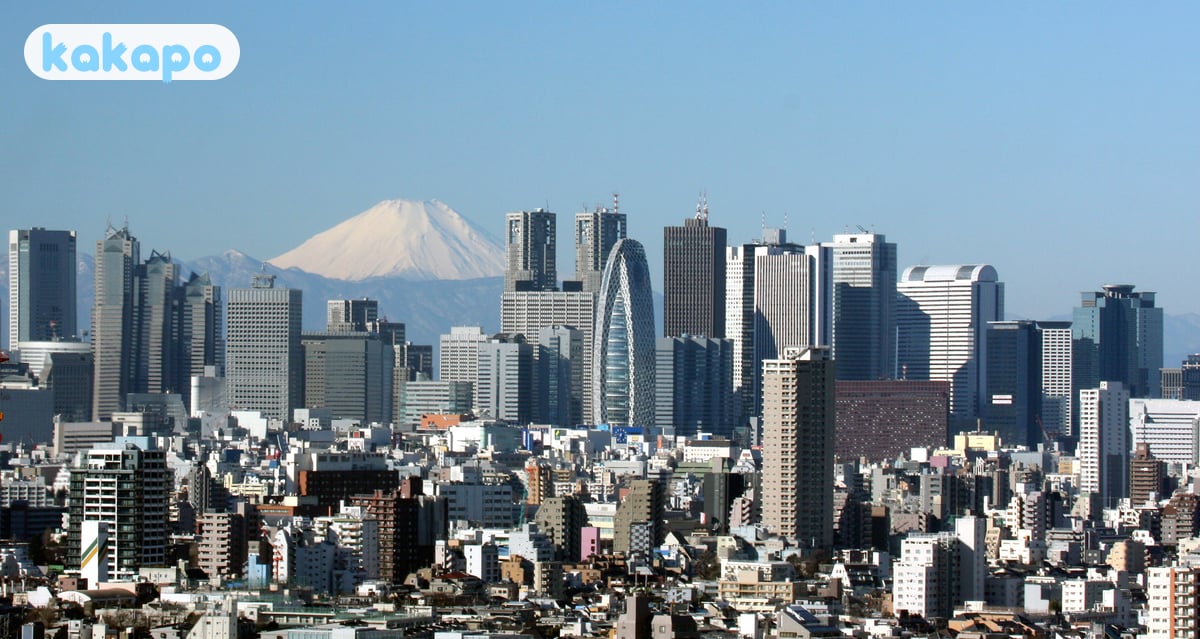
- Roppongi tout-scam bars: the famous "Nigerian touts" on Roppongi Crossing pull tourists into small basement clubs where drinks are €100+ and bills run €500-2,000 with intimidation to pay. US Embassy has issued repeated warnings. Avoidance: do not enter any small basement bar where someone outside is actively soliciting. Stick to established venues (Geronimo Shot Bar, These Library, the rooftop bars).
- Roppongi drink-spiking: documented in tourist-trap bars; reports of credit-card fraud and theft following spiking. Watch your drink, especially in venues with strong tout presence.
- Kabukicho (Shinjuku east of the station): Japan's most famous red-light/host-club district. The "main drag" with the Godzilla head over the Toho cinema is fine; the side streets with aggressive touts (almost always men targeting other men) are best skipped. Solo women walking through Kabukicho main drag at 22:00 is unremarkable and safe.
- Golden Gai (Kabukicho-adjacent): the famously-tiny 200-bar alley district; entirely safe; many bars have ¥1,000-2,000 cover charges; some are foreigner-friendly, others Japanese-only.
- Shibuya nightlife: extremely busy until last train (~00:30); the streets around Center-gai (the pedestrian artery) are walked and policed; comfortable for solo women.
- Late-night transport: trains stop ~00:30 and restart ~05:00; the "ladies-only" taxi services (some companies offer female drivers on request) are an option but standard taxis are entirely safe.
Neighbourhood-by-neighbourhood walkability
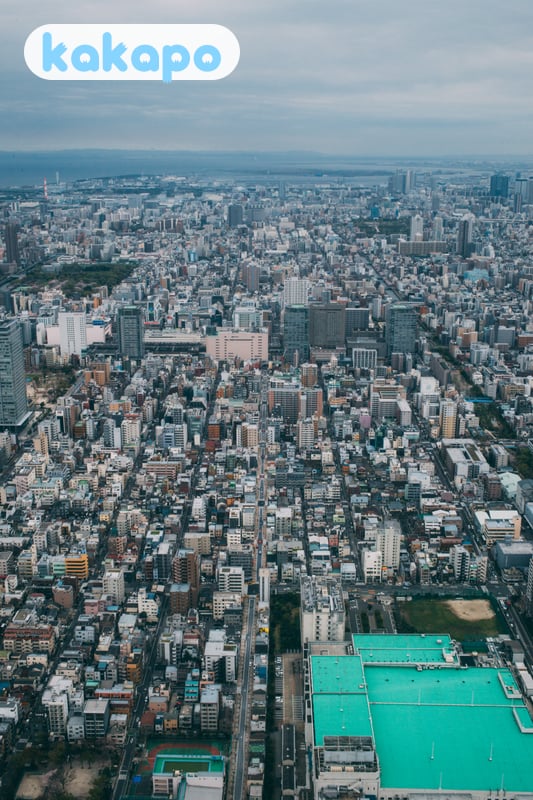
- Shinjuku: dense, lit, 24/7 around the station; west side (skyscrapers) quieter; east side (Kabukicho fringe) busy but safe on main drag.
- Shibuya: busy until last train, then thins; Center-gai, Dogenzaka, Cat Street all comfortable for solo women.
- Ginza: quieter, higher-end; entirely safe at any hour; thinner foot traffic after midnight is just calm, not threatening.
- Asakusa: tourist hub by day, very quiet after Senso-ji closes; calm and safe but most things shut early.
- Roppongi: see nightlife section — avoid the tout-strip basements; established venues fine.
- Ebisu, Daikanyama, Naka-Meguro: gentrified, residential-feel, café/wine-bar scene; among the most pleasant solo-female-friendly evenings.
- Akihabara: electronics and anime district; entirely safe but thins after 22:00.
- Shimokitazawa: vintage and live-music neighbourhood; bohemian, very safe, comfortable until last train.
The solo-female toolkit
- Suica/PASMO card: contactless IC card for trains, buses, konbini; loaded with cash at any station machine; the lifeblood of solo Tokyo.
- Google Maps: excellent in Tokyo including train transfers; pocket-WiFi rental at the airport is the standard data option.
- Late-night safety: konbini are open 24/7 on every block — Family Mart, 7-Eleven, Lawson — and double as safe waypoints with toilets and ATMs.
- Accommodation: women-only floors are offered by several hotels (Sotetsu Fresa Inn, Dormy Inn chain); women-only capsule hotels (Nine Hours, the famous capsule chain) are good budget options.
- Drinking discreetly: solo women at the counter of an izakaya, standing bar, or sushi-counter is unremarked and normal; the staff are professional.
- Onsen and sento etiquette: gender-separated bathing is universal; bring a hand towel, shower thoroughly before entering, no swimwear, tattoos may be restricted at traditional sento (modern facilities are increasingly tattoo-friendly).
- Cultural pointers: bow rather than shake hands; don't tip; ¥1,000 notes are useful; cash is still standard for many small restaurants.
If something happens
- 110 — police emergency. 119 — fire and ambulance. Operators handle English with delay; saying "English please" usually gets a translator.
- Tokyo English Lifeline (TELL): 03-5774-0992 (16:00-23:00 daily) — multilingual crisis support including for harassment and assault.
- Koban (police box): at every major intersection in central wards; the easiest place to report theft, ask for directions, or get help.
- Tokyo Metropolitan Police Sex Crimes Hotline: #8103 — direct line for chikan and other sex-crime reporting; some English support.
- UK Embassy Tokyo: 03-5211-1100. US Embassy Tokyo: 03-3224-5000.
- Lost item: ask at the train station window first (recovery rate is famously high); JR East Lost & Found Center and Tokyo Metro Lost Centre handle persistent claims.
Frequently asked questions
Is Tokyo safe for solo female travellers in 2026?
Yes — Tokyo is consistently rated among the very safest world capitals for solo women. Violent crime rates are an order of magnitude below London, Paris, or New York; the 24/7 urban environment with konbini on every block creates continuous safe waypoints; cultural norms strongly against catcalling and street harassment. The specific cautions are the chikan (train groping) phenomenon at rush-hour crush, the Roppongi tout-scam basement bars, and Kabukicho's aggressive side-street touts (almost always targeting men).
What is chikan and how do I avoid it?
Chikan (痴漢) is groping on packed commuter trains, the one documented exception to Japan's near-zero street-harassment record. It occurs during rush-hour crush (07:30-09:30 weekdays); off-hours risk is low. Defence: use the women-only carriage (front or rear of train on most lines during rush, clearly signed in English). If groped, shout 'chikan!' — bystanders will intervene per cultural norm; press the emergency intercom; police take prosecution seriously.
Is Roppongi safe for solo women?
The streets and established venues are safe; the basement tout-bars are the specific issue. The famous 'Nigerian touts' on Roppongi Crossing pull tourists into small clubs where drinks are €100+ and bills run €500-2,000 with intimidation to pay. US Embassy has issued repeated warnings. Avoid any basement bar where someone outside is actively soliciting. Stick to established venues — Geronimo Shot Bar, These Library, hotel rooftop bars, restaurants on the main streets — and Roppongi is fine.
Is Kabukicho safe for solo women at night?
The main drag (the famous street with the Godzilla head over the Toho cinema, the host clubs, the cinema complex) is fine for solo women — walked, lit, and the aggressive touts target men, not women. The side streets with the deepest tout density are best skipped. Golden Gai (the adjacent tiny 200-bar alley district) is entirely safe; some bars have foreigner-friendly policies, others Japanese-only. Solo women drinking in Golden Gai is normal and unremarked.
Can I walk back to my Tokyo hotel late?
Yes — Tokyo's central wards have continuous lit foot traffic, konbini every 200 metres acting as safe waypoints, and koban (police boxes) at major intersections with English-capable officers. The streets are walked until last train (~00:30) and from first train (05:00). Between those hours streets are quieter but not threatening. Taxis are entirely safe (drivers are professional and metered); ¥1,500-3,000 for most central rides.
Are Tokyo taxis safe?
Yes — Tokyo taxis are among the safest and most professional in the world. Drivers are licensed, metered, white-gloved, and culturally rigorous; the back doors open automatically (don't try to open them yourself). Cash and IC card payment accepted; Uber operates with limited fleet but local taxi apps (Go, S.RIDE) are the standard. Solo women taking taxis at any hour is entirely routine. Some companies offer female drivers on request if preferred.
What is the women-only carriage on Tokyo trains?
JR East, Tokyo Metro, Toei and most private rail lines designate either the front or rear carriage as women-only during morning rush (typically 07:30-09:30 weekdays). The carriage is clearly signed in English on both the platform and the carriage itself. Boarding is straightforward — just stand at the marked area on the platform and board. Off-hours and weekends the carriage reverts to mixed use.
What should I do if something happens?
Dial 110 for police, 119 for ambulance; saying 'English please' usually produces a translator after brief delay. Walk into any koban (police box) at major intersections; central-ward officers speak basic English. Tokyo English Lifeline (TELL) at 03-5774-0992 (16:00-23:00) provides multilingual crisis support including for harassment and assault. Tokyo Metropolitan Police Sex Crimes Hotline is #8103. UK Embassy: 03-5211-1100. US Embassy: 03-3224-5000.
Recent travel news for Tokyo
All travel news →Record rain floods Chiba next to Tokyo: thousands stranded at Narita airport, rail links cut during Bon week
Record rainfall of more than 360mm in 24 hours flooded Chiba prefecture on 13 and 14 August 2026, killing at least eight people, cutting rail, bus and taxi links to Tokyo's Narita airport and leaving thousands of travellers stranded overnight. Central Tokyo was largely unaffected, trains began resuming on Friday morning, and flights were expected to run close to normal.
Tokyo in Japan's record heat spell: heatstroke alerts, 40C days and what visitors should change
Japan has recorded its longest run of 40C days and heatstroke alerts keep covering Tokyo, with three lions dying at a greater Tokyo zoo and record heat compounding earthquake recovery in Kumamoto. Travel is unaffected, but midday outdoor sightseeing carries a real physical risk.
Fatal Bear Attack Suspected in Western Tokyo Mountains
A suspected fatal bear attack occurred in western Tokyo's mountain region on May 19, prompting warnings for hikers and outdoor enthusiasts in the area.
Sources
Run a business in Tokyo?
Show visitors your Tokyo business is a safe choice. The free Verified by Kakapo badge puts Tokyo's live safety score on your website, links back to your verified page, and updates itself. No cost.
Get the free badge →