


Is Taipei, Taiwan Safe? A 2026 Travel Safety Guide
Typhoons, earthquakes, scooter traffic, the China question, night-market food, and why Taipei is genuinely one of Asia's safest capitals.

Taipei consistently ranks among the safest large cities anywhere in the world. Violent crime against tourists is nearly nonexistent; lost wallets are routinely returned via the police; solo women travel late at night without incident.
The genuine concerns are weather and earth movement, not crime. Typhoon season runs July through October and a direct strike will shut the city for 24-48 hours. Taiwan sits on the Pacific Ring of Fire — the magnitude 7.4 Hualien earthquake in April 2024 killed 18 people and damaged buildings across the east coast. Scooter density on Taipei's streets is something to respect when crossing roads. The cross-strait political situation with mainland China generates international headlines but has zero day-to-day impact on visitors.
The US State Department lists Taiwan at Level 1 ("exercise normal precautions"). UK FCDO has no advisories against travel. Both note the standard typhoon and earthquake context. Taiwan has been recognised in successive Numbeo and Global Peace Index rankings as among the safest destinations in the Asia-Pacific.
Visiting Taipei for the first time, the thing that catches most travellers off-guard isn't crime — it's how comprehensively functional and quietly friendly the city is. The MRT is among the world's cleanest (eating and drinking are banned and enforced), 7-Eleven and FamilyMart on literally every corner sell hot meals at 3am, the night markets run late and safely, and Taiwanese hospitality is reserved-but-genuine. Mandarin and Taiwanese Hokkien are the working languages; "Nǐ hǎo" (hello in Mandarin) or "Lí-hó" (hello in Hokkien) opens conversations; "Xièxie" closes them. English is widely understood in tourist zones and among younger people. Beef noodle soup at Lin Dong Fang or Yong Kang costs NT$200-280 (~$6-9), bubble tea NT$45-80, a Shilin Night Market xiao long bao dinner NT$300-500, an MRT ride NT$20-65, the Taipei 101 observation deck NT$600.
In 2026, the specific things that have changed since pre-pandemic include: Taiwan ended its strict COVID border controls in October 2022 and tourism is fully recovered; the post-2024 Hualien earthquake recovery is mostly complete though some east-coast Suhua Highway sections remain restricted; the EasyCard tap-to-pay now covers MRT, buses, YouBike bikes, all 7-Eleven and Family Mart payments, and taxi fares — a single card for everything; the Airport MRT to Taoyuan (TPE) is NT$160 in 35 minutes; the cross-strait military tension produces periodic PLA aircraft incursions but zero practical visitor impact; and the night-market food-hygiene reputation has actually improved since pandemic-era safety reforms.
| Night safety | 89/100 |
|---|---|
| Scam / petty-crime risk | Low |
| Violent crime (tourists) | Low |
| Safer neighbourhoods | Xinyi, Da'an, Ximending |
| Data sources cited | 4 |
| Last verified |
What the score means — 94/100
- Personal safety (94) — exceptional. Lost-property return rates are famously high; petty theft is rare even in night markets.
- Transport (90) — Taipei MRT is world-class clean, frequent, and English-signed; YouBike is everywhere. Scooter density is the trade-off.
- Healthcare (92) — Taiwan's universal health system is excellent; foreign visitors pay cash at top-tier private hospitals (NTU, Taipei Veterans General).
- Air quality (72) — moderate. Winter PM2.5 spikes from mainland China dust events and local traffic; summer is cleaner.
Typhoons — July to October
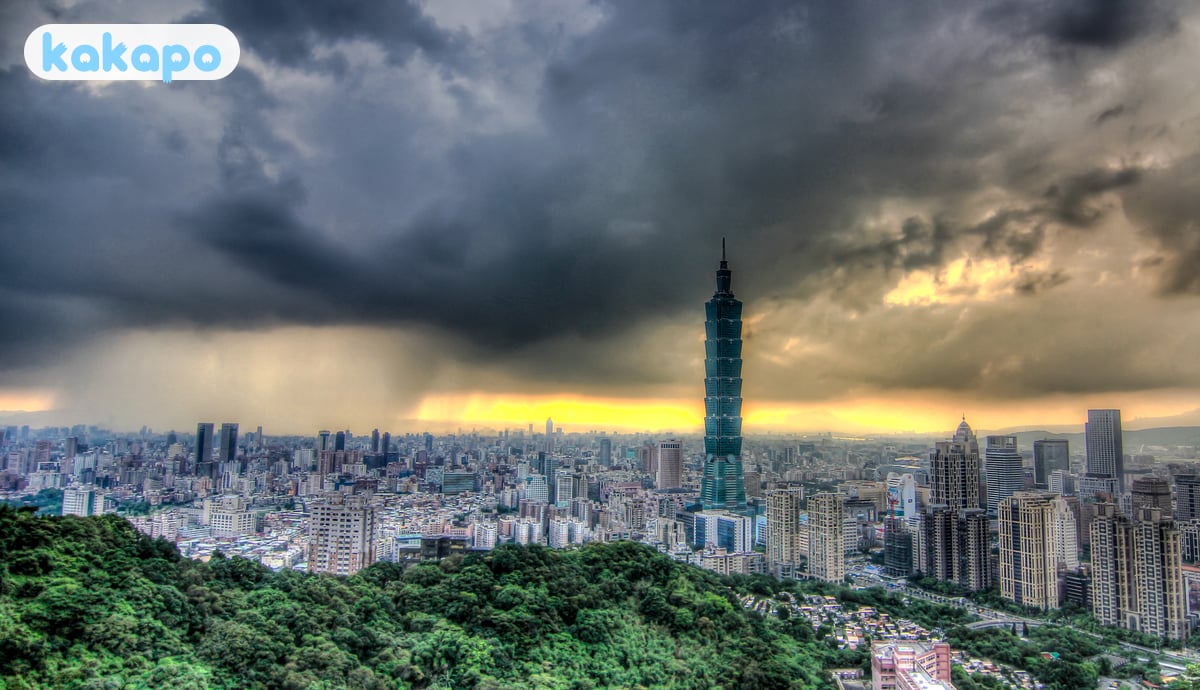
- Season: Jul-Oct, peak Aug-Sep. Taipei averages 3-4 named typhoons making meaningful landfall per year.
- Warnings: the Central Weather Administration (CWA) issues Sea Warning then Land Warning ~24-48 hours before strike. Government and most businesses close on declared "typhoon days" (颱風假).
- What closes: MRT continues running underground; flights and ferries cancel; Taipei 101 observatory closes; Yangmingshan and east-coast roads close to landslides.
- Practical: stock 24-48h of food and water if a Land Warning is declared. Most hotels have generators. Don't try to "see the typhoon" from coastal viewpoints — Yehliu and Jiufen have had tourist deaths from rogue waves.
- Cancellation insurance matters Jul-Oct: airlines re-route, not refund.
Earthquakes — Pacific Ring of Fire
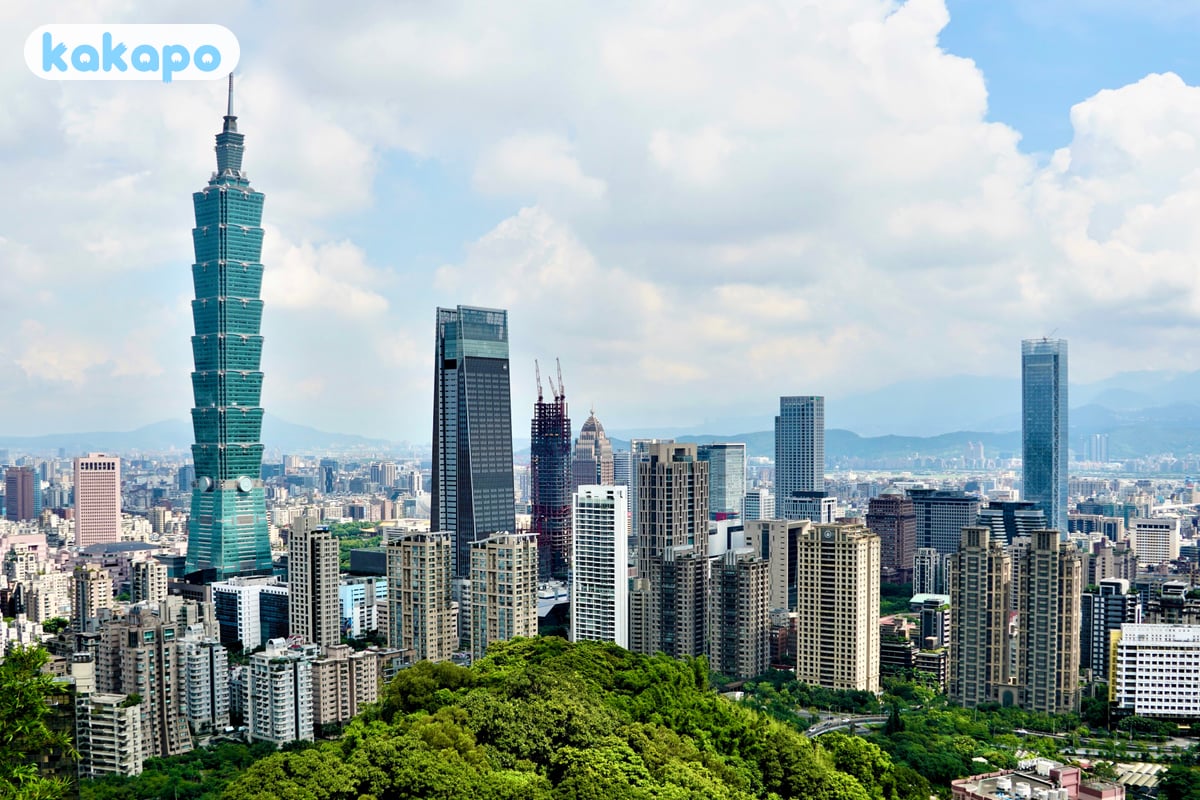
Taiwan sits on the boundary between the Eurasian and Philippine Sea plates. Small tremors are weekly; major quakes are decadal. The April 2024 magnitude 7.4 Hualien event was the largest in 25 years; aftershocks continued for months.
- Taipei specifically: most Taipei buildings post-1999 (the year of the catastrophic Chi-Chi earthquake) are built to strict seismic code. Taipei 101 has a famous 660-tonne tuned mass damper visible to visitors.
- What to do: Drop, Cover, Hold On under a sturdy table. Don't run outside during shaking — falling debris is the larger risk.
- Alerts: register your phone for free PWS (Public Warning System) cell broadcasts. Taiwan's earthquake early warning gives 5-30 seconds advance notice.
- Hualien and the east coast: still has road damage and rockfall risk on the Suhua Highway. Check before driving.
Scooters and crossing the road

- Scooter density: ~14 million scooters in a country of 23 million. At rush hour, a Taipei intersection green light releases a swarm.
- Right turns on red: drivers and scooters routinely turn right while pedestrians have a green walking signal. Look both ways even on a green man.
- Sidewalks: scooters park on and ride across sidewalks. Don't assume the curb is safe.
- If you rent a scooter: an International Driving Permit endorsed for motorcycles is required. Police do check at tourist hubs (Hualien, Kenting). Helmets enforced. Most rental shops in Taipei now refuse foreigners without a Taiwan licence — Kenting and east-coast shops are looser.
- Pedestrian death rate: Taiwan has campaigned heavily on this since being labelled a "pedestrian hell" by international press. Taipei has improved most; Kaohsiung and rural towns less so.
The cross-strait situation — what it actually means for visitors
Mainland China claims Taiwan as a province; Taiwan operates as a self-governing democracy. Chinese military exercises in the Taiwan Strait happen periodically — large ones in August 2022 (after Pelosi's visit) and May 2024 (after Lai's inauguration) generated international headlines.
- Practical impact on tourists: zero. Flights operate, MRT runs, restaurants serve, no curfews, no military presence visible in Taipei.
- What changed in 2024-2025: more frequent PLA aircraft crossings of the median line; periodic naval exercises off the Taiwan coast. None of this affects civilian travel.
- Air-raid drills: Taiwan runs annual Wan-An air-defence drills (typically late July). For 30 minutes, traffic and pedestrians stop. If you happen to be present, follow police direction into the nearest building. It's a drill.
- Don't display PRC flags or political slogans at sensitive sites (presidential office, Liberty Square). Otherwise no political sensitivity for visitors.
Areas — Xinyi, Da'an, Ximending, Beitou
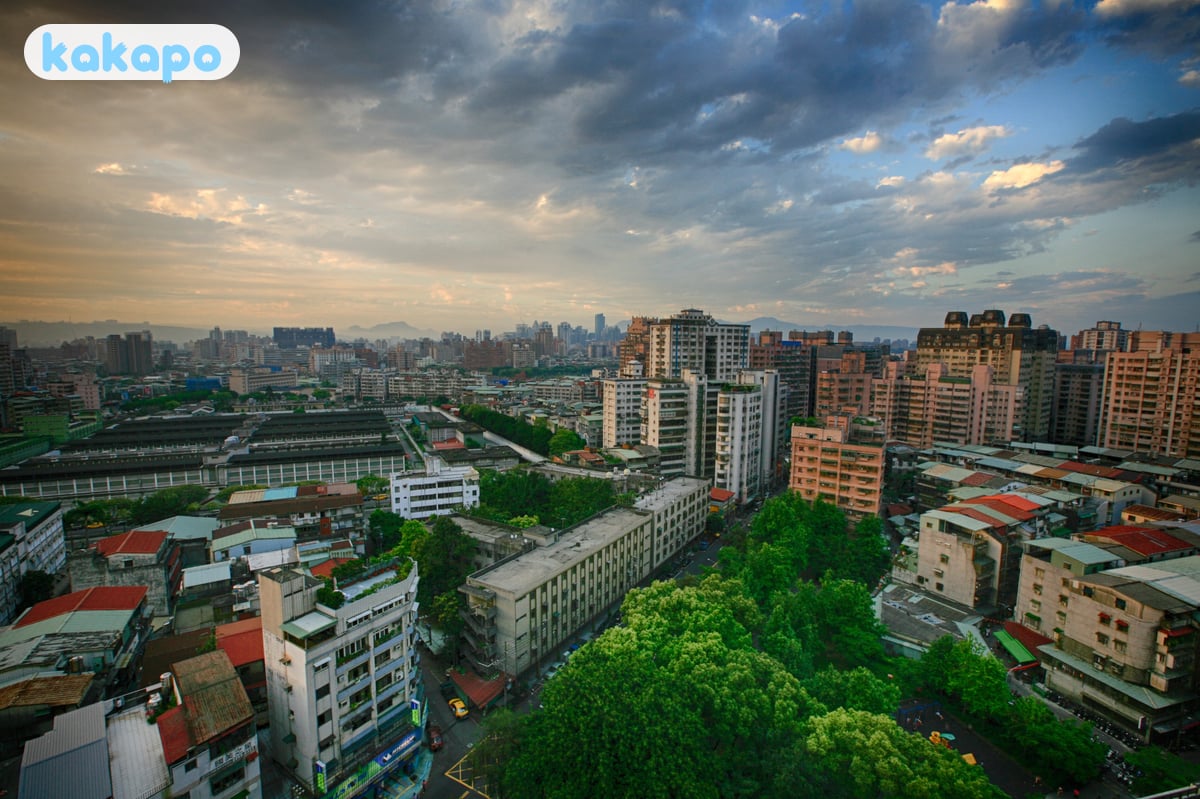
Recommended bases: Xinyi — Taipei 101, malls, business hotels. Spotless, expensive. Da'an — leafy residential and café district, near MRT. Zhongshan — boutique hotels, shopping, well-connected. Ximending — Tokyo-Shibuya-style youth district; busy at night, very safe but loud. Beitou — hot-spring district, 30 min north on MRT, quieter.
Stay aware: Wanhua (Mengjia / Longshan Temple area) at night has Taipei's small red-light scene around Huaxi Street; safe to walk through, just not picturesque. The area around the Taipei Main Station underground mall can be confusing — easy to get lost in 8 levels of corridors.
There are no genuinely dangerous neighbourhoods in Taipei.
Night markets, food, and water
- Night markets: Shilin, Raohe, Ningxia, Tonghua. Food hygiene is generally excellent — Taiwan's hot, humid climate forces high turnover and visible cooking.
- What does cause issues: stinky tofu fermentation isn't your stomach's problem; it's the raw seafood at unrefrigerated stalls (less common). Pick stalls with queues and active turnover.
- Tap water: officially safe in Taipei but locals universally boil or filter it. Hotels provide kettles or bottled water; convenience stores sell 1.5L bottles for NT$25.
- Betel nut (binlang) — sold roadside in glass booths with neon. Carcinogenic; not for tourists.
- Vegetarian/vegan: Taiwan has Asia's strongest Buddhist vegetarian (素食) tradition. Look for the 素 character.
Neighbourhood-by-neighbourhood breakdown
- Xinyi (信義) — Taipei 101, the polished business and shopping district, Eslite bookstore, malls (Mitsukoshi, Bellavita, ATT 4 Fun). Very safe, expensive hotels, spotless streets.
- Da'an (大安) — leafy upmarket residential and café district, Da'an Forest Park, Yongkang Street (beef noodles, mango shaved ice). Very safe, the best base for slow-walk first-timers.
- Zhongshan (中山) — central, boutique hotels, mid-range shopping, the MRT Red Line. Very safe, well-connected.
- Ximending (西門町) — Tokyo-Shibuya-style youth district north-west of Taipei Main Station, pedestrian streets, themed cafés, Red House. Busy late, very safe, loud, the Insta-tourism centre.
- Beitou (北投) — hot-spring district 30 min north on Metro Red Line, the public Beitou Hot Spring (NT$40), Hell Valley sulphur spring, Thermal Valley. Quieter, very safe, the calm half-day escape.
- Shilin (士林) — north, the famous Shilin Night Market, the National Palace Museum. Night-market crowds dense and very safe.
- Wanhua (萬華) — west, the historic old town with Longshan Temple and the Bopiliao Old Street. Small red-light scene along Huaxi Street — visible but very safe. Daytime fully fine and atmospheric.
- Songshan (松山) — east, Raohe Night Market (smaller and more local than Shilin), Songshan Cultural and Creative Park. Very safe.
- Beitou Tianmu / Shilin upper — upmarket residential, embassies, international school zone. Very safe, calm.
If it's your first time visiting
- Best arrival airport: Taipei Taoyuan International (TPE), 35 km west. To centre: Airport MRT NT$160 in 35 min direct to Taipei Main (the standard option, runs every 15 min), bus 1819 NT$140 in 60 min (the budget option), taxi NT$1,200-1,400 fixed-rate.
- Public transport: Taipei MRT (6 lines), buses, YouBike. Get an EasyCard at any MRT station (NT$100 deposit + cash on it) — taps onto MRT, buses, YouBike, 7-Eleven, FamilyMart, taxis. NT$20-65 per MRT ride.
- Best neighbourhood for your first night: Zhongshan or Da'an for centrality and calm, Xinyi for the polished modern feel, Ximending for the youth atmosphere. All within 15-20 min on MRT to anywhere.
- Day 1, jet-lag friendly: drop bags, beef noodle lunch at Lin Dong Fang or Yong Kang Beef Noodle (NT$220-280), afternoon walk through Da'an Forest Park, evening at Taipei 101 (observation deck NT$600 with a clear-air check), late dinner at Shilin or Raohe Night Market (NT$300-500 for a tasting walk).
- Day 2 essentials: National Palace Museum morning (NT$350, the world's finest Chinese art collection), Beitou hot springs afternoon (Hell Valley + public bathhouse NT$40), late afternoon Longshan Temple at golden hour, evening at a Ximending café.
- Day trips: Jiufen and Shifen day-trip combo (the Spirited Away-aesthetic old gold-mining town and the lantern-release railway town, 1h by train + bus), Yangmingshan National Park (hot springs and hiking, 30 min by bus), Hualien and Taroko Gorge (2h by train — note 2024 earthquake damage on parts of the Suhua Highway).
- Common rookie mistakes: eating or drinking on the MRT (banned and fined NT$1,500); ignoring scooter density when crossing roads on a green walking signal (right-on-red is universal); attempting to rent a scooter without an International Driving Permit endorsed for motorcycles (police checks at Hualien and Kenting are real); drinking betel nut (binlang) sold roadside in glass booths (carcinogenic, not for tourists); skipping typhoon planning if visiting July-October.
- For typhoon days: stock 24-48h food/water if Land Warning is declared. Hotels usually have generators. Don't go to coastal viewpoints — Yehliu and Jiufen have had tourist deaths from rogue waves during typhoons.
- Tap water is officially safe but locals filter or boil it. Hotels provide kettles and bottled water. EasyCard works at any 7-Eleven for snacks and drinks.
Money, transport, emergency numbers
- Currency: New Taiwan dollar (NT$ / TWD). $1 ≈ NT$32.
- Cards: increasingly accepted in cities, but cash still rules at night markets, taxis, and small shops. ATMs at 7-Eleven take foreign cards.
- EasyCard: NT$100 deposit at any MRT station. Taps onto MRT, buses, YouBike, 7-Eleven, Family Mart. Essential.
- Taoyuan Airport (TPE): 35 km west. Airport MRT NT$160 (35 min express to Taipei Main). Bus 1819 NT$140 (60 min). Taxi NT$1,200-1,400.
- Emergency: 110 (police) / 119 (fire and ambulance) / 112 (mobile any-network). Tourist hotline 0800-011-765 (24h, English).
- Hospitals: National Taiwan University Hospital (+886 2 2312 3456); Taipei Veterans General (+886 2 2871 2121); Adventist Hospital (+886 2 2771 8151, English-friendly).
Frequently asked questions
Is Taipei safe to visit in 2026?
Yes — Taipei consistently ranks among the safest large cities anywhere. Violent crime against tourists is nearly nonexistent; the US State Department lists Taiwan at Level 1 and the UK FCDO has no advisories. Lost wallets are routinely returned via the police, and solo women travel late at night without incident. The genuine concerns are weather and earth movement rather than crime: typhoon season July-October, the Pacific Ring of Fire earthquake context (the April 2024 magnitude 7.4 Hualien quake killed 18 and damaged east-coast buildings), scooter density on the streets, and winter PM2.5 spikes from cross-strait dust events. The cross-strait political situation with mainland China generates international headlines but has zero day-to-day impact on visitors.
Is Taipei safe at night?
Yes — Xinyi, Da'an, Ximending, Zhongshan and the night markets are calm and busy until late. The MRT runs until around midnight and is spotless and well-lit. Ximending stays alive past 1am with Tokyo-Shibuya-style youth crowds; very safe but loud. Wanhua (around Longshan Temple) has Taipei's small red-light scene along Huaxi Street — safe to walk through, just not picturesque. There are no genuinely dangerous neighbourhoods in Taipei.
Is Taipei safe for solo female travellers?
Yes — among the very best Asian destinations for solo female travel. Late-night metro rides, walking back from night markets, and dining alone are all routine and feel safe. Standard precautions in the rare touted-bar areas near Linsen North Road. Scooter density is the more practical concern — look both ways even on a green walking signal because drivers and scooters routinely turn right on red, and don't assume sidewalks are scooter-free.
Can you drink tap water in Taipei?
Officially yes — Taipei tap water meets the legal standard. In practice locals universally boil or filter it because of older building pipes and a general cultural preference for hot water. Hotels provide kettles or bottled water in every room; convenience stores sell 1.5L bottles for NT$25. A refillable bottle is fine if you use a filter or stick to dispensed water at hotels and restaurants.
What's the biggest scam to avoid in Taipei?
Taipei has very little organised tourist-scam culture by Asian standards. The recurring practical traps are unofficial "private Taroko Gorge" or "private hot-spring" brokers (use Klook, KKday or the Taiwan Tourism Bureau site to book), scooter-rental shops on the east coast that rent to foreigners without an International Driving Permit endorsed for motorcycles (police checks at tourist hubs do happen and the fine and impound is real), and Taoyuan Airport arrival taxi negotiations (use the Airport MRT for NT$160 in 35 minutes, or the metered taxi rank at fixed NT$1,200-1,400). Card terminals occasionally pitch DCC — always pay in TWD.
What about the cross-strait political situation with China?
Practical impact on tourists in 2026 is zero. Flights operate normally, MRT runs, restaurants serve, no curfews, no visible military presence in Taipei. Chinese military exercises in the Taiwan Strait do happen periodically — the August 2022 (post-Pelosi) and May 2024 (post-Lai inauguration) rounds generated headlines but didn't disrupt civilian travel. Taiwan runs annual Wan-An air-defence drills (typically late July) where for 30 minutes traffic and pedestrians stop and police direct people into the nearest building — it's a drill, follow instructions, and life resumes immediately. Don't display PRC flags or political slogans at sensitive sites like the presidential office or Liberty Square. Register for free PWS cell broadcasts on your phone; Taiwan's earthquake early warning gives 5-30 seconds advance notice.
Sources
Run a business in Taipei?
Show visitors your Taipei business is a safe choice. The free Verified by Kakapo badge puts Taipei's live safety score on your website, links back to your verified page, and updates itself. No cost.
Get the free badge →