


Tokyo Yamanote Line: Pickpocket & Chikan Safety 2026
Why Japan's busiest commuter loop is statistically the safest in the world — and the three specific risks (chikan, lost-property, the rare organised-pickpocket ring) that aren't zero.

The Yamanote Line (山手線) is statistically among the safest major commuter rail lines on Earth — 30 stations, 34.5km loop, ~3.5 million passengers per weekday, and a violent-crime rate so low that the line is regularly used as the global reference for "what excellent transit safety looks like". JR East publishes detailed crime statistics annually; violent incidents on Yamanote trains run at a few dozen per year across that 1.3 billion annual passenger volume. By comparison, the London Underground reports approximately 100x the per-passenger rate.
That said, "safest in the world" is not "zero". The three actual residual risks are well-documented and well-policed: chikan (痴漢, groping) which concentrates in rush-hour packed carriages and primarily affects women and schoolgirls; the extreme rush-hour crush (Yamanote can hit 200% capacity at the 08:00 peak — physically unsafe in ways that aren't crime); and a small handful of organised-pickpocket reports against tourists in the loop's busiest stations (Tokyo, Shinjuku, Shibuya, Ueno) which Tokyo Metropolitan Police investigates as a low-frequency but real problem.
This guide is the 2026 picture — what to actually worry about, how the women-only carriages work, the chikan reporting mechanism, and how to use the Yamanote at any hour without becoming the rare statistic.
| Night safety | 92/100 |
|---|---|
| Scam / petty-crime risk | Medium |
| Violent crime (tourists) | Low |
| Most common scams | chikan (groping) in rush-hour packed carriages; organised pickpocket rings at Shibuya and Tokyo Station; extreme rush-hour crush on the Yamanote Line |
| Safer neighbourhoods | Shinjuku, Shibuya, Ueno |
| Data sources cited | 4 |
| Last verified |
Yamanote 101 — the loop and the stations
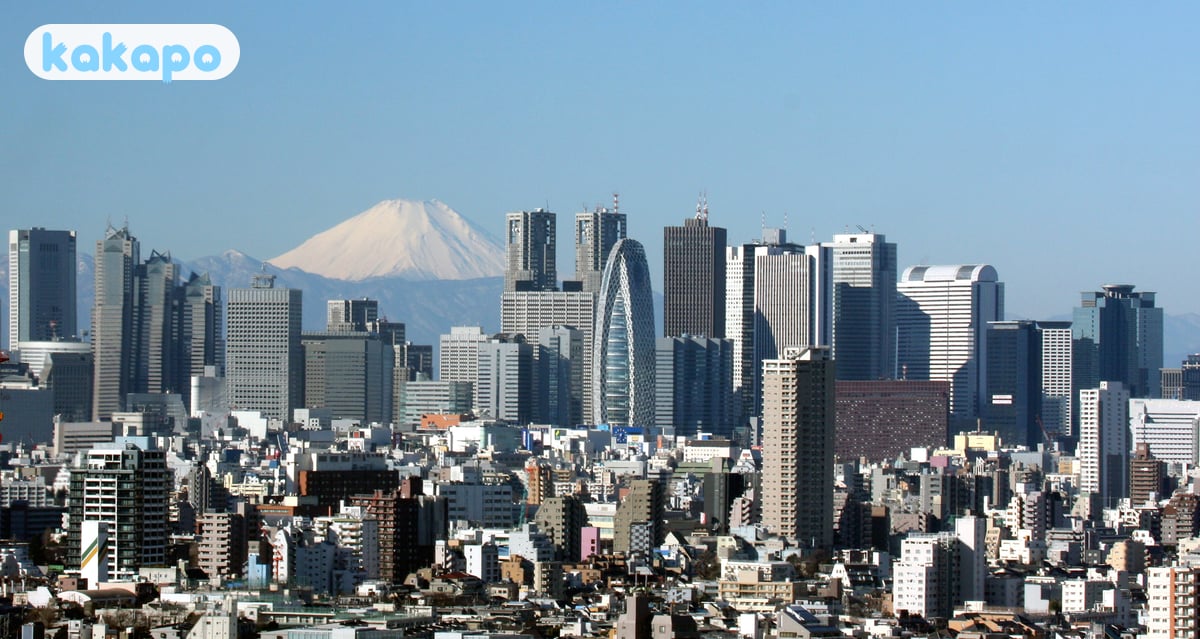
- The loop: 34.5km circular line. 30 stations. Counterclockwise (uchi-mawari) and clockwise (soto-mawari) trains run continuously.
- Frequency: trains every 2-4 minutes during the day; every 5-7 minutes early morning and late evening. Service typically 04:30-01:00.
- The busiest stations: Shinjuku (3.5M passengers/day across all lines), Shibuya, Ikebukuro, Tokyo, Ueno. Each has full-time JR security staff plus Tokyo Metropolitan Police koban (police boxes).
- The 100% tourist stations: Tokyo (for Marunouchi), Shinjuku, Shibuya, Harajuku, Ueno, Akihabara, Tokyo Station shinkansen platforms.
- Train design: E235 series; 11 cars; women-only carriages marked at the platform (specific time windows).
- Fare: ¥150-300 with Suica/Pasmo IC card; ~¥160 for short hops. Buy a Welcome Suica from JR East counters at airports/major stations for tourist tap-in/tap-out.
Chikan (groping) — the documented risk
- What it is: chikan (痴漢) refers specifically to the groping of women and schoolgirls in crowded trains. JR East and Tokyo Metropolitan Police treat it as a serious crime; convicted chikan offenders face up to 6 months prison and ¥500,000 fines under the Anti-Nuisance Act.
- When and where: rush hour (07:30-09:00), packed carriages, low-visibility crush. The Yamanote, Saikyo, Sobu, Chuo and Tokyo Metro lines all have reported cases. Last car of a Yamanote train at 08:15 between Shinjuku and Tokyo is statistically the highest-risk window.
- Frequency: hundreds of reported incidents per year on the JR network in Tokyo; the actual incidence is believed to be many times higher due to underreporting. Almost universally affects women and minors.
- Women-only carriages: 女性専用車両 — marked in pink at the platform, typically first or last carriage on most JR lines, operated during specified hours (Yamanote: not formally women-only during all hours; the Saikyo, Chuo, Sobu and Tokyo Metro lines do have full women-only carriages during peak hours). Check the platform sign.
- If chikan happens: shout 「痴漢です!」 ("chikan desu!"); grab the offender's hand; the surrounding passengers will hold the offender; pull the emergency call button or notify the station staff at the next stop. Reporting at the police koban is straightforward.
- "Chikan voice" emergency apps: the police-app 「痴漢レーダー」 (Chikan Radar) provides a fake-call emergency-recording function for women travelling alone.
Pickpocketing — what's actually documented
- The baseline: pickpocketing is rare in Japan compared to European or American norms. Tourists routinely leave phones on café tables and backpacks unzipped without incident.
- The exception: a small number of organised pickpocket rings have been documented operating in the Yamanote's tourist stations — Tokyo, Shinjuku, Shibuya, Ueno — particularly during cherry blossom season (March-April) and autumn (October-November). The rings are typically foreign nationals (mainly Eastern European and South American) targeting visibly-tourist marks.
- The targets: backpack outer pockets (passport, wallet, phone), waist-bag outer pockets, jacket back-pockets in dense crowds at Shibuya scramble approaches or Tokyo Station shinkansen approaches.
- The 2024-2025 incidents: Tokyo Metropolitan Police arrested several pickpocket rings; the publicly-reported incident count remains low (low single digits per major station per month).
- The practical rule: front-pocket phone in crowded approaches to Shibuya scramble, Tokyo Station shinkansen platforms, and Ueno Park during festivals. Standard worldwide practice; Yamanote-specific only in the sense that these are the busiest tourist crush points.
- What's not happening: organised gang pickpocketing on the trains themselves is essentially non-existent. The risk is at the station approaches, not on the moving train.
Rush-hour crush — the non-crime risk
- The crush: peak Yamanote loads ~200% of nominal capacity during 07:30-09:00 weekday rush. JR East "pushers" (oshiya) historically helped pack passengers; mostly automated now but the physical sensation is intense.
- Why it matters: not crime, but the physical risk profile is real — fainting, panic attacks for first-timers, bag/item compression. Strollers and large luggage are not workable.
- The fix: avoid Shibuya↔Shinjuku↔Tokyo segments 07:30-09:00. Travel before 07:00 or after 09:30. Counter-peak direction (e.g. outbound from Tokyo at 08:00) is comfortable.
- Friday night: similar crush 17:30-19:30. Plan around.
- Drinkers on Friday night: standard salaryman-after-work crowd; loud but harmless.
- For tourists with luggage: use Narita Express, Yamanote Line Sunday/holiday-quiet windows, or skip the loop and use the parallel Chuo Rapid (Tokyo to Shinjuku in 14 minutes vs the Yamanote's 25 minutes).
Lost property — the Japan superpower
- The fact: Japan's lost-property recovery rate is the highest in the world. JR East recovers and returns ~85% of items reported within 24 hours on the Yamanote.
- The system: any item left on a Yamanote train is collected by the cleaning crew at the terminal, logged into the JR Lost Property Centre database, and held for 7 days at the originating station. After 7 days items move to the Tokyo Metropolitan Lost Property Centre (Iidabashi) for further holding.
- How to recover: report to any JR East station window with description (line, time, station). English-speaking staff available at the major hubs.
- JR East Lost Property hotline: 050-2016-1603 (English line; 24/7).
- The cultural point: there's a near-zero theft layer — items left untouched on benches, even in the busiest stations, are routinely there hours later or handed in to staff.
Practical info — emergencies and the women-only carriage map
- Emergency on the train: emergency call button (SOS, marked clearly) in each carriage. Notify station staff at the next stop. JR security responds in minutes.
- Police emergency: 110.
- Tourist Police (English-speaking): #9110 (non-emergency); major-station koban have English-capable officers.
- Lost property: 050-2016-1603 (JR East English line).
- Women-only carriages: not full-time on the Yamanote in 2026; check the platform pink-sign markers for operating hours. The Saikyo Line (which shares Yamanote-direction service for parts of the loop) does run women-only carriages during morning rush.
- Best apps: NAVITIME (route planning), Suica/Pasmo (IC payment), Japan Travel by NAVITIME (English).
- Last train: ~01:00 from Tokyo; first train ~04:30. The four-hour gap is the standard Tokyo nightlife planning problem.
Frequently asked questions
Is the Yamanote Line safe?
Yes — it's statistically among the safest major commuter rail loops on Earth. ~1.3 billion annual passengers; violent incidents in the dozens per year. JR East publishes detailed safety data. The residual risks are chikan (groping in rush-hour crush, affecting women and minors), the physical rush-hour crush itself (200% capacity at 08:00), and a small number of organised-pickpocket incidents at tourist hubs.
What is chikan and how do I report it?
Chikan (痴漢) is the groping of women and schoolgirls in crowded trains. It's prosecuted under Japan's Anti-Nuisance Act — up to 6 months prison and ¥500,000 fines. If it happens: shout '痴漢です!' (chikan desu!), grab the offender's hand, surrounding passengers will hold them, then notify station staff or hit the emergency button. Report at the next station's police koban; English assistance available at major hubs.
Are there women-only carriages on the Yamanote?
Not full-time on the Yamanote itself in 2026 — check the platform pink-sign markers for current operating hours. The Saikyo Line (which shares track with parts of the Yamanote-direction route) runs women-only carriages during morning rush hour 07:20-09:30 on weekdays. The Tokyo Metro lines have more extensive women-only carriage programmes.
Is pickpocketing a problem on the Yamanote?
Rare on the trains themselves. A small number of organised pickpocket rings (typically foreign nationals) operate at the Yamanote's busiest tourist stations — Tokyo, Shinjuku, Shibuya, Ueno — particularly during cherry blossom and autumn peak seasons. Standard front-pocket-phone awareness at Shibuya scramble approaches and Tokyo Station shinkansen platforms is enough.
What time is the Yamanote Line most crowded?
07:30-09:00 weekday rush hour can hit 200% of nominal capacity, particularly Shinjuku↔Tokyo. Friday evening 17:30-19:30 has similar crush. Tourists with luggage should avoid these windows or use the parallel Chuo Rapid (Tokyo to Shinjuku in 14 minutes). Counter-peak direction is comfortable; weekends never crush.
What do I do if I lose something on the Yamanote?
Report to any JR East station window or call 050-2016-1603 (English line, 24/7). JR East recovers ~85% of items within 24 hours. Items are held 7 days at the originating station, then transferred to the Tokyo Metropolitan Lost Property Centre (Iidabashi). Japan's lost-property return culture is the global benchmark.
Is the Yamanote safe at night?
Yes — service runs until ~01:00 and the late trains are comfortable, never crowded. Standard awareness applies; the rare nighttime safety incident is a drunk salaryman falling onto the tracks rather than crime against tourists. First trains resume ~04:30. The four-hour gap (01:00-04:30) is the Tokyo late-night planning question — taxi or stay out until first train.
Recent travel news for Tokyo
All travel news →Record rain floods Chiba next to Tokyo: thousands stranded at Narita airport, rail links cut during Bon week
Record rainfall of more than 360mm in 24 hours flooded Chiba prefecture on 13 and 14 August 2026, killing at least eight people, cutting rail, bus and taxi links to Tokyo's Narita airport and leaving thousands of travellers stranded overnight. Central Tokyo was largely unaffected, trains began resuming on Friday morning, and flights were expected to run close to normal.
Tokyo in Japan's record heat spell: heatstroke alerts, 40C days and what visitors should change
Japan has recorded its longest run of 40C days and heatstroke alerts keep covering Tokyo, with three lions dying at a greater Tokyo zoo and record heat compounding earthquake recovery in Kumamoto. Travel is unaffected, but midday outdoor sightseeing carries a real physical risk.
Fatal Bear Attack Suspected in Western Tokyo Mountains
A suspected fatal bear attack occurred in western Tokyo's mountain region on May 19, prompting warnings for hikers and outdoor enthusiasts in the area.
Sources
Run a business in Tokyo?
Show visitors your Tokyo business is a safe choice. The free Verified by Kakapo badge puts Tokyo's live safety score on your website, links back to your verified page, and updates itself. No cost.
Get the free badge →