


Is Tainan, Taiwan Safe? A 2026 Travel Safety Guide
Brutal summer heat, the working-temple etiquette, food-capital street food, southern Taiwan typhoons, and the realities of Taiwan's oldest and most-historic city.

Tainan — population ~1.9 million, Taiwan's oldest city in the southwest — was the Dutch colonial capital (1624-1662), then Ming/Qing provincial capital, then Japanese-administrative city. Modern Tainan is Taiwan's "food capital" and one of the country's most-historic cities (Tainan-style temples, Anping Old Street, Confucius Temple, the original 17th-century forts). Crime against tourists is essentially nonexistent.
The honest concerns are mostly environmental and practical. Tainan is among Taiwan's hottest cities — summer (June-September) regularly 33-37°C with humidity; tropical-Pacific air mass stalls. The working-temple culture (Tainan has 1,000+ temples — more per capita than anywhere in Taiwan) has etiquette expectations: don't burn paper money or step on temple thresholds. The food-capital reputation means street food everywhere — generally safe but stomach calibration normal first day. Southern Taiwan catches direct typhoon strikes regularly (Typhoon Krathon in October 2024 hit southwest Taiwan including Tainan area as Cat 4-5; multiple deaths and weeks of recovery in some areas). Air quality in winter is moderate to poor — same Yunlin/Changhua coal-plant cluster as Taichung.
The US State Department lists Taiwan at Level 1; UK FCDO has no advisories. Both note the standard typhoon and earthquake context.
| Night safety | 82/100 |
|---|---|
| Scam / petty-crime risk | Low |
| Violent crime (tourists) | Low |
| Safer neighbourhoods | Central Tainan, Anping, Eastern District |
| Data sources cited | 4 |
| Last verified |
What the score means — 88/100
- Personal safety (95) — exceptional; Taiwan-quiet.
- Transport (84) — Tainan Airport (TNN, small); Taiwan HSR (50 min from Taipei to Zuoying then 30 min on TRA + bus to Tainan central); local bus network; scooter-dominated traffic.
- Healthcare (86) — National Cheng Kung University Hospital and Chi Mei Medical Center are top-tier regional referrals.
- Air quality (72) — moderate; central-southwest Taiwan industrial-cluster pollution; coastal-breeze days clearer.
Summer heat — Tainan's southern furnace
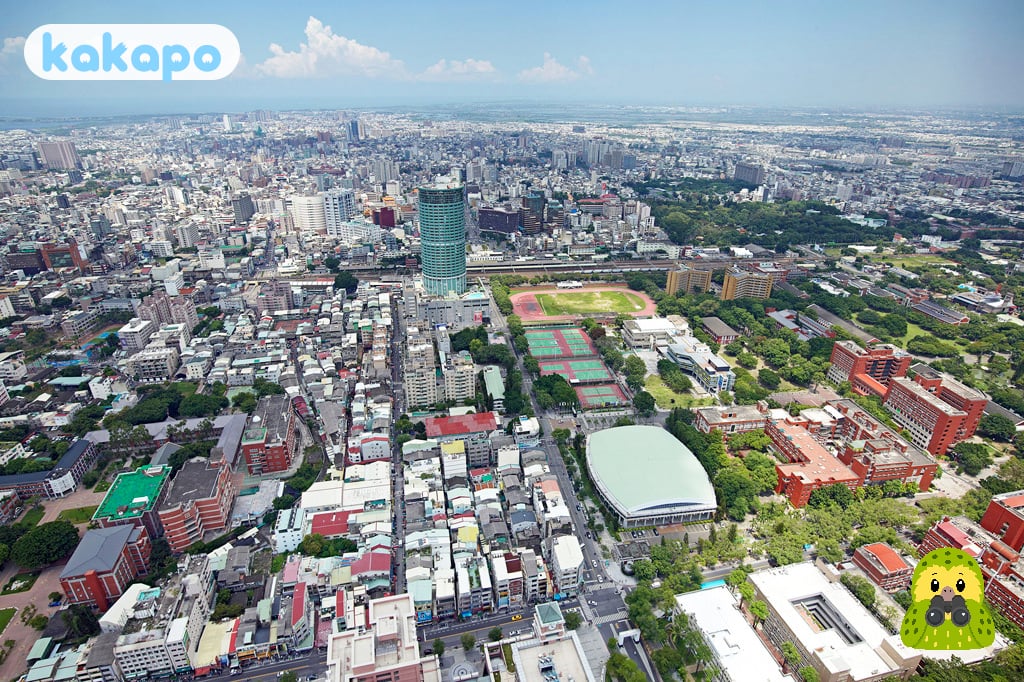
- Numbers: June-September 32-37°C with humidity; heatwave events 38-39°C; Tainan is consistently among Taiwan's hottest cities.
- Why: southwest coastal location, low elevation, tropical-Pacific air mass that stalls.
- Heatstroke: Taiwan saw a heatwave-related ED admission spike summer 2024 across the island. Tourists who underestimate over-represented.
- Defences: aggressive hydration (3-4L water/day); indoor mid-day breaks (Mitsui Outlet Park Tainan, Shin-Kong Mitsukoshi malls AC-cold); avoid 11:00-15:00 outdoor temple-hopping; cotton long sleeves.
- Best windows: November-March (mild, 18-25°C, peak tourist); avoid June-September unless attending specific events.
- Lunar New Year period (Jan-Feb): pleasant weather + temple-festival activity peak; popular with Taiwanese visitors.
Working-temple etiquette
Tainan has 1,000+ active temples — Taoist, Buddhist, folk-religion. Many house centuries of continuous worship; respectful behaviour matters.
- Headline temples: Confucius Temple (Taiwan's first; built 1665; NT$50 entry); Grand Mazu Temple (Tainan's central deity-protector); Koxinga Shrine (memorial to the Ming loyalist who took Taiwan from the Dutch); Five Concubines Temple; Shennong Street temples.
- Etiquette inside: bow respectfully at the threshold (don't step on the raised threshold — step over); incense offering optional (provided NT$50-100 for set); no flash photography in inner shrines; men remove hats; modest dress (no shorts above knee, no tank tops).
- Don't take selfies posing as deities: causes serious offence.
- Burning paper money / joss paper: traditional offering at outdoor furnaces; don't burn things you brought yourself; use temple-provided.
- Dragon Boat Festival, Ghost Month (Jul-Aug): temple activity peaks; processions on streets; respectful spectator behaviour.
- Photography of fortune-telling and prayer: OK for ambient shots; avoid close-up of individual worshippers.
- Tianhou Temple (Anping): working sea-goddess Mazu temple; cosplay Mazu pilgrim outfits sold for fun but be respectful of meaning.
Tainan food capital — what to eat and stomach calibration
- Tainan's reputation: Taiwan's oldest food traditions; sweeter than northern Taiwan; many century-old family restaurants.
- Must-eats: dan-zai (slack-season noodles — at Du Hsiao Yueh, the original since 1895), shrimp roll (xia-juan), milkfish (sabahin) breakfast, beef soup (niurou tang), Tainan-style coffin bread (guancai-ban), guabao (pork-belly bun).
- Famous stalls: A-Sung Beef Soup (open 04:00-08:00), Yikuanggu Tainan Beef Soup, Guo's Coffin Bread, Yong-Ji Tofu Pudding.
- Hygiene: high turnover means generally safe; pick busy stalls; avoid pre-cooked items sitting at room temperature.
- Stomach calibration: Tainan food is sweeter than expected (sugar in soy sauces, in everything); your stomach may need a day to adjust. Bring loperamide.
- Markets: Yongle Market for traditional ingredients; Da Donglu Tourist Night Market for evening street food.
- Vegetarian (sūshí): Tainan has Asia's strongest Buddhist vegetarian tradition; look for the 素 character.
- Tap water: officially safe but locals universally boil/filter.
Southern Taiwan typhoons — the direct strike pattern
- Why southwest Taiwan: typhoons that approach Taiwan from the southwest (less common but more destructive when they happen) hit Tainan/Kaohsiung directly.
- Recent severe events: Typhoon Krathon 2024 (Cat 4-5 hit southwest Taiwan including Tainan area; multiple deaths, weeks of recovery); Typhoon Khanun 2023 (passed close); Typhoon Trami 2018.
- Tainan storm-surge zones: Anping coastal area, Beimen/Jiangjun coastal districts; flood in major events.
- What closes: TNN airport suspends; HSR reduces speed/cancels; mountain roads (Mt Ali day-trip routes) close for landslide risk.
- Best windows: late October-March (post-typhoon, dry mild season).
- Insurance: cancellation cover essential July-October.
- If a Land Warning is declared: stay at hotel; CWA pushes phone alerts; stock supplies.
Areas — Central Tainan, Anping, Eastern District
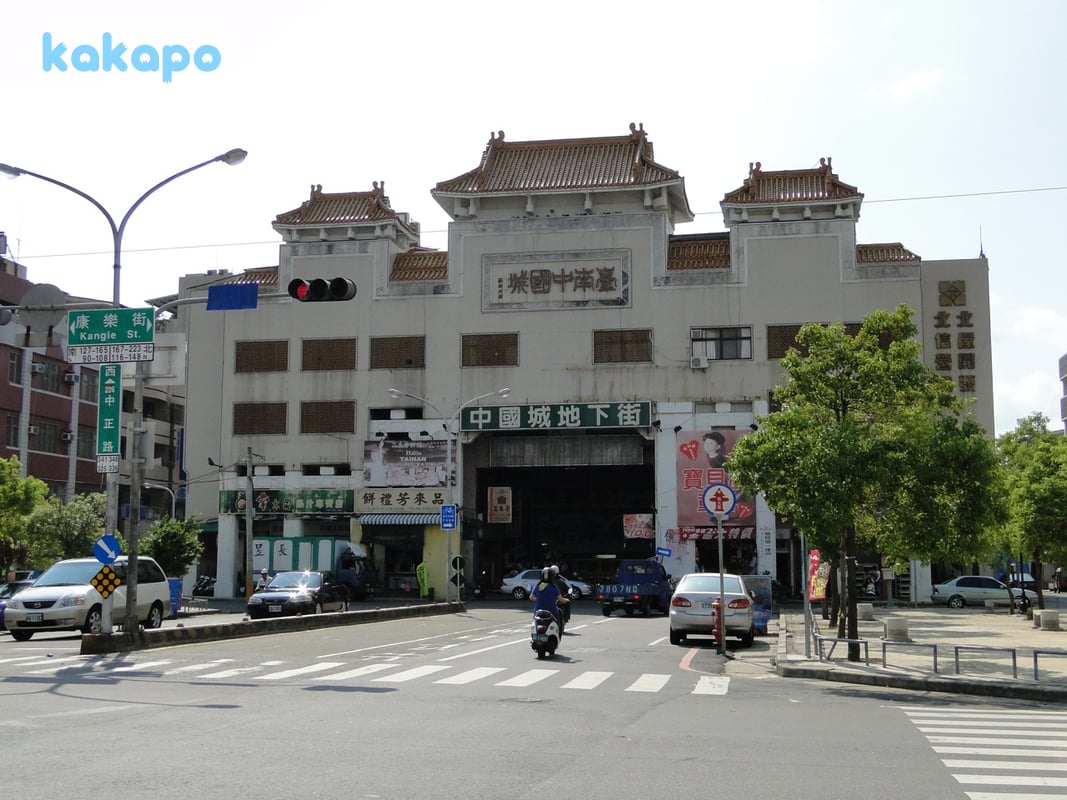
Recommended bases: Central Tainan (around Confucius Temple) — Silks Place Tainan (luxury heritage), Hotel Tainan; walking distance to historic temples and Hayashi Department Store. Anping (15 km west, by the sea) — Anping Fort, Anping Old Street; mid-range hotels; quieter atmosphere. Eastern District / NCKU area — university and modern commercial; budget hotels and convenient food.
Stay aware: Tainan is genuinely peaceful day or night; standard precautions only at the dense night markets.
There are no genuinely dangerous neighbourhoods in Tainan.
Transport — HSR, TNN airport, getting around
- Taiwan High-Speed Rail (HSR): Taipei-Zuoying (Kaohsiung) 1.5 hr via Tainan station, NT$1,200; Tainan HSR station is 18 km east of central Tainan, then TRA local train (10 min, NT$25) or shuttle bus to central.
- Tainan Airport (TNN): small; mostly domestic and short-haul international (Hong Kong, Tokyo, Osaka, Bangkok). Most international visitors arrive via Taipei Taoyuan (TPE) and HSR/train down.
- Within Tainan: walking covers central temples; bus + tap EasyCard for cross-city; rental bicycles for Anping circuit.
- Anping (15 km west): bus 2/19 from Tainan rail station; taxi NT$300-400; bike if fit.
- Mt Ali (Alishan): famous mountain area 100 km east; bus from Chiayi (next HSR station north); 3-hr bus journey; mountain weather changes fast.
- Driving: drive on the RIGHT.
Money, food, emergency numbers
- Currency: New Taiwan dollar (NT$ / TWD). $1 ≈ NT$32.
- Cards: increasingly accepted at hotels and chain restaurants; cash dominant at street food, taxis, small shops. ATMs at 7-Eleven take foreign cards.
- EasyCard: tap card for buses and 7-Eleven; NT$100 deposit.
- Tipping: not customary.
- Modest dress: at temples (covered shoulders/knees, no shorts above knee).
- Emergency: 110 (police), 119 (fire and ambulance), 112 (mobile). Tourist hotline 0800-011-765 (24h, English).
- Hospitals: National Cheng Kung University Hospital (+886 6 235 3535); Chi Mei Medical Center (+886 6 281 2811).
- Earthquake context: same as Taichung; CWA phone alerts.
- SIM: Chunghwa Telecom, Taiwan Mobile at TPE airport or any 7-Eleven; tourist plans NT$300-500 for 5-15 days.
Frequently asked questions
Is Tainan, Taiwan safe to visit in 2026?
Yes, exceptionally — Tainan scores 89/100 here. The US State Department lists Taiwan at Level 1 and UK FCDO has no advisories. Tainan is Taiwan's oldest city — the Dutch colonial capital (1624-1662), then Ming/Qing provincial capital, then Japanese-administrative city — and modern Tainan is the country's 'food capital' and most-historic city with 1,000+ working temples, Anping Old Street, the Confucius Temple, and the original 17th-century forts. Crime against tourists is essentially nonexistent. The honest concerns are environmental: brutal summer heat (June-September 33-37°C with humidity, among Taiwan's hottest), southern-Taiwan direct typhoon strikes (Krathon October 2024 hit Cat 4-5 with multiple deaths and weeks of recovery), and the working-temple etiquette that catches uninformed visitors.
Is Tainan safe at night?
Yes — Tainan is genuinely peaceful at night with comfortable solo walking for women. Standard precautions only at the dense night markets (Da Donglu Tourist Night Market for evening street food). There are no genuinely dangerous neighbourhoods in Tainan. The realistic late-night considerations are practical: scooters dominate, so look both ways even on a green walking signal because right turns on red routinely happen with pedestrians in the crosswalk; the bus network runs reduced after midnight; and the summer heat (still 28-30°C at midnight in July-August) is the genuine late-night discomfort, not crime. Hydrate aggressively (3-4L/day) even on a quiet evening walk.
What scam should I watch for in Tainan?
Tainan is genuinely scam-light — Taiwan's overall low-trickery baseline holds here. The relevant patterns are minor: unauthorised scooter rentals that skip the IDP-and-motorcycle-endorsement requirement (your travel insurance voids if you crash without proper paperwork; ask your hotel for vetted operators); the 'tour group' lunch package at Anping that charges 3× the menu price (eat at the named stalls — Du Hsiao Yueh for dan-zai noodles since 1895, A-Sung Beef Soup open 04:00-08:00, Guo's Coffin Bread); and the standard temple-area camera-tip request from costumed performers (decline politely if you didn't initiate). Cash dominates at night markets, taxis and small shops — EasyCard tap (NT$100 deposit) works for buses and 7-Eleven.
Can you drink the tap water in Tainan?
Officially yes — Tainan tap water meets Taiwan EPA standards — but locals universally boil or filter, and you should too. Restaurants serve boiled or filtered water by default. The bigger health concern in Tainan is summer heatstroke (Taiwan saw a heatwave-related ED admission spike in summer 2024 and tourists who underestimate the southern furnace are over-represented): hydrate 3-4L/day, take indoor mid-day breaks at Mitsui Outlet Park Tainan or Shin-Kong Mitsukoshi malls 11:00-15:00, wear cotton long sleeves (paradoxically cooler), and stomach-calibrate to the food (Tainan cuisine is sweeter than expected — sugar in soy sauces, in everything — and your stomach may need a day; bring loperamide).
What's the etiquette for visiting Tainan's working temples?
Critical — Tainan has 1,000+ active temples (more per capita than anywhere in Taiwan) housing centuries of continuous worship, and respectful behaviour matters. The headline temples: the Confucius Temple (Taiwan's first, built 1665, NT$50 entry), the Grand Mazu Temple (Tainan's central deity-protector), the Koxinga Shrine (memorial to the Ming loyalist who took Taiwan from the Dutch in 1662), the Five Concubines Temple, and the Shennong Street temple cluster. Etiquette inside: bow respectfully at the threshold and step OVER the raised threshold (never step on it — it's spiritually charged), incense offering optional (provided NT$50-100 for a set), no flash photography in inner shrines, men remove hats, modest dress required (no shorts above the knee, no tank tops). Don't take selfies posing as deities — causes serious offence. Burning paper money / joss paper is a traditional offering at outdoor furnaces; don't burn things you brought yourself, use temple-provided. Tianhou Temple in Anping is a working sea-goddess Mazu temple where cosplay Mazu pilgrim outfits sell for fun but be respectful of the meaning. The Dragon Boat Festival and Ghost Month (July-August) peak temple activity with street processions — respectful spectator behaviour expected, photography of fortune-telling and prayer is OK for ambient shots but avoid close-up of individual worshippers without permission. Tainan's tropical-Pacific summer typhoon strike pattern (Krathon October 2024 was Cat 4-5 with multiple deaths in southwest Taiwan including Tainan's Anping coastal area and the Beimen/Jiangjun storm-surge zones) means July-October trips need cancellation insurance; best windows November-March.
Sources
Run a business in Tainan?
Show visitors your Tainan business is a safe choice. The free Verified by Kakapo badge puts Tainan's live safety score on your website, links back to your verified page, and updates itself. No cost.
Get the free badge →