
What happened
An extraordinary band of rain sat over Chiba prefecture, immediately east of Tokyo, on 13 and 14 August 2026 and dropped more than 360mm of rain in 24 hours. Weather authorities recorded 367mm, beating the previous local record of 309mm set in October 2013, and the Japan Meteorological Agency raised its highest tier of heavy rain warning before downgrading it on Friday morning as the system weakened (Al Jazeera, RNZ / Reuters).
At least eight people died across Chiba, according to NHK citing prefectural authorities and police. The confirmed deaths include a man in his sixties or seventies found in floodwater on a road and a 66 year old woman trapped in a submerged car. One person was still unaccounted for as the water receded. Chiba governor Toshihito Kumagai, who has managed many disaster responses, described the situation as extremely unusual and said he had never experienced a case like it (Deutsche Welle).
The practical damage for visitors was concentrated on transport. Floodwater covered roads and rail beds across the prefecture, halting JR and Keisei electric railway services, airport buses and taxis serving Narita, Tokyo's main international gateway. Narita airport confirmed at least 4,250 passengers stranded by 10pm on Thursday, and other counts put the peak figure near 7,000 as the evening wore on. Airport staff handed out sleeping bags, water and snacks, and terminal floors became an improvised shelter for the night (The Standard).
Around 4,000 people were evacuated from Soga station in Chiba city after being stuck there for hours, with Ground Self Defence Force personnel assisting. Evacuation advisories reached more than 230,000 residents, roughly 80 homes were flooded, more than 20,000 households lost power after floodwater hit a substation, and gas supply to nearly 13,000 customers was interrupted. Several expressways in Chiba were closed, pushing traffic onto slower alternative routes.
Timing made the disruption worse than the rainfall alone would suggest. This was Bon week, one of the busiest travel periods in the Japanese calendar, when domestic trains, flights and highways are already close to capacity and rebooking space is thin.
Why it matters for travelers
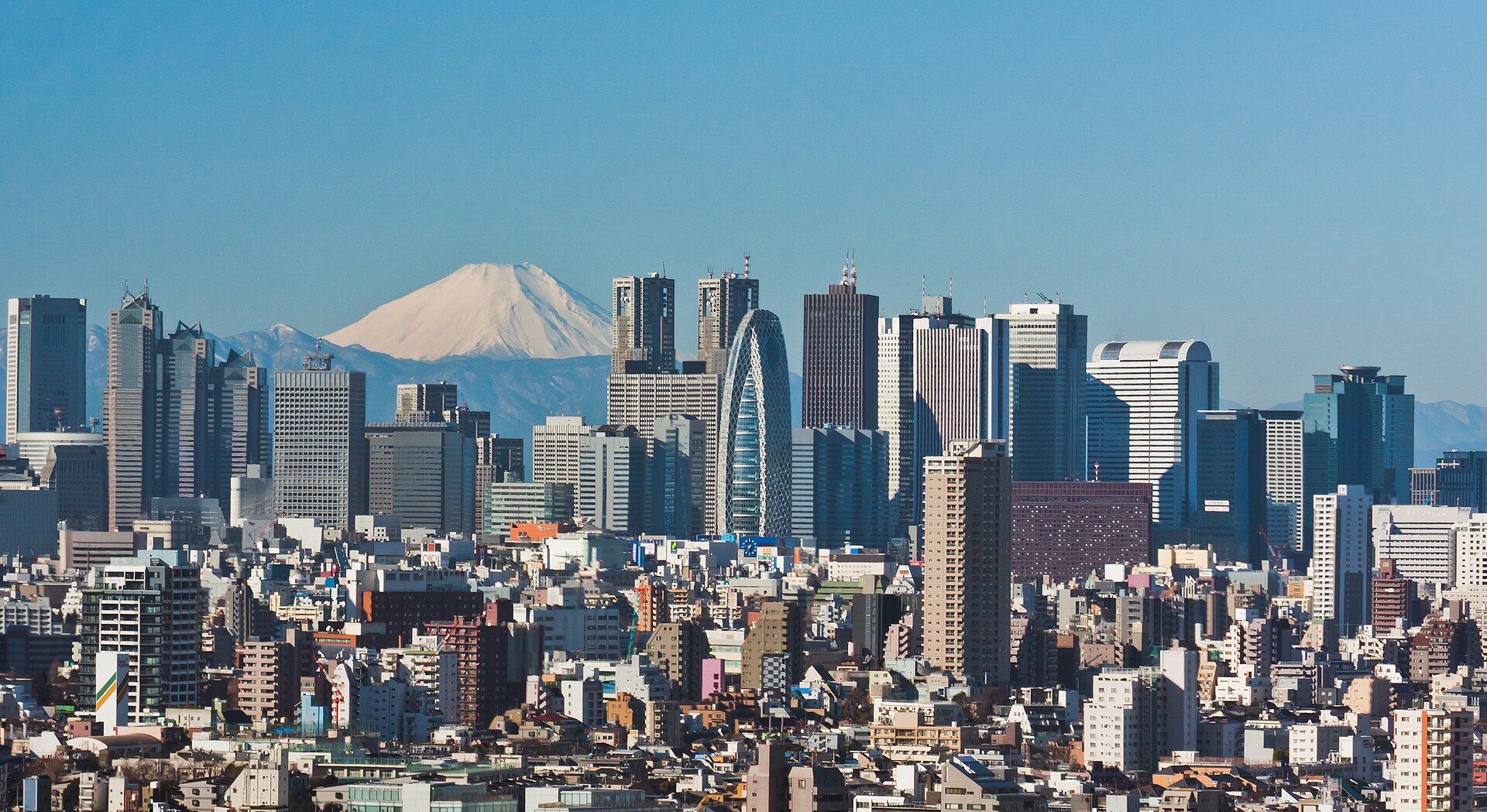
The first thing to be clear about is geography. This was a Chiba event, not a central Tokyo event. Shinjuku, Shibuya, Asakusa, Ginza and the rest of the city core were not flooded, the Yamanote line and the subway network kept running, and there is no reason to change plans for a stay based in central Tokyo. What was affected is the corridor between Tokyo and Narita, plus Chiba prefecture itself.
That corridor still matters to almost every international visitor, because Narita handles a large share of long haul arrivals and departures. When the Narita Express, the Keisei Skyliner, the airport limousine buses and taxis all stop at once, an airport that is 60km from the city has no fallback. Passengers who landed on schedule found they simply could not leave the building, and passengers heading out from the city could not reliably reach their flights. The flights themselves largely operated. Japan Airlines flagged possible delays but did not expect cancellations, and airport officials expected most services to run close to normal on Friday. The failure point was the ground link, not the runway.
The second thing that matters is how quickly this kind of event forms and clears. Japan's rainfall records are being broken by convective systems that stall over one prefecture for a day, dump a season's worth of water, and then move on. The disruption is intense, geographically narrow and usually short. By Friday morning the JMA had downgraded its warning, limited train services between Narita and Tokyo had resumed, and congestion at the airport was easing, though delays continued through the day and further rain was forecast for Friday afternoon.
The third point is a practical one about insurance and money. A stranded night at an airport during Bon week means a lost hotel booking, a possible missed onward connection and very little availability to rebook into. Travellers in this situation were not in physical danger inside the terminal, but they did absorb real costs. That is the risk profile of this event: low threat to life for a visitor who stays out of floodwater, moderate to high threat to schedule and budget.
What to do
Check the ground link before you check the flight. If you are flying in or out of Narita in the coming days, look up the status of the Keisei Skyliner and the JR Narita Express first, then the airport limousine bus. Your flight can be perfectly on time while the way to reach it is closed. Give yourself a much wider buffer than usual, and treat three hours from central Tokyo to Narita as a sensible planning figure while services stabilise rather than the usual one hour.
Consider Haneda as the alternative. Haneda airport sits inside Tokyo on the west side of the bay and was not affected by the Chiba flooding. If you are booking new flights this week, or an airline offers you a rebooking option, Haneda is the more resilient choice while Chiba dries out. It is also far better connected to the city, with the Keikyu line and the Tokyo Monorail running frequently.
If you are already stuck at Narita, stay put and be systematic. The terminal is safe, staffed and supplied, and attempting to reach Tokyo by road through flooded areas is the genuinely dangerous option. Rebook through your airline's app rather than the queue if you can, ask airport staff for shelter supplies rather than assuming you must buy them, and keep every receipt for accommodation, food and transport, because most travel insurance policies cover delay expenses when a carrier or a natural event stops you from travelling.
Never drive or walk into standing water. Both confirmed deaths described in reporting involved floodwater on roads, one of them a driver trapped in a submerged vehicle. Water on a road hides depth, current and open drains, and 30cm is enough to float a car. If you are in a rental car and the road ahead is covered, turn around. If your vehicle stalls in rising water, get out and move to higher ground immediately rather than waiting inside it.
Adjust plans in Chiba prefecture specifically. Day trips to Narita town, Choshi, the Boso peninsula beaches and the Kujukuri coast are the ones to postpone for a few days while roads reopen and power and gas are fully restored. Tokyo Disney Resort sits in Urayasu, in the far western corner of Chiba nearest Tokyo, and was outside the worst of the rainfall, but check its official site on the morning of your visit rather than assuming. Central Tokyo attractions need no adjustment.
Use the right alert sources. The Japan Meteorological Agency publishes warnings in English at jma.go.jp, including its emergency warning tier, and the NHK World app pushes English language disaster alerts. The Safety Tips app, published by the Japan Tourism Agency, is the standard free tool for foreign visitors and covers earthquake, tsunami, weather and evacuation notices in several languages. Install one of these before you travel rather than trying to find information in the middle of an event.
Watch the season, not just the day. August and September are peak typhoon and heavy rain months in Japan. This event was not a typhoon, but it is part of the same seasonal pattern, and another stalled rain band or a tropical system arriving is realistic within your trip window. Building one flexible day into an itinerary in this season is worth more than any amount of real time monitoring.
Tokyo's wider safety picture
None of this changes how safe Tokyo is to visit. Tokyo holds a Kakapo safety score of 94, among the highest of any large city we track, and that score is built on things this flood does not touch: very low violent crime, negligible street robbery, safe public transport at all hours, reliable emergency services and a level of public order that visitors consistently describe as unlike anywhere else. Solo travellers, women travelling alone and families all report the same experience, and walking through central Tokyo late at night is a normal activity rather than a calculated risk.
Where Tokyo does carry real risk is natural hazards, and that is a permanent feature of the city rather than news. Japan sits on the meeting point of several tectonic plates, and Tokyo builds accordingly, with some of the strictest seismic codes and best drilled emergency systems in the world. Extreme weather is the other standing hazard, as this month has shown twice over: Tokyo was under record heat and heatstroke alerts in early August, and now the prefecture next door has set a rainfall record.
The honest framing for a traveller is that Japan's hazards are well managed but not absent, and the failure mode is almost always disruption rather than danger. Infrastructure is shut down early and deliberately when conditions turn, which is why 4,000 people were evacuated from a railway station instead of being carried away by floodwater, and why thousands slept safely on an airport floor rather than attempting a flooded road. That is a system working as designed, and it costs travellers time and money rather than safety.
Plan for the delay, not the disaster. Keep a flexible day, keep your insurance details handy, check the ground transport link to your airport on the morning of travel, and stay out of moving water. On those terms, Tokyo remains one of the safest destinations in the world to visit this month.
Cited sources
Reporting from the outlets below.
-
1
Al Jazeera Record rainfall leaves four dead, thousands stranded in Japan (Al Jazeera)
-
2
Co Thousands stranded at Japan's Narita airport after record rain kills four (RNZ / Reuters)
-
3
Deutsche Welle Four dead, thousands stranded as record rain lashes Japan (Deutsche Welle)
-
4
Com Record rain paralyses Narita airport transport, 4,200 stranded (The Standard)
Frequently asked questions
Is Tokyo safe to travel to right now?
Record rainfall of more than 360mm in 24 hours flooded Chiba prefecture on 13 and 14 August 2026, killing at least eight people, cutting rail, bus and taxi links to Tokyo's Narita airport and leaving thousands of travellers stranded overnight. Central Tokyo was largely unaffected, trains began resuming on Friday morning, and flights were expected to run close to normal. See Kakapo's live Tokyo safety report for the up-to-date composite score, neighbourhood-by-neighbourhood breakdown, and per-source advisories from US State Dept, UK FCDO, Canadian government, and Australian Smartraveller.
What happened in Tokyo?
Record rain floods Chiba next to Tokyo: thousands stranded at Narita airport, rail links cut during Bon week. Record rainfall of more than 360mm in 24 hours flooded Chiba prefecture on 13 and 14 August 2026, killing at least eight people, cutting rail, bus and taxi links to Tokyo's Narita airport and leaving thousands of travellers stranded overnight. Central Tokyo was largely unaffected, trains began resuming on Friday morning, and flights were expected to run close to normal. This is a incident based on reporting from major travel-news outlets — see the cited sources below for the original coverage.
Should I cancel my trip to Tokyo?
Most travel-safety events do not require cancelling a planned trip. Read the "What it means for travelers" section above for the specific guidance, check the live Tokyo safety report for the current overall score, and consult your travel insurance for cancellation eligibility. Kakapo updates the Tokyo safety profile as new advisories land.
Where can I find more travel safety news?
Kakapo publishes new travel-safety updates as events develop, sourced from BBC, Reuters, the Guardian, Al Jazeera, Deutsche Welle, France 24, US State Dept, and UK FCDO. Visit the live travel-news feed at kakapo.travel/travel-news for the latest.