


Is Shinjuku Safe at Night in Tokyo? 2026 Guide
An hour-by-hour breakdown of Kabukichō, Golden Gai, the west-side skyscrapers and Shin-Ōkubo after dark — including the bar-scam streets the Tokyo Metropolitan Police actively warn about.

Shinjuku is statistically one of the safest entertainment districts in any major world city after midnight, but Kabukichō — the 0.34-square-kilometre patch on the east side — has a specific and well-documented tout-and-bar-scam problem that the Tokyo Metropolitan Police (警視庁) has run continuous public-warning campaigns against since 2018. The single most useful fact: violent street crime in Shinjuku is near-zero, but if you let a tout walk you into an unmarked second-floor bar, you can lose ¥80,000-300,000 in a single night.
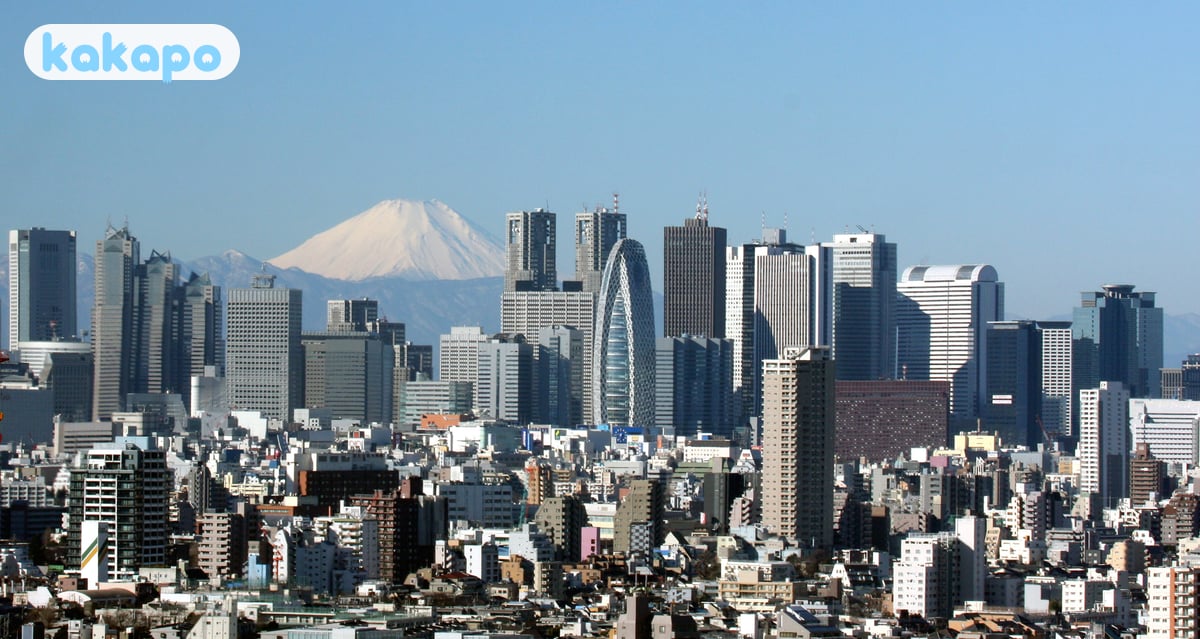
Shinjuku Station handles ~3.5 million passengers per day — the busiest station on Earth — and the streets around it stay busy until the last trains around 00:30. The east exit feeds Kabukichō and the alley-bars of Golden Gai; the west exit opens onto the skyscraper district (Tokyo Metropolitan Government Building, Park Hyatt, Hilton); the south exit drops you at Takashimaya Times Square and the bus terminal. Each side has a completely different character after dark.
The Tokyo Metropolitan Police's "ぼったくり" (bottakuri, "rip-off") campaign maintains a permanent presence at the Kabukichō kōban (police box) on Yasukuni-dōri, with officers handing out multilingual warning leaflets to anyone who looks like a tourist heading north into the entertainment district.
| Night safety | 70/100 |
|---|---|
| Scam / petty-crime risk | High |
| Violent crime (tourists) | Low |
| Most common scams | bar-scam touts in Kabukichō; unmarked second-floor bars in Kabukichō; host clubs on tout's pitch |
| Safer neighbourhoods | Golden Gai, Shinjuku Sanchōme, Takashimaya Times Square |
| Data sources cited | 4 |
| Last verified |
Kabukichō hour by hour after dark
- 18:00-20:00 — early-evening salaryman dinner crowd. Izakayas full, ramen queues forming at Ichiran and Fuunji. Touts present but soft; mostly handing out flyers for legitimate karaoke chains (Big Echo, Karaoke Kan).
- 20:00-22:00 — the shift change. Hostess-club and host-club touts (the latter in shiny suits and bleached hair) appear on Kabukichō Ichiban-gai (the main neon-arch street) and Sakura-dōri. They will not approach Japanese-looking women but will absolutely approach Western men and groups.
- 22:00-00:00 — peak. Streets are densely crowded; police kōban at the Yasukuni-dōri entrance is fully staffed. This is when the bar-scam touts work hardest because last-train pressure makes tourists rush decisions.
- 00:00-00:30 — the last-train sprint. Yamanote, Chūō, Marunouchi and Ōedo lines all stop around 00:20-00:35. Touts shift to "missed-train" pitches: "come drink with us until first train at 04:50".
- 00:30-04:50 — the dead zone. Streets thin out dramatically except for the Don Quijote 24-hour megastore and a few all-night ramen shops. This is when scam bars do their biggest damage: tourists with no train option are walked into venues and held until ATM-cleared payment.
- Verdict: walking through Kabukichō at any hour is safe in the violent-crime sense. The catch is entirely commercial — never enter a venue on a tout's recommendation.
The bar-scam streets — what the police actually warn about
- The pattern: tout approaches with "girls bar ¥1,000", "all-you-can-drink ¥3,000", or "free entry". You enter a windowless second- or third-floor venue. Drink prices on the menu are real, but a "service charge", "table charge", and "seat charge" are added. Bill arrives at ¥80,000-300,000. Refusal triggers a large male manager, refusal to release your passport (illegally confiscated as "deposit"), and threats of police-and-confession.
- The streets: Sakura-dōri, the alleys behind Don Quijote, and the second/third floors of buildings on Kabukichō Ichiban-gai. The ground-floor branded chains (Watami, Torikizoku, Uotami) are fine; the unmarked stairwell venues are the catch.
- The legal position: the Tokyo Metropolitan Police explicitly states bar-scam debts are unenforceable and that police will intervene. The kōban at the Yasukuni-dōri entrance to Kabukichō is staffed 24/7 specifically for this. Telephone 110 from inside the venue; do not pay.
- What's safe: any venue with a clearly posted street-level price list, any branded chain, any venue your hotel concierge recommends. Robot Restaurant (closed 2020, reopened as Samurai Restaurant), Omoide Yokochō ("Piss Alley"), and Golden Gai are all fine — the latter has its own etiquette (¥500-1,000 cover charge clearly posted at most bars).
- Host clubs and hostess clubs: legal but expensive. Entering a host club on a tout's pitch ends the same way as a scam bar — ¥100,000+ for an evening. If you want the experience, book through a translated booking service in advance.
Shinjuku's geography after dark — east, west, south, Shin-Ōkubo
- East side (Kabukichō, Golden Gai, Shinjuku Sanchōme) — the entertainment district. Kabukichō is the scam zone; Golden Gai (six alleys of 200+ tiny bars) is wonderful and safe with cover charges; Shinjuku Sanchōme (south of Yasukuni-dōri) is the gay village (Shinjuku Ni-chōme is two minutes away) and is among Tokyo's safest after-dark areas.
- West side (skyscrapers, Tokyo Metropolitan Government Building, Hilton, Park Hyatt) — corporate Shinjuku. Empty after 22:00, very safe, dull. The TMG observation decks close at 22:00 and 23:00; free entry.
- South side (Takashimaya Times Square, Shinjuku Gyoen) — department stores, bus terminal. Safe and quiet.
- Shin-Ōkubo (one stop north on the Yamanote) — Tokyo's Koreatown. Densely crowded with young women until midnight; one of Tokyo's most enjoyable evening neighbourhoods for a solo woman. Late-night beyond 01:00 it empties.
- Golden Gai etiquette: most bars hold 6-10 people; cover charges (¥500-2,000) are posted at the door. Some bars are "regulars only" and will politely decline tourists — accept this and move next door.
Last trains, taxis and the 04:50 first-train problem
- Last trains from Shinjuku: JR Yamanote ~00:30, JR Chūō Rapid ~00:30, Marunouchi Line ~00:25, Ōedo Line ~00:30, Keiō Line ~00:35, Odakyū Line ~00:35. The Tokyo Metro single fare is ¥180-330 with Suica/Pasmo.
- Missing the last train: taxis from the Shinjuku east-exit rank are abundant but expensive — ¥3,000-5,000 to Shibuya/Roppongi, ¥5,000-8,000 to Ginza, ¥8,000-12,000 to Tokyo Station. Initial flag-drop is ¥500 for the first 1.096 km (2026 rate).
- Go (formerly JapanTaxi) and DiDi apps work cleanly and quote a price upfront. Uber operates but is rebranded for the local taxi fleet — same cars, app-only payment.
- First train resumes at 04:50 (Yamanote, JR lines), 05:05 (Marunouchi). The four-hour gap is the scam-venue danger window — better to taxi than to wait.
- Night buses: limited late-night JR bus services from the New South Gate Bus Terminal to Narita, Haneda and longer-distance destinations.
Solo women in Shinjuku after dark
- The headline: Shinjuku is among the world's safest entertainment districts for a solo woman walking alone — including through Kabukichō at 02:00. The risk is not assault, it's harassment.
- Chikan (groping) on the trains: peak risk is rush-hour, not late-night. The JR Yamanote and Saikyō lines have women-only carriages (女性専用車両) marked in pink at the platform — first and last carriage on most JR services, last carriage on Tokyo Metro, with operating hours posted at the platform.
- Catcalling from touts: persistent on Kabukichō Ichiban-gai. Polite ignoring works; engaging escalates. The touts will not follow.
- Best solo-woman late-night Shinjuku: Golden Gai (bartender-chats are the point), Shinjuku Ni-chōme (the gay village is welcoming, mixed and friendly), Shin-Ōkubo (Korean food until midnight), the all-night Don Quijote.
- Police: the Kabukichō kōban on Yasukuni-dōri has English-speaking officers most evenings. Emergency 110; non-emergency #9110.
Frequently asked questions
Is Shinjuku safe to walk around at night in 2026?
Yes — Shinjuku is statistically one of the safest entertainment districts in any major world city, with near-zero violent street crime even at 03:00. The catch is commercial, not physical: Kabukichō's unmarked second-floor bars run aggressive overcharging scams that can cost ¥80,000-300,000 in a single visit. Never enter a venue on a tout's recommendation.
Is Kabukichō dangerous?
Not in the violent-crime sense. The Tokyo Metropolitan Police staffs a permanent kōban (police box) at the Yasukuni-dōri entrance specifically to warn tourists about bar-scam venues. Walking through Kabukichō is fine; the danger is being walked into an unmarked stairwell bar by a tout and getting billed ¥80,000+ for a few drinks.
Is Golden Gai safe?
Yes. Golden Gai's six alleys hold 200+ tiny bars, most with clearly-posted cover charges (¥500-2,000). It's one of Tokyo's safest evening experiences. Some bars are 'regulars only' and politely decline tourists — just move to the next door. Cash is preferred.
What time do trains stop running from Shinjuku?
Last trains from Shinjuku run roughly 00:25-00:35 depending on line (Yamanote ~00:30, Marunouchi ~00:25, Ōedo ~00:30, Keiō/Odakyū ~00:35). First trains resume around 04:50. If you miss the last train, taxi (¥3,000-8,000 to most central wards) rather than waiting in a scam-venue zone for four hours.
Is Shinjuku safe for solo female travellers at night?
Yes — among the safest entertainment districts globally for a woman alone. The risk is harassment from Kabukichō touts (ignore and walk on), not assault. Women-only train carriages exist on JR Yamanote and Saikyō lines during specified hours. Shinjuku Ni-chōme (the gay village) and Shin-Ōkubo (Koreatown) are particularly welcoming.
What is the Kabukichō bar scam?
A tout offers cheap entry ('girls bar ¥1,000', 'all-you-can-drink ¥3,000'). You enter an unmarked upstairs venue. Hidden table/seat/service charges produce a ¥80,000-300,000 bill. Refusal triggers passport-confiscation and threats. The Tokyo Metropolitan Police states these debts are unenforceable — call 110 from inside; do not pay; do not surrender ID.
Where should I avoid in Shinjuku at night?
Don't avoid streets — avoid unmarked second/third-floor bars on Sakura-dōri and behind Don Quijote, and don't accept tout walk-ins anywhere in Kabukichō. The streets themselves, including the back alleys, are safe. After 00:30 with no train option, taxi out rather than waiting around in scam-tout territory.
Sources
Run a business in Shinjuku, Tokyo?
Show visitors your Shinjuku, Tokyo business is a safe choice. The free Verified by Kakapo badge puts Shinjuku, Tokyo's live safety score on your website, links back to your verified page, and updates itself. No cost.
Get the free badge →