


Is Yantai, China Safe? A 2026 Travel Safety Guide
The Shandong wine country, summer humidity, the Mt Tai day-trip, the Korean ferry, Penglai's mythological associations, and the realities of one of China's gentlest coastal cities.

Yantai — population ~7 million, on the Shandong peninsula's northern coast facing the Bohai Sea — is one of mainland China's most-overlooked tier-2 coastal cities. The famous Changyu winery (founded 1892, the first modern Chinese winery — making Yantai unofficially China's wine capital), Penglai (the legendary "Eight Immortals" pavilion city), the Yellow Sea beaches, and the Mt Tai day-trip from neighbouring Tai'an are the headline visitor anchors. Crime against tourists is rare; English support at major hotels is decent for a coastal Chinese city.
The honest concerns are mostly environmental and practical. Yantai summers are humid (Yellow Sea moisture, less brutal than Tianjin/Wuhan but real). The Penglai coast and Bohai Sea catch occasional typhoon strikes (less direct than Hainan but possible — Typhoon Khanun 2023 affected the area). The Korean ferry connection (Yantai-Incheon) operates and offers a unique sea-route alternative to flying. The standard mainland-China cashless / blocked-internet rules apply. Mt Tai (Taishan, China's most-sacred Daoist mountain) day-trip from Yantai is feasible but is more naturally based from Tai'an or Jinan; this guide notes it as a regional context rather than primary draw.
The US State Department lists China at Level 2; UK FCDO has no specific Yantai advisories. Both note the standard China-context concerns rather than tourist-street risks.
| Night safety | 80/100 |
|---|---|
| Scam / petty-crime risk | Medium |
| Violent crime (tourists) | Low |
| Safer neighbourhoods | Zhifu, Laishan, Penglai |
| Data sources cited | 4 |
| Last verified |
What the score means — 89/100
- Personal safety (90) — high. Yantai is calm; petty pickpocketing in tourist crush zones at Penglai is the main risk.
- Transport (84) — Yantai Penglai International Airport (YNT, opened 2015 in Penglai 60 km west); HSR connects to Beijing (4 hr) and Qingdao (1 hr); Yantai Metro 1 line + expansion underway; Yantai-Incheon ferry.
- Healthcare (78) — Yantai Yuhuangding Hospital and Affiliated Hospital of Binzhou Medical University regional referrals; international clinic options thin.
- Air quality (78) — generally moderate; coastal location helps; affected by Beijing-Tianjin-Hebei regional pollution drift in winter.
Changyu and the Shandong wine country
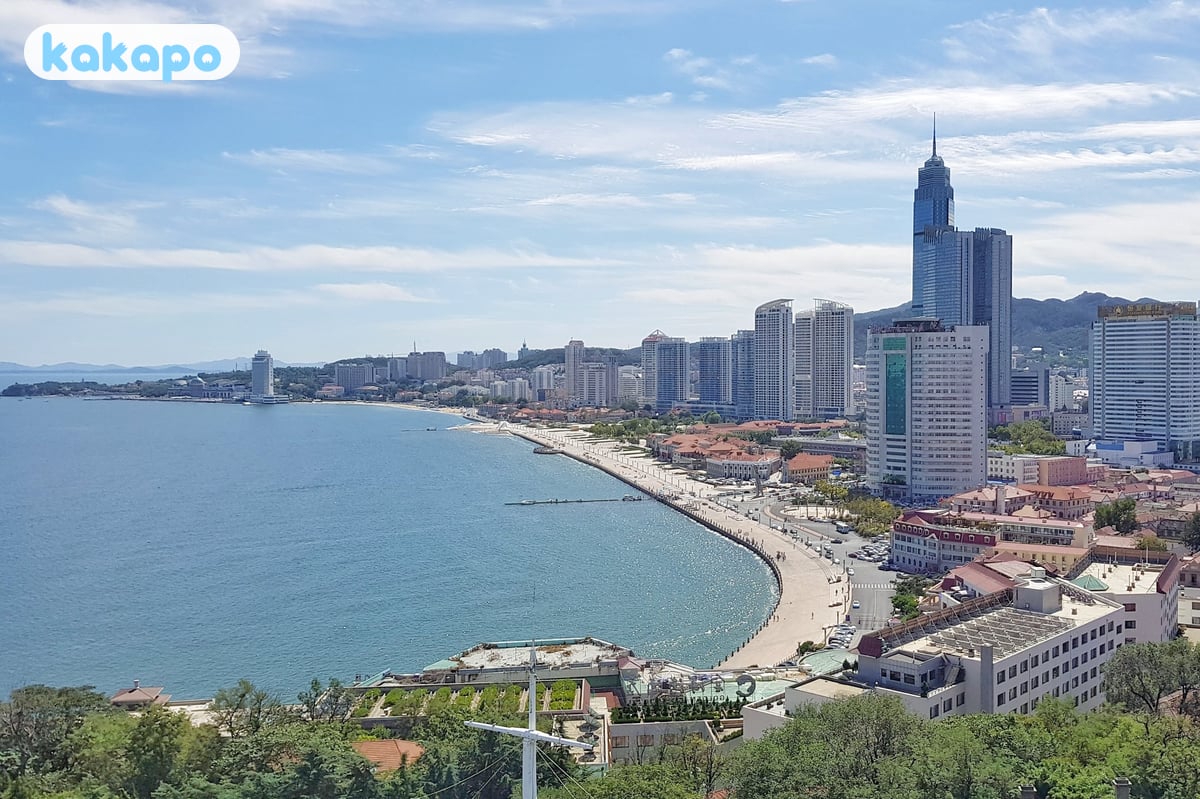
- Changyu Winery: founded 1892 by Cheong Fatt Tze (the Penang-born Sino-Indonesian merchant prince); China's first modern winery; one of the world's largest. Original Yantai cellars and the Changyu Wine Culture Museum (CNY 80 entry) are visitor anchors.
- What to expect: walking-tour of historic underground cellars (Asia's largest); modern production line viewing; tasting room with 5-7 wines tasted; gift-shop. Tour ~90 min; English-language tours available with advance booking.
- Modern Yantai-Penglai wine region: 50+ wineries across the surrounding Shandong peninsula; "China's Bordeaux"; international wine awards in recent years (Treaty Port Vineyards, Domaine Franco-Chinois, Chateau Junding).
- Yantai Wine Festival: usually September; international wine event.
- Wine tasting: Chinese drinking culture is intense; pace yourself; don't drive after tasting.
- Other Changyu sites: Chateau Changyu Castel (south of Yantai, joint Chinese-French venture, the most visitable wine estate); Treaty Port Vineyards (in nearby Mudangshan, English-speaking owner Chris Ruffle).
- Don't expect French winery polish at small Chinese estates: visitor reception variable; book ahead.
Penglai — the Eight Immortals city
- Penglai: 60 km west of central Yantai; legendary departure point of the Eight Immortals (a famous Daoist mythology); Penglai Pavilion (one of China's "four great pavilions") perches on a coastal cliff.
- What to see: Penglai Pavilion (CNY 100 entry); Penglai Water City (Ming-era naval fortress); Sandao Aquarium; the surrounding "fairyland" coastal cliffs.
- Penglai mirage: famous optical illusion of "ghost ship" mirages on Bohai Sea (occurs in specific atmospheric conditions, usually summer mornings); historically photographed but rare.
- Day-trip from central Yantai: bus 1.5 hr from Yantai South bus station; or hire car-and-driver CNY 600-1,000.
- Best timing: early morning (calmer, possible mirage); avoid Saturday/Sunday tour-bus crowds.
- Cliff-edge safety: Penglai Pavilion's cliff viewing platforms have railings but parts of the surrounding scenic area have minimal barriers. Don't pose backing toward cliffs.
- Modesty: Penglai Pavilion is a working Daoist site; respectful behaviour expected; modest dress.
Yantai-Incheon ferry — the sea-route alternative
- What it is: ferry service between Yantai (Yantai Port) and Incheon (Korean port, near Seoul); operated by Daein Ferry / China Shipping. ~17 hours overnight; CNY 600-1,500 economy/cabin class.
- Schedule: typically 3 sailings per week each direction; check current operator.
- Why use it: avoid flight; carry vehicle (uncommon for tourists); experience of Yellow Sea crossing.
- Sea conditions: usually calm; rough during Bohai winter weather and occasional summer typhoon. Sea-sickness meds if prone.
- Customs and visa: standard Chinese exit + Korean entry. Korea visa-free for most Western nationalities up to 90 days.
- Cabin class: 2nd-class shared (8-12 berth) or 1st-class private cabin recommended for sleep.
- Other Korea ferries from Shandong: Qingdao-Incheon (15 hr), Weihai-Incheon (14 hr) — all Shandong peninsula ports have Korean services.
Summer humidity and the Bohai climate
- Climate: temperate maritime; July-August 26-32°C with high humidity (60-80%); mild winter (-3 to 5°C); moderate spring and autumn.
- Heatstroke: tourists from cooler climates underestimate Bohai humid heat; defences as Tianjin section.
- Best windows: April-May (cherry blossom + warm), September-October (autumn foliage); avoid July-August peak humidity unless heading to wine festival.
- Beach swimming: Yantai Bathing Beach (No. 1 Beach), No. 2 Beach — calm; June-September swimmable. Yellow Sea water 24-27°C in summer.
- Box jellyfish: not the lethal Australian variety; lion's mane and moon jellyfish blooms occasional; painful but rarely serious.
- Typhoons: occasional summer events; Bohai Sea geography buffers most strikes; Khanun 2023 brought rain. CWA (China meteorological) phone alerts.
Mt Tai (Taishan) — regional sacred mountain
- Mt Tai: 1,545m; one of China's "Five Great Mountains" of Taoism; UNESCO 1987; one of the most-climbed mountains in the world (centuries of imperial pilgrimage).
- Location: Tai'an city in central Shandong, ~400 km southwest of Yantai. Better-based from Tai'an directly.
- If from Yantai: HSR Yantai-Tai'an (3 hr); 2-day trip realistic (sunrise from summit is the classic experience).
- The climb: 7,200 stone steps from Red Gate to Jade Emperor Peak; 3-5 hours uphill; cable car alternative from Mid-route to summit.
- Sunrise: classic experience requires overnight in summit hotel (Shenqi Hotel, Hilltop Hotel — basic but at altitude); 04:00-05:00 sunrise viewing.
- Weather: summit can be 10-15°C colder than base; mist and rain frequent; warm layer essential even in summer.
- Don't climb in storm warnings: lightning at the summit is real; mist and slippery stone steps cause falls.
- Tickets: park entry CNY 115; cable car CNY 100 each way; summit hotel CNY 600-1,500.
Areas — Zhifu, Laishan, Penglai
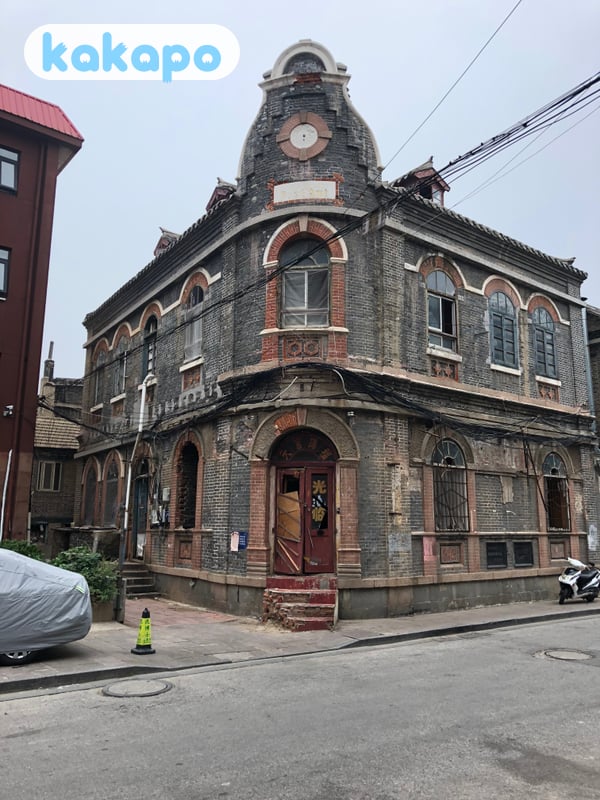
Recommended bases: Zhifu (central Yantai) — Crowne Plaza Yantai, Holiday Inn Yantai; near Yantai Hill (lighthouse + colonial-era buildings), Beach No. 1, Yantai Museum. Laishan district — modern eastern district; mid-range hotels; near Yantai Sea World. Penglai — coastal town 60 km west; mid-range hotels; better access to Penglai Pavilion and Changyu wineries.
There are no genuinely dangerous neighbourhoods in Yantai.
Money, food, emergency numbers
- Currency: Chinese yuan (CNY/RMB). $1 ≈ CNY 7.2.
- Cards: foreign Visa/Mastercard increasingly accepted at chains; small shops cashless via Alipay or WeChat Pay (set up Alipay's Tour Card before arriving).
- Tipping: not customary.
- Food: Shandong (Lu) cuisine — sweet and sour Yellow River carp, scallion-and-tofu soup, Yantai-area abalone and sea cucumber; northeastern Chinese influence; Changyu winery restaurant for wine pairing. Famous: Lao Tongchun (Yantai institutional restaurant chain).
- Tap water: not drinkable. Bottled or kettle-boiled.
- Internet/VPN: Google, Facebook, Instagram, X all blocked.
- Heat / humidity: as above.
- Emergency: 110 (police), 119 (fire), 120 (ambulance). Tourist hotline 12301.
- Hospitals: Yantai Yuhuangding Hospital (+86 535 666 8311); Affiliated Hospital of Binzhou Medical University; serious cases medevac to Beijing or Shanghai.
- SIM: passport required for Chinese SIM. eSIM (Airalo China-friendly) easier.
Frequently asked questions
Is Yantai safe to visit in 2026?
Yes — Yantai scores 84/100 and is one of mainland China's gentler tier-2 coastal cities. The US State Department lists China at Level 2 ('exercise increased caution' — citing arbitrary enforcement rather than tourist-street crime), and UK FCDO carries no specific Yantai advisories. Crime against tourists is rare; the petty pickpocketing at Penglai's crowded sites is the main risk. English support at major hotels is decent. The realistic concerns are environmental and practical: summer humidity (Yellow Sea moisture, June-August humidity 60-80%), occasional typhoon strikes (less direct than Hainan but Khanun 2023 affected the area), and the standard mainland-China cashless and blocked-internet logistics that apply throughout the country.
Is Yantai safe at night?
Yes. Zhifu district (central Yantai with Yantai Hill, the lighthouse, the colonial-era buildings, Beach No. 1) and Laishan district (modern eastern area near Yantai Sea World) are both calm and well-lit late. Solo women are comfortable at any hour. Penglai's coastal town area is quiet by 22:00. There are no genuinely dangerous neighbourhoods in Yantai. The biggest after-dark concerns are typhoon-season weather warnings (CWA phone alerts in summer) and the cliff-edge viewing platforms at Penglai Pavilion which have minimal barriers in places — don't pose backing toward cliffs at night.
What scams should I watch for in Yantai?
Few — Yantai's tourist density is lower than Beijing/Shanghai/Xi'an so the developed-scam ecosystem is thinner. Standard Chinese-tourist-site patterns apply: 'private guide' touts at Penglai Pavilion (use the official site audio guide), aggressive sales pressure at smaller Changyu-area wineries that promise tastings but pivot to bulk-wine sales, and counterfeit CNY 100 notes at small market stalls (most pay by phone, so it's rare). The cashless China structural issue is the bigger practical concern — set up Alipay's Tour Card (linking a Visa/Mastercard) BEFORE arriving, as in-China registration is harder. Foreign Visa/Mastercard now widely accepted at chains, but small shops are app-based. Internet/VPN: Google, Facebook, Instagram, X all blocked; set up your VPN before flying.
Can you drink tap water in Yantai?
No — Yantai tap water is not safe for drinking by visitor standards. Use bottled (Nongfu Spring, Master Kong, C'estbon are reliable) or kettle-boiled (every hotel provides a kettle). Don't add ice to drinks at street vendors; chain restaurants and hotels use safe filtered ice. The Yellow Sea water itself is fine for swimming at Yantai Bathing Beach No. 1 and No. 2 in summer (24-27°C, generally calm); occasional lion's mane or moon jellyfish blooms produce painful but rarely serious stings.
What makes Yantai different from other coastal Chinese cities?
It's China's unofficial wine capital. Changyu Winery was founded in Yantai in 1892 by Cheong Fatt Tze (the Penang-born Sino-Indonesian merchant prince) — the first modern Chinese winery, now one of the world's largest. The Changyu Wine Culture Museum (CNY 80, original Yantai cellars) is the headline attraction, with English-language tours of Asia's largest underground cellars. The surrounding Yantai-Penglai region has 50+ wineries — Chateau Changyu Castel (joint Chinese-French venture), Treaty Port Vineyards (Mudangshan, English-speaking owner Chris Ruffle), Domaine Franco-Chinois, Chateau Junding — and is sometimes called 'China's Bordeaux'. The Yantai Wine Festival in September is the international event. Beyond wine, the unique tourism angle is the Yantai-Incheon overnight ferry (17 hours, CNY 600-1,500) which gives a Yellow Sea crossing route to Korea that almost no Western tourist uses. Penglai Pavilion (the legendary departure point of the Eight Immortals, one of China's 'four great pavilions') is the other major draw.
Sources
Run a business in Yantai?
Show visitors your Yantai business is a safe choice. The free Verified by Kakapo badge puts Yantai's live safety score on your website, links back to your verified page, and updates itself. No cost.
Get the free badge →