


Is Okinawa, Japan Safe? A 2026 Travel Safety Guide
Typhoon season, the US military bases, habu jellyfish and habu snakes, reef-safe sunscreen, diving operator choice, and why Okinawa is otherwise idyllic.

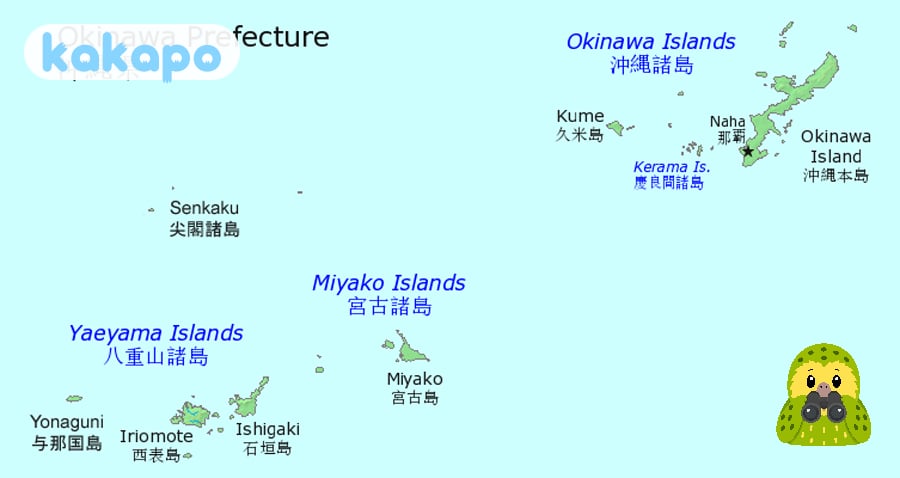
Okinawa Prefecture — the chain of subtropical islands south of mainland Japan — is one of the safer Japanese destinations. Crime against tourists is rare; daily life on Okinawa-Honto (the main island) and the smaller Yaeyama and Miyako islands is calm and friendly.
The honest concerns are environmental and contextual. Okinawa sits squarely on the Pacific typhoon track — averaging 7-8 named storms passing close enough to disrupt travel each year, with 2-3 direct hits common. The US military maintains around 30 bases on Okinawa-Honto (about 70% of the total US military footprint in Japan); occasional crime, aircraft incidents, and political protests come with it. Marine wildlife is genuinely hazardous — habu jellyfish (Chironex yamaguchii, related to Australia's box jellyfish) sting and occasionally kill swimmers; habu pit vipers are present in beach scrub and require antivenom; venomous fish (stonefish, scorpionfish) lurk on reefs. Coral protection rules require reef-safe sunscreen at most beaches. Diving operator choice matters — Okinawa has had decompression and rescue incidents.
The US State Department lists Japan at Level 1; UK FCDO has no advisories. Both note the standard typhoon and marine wildlife context.
| Night safety | 92/100 |
|---|---|
| Scam / petty-crime risk | Medium |
| Violent crime (tourists) | Low |
| Most common scams | cheap 'Blue Cave snorkel' tours by unbadged operators; base-related crime involving US service personnel; political protests at Henoko and Kadena |
| Safer neighbourhoods | American Village (Mihama, Chatan), Naha, Yaeyama group |
| Data sources cited | 4 |
| Last verified |
What the score means — 92/100
- Personal safety (92) — high. The base-related crime that occasionally hits headlines mostly involves US service personnel and locals, not tourists.
- Transport (78) — Naha has the Yui Rail monorail; the rest of the island depends on rental cars, infrequent buses, or expensive taxis.
- Healthcare (84) — Okinawa Chubu Hospital and Naha City Hospital adequate; serious cases medevac to Fukuoka or Tokyo.
- Air quality (90) — generally clean; occasional yellow-dust events from mainland China in spring.
Typhoons — Okinawa's defining travel risk
- Season: May-November, peak August-September. Okinawa averages 7-8 storms passing within strike range each year.
- Recent severe events: Khanun in August 2023 stalled directly over Okinawa for 4+ days, knocking out power across the island and trapping tourists at hotels and the airport. Mawar 2023 grazed past. Trami 2018 caused widespread damage.
- What closes: Naha Airport (OKA) suspends flights at typhoon-strength winds; ferries to outer islands cancel; ropeways and Churaumi Aquarium close at warning-level 4+; convenience stores often shut on direct-strike days.
- Stockpile rule: 24-48 hours of food and water if a Land Warning is declared. Hotels usually open emergency convenience offerings.
- Storm surge: low-lying beachfront resorts (parts of Onna village, Ginowan) flood during direct strikes. Most resorts have emergency procedures.
- Insurance: cancellation cover essential for May-Nov travel. Carriers re-route, not refund.
- Don't try to "see the typhoon": tourists have died at Cape Manzamo and Cape Hedo from rogue waves. Stay inside.
- Best windows: late March-May (Easter, no typhoons yet); late November-December (post-typhoon, water still warm-ish).
Habu jellyfish, stonefish, and what's on the reef
Okinawa's marine fauna is the same broad set as tropical Queensland, scaled smaller.
- Habu jellyfish (Chironex yamaguchii): box jellyfish related to Australian chironex. Present May-October. Stings have killed swimmers in Okinawa.
- Stinger nets: most managed beaches (Manza Beach, Emerald Beach, Sunset Beach Chatan, Naminoue) deploy them seasonally. Designated swim areas only.
- If stung: pour vinegar (kept at all stinger-net beaches) over the sting for 30 seconds; do NOT rinse with fresh water; call 119.
- Stonefish and scorpionfish: bottom-dwelling, well-camouflaged, venomous. Wear reef shoes when wading on rocky shorelines.
- Sea snakes (erabu): shy, rarely bite, but venom is potent. Don't grab.
- Cone snails (imo-gai): beautiful shells with deadly stings. Don't pick up shells off the reef.
- Rip currents: Cape Maeda (popular Blue Cave dive site) has seen multiple snorkeller drownings — go with a guide, wear a flotation vest.
- Bull and tiger sharks: present in Okinawan waters but attacks on swimmers extremely rare.
Habu snakes — the land hazard
- Okinawa habu (Protobothrops flavoviridis): pit viper endemic to the Ryukyu Islands. 1-2 metres long, aggressive, venomous. Bites happen 50-100 times a year across Okinawa Prefecture.
- Where: sugarcane fields, beach scrub, stone walls, abandoned buildings, dense undergrowth. Habu hide during heat of day, active at night and dawn.
- If hiking or beach-walking off paved tracks: long trousers, closed boots, headlamp at night.
- Don't reach into rock crevices, holes, or dense grass — the standard rule.
- Antivenom: stocked at Okinawa Prefectural hospitals and major clinics. Survival rate with prompt treatment is high; without treatment, severe tissue damage and possible death.
- If bitten: stay calm, immobilise the limb, get to hospital fast. Call 119. Don't try to suck out venom (folk remedy doesn't work).
- The smaller islands (Miyako, Yonaguni) don't have habu. The Yaeyama group does. Always confirm locally before bushwhacking.
US military bases — what it actually means for visitors
About 30 US bases occupy ~14% of Okinawa-Honto's land. Kadena Air Base, MCAS Futenma, and Camp Foster are the largest. For tourists, this is mostly invisible — but worth knowing.
- Aircraft noise: villages around Kadena and Futenma are loud throughout the day. Don't book a hotel in central Ginowan or Yomitan if noise matters.
- Off-limits zones: don't photograph base perimeters, don't drive into restricted areas, don't fly drones near bases.
- Base-related crime: occasional incidents involving service members make Japanese headlines and produce political tension. Tourists are not targeted.
- Protests: ongoing peaceful protests at Henoko (the planned Futenma replacement) and outside Kadena. Largely visible to passers-by; not a tourist hazard.
- Aircraft incidents: occasional Osprey and helicopter mishaps make news. Probability of impact on a tourist is essentially zero, but the political reaction is large.
- Base "American Village" (Mihama, Chatan): mall and entertainment district built up next to Camp Foster; popular with tourists and locals; safe.
Diving and snorkelling — operator choice and Blue Cave
- Operator choice: book through reputable PADI/SSI 5-star dive centres (Reef Encounters, Piranha Divers, Sea-Joy, Cocoloblue, etc). Cheap "Blue Cave snorkel ¥3,000" tours run by unbadged operators have produced incidents.
- Blue Cave (Cape Maeda): the famous tourist snorkel site. Crowded, slippery rock entry, currents at the cave mouth. Multiple drownings over the years, most involving solo swimmers or non-swimmers wearing only ill-fitting gear.
- Decompression sickness: don't fly within 24 hours of a dive (48h for multi-day diving). Naha has a hyperbaric chamber at Naha Hospital.
- Yonaguni hammerheads and Iseki ruins: serious-diver destinations; need experience.
- Snorkellers without lifejackets: don't. Even strong swimmers tire in currents.
- Coral conservation: don't touch, stand on, or take coral. Marine reserves (Kerama, Kabira) have strict rules.
Naha airport, Yui Rail, rental cars
- Naha Airport (OKA): the only major hub. Yui Rail monorail to Naha city centre ¥270 (15 min). Limousine bus to north resorts ¥2,000-2,500 (90-150 min depending on resort).
- Yui Rail: 19 stations, runs Naha airport - Tedako-Uranishi. The only mass transit on the island.
- Outside Naha: you need a rental car. International Driving Permit or Japanese licence required. Drive on the LEFT (same as mainland Japan).
- Crashes: Okinawa has a higher accident rate per capita than mainland Japan. US base spillover (right-driving habits + drinking) plus winding rural roads.
- Drunk driving: zero tolerance, severe penalties.
- Rural petrol stations: limited hours; full up before evening drives.
- Outer islands: ferries from Naha (Tomari Port) or short flights from OKA. Ishigaki, Miyakojima, and Kerama are the popular destinations.
Money, food, emergency numbers
- Currency: Japanese yen (¥). $1 ≈ ¥152.
- Cards: chains and resorts yes; small island shops cash-only. 7-Eleven ATMs work.
- Tipping: not done.
- Food: Okinawan cuisine is distinct — goya champuru (bitter melon stir-fry), Okinawa soba, taco rice, Orion beer, awamori (the local rice spirit, 25-43% ABV — pace yourself). Try Makishi Public Market for a "buy upstairs cooked downstairs" lunch.
- Reef-safe sunscreen: oxybenzone-free brands required at Onna Village beaches and most marine reserves. Mineral (zinc) sunscreen is fine.
- Tap water: safe.
- Emergency: 110 (police), 119 (fire and ambulance). Japan Visitor Hotline 050-3816-2787.
- Hospitals: Naha City Hospital (+81 98 884 5111); Okinawa Chubu Hospital (+81 98 973 4111).
- UV: subtropical sun is strong. SPF50+ year-round.
Frequently asked questions
Is Okinawa safe to visit in 2026?
Yes. Okinawa shares Japan's near-zero violent crime baseline — the US State Department lists Japan at Level 1 and UK FCDO has no advisories. Crime against tourists is rare. The honest concerns are environmental and water-related rather than criminal: habu pit viper bites in undergrowth (Okinawa's endemic venomous snake — antivenom is held at major hospitals and bites are uncommon but real), box jellyfish (habu-kurage) at unpatrolled beaches May-October, the typhoon season (Okinawa absorbs the first Pacific hits — peak August-October), strong reef currents at unfamiliar dive sites, the higher per-capita road accident rate (US base spillover plus winding rural roads), and the US military presence around Kadena and Futenma.
Is Okinawa safe at night?
Yes. Naha's Kokusai-dori (International Street) and the Makishi area stay busy and well-lit late. The Yui Rail monorail closes around midnight; taxis are abundant and metered honestly. The military-bar areas around Kin-cho and outside Kadena gate get noisier on US Navy paydays but the genuine night risks for tourists are physical: don't walk dark beaches barefoot (habu-kurage tentacle stings happen even on dry sand), don't drive winding rural roads after dark if you're not confident, and don't swim unpatrolled beaches at any hour. Outside Naha the islands quiet down completely by 21:00.
Is Okinawa safe for solo female travellers?
Yes, exceptionally — Okinawa is one of Japan's gentlest destinations for solo women. Catcalling is essentially absent and the small-town pace makes Naha's Kokusai-dori, Shuri Castle area and outer islands all comfortable solo experiences. Standard precautions around the military-bar zones near Kadena (different scene from tourist Okinawa). Solo dive trips through reputable PADI shops on Ishigaki and the Kerama Islands are routine — choose operators with English-speaking guides and check the boat's medical/oxygen kit before paying.
Can you drink tap water in Okinawa?
Yes. Okinawa tap water is safe and tested to Japan's strict national standards. Locals drink it routinely. Restaurants automatically serve free chilled water on arrival. Carry a refillable bottle aggressively in the subtropical sun — Okinawa UV is strong year-round (SPF50+ is sensible) and you'll drink more than you expect. On smaller outer islands (Hateruma, Aragusuku) bottled water is the practical default because supply infrastructure is limited.
What's the biggest scam to avoid in Okinawa?
Honestly there's almost nothing — Okinawa has minimal scam culture. The realistic risks are commercial: unlicensed dive shops cutting corners on safety equipment and operator certifications (use PADI-registered shops with English-speaking guides; check the boat's medical/oxygen kit before paying), tourist-trap restaurants on Kokusai-dori charging 50-100% over equivalent meals at Makishi Public Market, and the standard Japanese DCC card-terminal pattern (always pay in JPY, never your home currency). Awamori (the local rice spirit, 25-43% ABV) is sometimes pushed in tasting flights priced for naive tourists — pace yourself and check prices upfront.
How dangerous are Okinawa's marine animals really?
Real but manageable risks. Habu-kurage (box jellyfish) sting at unpatrolled beaches May-October — stings can cause cardiac collapse in extreme cases; wear a rashguard or stinger suit, swim only at netted beaches (Onna Village, most resort beaches), and apply vinegar (held at most beach lifeguard stations) to stings before going to ED. Sea snakes (erabu) are common around reefs but rarely bite. Stonefish, lionfish and cone shells are reasons to wear water shoes on rocky entries. On land, habu pit vipers live in undergrowth — don't reach into grass or under rocks; wear closed shoes hiking; antivenom is held at major hospitals. Hospitals: Naha City Hospital (+81 98 884 5111), Okinawa Chubu Hospital (+81 98 973 4111). Emergency 110 (police), 119 (fire/ambulance).
Sources
Run a business in Okinawa?
Show visitors your Okinawa business is a safe choice. The free Verified by Kakapo badge puts Okinawa's live safety score on your website, links back to your verified page, and updates itself. No cost.
Get the free badge →