


Is Mexico City Safe for Solo Female Travellers? 2026 Guide
CDMX for solo women — the Roma/Condesa reality, the women-only Metro carriages, the Uber-only discipline, the express-kidnapping caveat, and the actual neighbourhood map.

Mexico City (CDMX) is a doable solo female destination for travellers willing to respect specific area-and-transport discipline — the gentrified central neighbourhoods (Roma Norte, Condesa, Juárez, Polanco, Coyoacán, Centro Histórico) function comfortably for thousands of solo women monthly, but the city's overall homicide and assault statistics are an order of magnitude above Western European or East Asian capitals, and the "wrong area, wrong taxi" failure modes are real. The Mexico City government has invested heavily in tourism-zone policing, the Metro and Metrobus systems offer dedicated women-only carriages, and the cantina/café/restaurant culture welcomes solo women without comment.
The honest reads: the dominant risks are area-specific (large parts of greater Mexico City are not safe-for-tourists at any hour), transport-specific (street taxis have a documented kidnapping/robbery pattern — never use them, always use Uber or DiDi or the sitio radio-taxis), and the express-kidnapping ("secuestro express") pattern where victims are forced to make ATM withdrawals. Catcalling baseline is moderately high — lower than Cairo or Rome but higher than Lisbon or Tokyo. Drink-spiking incidents in the Zona Rosa nightlife area are documented and the US State Department warns specifically.
This guide covers neighbourhood-by-neighbourhood reality, the Uber-only transport discipline, the women-only Metro carriages, the express-kidnapping protocol, the harassment level, and the practical solo toolkit.
| Night safety | 41/100 |
|---|---|
| Scam / petty-crime risk | High |
| Violent crime (tourists) | Medium |
| Most common scams | express-kidnapping in street taxis; drink-spiking in Zona Rosa; street taxi kidnapping/robbery pattern |
| Safer neighbourhoods | Roma Norte, Condesa, Polanco |
| Data sources cited | 4 |
| Last verified |
Neighbourhoods — where solo women actually go
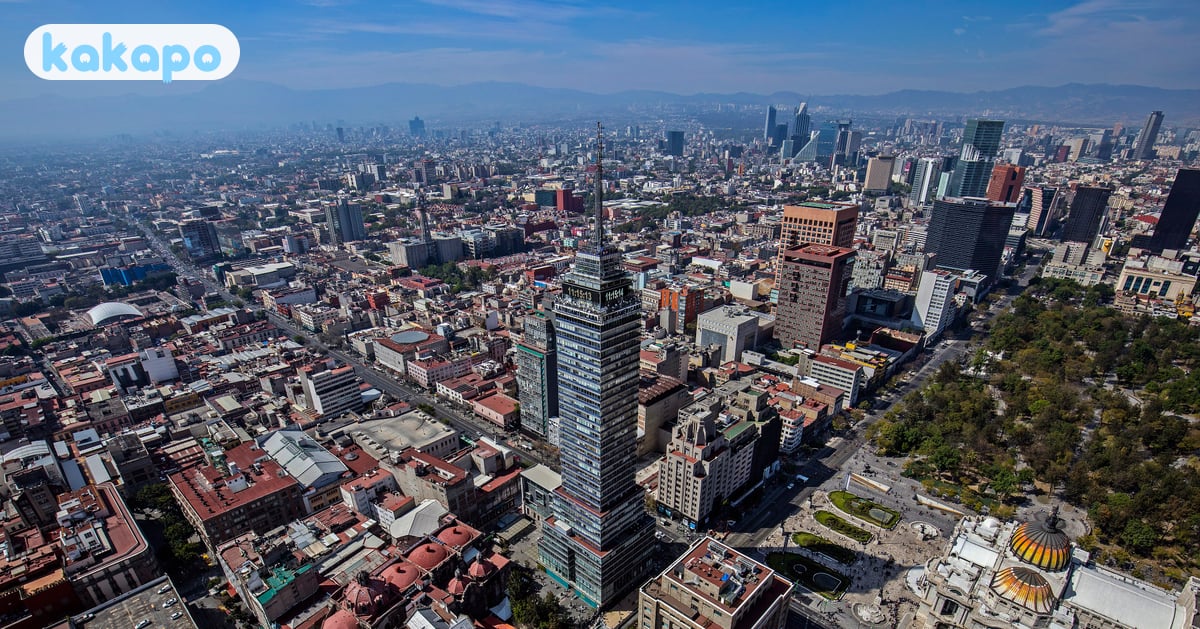
- Roma Norte: gentrified, café-rich, the standard digital-nomad and solo-female anchor; cocktail bars (Licorería Limantour, Hanky Panky); restaurants (Contramar, Máximo Bistrot); very comfortable.
- Condesa: parks (Parque México, Parque España), Art Deco architecture, café culture (Cardinal, Quentin); equally solo-friendly.
- Juárez: between Roma and the Centro Histórico; mixed but increasingly gentrified; Zona Rosa is here (LGBT-friendly but with nightlife caveats).
- Polanco: upscale, restaurant-heavy (Pujol, Quintonil); safe and quiet but expensive.
- Coyoacán: the famous Frida Kahlo museum neighbourhood; village-feel; entirely safe by day; calm and lower-density at night.
- Centro Histórico: the Zócalo, Templo Mayor, Palacio de Bellas Artes; safe by day with policing; thinner at night, use Uber after 22:00.
- San Ángel: weekend art-market neighbourhood; safe; quiet.
- Avoid as base or wander: Tepito (the historic black-market neighbourhood, dangerous); Doctores; Iztapalapa; large parts of greater CDMX outside the central districts — Uber-only and only with reason.
Transport discipline — Uber-only is the rule
- The street-taxi rule: never hail a street taxi (libre); the historical kidnapping/robbery pattern documented since the 1990s. The Mexican government, US State Department, and UK FCDO all warn explicitly.
- Uber and DiDi: both operate; cheap (€3-8 for most central rides); app-tracked; drivers vetted; the standard recommendation for all solo female travellers.
- Sitio radio-taxis: authorised radio-dispatched taxis booked through your hotel; safer than libre but less convenient than Uber.
- Metro: extensive, cheap (5 MXN), and has women-only carriages (front of train) during rush hour (06:00-10:00 and 17:00-20:00) and on specific platforms. Pickpocket-active; bag in front.
- Metrobus: BRT system; women-and-children-only front sections; faster and safer than the Metro in some corridors.
- Airport transfer: only use Uber or the official airport-taxi yellow cabs purchased inside the terminal at the booth (pre-paid, fixed price); never a libre at the curb.
- The express-kidnapping pattern: victim takes a street taxi; driver detours to accomplices; victim forced to withdraw ATM cash and surrender phone/wallet; usually released after several hours. Defence: Uber/DiDi only.
- Walking late: in Roma/Condesa main streets fine until 23:00-midnight; after that Uber for any distance over 4 blocks.
Harassment and street culture
- Catcalling baseline: moderately high; lower than Cairo or Rome, higher than Lisbon or Tokyo. Concentrated outside the gentrified central areas; Roma/Condesa/Polanco residents and visitors are accustomed to ignoring.
- The do-not-engage rule: catcalls and street approaches should be ignored entirely — no eye contact, no response. Engagement is interpreted as interest; ignoring is the cultural-norm dismissal.
- Bar/club approach: in Roma and Condesa bars (Licorería Limantour, Hanky Panky, Felina) approach is polite and refused-politely standard; in Zona Rosa and the tourist-heavy clubs more aggressive.
- Drink-spiking: documented in Zona Rosa and some Centro Histórico bars; US State Department warns specifically. Watch your drink; never leave it unattended; refuse drinks bought by strangers.
- Dress code: entirely Western; no specific modesty expectations; jeans/dress/whatever fine. Shoulders covered at religious sites (cathedrals).
- Solo dining and drinking: entirely unremarked across all gentrified neighbourhoods; the cantina and the cocktail bar both welcome solo women.
- The metro women-only carriage: the front carriage (and front section on Metrobus) is for women and children only during rush hours; use it — non-rush sees harassment incidents in the mixed carriages.
Nightlife — bars, cantinas, clubs
- Licorería Limantour (Roma Norte): among the world's top-50 cocktail bars; €10-15 cocktails; reservation recommended.
- Hanky Panky (Juárez, unmarked): speakeasy reservation-only cocktail bar; book ahead through their website.
- Handshake Speakeasy (Juárez): another world-top-50 speakeasy.
- Maison Artemisia (Roma): absinthe-focused cocktail bar.
- Felina (Condesa): long-running neighbourhood bar; locals, calm.
- Salón Tenampa (Plaza Garibaldi): the legendary mariachi cantina; loud, fun, daytime/early-evening safer than late.
- Pulquerías: traditional pulque bars (Las Duelistas, Los Insurgentes); cultural-experience for solo women, daytime/early-evening better.
- Avoid: street-front Zona Rosa clubs with door-tout culture; some Centro Histórico late-night bars.
- Getting home: Uber from the bar door; never walk distances after midnight even in Roma/Condesa.
Altitude, air quality, water
- Altitude: CDMX sits at 2,240 m. Mild altitude sickness (headache, fatigue) common in the first 24-48 hours. Hydrate, avoid heavy alcohol the first night, take it slow.
- Air quality: variable; the winter months (November-February) can have serious smog. Watch IMECA index; sensitive travellers may want masks on high-pollution days.
- Water: do not drink tap water; bottled water everywhere; ice in mid/upper-tier restaurants is usually filtered. Stomach upset ("Moctezuma's revenge") common — bring antibiotics (ciprofloxacin/azithromycin) and oral rehydration salts.
- Street food: tacos al pastor at busy stands (high turnover = safe); avoid raw seafood and ceviche from unrefrigerated street setups.
- Mosquitoes and dengue: very low in CDMX (altitude); standard precautions only.
- Healthcare: Hospital ABC (Observatorio and Santa Fe campuses) is the standard expat/tourist private hospital; English-speaking, card-payment, insurance-direct-billing.
If something happens
- 911 — general emergency, English available.
- Tourist Police (Policía Turística): deployed in Centro Histórico, Polanco, Roma, Condesa; light-blue uniforms; English; the first stop for tourist-incident reports.
- Locatel: 5658-1111 — Mexico City government 24/7 helpline including lost-item, missing-person, and information.
- Hospital ABC Observatorio (+52 55 5230 8000): the standard expat/tourist hospital; 24/7 emergency.
- UK Embassy Mexico City: +52 55 1670 3200. US Embassy Mexico City: +52 55 5080 2000.
- If express-kidnapped: comply, give them the cash and phone, do not resist; victims are typically released after a few hours of ATM withdrawals. Report immediately to police and embassy after release.
- Insurance: ensure your policy covers Mexico-specific medical evacuation and the increasingly common "kidnap and ransom" rider for travellers with higher-risk itineraries.
Frequently asked questions
Is Mexico City safe for solo female travellers in 2026?
Doable with discipline. The gentrified central neighbourhoods (Roma Norte, Condesa, Juárez, Polanco, Coyoacán) function comfortably for thousands of solo women monthly. The dominant risks are area-specific (large parts of greater CDMX are not safe for tourists), transport-specific (never use street taxis — Uber/DiDi only), and the express-kidnapping pattern where victims are forced to make ATM withdrawals. Drink-spiking in Zona Rosa is documented. Catcalling is moderately high but ignoreable. The women-only Metro carriages are the standard for rush-hour public transport.
Where should solo women stay in Mexico City?
Roma Norte is the standard digital-nomad and solo-female anchor — café-rich, cocktail bars (Licorería Limantour, Hanky Panky), restaurants (Contramar, Máximo Bistrot). Condesa offers Art Deco architecture, parks (México, España), café culture (Cardinal, Quentin). Polanco is upscale and quiet (Pujol, Quintonil). Coyoacán is the village-feel Frida Kahlo neighbourhood. Centro Histórico safe by day but thinner at night. Avoid Tepito, Doctores, Iztapalapa entirely — these are not tourist areas.
What is the express-kidnapping risk in Mexico City?
Express-kidnapping ('secuestro express'): victim takes a street taxi, driver detours to accomplices, victim is held for several hours and forced to make sequential ATM withdrawals. Usually released physically unharmed. Defence is simple: never use a street taxi (libre) under any circumstances — always Uber, DiDi, or hotel-arranged sitio radio-taxi. If kidnapped, comply, surrender cash and phone, do not resist. Report to police and embassy after release. Cases concentrate around tourist zones and airports.
Are Mexico City taxis safe?
Street taxis (libre) — no, never use them, regardless of how 'official' they look. The historical kidnapping/robbery pattern is documented since the 1990s. UK FCDO and US State Department both warn explicitly. Uber and DiDi are safe (€3-8 most central rides, app-tracked, drivers vetted) and are the standard recommendation. Sitio radio-taxis booked through your hotel are also safe. Airport transfer: use Uber or the official airport-taxi yellow cabs purchased at the in-terminal booth (pre-paid, fixed price); never a curbside libre.
Is the Mexico City Metro safe?
Yes with discipline. The Metro is extensive, cheap (5 MXN), and well-used. The front carriage during rush hour (06:00-10:00 and 17:00-20:00) is women-and-children-only and clearly signed; use it. Pickpocket activity is high on all lines during rush; bag in front, phone in zipped pocket, no back-pocket wallets. The Metrobus BRT system also has women-and-children front sections. Some stations (Pino Suárez, Hidalgo, Pantitlán) have higher pickpocket density.
How bad is catcalling in Mexico City?
Moderately high — lower than Cairo or Rome, higher than Lisbon or Tokyo. Concentrated outside the gentrified central areas; Roma/Condesa/Polanco baseline is lower because residents and visitors are accustomed to ignoring. Ignore catcalls entirely — no eye contact, no response. Engagement is interpreted as interest. Dress code is entirely Western; no modesty expectations. Solo dining and drinking are entirely unremarked across the gentrified neighbourhoods.
Where can I drink in Mexico City as a solo woman?
Licorería Limantour (Roma Norte) is among the world's top-50 cocktail bars, €10-15 cocktails, reservation recommended. Hanky Panky (Juárez, unmarked) is the famous reservation-only speakeasy. Handshake Speakeasy (Juárez) is another world-top-50. Felina (Condesa) is the calm locals bar. Avoid the street-front Zona Rosa clubs with aggressive door touts and the late-night Centro Histórico bars. Drink-spiking is documented in Zona Rosa specifically — watch your drink, refuse drinks from strangers.
What about altitude and water in Mexico City?
Altitude is 2,240 m — mild altitude sickness (headache, fatigue) is common the first 24-48 hours. Hydrate, take it slow, avoid heavy alcohol the first night. Do not drink tap water; bottled is ubiquitous and cheap; ice in mid/upper-tier restaurants is usually filtered. Stomach upset is common — bring ciprofloxacin/azithromycin and oral rehydration salts. Air quality varies; winter months (Nov-Feb) can have serious smog; sensitive travellers may want masks. Hospital ABC is the expat-standard private hospital.
Sources
Run a business in Mexico City?
Show visitors your Mexico City business is a safe choice. The free Verified by Kakapo badge puts Mexico City's live safety score on your website, links back to your verified page, and updates itself. No cost.
Get the free badge →