

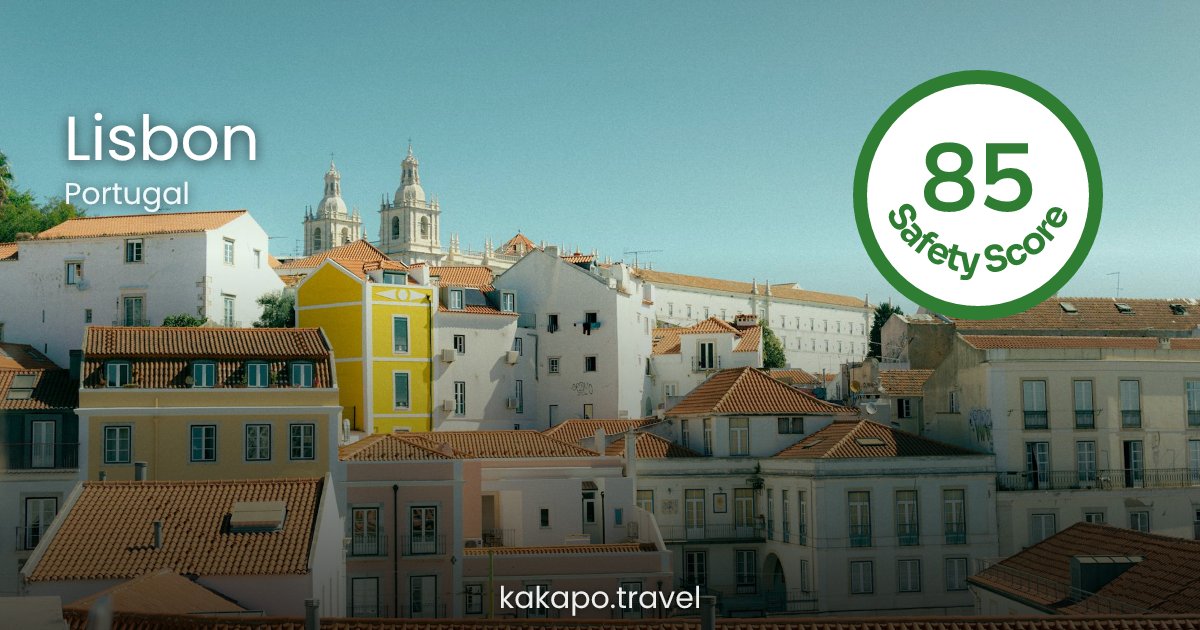
Is Lisbon, Portugal Safe? A 2026 Travel Safety Guide
Tram 28 pickpockets, the Baixa hash sellers, the cobbled-hill ankle-twisters, and the realistic visitor risks of one of Europe's friendliest capitals.

Lisbon is one of the safer European capitals for tourists, with the realistic visitor risks being Tram 28 pickpockets, the persistent "hash, cocaine?" street sellers in Baixa, and the steep cobbled streets that put more visitors in clinics than crime does.
Portugal sits at low advisory levels in both UK FCDO and US State Department guidance. Violent crime against tourists is rare. The Portuguese reputation for friendliness toward visitors is genuine; even pickpockets, when caught, get verbally scolded by passers-by.
Lisbon's specific quirks for first-time visitors: the city is built on seven hills, and the cobblestones (called calçada portuguesa) are brutally slippery when wet. The summer heat is real (35°C+ Aug). And the famous tram 28 has become the single most-pickpocketed tourist tram in Europe.
What surprises most first-time visitors is how the city's pace doesn't match its size. Lisbon has fewer than 600,000 residents within the municipal boundary — it shouldn't be one of Europe's hardest cities to navigate, but it is, because half the streets are 16th-century lanes that climb 60 metres in 200 metres of horizontal distance. The Portuguese phrase devagar se vai ao longe — "slowly, you go far" — is genuinely how the city works. Locals are unhurried, patient with bad pronunciation of "obrigado/obrigada", and will physically walk you to where you're trying to get if you ask for directions. Lean into that.
The 2026 reality: Lisbon's "digital nomad" wave has reshaped the central districts since 2020, with rents in Alfama and Mouraria up roughly 70% and a wave of co-working cafés in Príncipe Real and Anjos; the Cais do Sodré nightlife strip is busier than ever; the new "Hospital de Lisboa Oriental" replaced several older facilities in 2025 and is now the principal eastern ER; AML's Carris/Metro tap-to-pay with a contactless bank card works on all metro lines and most buses, eliminating the Viva Viagem paper-card faff for short visits. Wildfires inland are now a regular August-September feature — they don't affect the city itself but can affect Sintra/Cascais train schedules and air quality.
| Night safety | 79/100 |
|---|---|
| Scam / petty-crime risk | Medium |
| Violent crime (tourists) | Low |
| Most common scams | Tram 28 pickpockets; street drug touts in Baixa; hash and cocaine street sellers in Baixa |
| Safer neighbourhoods | Baixa, Chiado, Alfama |
| Data sources cited | 4 |
| Last verified |
What the score means — 85/100
- Healthcare (86) — Portuguese national health service handles emergencies; major hospitals (Santa Maria, São José) have 24h ER. EU citizens with EHIC pay nothing.
- Night (82) — Bairro Alto and Cais do Sodré are alive late and well-policed. Outside the central tourist core, the city quiets down.
- Transport (82) — Carris (trams + buses) and Metropolitano de Lisboa together cover the city. Tram 28 pickpocket density is the only real transport-related risk.
- Personal safety (78) — moderate. Pickpocketing is the dominant property crime; violent crime against tourists is rare.
Tram 28 — Europe's most-pickpocketed tourist tram

Tram 28 is the iconic vintage tram that climbs Alfama, passes the cathedral, then loops through Graça. It's also the most-pickpocketed tram line in Europe.
- Pickpocket teams board at Praça Martim Moniz (the lower terminus) where the queue is longest. They work in cells of 3-4: one bumps you, one reaches in, one screens.
- The cabin is small and crowded — designed for ~20 standing passengers, often holds 40+ at peak hours. Standing pressed against strangers is the operating environment.
- Phone in your front pocket. Daypack on your front, zipped, hand on the zipper. Don't carry anything in a back pocket.
- Alternative: the regular E12 or E15 trams cover similar routes with fewer tourists. Or walk Alfama's streets — that's where the photographs are anyway.
- Tram 28 ticket: €3 single. PSP (Portuguese police) work the platform but the volume is too high to enforce.
Street drug touts — the constant hash and cocaine pitches
Walking through Baixa, Rossio, or the streets up to Bairro Alto, you'll get approached by men whispering "hash? marijuana? cocaine?" every block or two. This is consistent enough that it's a Lisbon trip-report cliché.
- Almost none of what they sell is real. The "hash" is typically dyed soap or henna; the "cocaine" is whatever cheap powder they have. Hospital reports of bad-reaction emergencies are common.
- It's a low-grade industrial scam, not a violent threat. A polite "no, thank you" and a continued walk works. They move on to the next foreign-looking person.
- Real cannabis: Portugal decriminalised personal possession of all drugs in 2001. Possession of small amounts isn't prosecuted. Sale is still illegal.
- If you do want to buy: don't on the street. Use established channels through your hotel or local contacts.
- The cathedral steps and Largo do Carmo are the densest tout zones.
Areas — comfortable everywhere
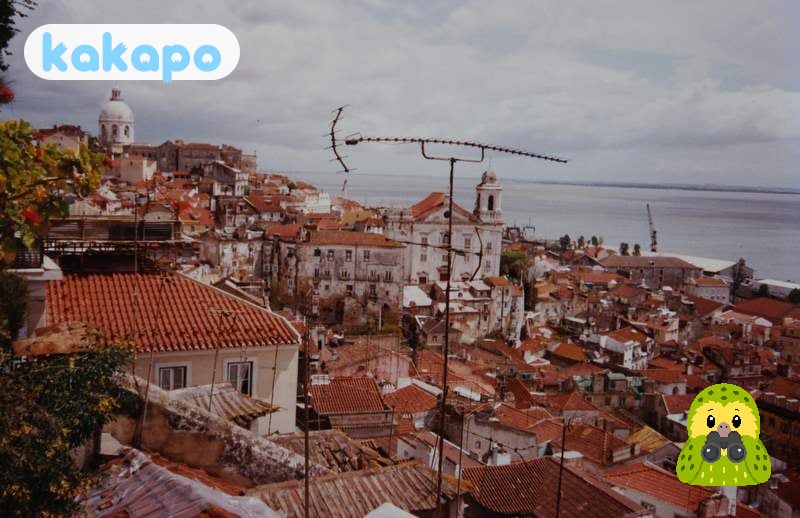
Comfortable everywhere: Baixa (the gridded downtown), Chiado (upmarket shopping), Bairro Alto (nightlife), Alfama (the photogenic medina-like quarter), Mouraria (gentrifying, mixed), Belém (palaces, monastery, river), Príncipe Real (residential, restaurants), Estrela (residential), Lapa.
Lively, slightly more aware after dark: Cais do Sodré — the riverside nightlife strip (Pink Street). Fine, just busy and drunken late.
Stay aware: parts of Intendente at night (gentrifying area near Martim Moniz with mixed character), Anjos and Arroios outer streets late at night (residential, nothing tourist-relevant).
Sintra and Cascais day trips: both are very safe. The Sintra hills are popular and well-policed; Cascais is a calm coastal resort. Train from Rossio (Sintra) or Cais do Sodré (Cascais).
Airport, taxis, and the cobbles
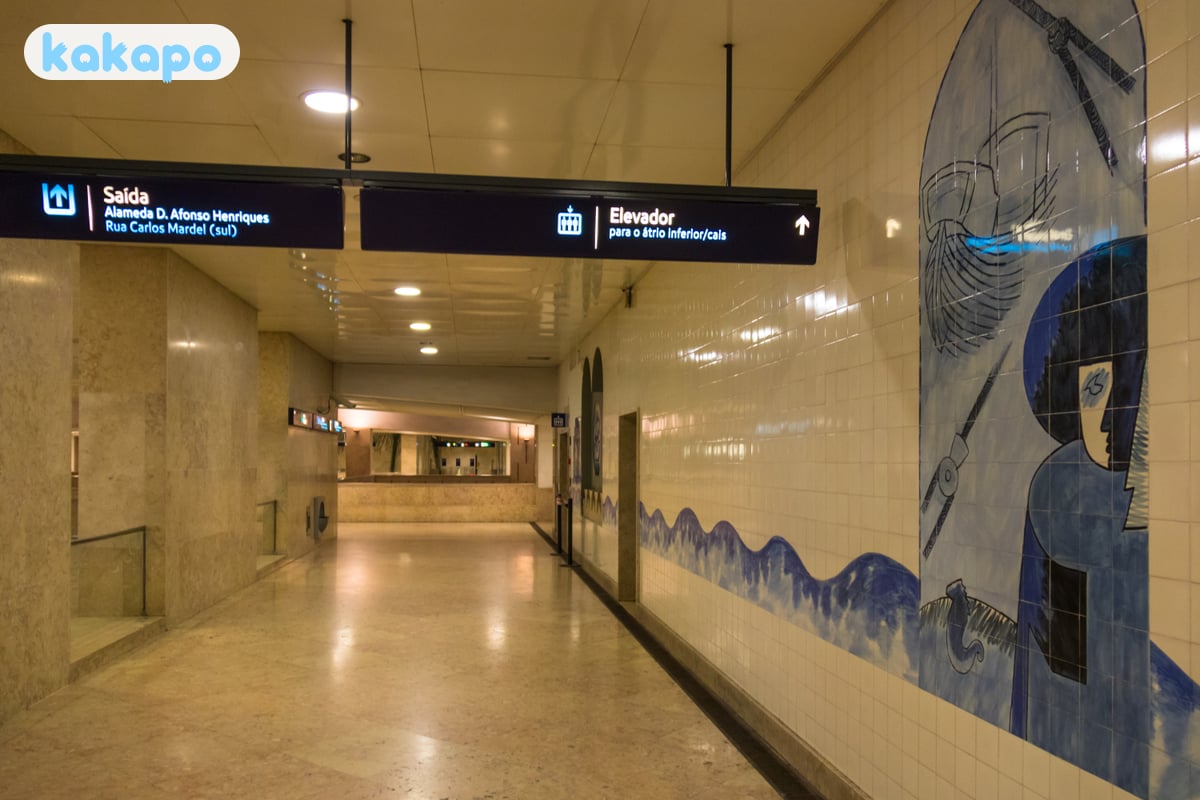
- Lisbon Airport (LIS) to central: regulated taxi flat rate ~€15-20 to most central addresses. Insist on the meter.
- Aerobus (€4) and Metro red line (€1.50) both serve the airport.
- Bolt and Uber work in Lisbon. Bolt is generally cheaper.
- Metro 4 lines (Blue, Yellow, Green, Red). Cheap, clean, on-time.
- The cobblestones: calçada portuguesa is the city's signature pavement. Beautiful, polished smooth by 200 years of foot traffic, and astonishingly slippery when it rains. Wear shoes with grip. We see twisted-ankle ER visits every Lisbon trip.
- Hills: Lisbon is built on seven hills. The funiculars (Bica, Glória, Lavra) and the Santa Justa elevator are tourist favourites; pickpocketed in peak season but not as bad as tram 28.
Neighbourhood-by-neighbourhood breakdown
- Baixa and Chiado — the gridded downtown (rebuilt after the 1755 earthquake) and the upmarket shopping district above it. Heavily policed and very safe; this is where most drug-tout pitches happen but they're benign. Praça do Comércio, Rua Augusta, Bertrand bookshop.
- Alfama — the medina-like Moorish quarter, tangled lanes climbing up to the castle. Picture-perfect, very safe, fado bars at night. Pickpockets work the busiest viewpoints (Portas do Sol, Santa Luzia) and the queue for tram 28.
- Bairro Alto and Príncipe Real — bar-lined hilltop above Chiado. Bairro Alto is small bars and street drinking until 02:00, then drunken but safe. Príncipe Real is restaurants, the gay scene, and the city's prettiest park-square (Jardim do Príncipe Real).
- Cais do Sodré (Pink Street) — riverside nightlife strip. Genuinely busy until 04:00 on weekends. Safe but watch belongings; the Time Out Market here is a tourist mainstay.
- Mouraria and Intendente — directly north of Baixa. Has gentrified hard since 2018 — now a restaurant zone with one of the city's most interesting food scenes. Still a bit grittier-feeling than Alfama; fine in daylight, fine on a busy night, just less polished.
- Belém — riverside palace and monastery district, 6km west of centre. Pastéis de Belém, Jerónimos, Tower of Belém. Calm, fully safe, but it's a daytime destination — almost nothing is open after 20:00.
- Parque das Nações — the 1998 Expo site east of centre, where Vasco da Gama bridge starts. Modern, calm, totally safe; mostly relevant if you arrive by train at Gare do Oriente or have a conference there.
If it's your first time visiting
- Best arrival airport: Humberto Delgado (LIS), in the city itself. Metro red line costs €1.85 to central Lisbon in 20 minutes; the regulated taxi is €15-20 (insist on the meter and the airport "tourist tax" surcharge of €1.60 is legit). Bolt and Uber both work from the airport and tend to undercut taxis by €2-3.
- Buy a Viva Viagem zapping card from any metro machine (€0.50 for the card, then load €5-10). Single Carris/Metro fare is €1.85, tap on and off. Or just tap a contactless bank card directly on metro readers — newly rolled out and works on all lines.
- Best neighbourhood for your first night: Chiado or Príncipe Real for atmosphere with calm. Alfama for romance (but expect cobble-climb workouts). Avoid booking right next to Cais do Sodré if you want quiet sleep — the bars run until 04:00.
- Day 1, jet-lag friendly: take elevator Santa Justa or just walk up to Chiado, drift down through Bairro Alto and out to Miradouro de São Pedro de Alcântara for sunset, end at a tasca in Príncipe Real. All-downhill route by design.
- Common rookie mistakes: walking the cobbles in flat-soled fashion shoes after rain (you will fall — bring grippy soles); accepting "free" pastéis de nata samples from touts on Rua Augusta (always followed by a hard upsell); trying to ride tram 28 with a wallet in a back pocket; expecting dinner before 20:30 (most Lisboetas don't eat until 21:00+); confusing "obrigado" (male speaker) with "obrigada" (female speaker) — the thank-you matches your gender, not theirs.
- Book Sintra trains and Pena Palace in advance. The Rossio-Sintra train sells out on summer weekends; Pena Palace timed-entry tickets sell out a week ahead.
- Don't drive into central Lisbon. The lanes are unwalkable, parking is non-existent, and tow-trucks work fast. Use Bolt for cross-city, walk everything else.
- Carry small euro coins. Public toilets, funicular tickets, and some tascas still want cash; €5 in coins saves hassle.
Practical info — emergency numbers
- European emergency: 112.
- Police (PSP): 112.
- Ambulance: 112.
- Tourist police: at Praça da Figueira (English-speaking), file police reports here.
- Hospital de Santa Maria (major emergency hospital): +351 217 805 000.
Bring: shoes with serious grip, a card without foreign-transaction fees, an unlocked phone (MEO, NOS, Vodafone Portugal prepaid SIMs at the airport), reef-safe sunscreen, and travel insurance documentation. Tap water is safe to drink.

Frequently asked questions
Is Lisbon safe to visit in 2026?
Yes. Lisbon is among the safer European capitals — Portugal consistently ranks in the world's top 5 Global Peace Index countries. US State Department lists Portugal at Level 1 (lowest tier). UK FCDO has no overall advisory against travel. Real concerns: pickpocketing on tram 28 + Rossio, drug-dealer touts approaching tourists ('hashish, cocaine, ecstasy?'), slippery cobbled hills.
What's with the drug-dealer touts on Lisbon's streets?
Quirky to first-time visitors but generally harmless. Lisbon decriminalised personal drug use in 2001 + the well-known Baixa/Chiado/Cais do Sodré street touts approach tourists with fast-talked 'cocaine, hashish, MDMA, ecstasy' offers. The substances are almost always fake (often herbal teas + paracetamol). Decline + walk past — the touts won't follow.
Is Lisbon safe at night?
Yes for central Lisbon (Baixa, Chiado, Bairro Alto, Cais do Sodré, Alfama). Bairro Alto + Pink Street (Rua Nova do Carvalho) are alive until 04:00 + heavily-touristed. Standard urban awareness: stick to lit streets, use Bolt/Uber rather than street taxis, watch belongings on tram 28 at peak hours.
What's the most dangerous area of Lisbon?
Lisbon doesn't have specific tourist 'no-go' zones. Cais do Sodré + parts of Bairro Alto at 03:00-05:00 get rowdy with drunk-tourist density. Some outer-eastern areas (parts of Chelas, Marvila) have residential crime patterns but aren't on visitor itineraries. The Intendente district has gentrified rapidly + is now a tourist + restaurant zone.
Is Lisbon safe for solo female travellers?
Yes. Portugal ranks well on solo-female-safety indices. Standard precautions apply: phone in pocket on tram 28, use Bolt/Uber late at night, watch drinks in Pink Street/Bairro Alto clubs (occasional reports). Catcalling is rarer than in Madrid + Rome.
Can you drink tap water in Lisbon?
Yes — Lisbon tap water is safe + treated. Some Lisboetas prefer bottled for taste (it's noticeably chlorinated) but tap is universally available + free at restaurants. Sintra + Cascais also fine.
Is tram 28 safe to ride?
Yes but it's Europe's most-pickpocketed tram. Tram 28 (the famous yellow vintage tram through Alfama + Chiado) attracts dense tourist crowds + organised pickpocket teams. Phone in front pocket, bag in front, daypack zipped. Ride it for the experience but don't bring valuables you can't afford to lose.
Sources
Run a business in Lisbon?
Show visitors your Lisbon business is a safe choice. The free Verified by Kakapo badge puts Lisbon's live safety score on your website, links back to your verified page, and updates itself. No cost.
Get the free badge →