


Is Lisbon Safe for Solo Female Travellers? 2026 Guide
Lisbon for solo women — the genuinely low-harassment culture, the pickpocket-on-tram-28 reality, the Bairro Alto vs. Alfama choice, and the practical solo toolkit.

Lisbon is consistently rated among Europe's safest capitals for solo female travellers, with violent crime and street harassment levels both well below the European average. The combination of small-city scale (central Lisbon walks corner-to-corner in 45 minutes), genuinely low-pressure local culture (Portuguese men do not have the catcalling habits of some Mediterranean neighbours), strong English-speaking tourism infrastructure, reliable Polícia de Segurança Pública tourist-policing, and Lisbon's increasingly digital-nomad-anchored expat scene makes it a low-friction solo destination.
The honest reads: the catch is pickpocketing — Lisbon's main tourist arteries (tram 28, Praça do Comércio, Belém Tower queues, Rossio Square, Time Out Market) host the standard European-tourist-trap pickpocket density, and tram 28 specifically is one of Europe's most pickpocket-rich routes per PSP statistics. Drink-spiking incidents are very rare. The Bairro Alto party district and Cais do Sodré bar strip can get rowdy late, but threats to solo women are uncommon; harassment is at the low end of the European spectrum.
This guide covers neighbourhood-by-neighbourhood solo-female reality (Alfama, Bairro Alto, Cais do Sodré, Príncipe Real, Chiado, Belém, LX Factory), the pickpocket protocol, the late-night walking truth, the practical accommodation and transport toolkit, and the things that actually go wrong.
| Night safety | 79/100 |
|---|---|
| Scam / petty-crime risk | Medium |
| Violent crime (tourists) | Low |
| Most common scams | pickpocketing on tram 28; bag-snatch from chair-backs in cafés; phone-from-table in the Time Out Market |
| Safer neighbourhoods | Chiado, Príncipe Real, Alfama |
| Data sources cited | 4 |
| Last verified |
Neighbourhoods — where solo women actually base
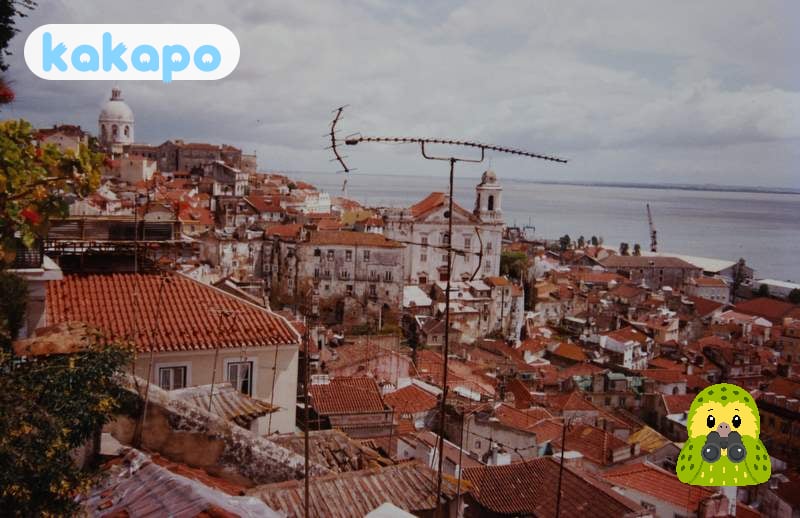
- Chiado: the central upscale district between Bairro Alto and Baixa; safe, walkable, café culture (A Brasileira, Café Tati); ideal first-time solo base.
- Príncipe Real: the gentrified hilltop district; gardens, design shops, Pavilhão Chinês cocktail bar; among Lisbon's safest evening neighbourhoods.
- Alfama: the old fado district; labyrinthine, atmospheric, residential; very safe and quiet at night, the Alfama solo-stay choice.
- Bairro Alto: the party district; lively until 03:00 weekends; safe but noisy; stay if you want the nightlife, avoid if you want sleep.
- Cais do Sodré: the Pink Street bar strip and the Time Out Market; busy and policed, occasional spillover-drunk crowds.
- Baixa: the downtown grid between Praça do Comércio and Rossio; tourist-central, pickpocket-active, safe but uninteresting.
- Belém: the western monumental district (Jerónimos Monastery, Belém Tower, MAAT); calm, tourist-day, residential-evening.
- LX Factory: the converted-warehouse cultural complex in Alcântara; restaurants, bookshop (Ler Devagar), Sunday market; safe and creative.
- Avoid as base: Intendente has gentrified but still has rough edges; Martim Moniz is the immigrant-quarter hub, safe but less polished.
Harassment level — the honest read
- Catcalling baseline: low by European standards. Portuguese culture is genuinely less catcall-heavy than Spain, Italy, France, or Greece.
- Bar/restaurant approach: in Bairro Alto and Cais do Sodré occasional, mostly from international tourists rather than locals; refused-politely standard culture.
- Dress code: entirely Western-European; no specific modesty expectations; beach swimwear at the coast normal; shoulders-covered at churches as in any Catholic country.
- Solo dining: entirely unremarked across all neighbourhoods; the tasca (small local restaurant) and the high-end restaurant equally welcoming.
- Fado-house solo: many fado evenings include solo female travellers; the houses are dinner-and-show formats with attentive staff.
- Late-night walking: comfortable solo across Chiado, Príncipe Real, Alfama, Baixa, Belém at midnight; Bairro Alto and Cais do Sodré busy and policed.
- The expat scene: significant — Lisbon's digital-nomad community is large and visible (English-speaking coworking, English-friendly cafés), which makes solo travel even easier.
Pickpocket reality and tram 28
- The pattern: organised pickpocket teams work the tourist arteries; tram 28 the highest-density route per PSP statistics. Distraction theft (someone bumps you while a partner picks); bag-snatch from chair-backs in cafés; phone-from-table in the Time Out Market.
- Tram 28 protocol: phone in front pocket; wallet in front pocket; bag in front of you across the chest; sit if you can (boarding/exit standing is high-vulnerability). Tram 12 and 24 cover much of the same Alfama route with far fewer pickpockets.
- The other hotspots: Belém Tower queue, Jerónimos Monastery queue, Time Out Market crowding, Rossio Square, Praça do Comércio after fireworks/events.
- Café/restaurant defence: bag between your feet or on your lap, never on a chair-back or hung from a hook. Phone in pocket, never on the table.
- Metro pickpocket: lower than the trams but present on line 4 (Green, through Praça do Comércio area); standard discipline.
- If picked: file denúncia at any PSP esquadra — required for insurance; the Tourism Police office at Praça dos Restauradores is English-speaking, 24/7.
Nightlife — Bairro Alto and Cais do Sodré
- Bairro Alto: dense bar grid; bars open ~22:00, close ~02:00 weekdays, 03:00+ weekends; the famous street-drink culture (buy a beer/cocktail in a plastic cup, drink on the street); safe and policed.
- Cais do Sodré Pink Street: Rua Nova do Carvalho, painted pink; bars like Pensão Amor (former brothel turned bar), Sol e Pesca; busy with international tourists.
- Time Out Market: the famous covered food hall at Cais do Sodré station; food stalls until 23:00 (24:00 weekends); bag-snatch the only routine issue.
- LX Factory bars: Rio Maravilha rooftop, Foxtrot, more relaxed than Bairro Alto.
- Pavilhão Chinês (Príncipe Real): legendary cocktail bar with antique-cluttered rooms; reservation recommended.
- Drink-spiking: very rare in Lisbon; the established bars have low incident rates. Standard precautions only.
- Getting home: Bolt and Uber both operate, cheap (€5-10 for most central rides); metro closes ~01:00, night buses run.
Transport and accommodation
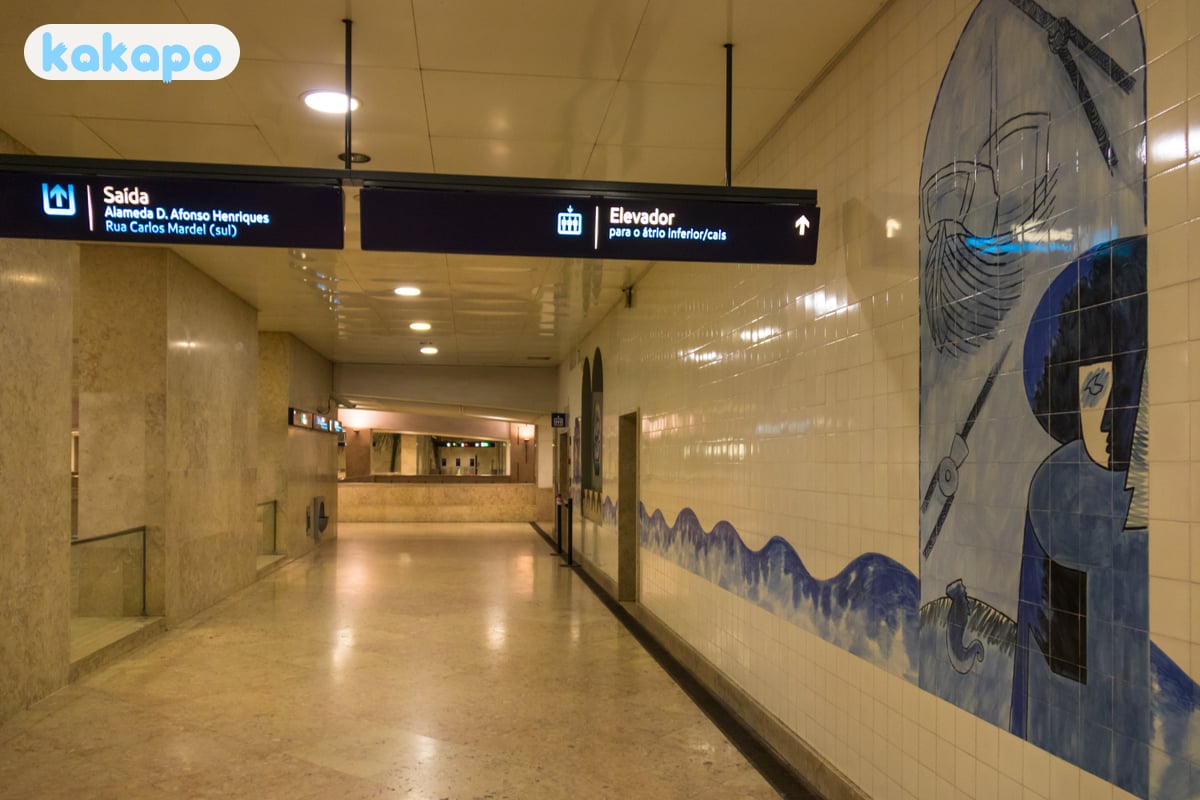
- Metro: 4 lines, all run 06:30-01:00; clean, modern, low pickpocket density compared to trams.
- Trams 28, 12, 24, 18: tram 28 is the famous tourist line and pickpocket hotspot; 12 and 24 cover much of Alfama with less risk.
- Buses and night buses: Carris operates; night buses 201-210 cover central routes after 23:30.
- Bolt / Uber / Free Now: all operate; €5-10 most central rides; entirely safe and reliable.
- Accommodation: Chiado and Príncipe Real are the prime solo-female zones; Alfama for atmospheric; LX Boutique Hotel (Cais do Sodré), Memmo Príncipe Real, Lisboa Pessoa Hotel (Chiado) are reliable mid-range.
- Female-only dorms: most hostels (The Independente, Yes Lisbon, Lisbon Lounge) offer female-only dorm options.
- Airport transfer: metro red line direct (€1.85, 25 minutes); or AeroBus (€4); or taxi/Bolt (€10-15).
If something happens
- 112 — pan-EU emergency, English-speaking 24/7.
- PSP Tourism Police (Esquadra de Turismo): Foz Palácio, Praça dos Restauradores — 24/7, multilingual, the standard place to file tourist denúncias.
- PSP main: Esquadra do Comércio (Praça do Comércio).
- Hospital São José (central Lisbon) and Hospital da Luz (private, expat-popular): the main A&E options.
- UK Embassy Lisbon: +351 21 392 4000. US Embassy Lisbon: +351 21 727 3300.
- APAV (Portuguese Association for Victim Support): 116 006 — multilingual support including for sexual assault and harassment.
Frequently asked questions
Is Lisbon safe for solo female travellers in 2026?
Yes — Lisbon is among Europe's safest capitals for solo female travellers, with violent crime and street harassment well below the European average. Portuguese culture is genuinely less catcall-heavy than Spain, Italy, France or Greece. The catch is pickpocketing on tram 28 and the main tourist arteries (Belém queues, Time Out Market, Rossio); drink-spiking is very rare. The Bairro Alto and Cais do Sodré nightlife is safe and policed despite the late-night crowds.
Where should solo women stay in Lisbon?
Chiado is the central upscale district and ideal first-time solo base — walkable, café-cultured, mid-range hotels (Lisboa Pessoa, Memmo). Príncipe Real is the gentrified hilltop, among Lisbon's safest evening neighbourhoods. Alfama is atmospheric and very safe at night. Bairro Alto is fine if you want the party scene at street level. Avoid Intendente or deepest Martim Moniz as a first base — safe but less polished. Female-only dorms exist at The Independente, Yes Lisbon, Lisbon Lounge hostels.
Is tram 28 safe for solo women?
Safe from violent crime but one of Europe's most pickpocket-rich routes per PSP statistics. The famous yellow Remodelado tram through Alfama is a heavy distraction-theft target — boarding crush at Martim Moniz, photo stops at Largo das Portas do Sol. Phone in front pocket, wallet in front pocket, bag in front of you across the chest, sit if possible. Tram 12 and 24 cover much of the same Alfama route with far fewer pickpockets. Most pickpockets are non-violent; you'll lose property, not safety.
Is Bairro Alto safe for solo women at night?
Yes — the dense bar grid is busy and policed until 03:00 weekends. The street-drink culture (buy a beer/cocktail in a plastic cup from a bar, drink on the street) makes the streets continuously walked. Bar approach is mostly from international tourists rather than locals, and the refused-politely standard works. Drink-spiking is very rare in Lisbon's established venues. Getting home: Bolt and Uber are cheap (€5-10 for most central rides); night buses run after the metro closes (~01:00).
How bad is street harassment in Lisbon?
Low by European standards. Portuguese men do not have the catcalling habits common in some Mediterranean neighbours. Solo women walking, dining, and drinking are entirely unremarked across all central neighbourhoods. Same applies in fado houses, which are dinner-and-show formats with attentive staff. The bar-approach in Bairro Alto and Cais do Sodré is occasional but mostly comes from international tourists; refused-politely is standard and effective.
Can I walk back to my Lisbon hotel late?
Yes — central Lisbon is walkable corner-to-corner in 45 minutes, well-lit on the main arteries, with continuous foot traffic in Chiado, Bairro Alto and Cais do Sodré until 02:00+. Alfama is residential and quiet but very safe. Hilly geometry can be exhausting — Lisbon's iconic slopes mean walking 'back' often means a hard climb. Bolt and Uber are cheap and instantly available; €5-10 for most central rides eliminates the climbing issue.
Are Lisbon taxis and rideshares safe?
Yes — Bolt, Uber and Free Now all operate with licensed drivers, app-tracked routes, and €5-10 fares for most central rides. Traditional metered taxis (cream-coloured) are also safe; insist on the meter. The airport transfer options are metro red line direct (€1.85, 25 minutes), AeroBus (€4), or taxi/Bolt (€10-15). Solo female travellers use rideshare without specific issue; the share-trip feature in Bolt lets a friend track your ride.
What about the digital-nomad scene?
Significant — Lisbon's digital-nomad community is large and visible, anchored in Chiado, Príncipe Real, Cais do Sodré and increasingly Marvila. The English-speaking coworking spaces (Second Home, Heden, Outsite, Avila Spaces), the English-friendly cafés, and the meetup culture (Internations, Citizen Remote events) make solo travel even easier. Many solo female digital nomads base in Lisbon for months; the expat infrastructure for female travellers is among the best in Europe.
Sources
Run a business in Lisbon?
Show visitors your Lisbon business is a safe choice. The free Verified by Kakapo badge puts Lisbon's live safety score on your website, links back to your verified page, and updates itself. No cost.
Get the free badge →