


Is Rome, Italy Safe? A 2026 Travel Safety Guide
Termini, the airport-taxi mafia, the Vatican beggar rings, and the actually-safe parts of Rome at night.

Rome's safety story is petty crime, not violent crime. Pickpockets work the bus 64, the metro to the Vatican, and the queues at the Colosseum with industrial efficiency. The few aggressive scams (taxi mafia at Fiumicino, "ring tossers" at major sights, organised beggar rings around Vatican Square) catch new tourists out every day.
Italy is at Level 2 on the US State Department's advisory (general European baseline). Violent crime against tourists is rare. The Vatican itself is a sovereign state with its own (Pontifical) gendarmerie; the area immediately outside it is heavily policed by Italian authorities.
The hardest part of a Rome trip for first-time visitors isn't crime — it's the summer heat, the crowd density at the Colosseum and Vatican Museums, and the realisation that the iconic cobbles destroy any shoes that aren't built for them.
Visiting Rome for the first time, the thing that catches most travellers off-guard isn't pickpockets — it's the pace. Romans don't queue, they cluster; they don't apologise for stepping on your foot in the bus, they shrug; restaurants don't bring the bill until you ask three times. None of this is rudeness. It's a city where the social contract is older and looser than the Anglo-American version. Lean into it and Rome is one of the most generous cities in Europe; fight it and you'll spend a week complaining about service.
In 2026, the specific things that have changed since pre-pandemic include: the Jubilee Year (Giubileo 2025) brought a once-in-25-years pilgrim surge and a major works programme — the Vatican corridor, St Peter's Square, Piazza Pia, and Via della Conciliazione have all been pedestrianised or upgraded, and the underground Piazza Pia tunnel under the Tiber finally opened in late 2024; the Metro Line C continues its glacial extension towards Piazza Venezia; tap-to-pay contactless now works on all ATAC buses, trams, and metro turnstiles (no more battling the kiosks); and tourist numbers in the central historic core have officially exceeded 2019 levels, with the Trevi Fountain and Colosseum corridor frankly miserable in June-September unless you go at 7am or 9pm.
| Night safety | 64/100 |
|---|---|
| Scam / petty-crime risk | High |
| Violent crime (tourists) | Low |
| Most common scams | pickpockets on bus 64; ring tossers at the Vatican; skip the line ticket sellers at the Colosseum |
| Safer neighbourhoods | Centro Storico, Trastevere, Monti |
| Data sources cited | 4 |
| Last verified |
What the score means — 79/100
- Healthcare (84) — Italy has universal healthcare; major Roman hospitals (Policlinico Umberto I, Gemelli, San Camillo) handle emergencies regardless of citizenship. EU citizens with EHIC pay nothing.
- Night (76) — central Rome (Centro Storico, Trastevere, Monti) is alive until 1-2am and well-policed. Outer districts and Termini's eastern side go quiet.
- Transport (76) — the Metro is small (lines A, B, C); buses and trams fill the rest. Pickpockets work specific routes intensely.
- Personal safety (70) — the lowest sub-band. Per Italian Ministry of Interior data, Rome reports ~30,000 pickpocketing incidents annually, the bulk against tourists.
Termini Station — the country's pickpocket capital
Termini is Rome's main rail station and the most pickpocket-active piece of real estate in Italy. It's also unavoidable — both Roma airports (Fiumicino and Ciampino) connect via Termini, and most metro/bus tourism radiates from there.
- The pickpocket density spikes at the metro entrance, on the moving walkways between platforms, and in the morning rush around the long-distance train platforms.
- The "you have a stain on your shirt" scam: someone sprays mustard or coffee on your sleeve, then a "kind passer-by" helps you clean it. Their accomplice has your wallet 20 seconds in.
- The "show me your ticket" scam: official-looking person in plain clothes asks to inspect your ticket. Real Trenitalia inspectors wear visible ID and uniforms; never let anyone hold your wallet or passport.
- The eastern side of Termini (Esquilino — the streets behind the station): mixed neighbourhood, fine in daylight, advisable to take a taxi after 11pm rather than walk.
- Tip: arrive at Termini, get on the metro/bus, leave. Don't linger in the station hall longer than you need.
Tourist-site scams — Vatican, Colosseum, Trevi
- Bus 64 — Termini to Vatican. The most-pickpocketed bus in Italy. If you can walk or metro, do.
- "Ring tossers" / friendship-bracelet hustlers at the Vatican entrance, Spanish Steps, Colosseum entrances. Hands in pockets if approached.
- Aggressive beggar rings around Vatican Square — often using children or pretending to be disabled. Police actively work the area; don't engage.
- "Skip the line" ticket sellers at the Colosseum and Vatican Museums — most are touts. Real "skip the line" comes via the official sites: parcocolosseo.it, museivaticani.va.
- Restaurant tourist menus immediately around the Vatican, Trevi, Spanish Steps — €25 spaghetti carbonara, "service charge" added. Walk one block away from the monument; menus drop 30%.
- The "thrown rose" from a beggar: someone hands you a rose, then asks for money. Don't accept.
Airport taxis — the regulated rate
Rome's airport-taxi mafia is one of the EU's persistent tourism problems. The municipal solution is a regulated flat rate, but unofficial drivers ignore it.
- Fiumicino (FCO) → central Rome (within Aurelian Walls): regulated flat rate €55. Includes luggage and tolls. The taxi driver MUST charge this rate by law.
- Ciampino (CIA) → central Rome: regulated flat rate €40.
- Use only the white taxis at the official rank. Drivers offering you a ride inside the terminal building are unregulated.
- If the meter is on instead of the flat rate: insist on the flat rate. Take a photo of the taxi licence plate visible inside the cab. Report fare disputes to the city: +39 06 06 09 91.
- Trains from Fiumicino: Leonardo Express to Termini, €14, 32 min. Alternative.
- Uber works in Rome as Uber Black only (regulated as a chauffeur service, more expensive than taxi). FREE NOW also operates.
Areas — comfortable, mixed, and the few to avoid at night

Comfortable everywhere: Centro Storico, Trastevere, Monti, Ponte (Castel Sant'Angelo area), Prati, Vatican City and surroundings, Aventino (residential, calm), Testaccio (foody, lively).
Mixed: Esquilino (south of Termini) — multicultural neighbourhood, fine by day. Pigneto — formerly rough, now hip; same dynamic as east London or Brooklyn.
Stay aware after dark: San Lorenzo (university area) — fine but loud, drunken; Tor Bella Monaca and Romanina on the far eastern edge — working-class, no tourist reason to go there. Termini at 1am — take a taxi, don't walk through.
Neighbourhood-by-neighbourhood breakdown
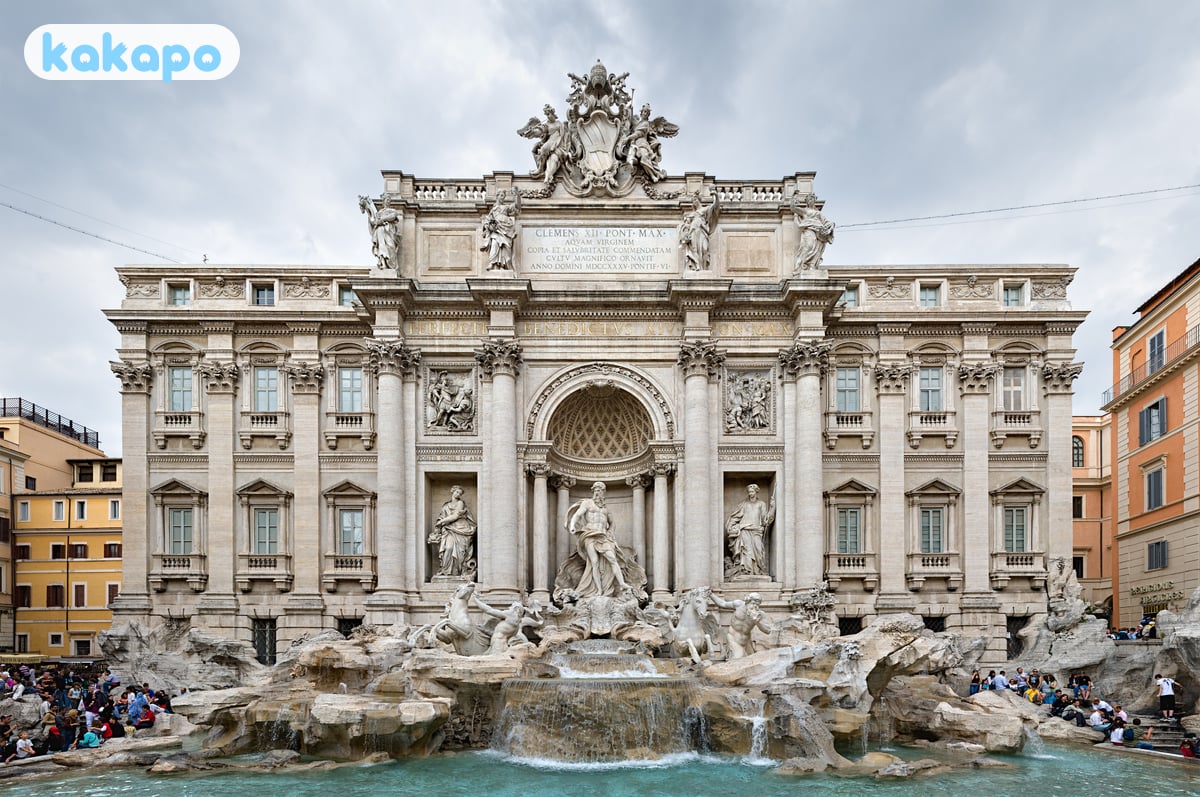
- Centro Storico — the historic core. Pantheon, Piazza Navona, Campo de' Fiori, Trevi Fountain. Heavily-touristed, heavily-policed, very safe. Pickpockets work the dense fountain crowds; the back streets between sites are quiet and beautiful.
- Trastevere — bohemian neighbourhood across the Tiber. Cobblestone alleys, trattorias, ivy-covered walls. Daytime calm, evening lively (especially Friday and Saturday). Safe to walk at any hour; the central piazzas (Santa Maria, San Cosimato) are alive late.
- Monti — the most "neighbourhood" feeling of central Rome. Independent shops, wine bars, the Madonna dei Monti fountain as the local meeting point. Walk-from-Colosseum distance. Very safe, very pleasant evening district.
- Prati and Vatican area — north of the Vatican walls. Grid-pattern streets, residential-respectable, good restaurants. Safe day and night. The streets immediately around St Peter's Square are pickpocket-active during pilgrim peaks; the residential blocks beyond Via Cola di Rienzo are calm.
- Testaccio — south of the centre. Roman foodie neighbourhood (Mercato Testaccio, classic Roman trattorias for offal-based cuisine), former slaughterhouse-turned-museum district. Local, lively, safe.
- Termini area (Esquilino) — around the main rail station. Multicultural, scrappier, fine in daylight, harder at 1am. The Esquilino market is the city's biggest international food market. Take a taxi after midnight rather than walking through.
- Pigneto and San Lorenzo — east of the centre. University and creative-class districts. Lively nightlife. Safe with normal awareness; San Lorenzo gets drunken-loud on weekends but isn't menacing.
If it's your first time visiting
- Best arrival airport: Fiumicino (FCO) for international long-haul; Ciampino (CIA) for budget European (Ryanair, Wizz Air). FCO to centre: Leonardo Express to Termini €14 in 32 minutes, or the regulated flat-rate taxi €55 inside the Aurelian Walls. CIA to centre: SIT or Terravision bus €6 in 45 minutes, or taxi flat-rate €40.
- Buy a Roma Pass or just use contactless on the metro and buses. ATAC tickets are €1.50 single, €7 for 24 hours, €18 for 48 hours. Contactless tap on the new turnstiles works on Lines A and B and many buses.
- Best neighbourhood for your first night: Monti for atmosphere and walkable proximity to the Colosseum and Roman Forum; Trastevere for evening character; Centro Storico for absolute centre but with peak-season noise. Avoid first-time bookings around Termini (functional but ugly), in EUR (modern, far), or anywhere advertised as "near Fiumicino" (you'll be a 30-minute train from the city).
- Day 1, jet-lag friendly: morning Colosseum (book a timed ticket on parcocolosseo.it), Roman Forum and Palatine Hill (same ticket), lunch in Monti, afternoon walk via the Capitoline to Piazza Venezia and Largo Argentina. Avoid trying to also do the Vatican on day 1 — it's a separate full day.
- Common rookie mistakes: ordering cappuccino after 11am (locals don't, you'll be mocked silently); sitting at a café table without realising the price doubles versus standing at the bar (read both prices on the till); buying water at the tourist sites for €4 (the nasoni public drinking fountains are everywhere — fill your bottle for free); riding the bus without validating your ticket (€100 fine if checked); booking a "skip the line" Vatican tour from a street tout (always book on museivaticani.va); and wearing shorts to St Peter's (covered shoulders and knees enforced).
- Tipping: not expected the way it is in the US. Round up or leave a euro or two for good service. The "coperto" line on the bill (€2-3) is a cover charge — not a tip — and is legitimate at sit-down restaurants if listed on the menu.
- Restaurant choice: walk one block from any major monument before sitting down. A Carbonara is €12-16 anywhere good; on Piazza Navona it's €24 and worse. The trick is to check the menu language — if the menu is in five languages with photos, walk on.
- Cobbles: bring shoes that can take them. Sanpietrini (the Roman cobblestones) are beautiful and unforgiving. Heels are a comedy of errors. Even good walking shoes take a beating.
Practical info — emergency numbers
- European emergency: 112.
- Carabinieri: 112 (now unified).
- Polizia di Stato: 113.
- Ambulance: 118.
- Fire: 115.
- Tourist police: at major sites (uniformed); the Ufficio Polizia Roma Capitale handles tourist disputes, English speakers available.
Bring: shoes that can take cobbles, a hat, reef-safe sunscreen if visiting June-September, a card without foreign-transaction fees, an unlocked phone (Iliad, TIM, Vodafone Italia prepaid SIMs), and reasonable expectations about the August heat (often 40°C+). Tap water is excellent — fountains throughout the city are potable.
Frequently asked questions
Is Rome safe to visit in 2026?
Yes. Rome is broadly safe with the very well-known pickpocket pattern at Termini, the Vatican entry queue, Trevi Fountain, Spanish Steps + Colosseum corridor. Italy sits at US Level 2 (general European terrorism baseline); UK FCDO has no overall advisory against travel. Violent crime against tourists is rare.
Is Rome safe at night?
Yes for central Rome (Centro Storico, Trastevere, Monti, Testaccio). Trastevere + Monti are alive late + well-policed. Termini station + the immediate streets around it are scrappier after midnight — use taxis or Uber for arrival/departure. Avoid the wider Esquilino district at 2-3am if you're alone.
What's the most dangerous area of Rome?
Rome doesn't have specific tourist 'no-go' zones in the central core. Termini + surrounding streets (Via Marsala, Via Gioberti) have highest petty-crime density. Tor Bella Monaca + Romanina + some outer GRA-zone districts have residential crime patterns but aren't on visitor itineraries. The 'Gladiator' photo touts at the Colosseum are tourist-aggressive, not violent.
Is Rome safe for solo female travellers?
Yes, with standard precautions. Rome ranks well on solo-female-safety indices. Catcalling is more common than Northern Europe but typically non-aggressive. Stick to busy streets after midnight, use Free Now/Uber rather than street taxis, watch your drink in nightlife (Campo de' Fiori, Trastevere).
Can you drink tap water in Rome?
Yes — Rome's tap water is excellent + free at every restaurant. The famous 'nasoni' (drinking fountains, 2,500+ across the city) are drinking-grade + heavily-tested. The water comes from ancient aqueducts (some still in use) — Rome is one of the few major capitals where tap quality is consistently better than bottled.
What's the biggest scam to avoid in Rome?
The 'gladiator photo' at the Colosseum + Roman Forum — costumed touts demand €5-20 after the photo. The 'bracelet/rose' pattern at Trevi + Spanish Steps. Restaurant 'coperto + service' surprise charges at Piazza Navona + Trevi tourist-traps (reputable Roman restaurants list the cover charge on the menu, typically €2-3). Termini taxi 'broken meter' — the airport flat rate is €55 from FCO, insist on it.
Is the Vatican included as part of Rome's safety?
Yes for visitors. The Vatican is its own state but the entry queue + St Peter's Square are pickpocket-active (organised teams work the queue). The Vatican Museums book online — never buy from the touts outside selling 'skip-the-line' tickets at 2-3x the official price (~€20). The Vatican Police don't have jurisdiction outside the walls; Italian Polizia + Carabinieri handle the surrounding streets.
Sources
Run a business in Rome?
Show visitors your Rome business is a safe choice. The free Verified by Kakapo badge puts Rome's live safety score on your website, links back to your verified page, and updates itself. No cost.
Get the free badge →