


Safest Mexico City Neighbourhoods for Digital Nomads 2026
Condesa, Roma Norte, Roma Sur, Polanco, Coyoacán, San Ángel — which colonia actually works for a 1-6 month stay, with coworking density, security, walkability, and the local-vs-expat reality.

Mexico City has, since the post-2018 digital-nomad wave, become one of the world's most-saturated remote-work destinations — alongside Lisbon, Bali and Medellín — and the safety geography of the city has been fundamentally shaped by where the nomads actually live. An estimated 25,000-40,000 long-stay foreign remote workers live in CDMX at any given time in 2026, concentrated in maybe six neighbourhoods (colonias) out of the city's hundreds.
The honest 2026 read on safety: Mexico City's overall reputation as "dangerous" is increasingly out of step with the tourist-zone reality. Violent crime in the colonias where nomads actually live is comparable to medium-sized US cities (Austin, Denver) and substantially safer than (say) Caracas or Tegucigalpa. The risks that do apply — petty theft, occasional armed mugging on transitional streets, the post-2024 over-tourism backlash and gentrification protests, the airport-pickup express-kidnap risk — are concentrated in specific zones and avoidable with specific precautions.
This guide ranks the six standard nomad-recommended colonias (Condesa, Roma Norte, Roma Sur, Polanco, Coyoacán, San Ángel) by safety, coworking density, walkability and the local-vs-expat balance — and names the colonias that aren't on the list (Doctores, Centro Histórico, Iztapalapa) and why.
| Night safety | 41/100 |
|---|---|
| Scam / petty-crime risk | Medium |
| Violent crime (tourists) | Medium |
| Most common scams | airport-pickup express-kidnap risk; armed mugging on transitional streets; gentrification protests |
| Safer neighbourhoods | Condesa, Roma Norte, Polanco |
| Data sources cited | 4 |
| Last verified |
Condesa — the original digital-nomad colonia
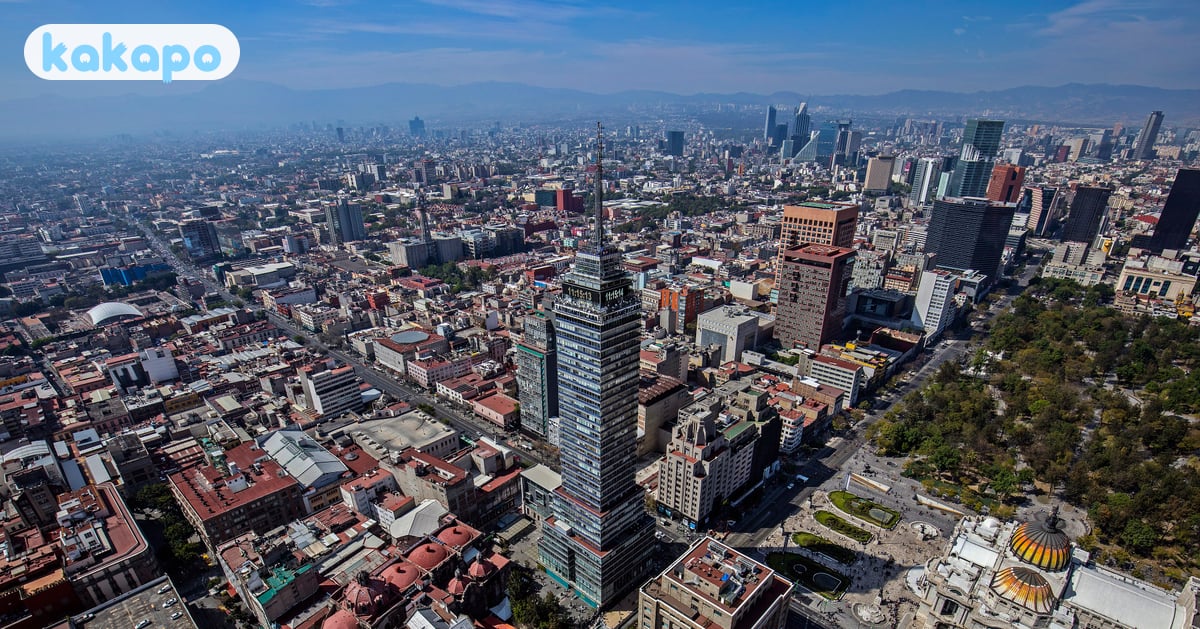
- Safety baseline: among the safest tourist-zone colonias. Tree-lined streets (Avenida Amsterdam, Avenida México), Art Deco architecture, Parque México and Parque España. Visible city police on most major intersections.
- Coworking density: highest in the city. WeWork Reforma 26, Selina Mexico City Downtown, Público Roma Norte (just over the border), Impact Hub Mexico City. Dozens of café-coworking options (Café Memorial, Cardinal Casa de Café, Eno).
- Rent (2026): 1-bed Airbnb US$1,200-2,500/month; rental apartment via Mexico-based agents US$900-1,800 with 6-month lease. Condesa's prices have ~doubled since 2019.
- Walkability: among CDMX's most-walkable colonias. The Avenida Amsterdam loop, the cafés on Tamaulipas, the restaurants on Nuevo León. Metro stops: Patriotismo, Chilpancingo (line 9).
- The negatives: the gentrification backlash is most acute here. 2024-25 saw resident protests against expat displacement; some restaurants now have Mexican-Spanish-language signage encouraging non-resident foreigners to spend money outside the colonia. The "gringo problem" debate is real but doesn't translate to safety risk.
- The verdict: still the default recommendation for first-time CDMX nomads. Cap stays at 2-3 months if you don't want to be part of the gentrification problem; do spend at fully Mexican-owned restaurants.
Roma Norte — Condesa's sibling and rival
- Safety baseline: comparable to Condesa. Slightly grittier streets in feel (less tree cover, more commercial density) but the same safety statistics.
- Coworking density: very high. Selina Roma, Público, Centraal, Estación Roma. Café-coworking: Cucurucho, Maque, Café Avellaneda, Almanegra.
- Rent (2026): 1-bed Airbnb US$1,100-2,200/month; long-term lease US$850-1,600.
- Walkability: excellent. Avenida Álvaro Obregón is the main spine; Plaza Río de Janeiro and Plaza Luis Cabrera are the squares. Metro: Insurgentes (line 1), Niños Héroes (line 3).
- The food scene: arguably better than Condesa. Contramar (the famous seafood institution), Maximo Bistrot, Lalo!, the various Plaza Río de Janeiro venues.
- The Tepito border: Roma Norte's northeast edge approaches Tepito (the famous historic gritty neighbourhood). Stay south of Calle Durango and you're fine; the border is sharp.
- The verdict: the default alternative to Condesa. Slightly better food scene; slightly less green; same safety. Many nomads prefer Roma Norte for the cultural-and-museum density.
Roma Sur — the cheaper Roma
- Safety baseline: slightly lower than Roma Norte but still solidly in the safe-tourist-colonia tier. The southern edge approaches Mixcoac and Nápoles, which are quieter and more residential.
- Coworking density: lower than Norte. A few options (Económicos, Workosfera) but expect to commute to Condesa/Roma Norte for major coworking.
- Rent (2026): 30-40% cheaper than Roma Norte. 1-bed Airbnb US$700-1,400/month; long-term US$550-1,000.
- Walkability: good within the colonia, slightly less than Norte. Metro: Centro Médico (line 3), Hospital General (line 3).
- The atmosphere: more residential, more Mexican families, fewer expats. The local-vs-expat tension is lower; the cultural integration easier.
- The verdict: undervalued. If you want the Roma Norte food/café access without paying Roma Norte prices, this is the move. 6-month leasers especially should consider Roma Sur over Norte.
Polanco — the upscale option
- Safety baseline: among the safest colonias in CDMX. Heavily patrolled, very low crime baseline, the kind of place where political figures and the wealthy live.
- Coworking density: moderate. WeWork Polanco, Spaces Lago, several premium coworking options. Less density than Condesa but plenty of choice.
- Rent (2026): significantly more expensive. 1-bed Airbnb US$1,800-3,500/month; long-term lease US$1,400-2,800.
- Walkability: very good. The Avenida Presidente Masaryk shopping strip; Parque Lincoln; the museum cluster (Museo Soumaya, Museo Jumex). Metro: Polanco (line 7).
- The food scene: top-end. Pujol, Quintonil, Sud 777-adjacent, Cicatriz, Eno.
- The atmosphere: international-business district. Many embassies, multinational headquarters, the city's wealthier residents. Less "Mexican neighbourhood" feel than Condesa or Roma.
- The verdict: for nomads who want premium safety, premium coworking and don't mind the price, Polanco is the move. For travellers wanting cultural immersion, Condesa or Roma Norte are better matches.
Coyoacán — the cultural-immersion option
- Safety baseline: very safe. Coyoacán is a historic colonial-era town absorbed into CDMX; pedestrianised plazas, family neighbourhoods, very low crime.
- Coworking density: low. The famous bookstores (Cafebrería El Péndulo, Gandhi) double as informal coworking; a few formal options (Selina Coyoacán). Expect to spend most coworking time at Centraal, Wework or Selina equivalents in Condesa/Roma.
- Rent (2026): 1-bed Airbnb US$800-1,500/month; long-term US$650-1,200.
- Walkability: excellent within the colonia (Plaza Hidalgo, Plaza Centenario, the Frida Kahlo Museum area, the Sunday market). Limited walkability to the rest of CDMX — Coyoacán is 8-10km south of Condesa.
- The cultural draws: Frida Kahlo Museum (Casa Azul), Leon Trotsky Museum, the Sunday market in Plaza Hidalgo, the famous churros at El Moro. UNAM (the national university) is adjacent.
- The atmosphere: most Mexican of the major nomad options. Families on weekends, university students mid-week, fewer expats than Condesa/Roma.
- The verdict: for longer-stay (3-12 month) nomads who want cultural immersion rather than expat-community density. Coyoacán is the answer to "I want to live in Mexico City, not in Brooklyn-on-Mexico."
San Ángel, Del Valle, Nápoles — the secondary options
- San Ángel: another colonial-era southern colonia. Plaza San Jacinto, the famous Bazar del Sábado (Saturday craft market), the Diego Rivera and Frida Kahlo Studio Museum. Quiet, residential, very safe. Coworking low; commute to Condesa/Roma.
- Del Valle (Centro and Norte): middle-class residential. Very safe, much cheaper than Roma/Condesa, less hip but more authentically Mexican. Some coworking (the Insurgentes Sur metro corridor has multiple options).
- Nápoles: business-district adjacent. The World Trade Center Mexico City, the Polyforum Cultural Siqueiros. Quiet, safe, moderate rent. Lower expat density.
- Escandón: just south of Condesa, the "next Condesa" before Roma Sur took that title. More authentically Mexican neighbourhood, cheaper, very walkable to Condesa/Roma.
- Juárez: north of Roma Norte, the area where Avenida Reforma meets the Zona Rosa nightlife strip. Mixed — parts very safe, parts (Zona Rosa late-night) less so. Lower-cost alternative to Roma Norte for short stays.
- The verdict: any of these as the "second stay" after a first Condesa/Roma orientation. They're where long-term residents live; the cultural fit improves substantially.
Which colonias to avoid for nomadding
- Tepito: the famous gritty historic market neighbourhood. Visitable on a guided cultural tour with the right operators; not somewhere to live or to wander alone.
- Doctores: south of Roma Sur, mid-tier industrial-residential. Higher petty-crime baseline; not where nomads stay.
- Centro Histórico (the historic centre): visit for the Zócalo, Templo Mayor, Catedral Metropolitana. Don't stay overnight unless you specifically want the historic-hotel experience — the area empties hard after offices close and has the highest tourist-targeted petty crime in central CDMX.
- Iztapalapa, Gustavo A. Madero, Iztacalco: working-class boroughs far from the tourist core; no reason for a nomad to be there.
- The Estado de México border zones (Ecatepec, Naucalpan, Nezahualcóyotl): technically separate metropolitan areas with significantly higher violent-crime baselines. Not where you'd stay; not where you'd visit casually.
- The general rule: if a colonia isn't in the list of six above (Condesa, Roma Norte, Roma Sur, Polanco, Coyoacán, San Ángel) or the secondary list (Del Valle, Nápoles, Escandón, Juárez), do specific research before booking. The CDMX safety geography is sharp enough that the wrong-colonia choice can mean a meaningfully different experience.
Frequently asked questions
Which Mexico City neighbourhood is safest for digital nomads in 2026?
Polanco is the absolute safest (international business district, very low crime baseline, heavily patrolled) but the most expensive (US$1,800-3,500/month for a 1-bed Airbnb). Condesa and Roma Norte are the default "safe-and-affordable" options (US$1,100-2,500/month) with the highest coworking density. Coyoacán is the safest for cultural immersion at lower cost (US$800-1,500/month) but with lower coworking density.
Is Condesa safe for digital nomads?
Yes — among CDMX's safest colonias, tree-lined Art Deco neighbourhood with the highest coworking density in the city (WeWork, Selina, Impact Hub plus dozens of café-coworking options). 1-bed Airbnb US$1,200-2,500/month in 2026. The catch is the 2024-25 gentrification backlash — Condesa is the colonia where the expat-displacement protests have been most acute. Cap stays at 2-3 months; spend at fully Mexican-owned restaurants.
What's the difference between Roma Norte and Roma Sur?
Roma Norte is the hipper, more expensive, more expat-dense option with better cafés and restaurants (Contramar, Maximo Bistrot, Lalo!). Roma Sur is 30-40% cheaper, more residentially Mexican, with lower coworking density and lower local-vs-expat tension. For 1-2 month stays Roma Norte is the default; for 6-month stays Roma Sur is undervalued — same safety, same access to Condesa amenities, much better price.
Is Coyoacán a good neighbourhood for nomads?
Yes for longer-stay (3-12 month) nomads who want cultural immersion rather than expat-community density. Very safe, historic colonial-era town absorbed into CDMX, pedestrianised plazas, the Frida Kahlo and Leon Trotsky museums, the famous Sunday market. 1-bed Airbnb US$800-1,500/month. The catch is coworking density is low and you'll commute 8-10km to Condesa/Roma for serious coworking spaces.
Should I stay in Centro Histórico as a digital nomad?
No — Centro Histórico is for daytime visits (Zócalo, Templo Mayor, Catedral Metropolitana) not for nomadding. The area empties hard after offices close, has the highest tourist-targeted petty crime in central CDMX, and lacks the cafés and coworking the other colonias offer. Stay in Condesa, Roma Norte, Roma Sur, Polanco, Coyoacán or San Ángel; visit Centro Histórico for a day.
Is Polanco worth the higher rent for nomads?
If you can afford it and you want premium safety and access to top-end restaurants (Pujol, Quintonil), yes. Polanco is among CDMX's safest colonias, has dedicated WeWork and premium coworking, and the Avenida Presidente Masaryk shopping strip is the city's most refined. The catch is it feels less "Mexican neighbourhood" — international-business district, less cultural immersion than Condesa/Roma/Coyoacán. US$1,800-3,500/month for a 1-bed Airbnb in 2026.
What about the gentrification backlash against nomads in CDMX?
Real and acute in 2024-25 — Condesa and Roma Norte have seen resident protests, some bilingual-Spanish signage encouraging non-resident foreigners to spend outside the colonia, and a real political debate about expat-driven displacement. None of this translates to safety risk for nomads, but it's a factor in choosing how to engage with the city. Cap stays in Condesa/Roma Norte; spend at Mexican-owned businesses; learn Spanish; choose Roma Sur or Coyoacán for longer stays where the integration is easier.
Sources
Run a business in Mexico City?
Show visitors your Mexico City business is a safe choice. The free Verified by Kakapo badge puts Mexico City's live safety score on your website, links back to your verified page, and updates itself. No cost.
Get the free badge →