


Is Kochi (Shikoku), Japan Safe? A 2026 Travel Safety Guide
Pacific typhoons hitting Shikoku direct, the Yosakoi festival August crush, the 88-temple henro pilgrimage, the Nankai Trough megaquake context, and the realities of Japan's most-overlooked regional capital.

Kochi (高知) — population ~320,000, the largest city on Shikoku island in southwestern Japan — is one of the country's most-overlooked regional capitals. Not to be confused with Kochi/Cochin in Kerala, India. It sits on a long Pacific-facing peninsula, has a defining cultural identity tied to the Edo-period Tosa domain, and is the natural gateway to the 88-temple Shikoku henro Buddhist pilgrimage.
The honest concerns are environmental and infrastructural. Kochi sits in a Pacific typhoon corridor — direct strikes are common (the city is one of Japan's most-typhoon-exposed prefectural capitals); the August Yosakoi Festival (one of Japan's biggest summer dance festivals) brings 1 million visitors and overwhelms accommodation; the Shikoku henro 1,200km pilgrimage circuit involves real outdoor walking and traditional etiquette; the Nankai Trough megathrust scenario (Japanese government has long modelled a major Pacific-coast earthquake/tsunami as inevitable within decades) puts coastal Kochi at high risk. Outside these issues, Kochi is exceptionally safe — crime against tourists is essentially nonexistent.
The US State Department lists Japan at Level 1; UK FCDO has no advisories. Both note the standard typhoon and earthquake context.
| Night safety | 91/100 |
|---|---|
| Scam / petty-crime risk | Low |
| Violent crime (tourists) | Low |
| Most common scams | pickpocketing at Hirome Ichiba; overwhelmed accommodation during Yosakoi Festival; heatstroke risk during Yosakoi Festival |
| Safer neighbourhoods | Harimaya-bashi, Kochi Castle, Katsurahama |
| Data sources cited | 4 |
| Last verified |
What the score means — 80/100
- Personal safety (96) — exceptional. Kochi is Japan-quiet.
- Transport (86) — Kochi Airport (KCZ); JR Tosa-Kuroshio rail; Tosaden trams; rental car for henro pilgrimage trail.
- Healthcare (84) — Kochi Medical School Hospital and Kochi Health Sciences Center are regional referrals; English support limited.
- Air quality (90) — generally pristine; coastal location; rural setting.
Pacific typhoons — Shikoku direct hits
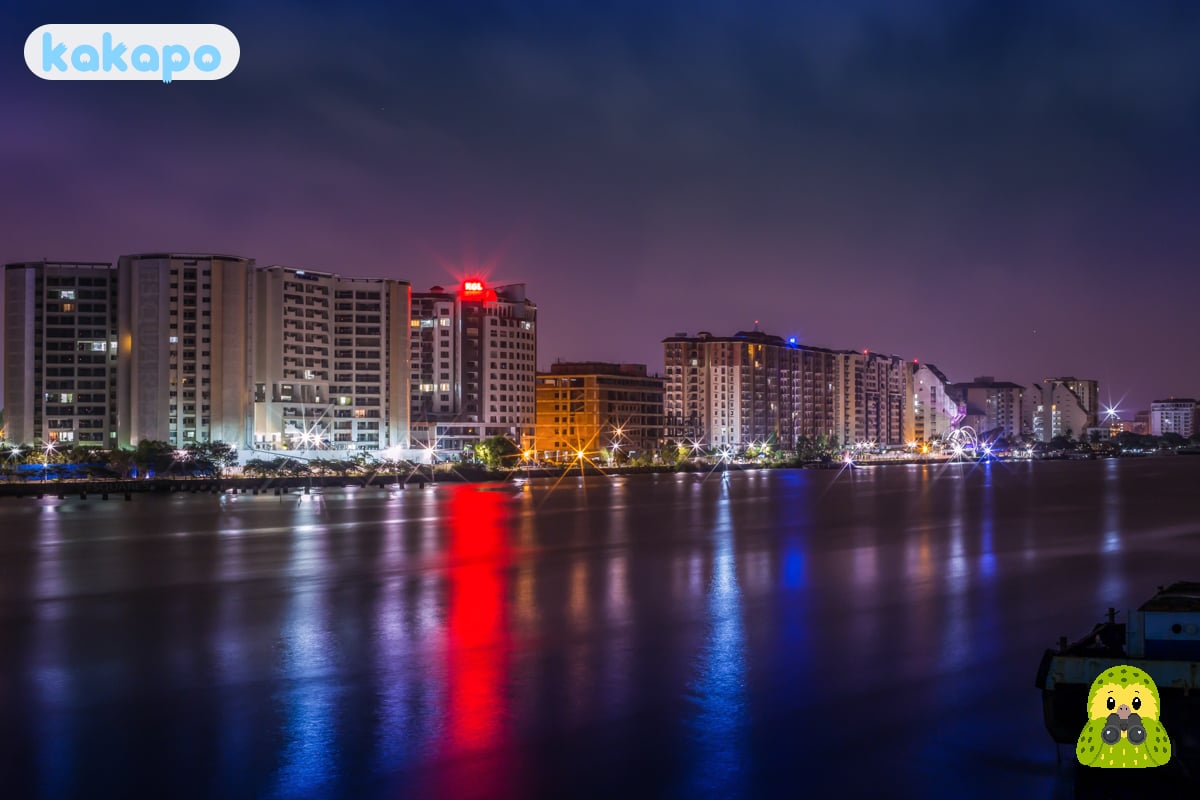
- Why Kochi: the city sits on Shikoku's south coast, directly facing the Pacific typhoon track. Direct strikes happen 1-3 times per year.
- Recent severe events: Typhoon Hagibis 2019 (Cat 4 lashed Shikoku), Typhoon Trami 2018 (direct Kochi hit), Typhoon Lan 2017. Multiple lower-category strikes most years.
- Season: July-October; peak August-September.
- What closes: Kochi Airport (KCZ) suspends flights at typhoon-strength winds; JR Shikoku rail reduces service; ferries to/from Kobe and Tokyo cancel.
- Storm-surge zones: Kochi city's southern coastal areas (Tatsumi, Nankoku) flood in major typhoons.
- If a typhoon warning is issued: stay at hotel; J-Alert pushes warnings to phones; stock 24-48h supplies.
- Best windows: April-May (mild, before typhoon season; cherry blossom); November (post-typhoon, autumn foliage). Avoid August-September peak typhoons unless attending Yosakoi.
- Insurance: cancellation cover essential August-October.
Yosakoi Festival — August 9-12 each year
- What it is: Yosakoi Matsuri is one of Japan's biggest summer dance festivals; born in Kochi 1954 as a post-war recovery initiative; now spawned versions across Japan.
- Dates: held annually August 9-12 (4 days); 200+ teams, ~20,000 dancers, choreographed routines with naruko (clappers), parading through 16 designated venues across Kochi city.
- Crowds: ~1 million visitors over the festival period; accommodation triples in price and books out 6+ months ahead. Walk-up booking impossible.
- Where to watch: Chuo Park (free), Otesuji (covered shopping street), Chikurin-ji area; "Free zone" venues are first-come.
- Heatstroke risk: festival dates are peak summer (32-35°C with humidity); heat-related ED admissions spike; dancers and watchers both. Hydrate, hat, mid-day breaks.
- Pickpocketing: low by Western standards but elevated for Japan; standard precautions in crowds.
- Awa Odori comparison: Tokushima's Awa Odori (also Shikoku, also August 12-15) is even bigger; many tourists do both Yosakoi (Kochi 9-12) then Awa Odori (Tokushima 12-15) sequentially.
- If you avoid August: Kochi Castle, Sunday Market, Sakamoto Ryoma sites are all year-round.
Shikoku henro — the 88-temple pilgrimage
The Shikoku 88-temple pilgrimage (henro) is one of the world's most established Buddhist pilgrimages — 1,200 km circuit visiting 88 temples around Shikoku island, traditionally walked in 30-50 days. Kochi prefecture has temples 24-39 (the "Tosa" segment, the longest single prefectural section).
- Modern walking: most foreign henro walk only segments (1-2 weeks); some do the full 30-50 days. Reputable operators (Walk Japan, Oku Japan) offer guided sections.
- Pilgrim etiquette: traditional henro wear white robes (oizuru), straw hat (sugegasa), and carry a wooden staff (kongozue — represents Kobo Daishi). Foreigner pilgrims welcome to wear or not.
- Temple visiting: ring the bell on entering; ablute at the chōzuya; chant the Heart Sutra (or stand respectfully); make offering at the main hall and Daishi Hall; receive temple stamp (nokyo) in your stamp book (nokyo-cho, ~¥3,000 buy at temple 1).
- Dress code at temples: modest; covered shoulders/knees; remove shoes at main hall.
- Walking safety: rural mountain trails between temples; sturdy shoes; sun protection; rain gear; carry water (some temple stretches 20+ km without supplies); know your day's accommodation.
- Wildlife: Japanese black bears (lower in Shikoku than Hokkaido but present in mountain interior); poisonous mamushi snakes (avoid grass); leeches in monsoon.
- Traditional accommodation: shukubo (temple lodging), minshuku (family-run inns), modern minshuku 5,000-10,000 yen. Book ahead in cherry blossom (Apr) and autumn foliage (Nov) seasons.
- Don't try a long pilgrimage in summer: heat-stroke risk severe; most experienced foreign henro walk April-May or October-November.
Nankai Trough megaquake — the long-term context
- What it is: the Nankai Trough is the subduction zone running from Tokai to off western Shikoku; Japanese government modelling estimates a major megathrust event (M8-9) within next 30 years has meaningful probability.
- Kochi vulnerability: directly above the trough; if a major Nankai event occurs, modelling suggests Kochi could see ground shaking of 6+ on the JMA seismic intensity scale, plus tsunami of 10-30 metres reaching the coast within 5-15 minutes.
- August 2024 advisory: Japan issued its first-ever Nankai Trough megaquake advisory after a M7.1 in Miyazaki; expired a week later. These advisories raise probability slightly; they're not predictions.
- What to do: if you feel strong shaking, especially if it lasts longer than 30 seconds, head inland or to high ground IMMEDIATELY. Don't wait for sirens. Designated tsunami evacuation routes posted across Kochi city.
- Kochi tsunami evacuation buildings: tall buildings designated as vertical-evacuation refuges; signs visible across coastal Kochi.
- Phone alerts: J-Alert pushes earthquake/tsunami warnings to all phones in Japan within seconds of event detection.
- Don't stay in low-lying coastal accommodation if you're risk-averse; most Kochi tourist hotels are in central city (slightly higher elevation) or designated tsunami-safe.
- Day-trip activities: ordinarily safe; the Nankai context is decadal-scale risk, not "this week" risk.
Areas — Harimaya-bashi, Kochi Castle, Katsurahama
Recommended bases: around Kochi Castle / Harimaya-bashi (central) — Hotel Tosa, JR Hotels Kochi, Daiwa Roynet Kochi; walking to Hirome Market, Castle, Sunday Market. Katsurahama (south coast) — quieter; Sakamoto Ryoma statue and Tosa Inu Park; basic accommodation. Aki / Muroto (east of city) — gateway to Cape Muroto and southern henro temples.
Hirome Ichiba (Hirome Market): the famous food hall in central Kochi; katsuo no tataki (seared bonito — Kochi's signature dish), local sake, izakaya-style; pickpocket precautions at peak crowds.
There are no genuinely dangerous neighbourhoods in Kochi.
Transport — airport, JR Shikoku, the henro car
- Kochi Airport (KCZ): 14 km east of city; direct flights from Tokyo (Haneda 1 hr 25), Osaka (50 min), Nagoya. Limousine bus to JR Kochi station ¥740 (40 min); taxi ¥4,000-5,000.
- JR Shikoku: Kochi station is a hub for Shikoku rail; limited express to Okayama (mainland connection) 2.5 hr; to Matsuyama (Shikoku west) 2.5 hr; to Takamatsu (Shikoku north) 2 hr.
- Tosaden trams: heritage tram network in Kochi city — runs on 4 lines; ¥200 single fare; tourist-useful.
- To Tokyo: 1 hr 25 by air; 8-9 hr by Shinkansen + JR Shikoku via Okayama.
- Henro pilgrimage transport: rental car for non-walkers (covers all 88 temples in 7-10 days); JR + bus combinations possible but slow; e-bike rental popular for moderate-fitness pilgrims.
- Driving: drive on the LEFT (Japan). Foreign visitor needs International Driving Permit.
Money, food, emergency numbers
- Currency: Japanese yen (¥). $1 ≈ ¥152.
- Cards: chains and hotels yes; small Hirome Market stalls and minshuku cash. 7-Eleven and Japan Post Bank ATMs take foreign cards.
- Tipping: not done.
- Food: Kochi cuisine — katsuo no tataki (the city's signature seared-bonito dish, eaten with garlic and salt), sawachi-ryori (multi-dish presentation platter), Tosa-jiro chicken, yuzu citrus, Tosa sake. Hirome Market is the food-tour anchor.
- Tap water: safe.
- Heat / humidity: 28-33°C summer with humidity; mild winter (5-12°C).
- Emergency: 110 (police), 119 (fire and ambulance). Japan Visitor Hotline 050-3816-2787 (24h, English).
- Hospitals: Kochi Medical School Hospital (+81 88 880 2222); Kochi Health Sciences Center (+81 88 837 3000).
- SIM: at major airports (Tokyo/Osaka/KCZ); eSIM (Airalo Japan) easier.
Frequently asked questions
Is Kochi, Japan safe to visit in 2026?
Yes — Kochi scores 91/100, in the typical 'Japan small-city' band of the safest cities on this site. UK FCDO and US State Department both treat Japan at low-advisory baseline with the standard typhoon and seismic-monitoring notes. This is Kochi (高知) on Shikoku island — NOT Kochi/Cochin in Kerala, India. Violent crime against visitors is essentially nil. The realistic risks are: typhoon direct hits (Kochi is the southernmost prefecture on Shikoku and sits in the western Pacific track — September is the worst month), the Nankai Trough megaquake scenario (Japan Meteorological Agency rates a M8-9 event in the next 30 years at meaningful probability, with Kochi in the highest-impact tsunami zone), Yosakoi festival crowd density in August, and pilgrim/henro road-sharing on the 88-temple circuit.
Is Kochi safe at night?
Yes. Obiyamachi shopping arcade, the Harimaya-bashi area, Hirome Ichiba market (which becomes a beer-and-katsuo izakaya at night), Kochi Castle Park surrounds and the tram-line streets are all well-lit and routinely walked late. The Tosaden Kotsu tram (路面電車) runs to about 22:30. JR Kochi Station area is quiet but safe. Late-night bars in the side streets behind Obiyamachi are fine to walk between. Taxis are abundant; ride-hail apps (GO, DiDi Japan) work but supply is thinner than Osaka. The Katsurahama beach area south of the city is unlit and deserted after dark — beautiful by day for the Sakamoto Ryōma statue, daytime only.
What's the biggest risk to be aware of in Kochi?
Typhoons and the Nankai Trough. Kochi prefecture has been hit by some of Japan's most destructive recent typhoons (Hagibis 2019 caused major Shikoku flooding); the prefecture's typhoon preparedness signage is everywhere because they have to be. If you travel September-October, watch JMA forecasts and follow hotel evacuation guidance — DON'T try to ride out a category-4 in a beach onsen. The Nankai Trough megaquake scenario is the longer-tail risk: JMA models a M8-9 event with tsunami arriving Kochi's coast in 5-20 minutes; the city has extensive evacuation-route signage (黄色の津波避難サイン) and elevation markers — if you feel a long, strong shake, walk uphill or to a marked tsunami-evacuation tower (避難ビル) immediately, don't wait for the warning siren. Second-place is heat stroke in summer (35°C+ humid).
Can you drink tap water in Kochi?
Yes — Japanese tap water is universally safe and Kochi's municipal supply meets the Ministry of Health, Labour and Welfare standards. Tastes excellent and is genuinely a point of local pride (Kochi pulls from clean Shimanto and Niyodo river catchments — the Niyodo is consistently rated one of Japan's clearest rivers). Carry a refillable bottle; refill stations exist at JR Kochi Station and the public parks. Brushing, ice, all completely fine.
When is the Yosakoi Festival, and what's it like?
Yosakoi Matsuri runs August 9-12 each year — Kochi's signature event and one of Japan's biggest dance festivals. ~200 teams of ~150 dancers each (so ~30,000 performers total) parade in costumed groups along Obiyamachi and across nine performance grounds for four days, holding the wooden naruko clappers and combining traditional and modern choreography to remixed Yosakoi songs. The city's population effectively doubles; hotels book out 6+ months ahead and prices triple. If you want to attend, book by January for that August. The parade route is family-friendly; nighttime side-street izakaya scene is dense but safe. If you want a quieter Kochi (the Shimanto River, the Katsurahama beach, the henro pilgrimage), pick May, June, October or November.
Sources
Run a business in Kochi?
Show visitors your Kochi business is a safe choice. The free Verified by Kakapo badge puts Kochi's live safety score on your website, links back to your verified page, and updates itself. No cost.
Get the free badge →