


Is Kochi (Cochin), India Safe? A 2026 Travel Safety Guide
Backwater houseboat operator quality, Fort Kochi at sunset, the Kerala monsoon, dengue, and why Kerala is one of India's gentlest introductions.

Kochi (formerly Cochin) — population ~700,000 in the city, ~2.1 million metro — is the gateway to Kerala backwater country and one of India's most relaxed tourist destinations. Crime against tourists is rare; women travel solo more comfortably here than almost anywhere else in India; English is widespread.
The honest concerns are about backwater houseboat operator quality (the Alleppey/Alappuzha houseboat scene has 1,500+ boats, with significant variation in safety, sanitation and price), the increasingly intense tourist density at Fort Kochi during sunset, the Kerala monsoon (the heaviest in India, with periodic catastrophic flooding — the 2018 floods killed 480 across Kerala state and the 2024 Wayanad landslide killed over 200 in the highlands), and tropical disease (dengue is endemic, with periodic outbreaks). Kochi is also a major cruise-ship port — Willingdon Island bulk-handles 100,000+ international cruise passengers a year, which produces predictable shore-excursion overcharging patterns.
The US State Department lists India at Level 2; UK FCDO has no specific advisories against Kochi or Kerala. Kerala is consistently ranked among India's safest states for foreign visitors and women.
| Solo female safety | 80/100 |
|---|---|
| Night safety | 58/100 |
| Scam / petty-crime risk | Medium |
| Violent crime (tourists) | Low |
| Most common scams | dock touts at Alappuzha boat-jetty offering 'today only INR 5,000'; auto-rickshaw city tour scams; vendors selling overpriced fish 'fresh from the nets' |
| Safer neighbourhoods | Fort Kochi, Mattancherry, Ernakulam |
| Data sources cited | 4 |
| Last verified |
What the score means — 80/100
- Personal safety (86) — high. Kerala has India's highest literacy rate and one of the lowest violent-crime rates against foreigners.
- Transport (78) — Kochi Metro 1 line; ferries between Fort Kochi/Ernakulam/Vypin/Willingdon; auto-rickshaws plentiful.
- Healthcare (88) — Amrita Institute of Medical Sciences, Aster Medcity, Lakeshore Hospital — Kerala has India's best public healthcare and excellent private.
- Air quality (80) — generally clean by Indian standards; coastal location keeps PM2.5 lower than inland cities.
Backwater houseboats — operator choice
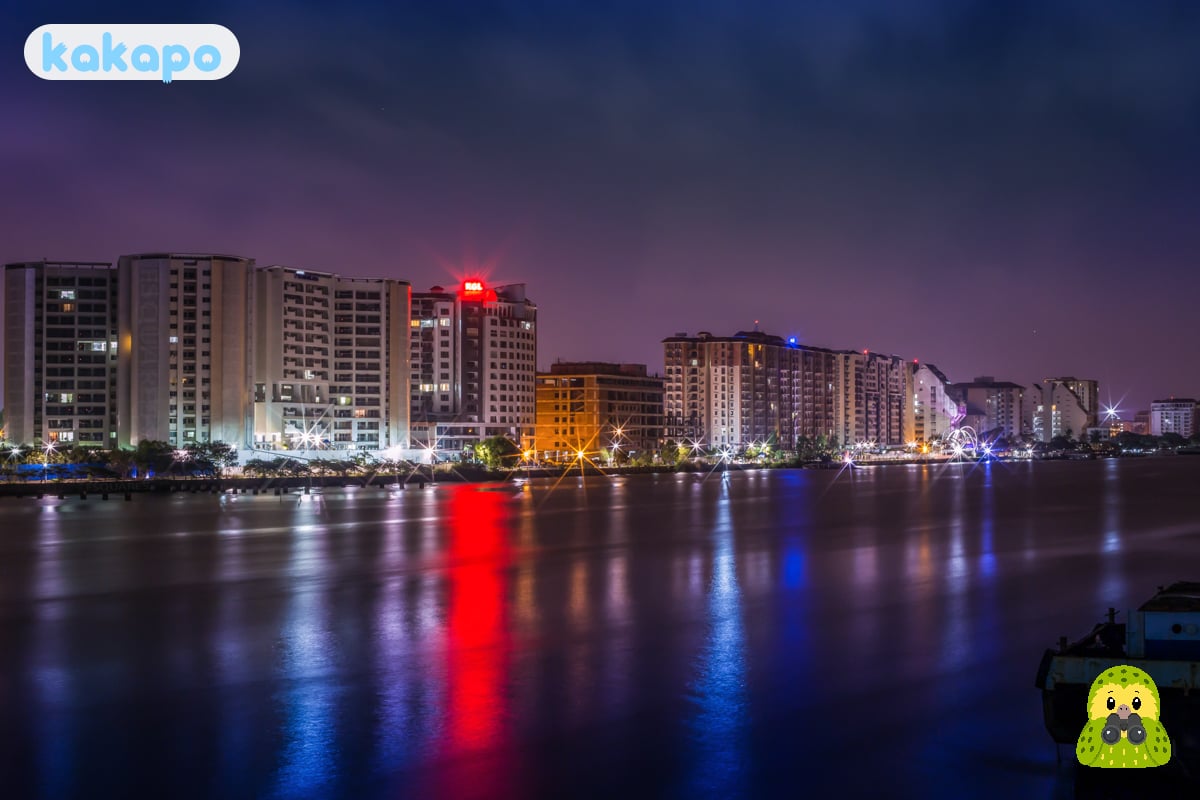
The kettuvallam (rice-barge converted to tourist boat) cruise on Kerala backwaters is the must-do regional experience. The hub is Alappuzha (Alleppey), 60 km south of Kochi; smaller operations run from Kumarakom and Kollam.
- Boat numbers and safety: Alappuzha alone has ~1,500 registered houseboats. Quality varies enormously. Bigger operators are insured, certified, have life jackets, smoke alarms, modern engines; cheap unmarked boats may not.
- Reputable operators: Spice Coast Cruises (CGH Earth), Lakes & Lagoons, Rainbow Cruises, KTDC. Book through your hotel or established agents (Klook, Cleartrip, MakeMyTrip).
- Standard rates: 1-bedroom houseboat 22-hour cruise INR 12,000-25,000; 2-bedroom INR 18,000-40,000. Includes meals, on-board crew (driver + cook). Check exactly what's included.
- Avoid: dock touts at Alappuzha boat-jetty offering "today only INR 5,000" — these are usually unbadged operators undercutting on safety.
- Day cruise alternative: 4-6 hour shikara (smaller boat) cruises from Alappuzha INR 1,500-3,500 — less commitment, same scenery, easier safety.
- Houseboat fires and accidents: rare but happen — the 2017 Kumarakom fire and the 2019 Kollam capsize both prompted regulatory tightening.
- Don't drink the backwater: contaminated. Boats provide bottled.
- Toilets: most modern boats have proper sewage holding tanks; older boats do not. Ask before booking.
Fort Kochi — sunset crowds and the Chinese nets
- Fort Kochi: the historic district on the harbour-mouth peninsula — Portuguese, Dutch, British colonial layers. Walking-friendly, atmospheric, the main visitor base.
- Sunset at Vasco da Gama Square / Chinese fishing nets: the iconic Kochi photo. Crowded; pickpocket risk; vendors selling overpriced fish "fresh from the nets" (often pre-bought from morning markets).
- Chinese nets demonstration: net operators ask INR 100-200 to "demonstrate"; agree price first.
- Tipping for photos: someone (usually a street vendor) will offer to take your group photo on your camera. Acceptable; INR 50-100 tip.
- Auto-rickshaw scams: drivers offer "city tour 1 hour INR 200" then drag you through commission shops (silk, handicrafts, "Kashmiri shawl warehouse"). Don't engage if not interested. Use Ola/Uber for fixed-price rides.
- St Francis Church: Vasco da Gama originally buried here. Modest dress.
- Mattancherry Palace and Jewish Synagogue (Paradesi Synagogue): across the bay, brief tuk-tuk ride. The synagogue is one of the oldest active synagogues in the Commonwealth — small, atmospheric, INR 10 entry, modest dress, no shoes inside.
Kerala monsoon and the 2018/2024 flood context
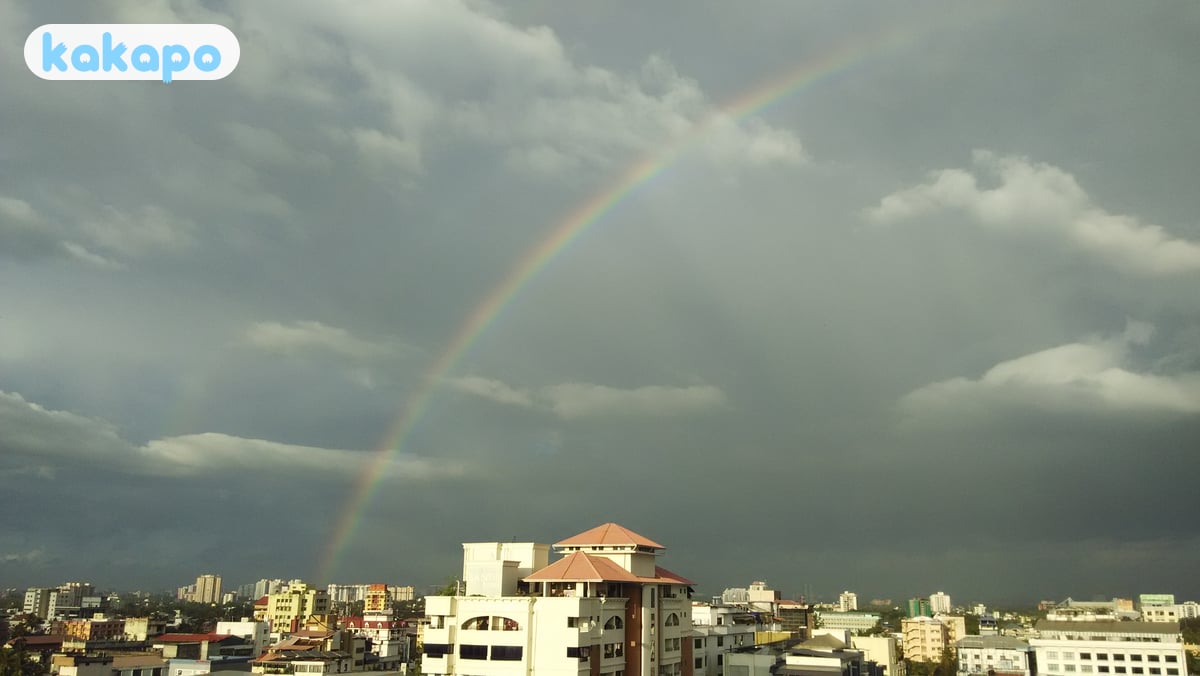
- Southwest monsoon: June-September. Kerala receives India's heaviest rainfall — 3,000mm+ annually in the Western Ghats.
- 2018 Kerala floods: catastrophic statewide; 480 dead; >1 million displaced. Kochi Airport flooded and shut for two weeks. Worst in a century.
- 2024 Wayanad landslide: July 30, hill district 270 km north of Kochi. >200 dead; entire villages buried.
- Kochi specifically: low-lying districts (Vyttila, Pathadipalam, parts of Kakkanad) flood within hours of heavy rain. Fort Kochi and Mattancherry are slightly higher and generally OK.
- If a Red Alert is issued: stay at hotel; don't try to make a flight; stock 24h water; charge devices.
- Cochin International Airport (COK): built in flood plain. Was inundated 2018; KSDMA has invested in flood defences but vulnerability remains.
- Best windows: October-March (post-monsoon, dry, mild — peak tourist season).
- Avoid: late June-mid August peak monsoon if you have inflexible schedule.
Dengue, water, and tropical health
- Dengue: endemic in Kerala; outbreaks frequent in monsoon and post-monsoon (Jun-Nov). Aedes mosquitoes bite during the day.
- Defences: DEET 30%+ repellent; long sleeves at dawn/dusk; AC or screened accommodation.
- Other tropical diseases: leptospirosis (Kerala had a 2018 post-flood spike — don't wade flood water), Hep A, typhoid (vaccinate). Malaria less common in Kerala than other Indian states.
- Tap water: not drinkable. Bottled (Bisleri, Aquafina) universal.
- Food: Kerala cuisine is among India's gentlest — coconut-based curries, appam (fermented rice pancake), karimeen (pearl-spot fish), sadhya (banana-leaf vegetarian feast). Stomach calibration milder than North India.
- Snake bites: rare but Kerala has cobra and viper species. Wear closed shoes; stick to paths.
- Stray dogs: rabies present; don't feed or pet.
- Heat and humidity: 27-33°C with 80%+ humidity year-round. Heat exhaustion is the most common minor tourist complaint.
Areas — Fort Kochi, Mattancherry, Ernakulam, Marine Drive
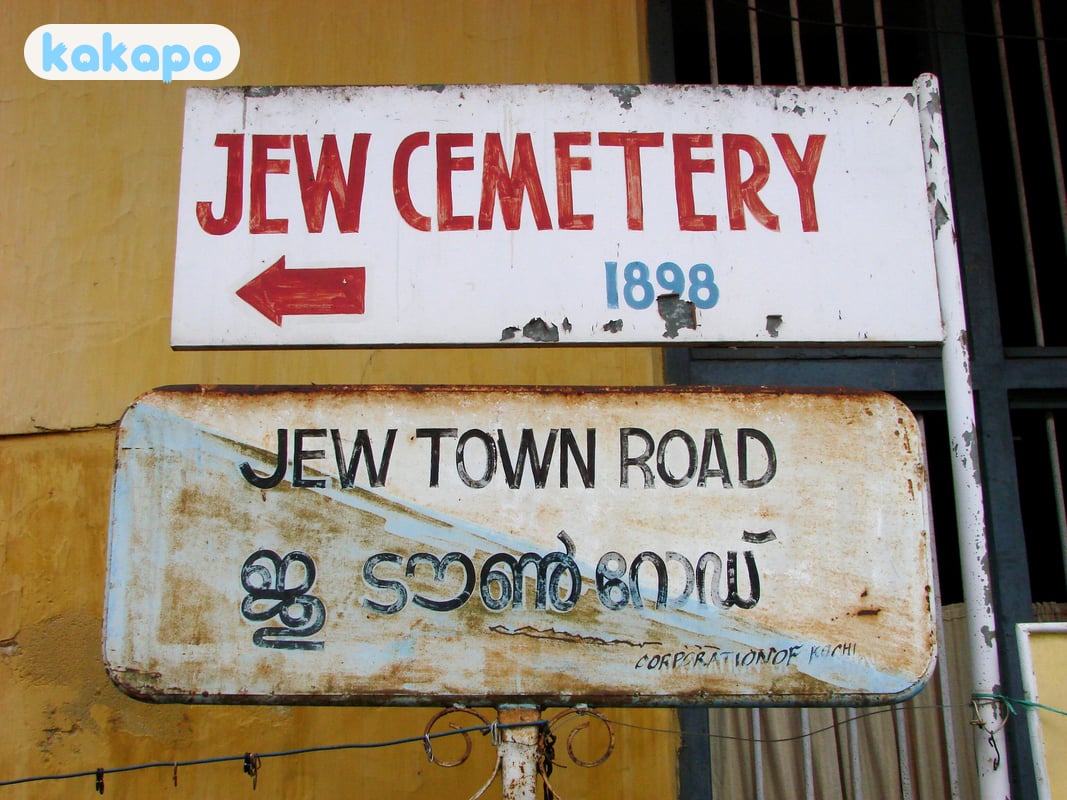
Recommended bases: Fort Kochi — historic, walking-friendly, boutique colonial heritage hotels (Brunton Boatyard, Old Harbour, Forte Kochi); ferry to Ernakulam. Mattancherry — adjacent to Fort Kochi, atmospheric Jew Town and palace area; quieter. Ernakulam (Marine Drive) — modern mainland city, business hotels, mall area, metro access; less character but better connected. Willingdon Island — port and naval base, some old hotels.
Stay aware: around Ernakulam Junction railway station after dark — touts and standard station-area issues. Vypin and Cherai beach (north) — beautiful but unguarded swimming; rip currents.
There are no genuinely dangerous neighbourhoods in Kochi.
Transport — ferries, metro, auto-rickshaws

- Kochi Water Metro: opened 2023; 38 electric ferries connecting Fort Kochi, Vypin, Willingdon, Ernakulam, and outer islands. The world's first urban electric water-metro. INR 20-40; tourist must-try.
- Kochi Metro: 1 line (Aluva to Tripunithura) running Ernakulam mainland; INR 10-60.
- State ferries (KSWTD): cheap (INR 4-8) Fort Kochi-Ernakulam route — cheaper than Water Metro for the same crossing. Slower but charming.
- Auto-rickshaws: INR 30 base. Use Ola/Uber Auto for fixed pricing or insist on the meter. Fort Kochi tuk-tuk drivers commonly quote INR 200-500 for short hops to tourists.
- Cochin Airport (COK): 30 km north. Pre-paid taxi INR 800-1,200; Ola/Uber INR 600-900; airport bus INR 100. Allow 60 min in light traffic, 2 hr in monsoon.
- To Alappuzha houseboats: 60 km south. Train (1.5 hr, INR 50-200), bus, taxi (INR 1,500-2,500), or pre-arranged with houseboat operator.
Money, etiquette, emergency numbers
- Currency: Indian rupee (INR). $1 ≈ INR 84.
- Cards: hotels, malls and chain restaurants yes; small Fort Kochi cafés cash. UPI dominant for local payments.
- Tipping: 10% in restaurants if not on bill; INR 50-100 hotel porters; tip houseboat crew (driver + cook) INR 500-1,000 per day at end.
- Etiquette: Kerala is more progressive than North India. Western dress generally fine in tourist areas; modest at temples.
- Alcohol: Kerala has restrictive alcohol laws — only government-licensed bars and 4-star+ hotels can serve. Beer at most restaurants requires a separate licensed counter.
- Emergency: 112 (universal); 100 (police); 101 (fire); 108 (ambulance); 1091 (women's helpline).
- Hospitals: Amrita Institute of Medical Sciences (+91 484 285 1234); Aster Medcity (+91 484 669 9999); Lakeshore Hospital (+91 484 270 1032).
- SIM: Airtel, Jio, Vi at airport — passport + visa to register.
Frequently asked questions
Is Kochi safe to visit in 2026?
Yes — Kochi scores 80/100 here, one of India's calmest tourist destinations and the gateway to Kerala backwater country. India sits at US State Department Level 2 ('exercise increased caution'); UK FCDO has no specific advisories against Kochi or Kerala. Kerala is consistently ranked among India's safest states for foreign visitors and women. Crime against tourists is rare; English is widespread; the personal-safety sub-score (86) reflects Kerala's highest literacy rate in India and low violent-crime base rate. The honest concerns are backwater houseboat operator quality (Alappuzha has 1,500+ boats of widely varying safety), Fort Kochi sunset density, the heaviest monsoon in India (the 2018 floods killed 480 across Kerala, the 2024 Wayanad landslide killed 200+), and endemic dengue in monsoon season.
Is Kochi safe at night?
Yes. Fort Kochi's restaurant-and-cafe strip stays alive until late with the European-tourist trade — solo walking from a Vasco da Gama Square sunset to a Princess Street guesthouse is routine. Mattancherry is quiet but safe. Ernakulam's Marine Drive promenade is well-lit and family-popular at night. The one area to apply standard station-area precautions is around Ernakulam Junction railway station after dark — touts and the usual station ecosystem. Vypin and Cherai beaches north of the city are unguarded and unlit after dark; don't swim or walk isolated stretches alone. Use Ola/Uber Auto for fixed-price rides rather than negotiating with Fort Kochi tuk-tuk drivers who quote INR 200-500 for short hops.
Is Kochi safe for solo female travellers?
Yes — Kerala is consistently one of India's most comfortable states for solo women, and Kochi is no exception. The 86 personal-safety sub-score reflects this. The Bengali-style intellectual-cultural backdrop, Kerala's progressive politics, India's highest literacy rate, and widespread English create a relaxed atmosphere. Western dress is generally fine in tourist areas (modest at temples and the Paradesi Synagogue — no shoes inside, shoulders/knees covered). Fort Kochi guesthouses and homestays cater to solo travellers; Aster Medcity and Amrita are the international-standard hospitals if needed. Use Ola/Uber after dark. Helplines: 112 (general), 1091 (women), 1363 (tourist).
Can you drink tap water in Kochi?
No. Tap water is not drinkable — bottled (Bisleri, Aquafina) is universal at INR 20-40 per 1L. Hotel-restaurant ice at established places is safe; smaller cafes less so. Brush teeth with bottled. Critically: don't drink the backwater water on houseboat trips — boats provide bottled. Kerala cuisine is one of India's gentler stomach-calibrations — coconut-based curries, appam, karimeen (pearl-spot fish), sadhya (banana-leaf vegetarian feast). Dengue is endemic with monsoon and post-monsoon outbreaks (Jun-Nov); Aedes mosquitoes bite during the day, so DEET 30%+ repellent, long sleeves at dawn/dusk, and AC or screened accommodation. Leptospirosis post-flood (don't wade flood water) is a real local risk.
How do you choose a safe Kerala backwater houseboat?
Operator choice is the single biggest safety factor. Alappuzha (Alleppey), 60 km south of Kochi, has ~1,500 registered houseboats of widely varying safety, sanitation and price. Reputable operators (Spice Coast Cruises by CGH Earth, Lakes & Lagoons, Rainbow Cruises, KTDC) are insured, certified, carry life jackets, smoke alarms, modern engines and proper sewage holding tanks. Book through your hotel or established agents (Klook, Cleartrip, MakeMyTrip). Standard rates: 1-bedroom 22-hour cruise INR 12,000-25,000; 2-bedroom INR 18,000-40,000 (meals and crew included). Avoid dock touts at Alappuzha boat-jetty offering 'today only INR 5,000' — these are typically unbadged operators undercutting on safety. Houseboat fires and capsizes are rare but happen (the 2017 Kumarakom fire, 2019 Kollam capsize). Day shikara cruises (4-6 hours, INR 1,500-3,500) are a less-commitment alternative with the same scenery.
How serious is Kerala monsoon and the flood risk?
Genuinely serious. Kerala receives India's heaviest rainfall — 3,000mm+ annually in the Western Ghats — and the southwest monsoon runs June-September. The 2018 Kerala floods were catastrophic statewide: 480 dead, over 1 million displaced, Cochin International Airport flooded and shut for two weeks. The 2024 Wayanad landslide on July 30 (hill district 270 km north of Kochi) killed over 200 with entire villages buried. Kochi specifically: low-lying districts (Vyttila, Pathadipalam, parts of Kakkanad) flood within hours of heavy rain. Fort Kochi and Mattancherry sit slightly higher and are generally OK. Cochin International Airport (COK) was built in a flood plain — KSDMA has invested in defences but vulnerability remains. If a Red Alert is issued: stay at the hotel, don't try to make a flight, stock 24h water and charge devices. Best windows: October-March. Avoid late June-mid August peak monsoon if your schedule is inflexible.
Sources
Run a business in Kochi?
Show visitors your Kochi business is a safe choice. The free Verified by Kakapo badge puts Kochi's live safety score on your website, links back to your verified page, and updates itself. No cost.
Get the free badge →