


Is Hiroshima, Japan Safe? A 2026 Travel Safety Guide
Peace Memorial etiquette, Miyajima ferries and tides, summer heat, residual radiation myths, and the realistic risks of one of Japan's quietest cities.

Hiroshima is one of the safest mid-sized cities in a country full of safe cities. Crime against tourists is extremely rare; the city's identity as a peace memorial site shapes a quiet, respectful daily atmosphere.
The real questions visitors ask are about etiquette at the Peace Memorial Park (genuine), residual radiation (not a concern — background radiation today is normal), the logistics of getting to Miyajima island and its tidal Otorii gate, summer heat and the early-summer rainy season, and the city's distinctive streetcar (hiroden) network. The 2024 Iwakuni-area magnitude 6.6 earthquake and the broader Nankai Trough seismic context apply here too.
The US State Department lists Japan at Level 1; UK FCDO has no advisories. Hiroshima Prefecture's police-recorded crime is among the lowest of any large Japanese region.
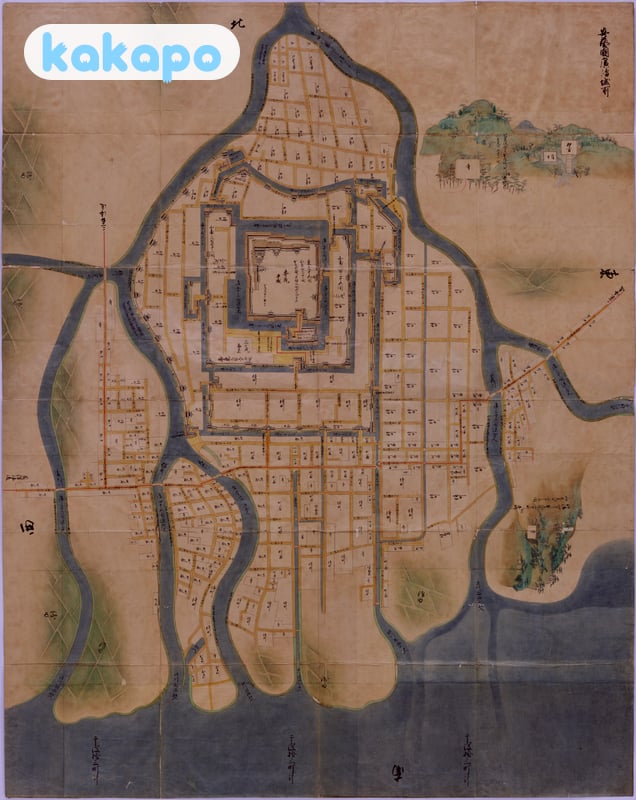
Geographically Hiroshima sits at the head of a calm bay of the Seto Inland Sea, the city laid out across the delta of the Ota River as six fingers of land between river channels — the Peace Memorial Park occupies the tip of one finger directly under what was the August 6, 1945 hypocentre. Central Hiroshima is compact (Hondori arcade to the A-Bomb Dome is a 10-minute walk), the Hiroden streetcar network does most of the cross-city work, and the JR Sanyo Shinkansen connects to Tokyo (4h), Osaka (1h25), and Hakata/Fukuoka (1h). Miyajima island (officially Itsukushima) sits 30 minutes south-west by Hiroden + ferry; Iwakuni's Kintai Bridge is 45 minutes the other way; Onomichi and the Shimanami Kaido cycling route are 90 minutes east.
What's changed for 2026: the Peace Memorial Museum completed its full renovation in 2019 and the renewed Main Building's personal-effects displays (the melted lunchbox, the child's tricycle, the singed school uniform) hit harder than the older displays did — the museum has consequently introduced advance timed booking in busy seasons, and the 90-minute estimate locals offer is the minimum, not the typical visit. The 2023 G7 Hiroshima Summit raised the city's international profile and lifted hotel rates roughly 15-20% which haven't fully receded; the Miyajima environmental tax (¥100 per visitor) was introduced in October 2023 and is added to the ferry fare; Hiroshima's tram-and-bus IC card PASPY was sunset in 2024 in favour of universal Suica/ICOCA acceptance on every Hiroden vehicle. Approach the hibakusha (atomic-bomb-survivor) testimony culture with quiet — the city's identity is built on a generational duty not to forget, and the Peace Memorial Park is treated by Japanese visitors as something between a war cemetery and a Holocaust memorial site.
| Night safety | 91/100 |
|---|---|
| Scam / petty-crime risk | Low |
| Violent crime (tourists) | Low |
| Safer neighbourhoods | central, Hondori, Hiroshima Station area |
| Data sources cited | 4 |
| Last verified |
What the score means — 95/100
- Personal safety (96) — exceptional. A-bomb survivor (hibakusha) testimony culture sets a quiet civic tone.
- Transport (92) — streetcars (hiroden), JR Sanyo line, ferries. Manageable but slower than Tokyo/Osaka.
- Healthcare (90) — Hiroshima University Hospital and Hiroshima Red Cross are excellent; English support limited.
- Air quality (84) — generally clean; Setouchi inland-sea climate keeps weather mild and pollution low.
Peace Memorial Park — etiquette and what to expect

The Peace Memorial Park, the A-Bomb Dome (Genbaku Dome), and the Peace Memorial Museum are not "tourist attractions" in the conventional sense. Treat them as you would a war cemetery or Holocaust memorial.
- Photography: permitted outside, including the Dome and the cenotaph. Inside the museum, photography is restricted in some sections; respect signage.
- Don't pose for smiling selfies in front of the Dome or the cenotaph. This causes real offence and Japanese visitors have publicly objected.
- Children's Peace Monument: visitors leave folded paper cranes (origami orizuru). You can bring or leave your own.
- Hibakusha testimony: occasional English-language survivor talks at the museum. Check the schedule (peace-tourism.com).
- Museum content: the rebuilt East Building and the renovated Main Building together display personal effects (a melted lunchbox, a child's tricycle) that many visitors find deeply distressing. Allow at least 90 minutes; consider whether to bring younger children.
Residual radiation — what's actually true
- Background radiation in Hiroshima today: indistinguishable from any other Japanese city. The bomb was an air burst at ~600m altitude, which produced relatively little ground contamination compared to a ground burst.
- Decay: most of the radioactive isotopes produced (those with short half-lives) have long since decayed. The longer-lived isotopes are at trace background levels.
- "Black rain" zones: areas hit by radioactive fallout in the rain that fell after the bombing have been studied for 80 years. The cohort of survivors continues to be monitored. There is no measurable hazard for visitors today.
- Food and water: standard, safe, no special considerations.
- The Radiation Effects Research Foundation (RERF), on Hijiyama Hill, continues the joint US-Japan study of survivors. Visitors don't enter, but it's the source of most international research on radiation health effects.
Miyajima — ferries, tides, and the deer
Miyajima (Itsukushima Island) is reached by a 10-minute ferry from Miyajimaguchi. The famous "floating" Otorii gate is the most photographed shrine gate in Japan.
- Ferries: JR Miyajima Ferry (covered by the JR Pass) and Matsudai Kisen, both ~¥200 one way. Frequent. Last ferry back is around 22:00 in summer, earlier in winter.
- Tides: at low tide you can walk out to the Otorii gate base. At high tide it appears to float. Check the Miyajima Tourism Association tide table to time your visit.
- Visitor tax: a ¥100 environmental tax was introduced in 2023 — added to the ferry fare.
- Deer: roam freely. Smaller and bolder than Nara's. Don't feed them — they will headbutt and bite for paper bags. Keep maps and food out of sight.
- Mt Misen hike: 2-3 hours up via the Daisho-in trail; ropeway alternative. The summit has Buddhist temples and the "eternal flame" said to have burned for 1,200 years.
- Stay overnight: traditional ryokan stays after the day-trippers leave are the highlight; book months ahead.
Weather — rainy season and summer
- Tsuyu (rainy season): mid-June to mid-July. Hiroshima Prefecture has had repeated landslide disasters in this window — the 2014 and 2018 events killed dozens in the suburbs. Tourist Hiroshima itself wasn't affected, but mountain trails close.
- Summer (Jul-Aug): 31-34°C, humid. Less severe than Osaka but still real. The Peace Park has limited shade; bring water and sun cover.
- Typhoons (Aug-Oct): hit the region but the Setouchi inland sea geography softens most strikes. Ferry suspensions are the main visitor impact.
- Best windows: late March-April (cherry blossom along the Motoyasu River, framing the Dome), October-November (mild, dry).
Hiroden streetcars, trains, and crossings

- Hiroden (Hiroshima Electric Railway): the largest surviving streetcar network in Japan, including original Kyoto cars and even one car that survived the 1945 bombing. Tourist-essential. Flat fare ¥220 in central Hiroshima.
- How to ride: enter at the back, pay when leaving at the front. PASPY card or coins. ICOCA / Suica work since 2018.
- Pedestrian crossings: streetcar lines run down the middle of central avenues. Cross at marked crossings only — getting hit by a streetcar is the genuine traffic risk in Hiroshima, not cars.
- JR Sanyo Shinkansen: Hiroshima Station to Tokyo (4h), Osaka (1h25), Hakata (1h). Easy.
- Hiroshima Airport (HIJ): 50 km east. Limousine bus to Hiroshima Station ¥1,450 (45 min). No rail link. Most visitors fly into Kansai or Tokyo and take Shinkansen instead.
Areas — central, Hondori, Nagarekawa
Recommended bases: around Peace Memorial Park / Kamiya-cho — central, walking distance to Dome, museum, and Hondori. Hiroshima Station area — convenient for day-trips, lots of business hotels, slightly less character. Hondori — covered shopping arcade, restaurants, central.
Stay aware: Nagarekawa — Hiroshima's main nightlife district. Generally safe but has the same Japanese-city tout pattern as Osaka's Minami at a smaller scale: ignore street touts and don't follow anyone into a bar you weren't planning to enter.
There are no genuinely dangerous neighbourhoods in Hiroshima.
Neighbourhood-by-neighbourhood breakdown
- Peace Memorial Park and Naka-ku centre — the riverside park between the Motoyasu and Honkawa rivers, with the A-Bomb Dome (Genbaku Dome) at the north tip, the Cenotaph and the Children's Peace Monument in the middle, and the Peace Memorial Museum at the south end. The walking path along the Motoyasu River north past the Dome up to Hiroshima Castle is the standard memorial axis. Quiet, deeply considered space.
- Hondori covered arcade — Hiroshima's main pedestrianised shopping street running 600 m east from Kamiya-cho, with Mitsukoshi, Sogo, the Parco department store, and dozens of cafés. The most-walked street in the city and the place hibakusha-related anniversaries (August 6) are the most-visible to casual visitors.
- Kamiya-cho and Hatchobori — the central streetcar interchange district immediately east of the Peace Park. Most central-Hiroshima hotels (Sheraton Grand, Mitsui Garden, Rihga Royal) cluster here within 5 minutes' walk of Hondori and 10 minutes of the Dome. The base most first-time visitors should book.
- Nagarekawa — Hiroshima's main nightlife district, immediately east of Hondori. Small bars, izakaya, the Yagenbori and Ebisu-cho lanes. Generally safe but has the same Japanese-city tout pattern as Osaka's Minami at a smaller scale: ignore street touts who approach with "all-inclusive" bar offers, don't follow strangers up to upper-floor "snack bars."
- Hiroshima Station (Hiroshima-eki) area — the Shinkansen and JR Sanyo arrival point, with the Granvia Hotel directly above the station and a cluster of business hotels (Hotel Granvia, Daiwa Roynet, Toyoko Inn). Convenient for day-trips out to Miyajima or Saijo, less character than Hondori-area bases.
- Hiroshima Castle and Shukkeien Garden — 15 minutes north of the Peace Park, the postwar concrete reconstruction of the original 1599 castle (the 1945 bomb destroyed it), and the small 17th-century Shukkeien strolling garden to the east. Local-weekend rather than tour-bus.
- Hijiyama Hill — south-east, the Hiroshima Museum of Contemporary Art, the Manga Library, and the Radiation Effects Research Foundation (RERF — closed to visitors but visible). Quiet, hill-walk territory. Cherry blossom in late March.
- Miyajimaguchi and the ferry pier — 30 minutes south-west by Hiroden tram or JR Sanyo, the gateway to Miyajima island. JR Miyajima Ferry covered by JR Pass; Matsudai Kisen the alternative.
- Miyajima (Itsukushima) — the floating-torii island, Itsukushima Shrine (UNESCO), Mt Misen, the temple complex, the small Miyajima village. Day-trippers leave by 16:00; the ryokan after-hours quiet is the highlight.
- Saijo (Higashihiroshima) — 30 minutes east by JR, one of Japan's three great sake-brewing towns, eight original breweries within 10 minutes' walk of Saijo station. Easy half-day add-on.
If it's your first time visiting
- Best arrival: most international visitors arrive via Shinkansen from Tokyo Haneda or Osaka Kansai rather than direct to Hiroshima Airport (HIJ) — Tokyo to Hiroshima on the Nozomi Shinkansen is 4 hours (¥18,800 reserved, free with JR Pass on the slower Hikari/Sakura services); Osaka to Hiroshima is 1h25 (¥10,400). If flying into HIJ, the Limousine bus to Hiroshima Station is ¥1,450 (45 min) — there's no rail link.
- Use the Hiroden streetcar plus Suica/ICOCA: flat ¥220 within central Hiroshima. Enter at the rear, pay leaving at the front, tap your IC card on the reader. Lines 1, 2, 3 cover everything central; Line 2 continues to Miyajimaguchi. ICOCA available at JR stations (¥2,000 including ¥500 deposit).
- Best neighbourhood for your first night: Kamiya-cho or Hatchobori (Sheraton Grand, Mitsui Garden, Rihga Royal, Comfort Hotel) for the 5-minute walk to Hondori and 10 minutes to the A-Bomb Dome. Hiroshima Station-area hotels (Granvia) are convenient but feel like business-trip Japan rather than visitor Japan.
- Time the Peace Memorial Park visit properly: museum opens 08:30 (until 18:00 March-Nov, 17:00 Dec-Feb, until 19:00 August). Allow 90 minutes minimum inside, longer is normal. Pair with the A-Bomb Dome walk (10 minutes outside) and the cenotaph. The hibakusha-testimony English sessions at the museum are scheduled in advance (peace-tourism.com) — book if you can.
- Pre-check Miyajima tide tables: the iconic "floating" torii image happens at high tide; the walk-out-to-the-base happens at low tide. Both are worthwhile but a flat-tide visit gets neither. The Miyajima Tourism Association publishes tide tables; cross-reference with your ferry timing. Last ferry back to Miyajimaguchi is around 22:00 in summer, earlier in winter.
- Eat okonomiyaki properly: Hiroshima-style is layered (batter, cabbage, pork, noodles, egg) — distinct from Osaka's mixed version. Go to Okonomi-mura (the 4-floor building of 24 stalls near Hondori) for the volume experience, Nagataya near the A-Bomb Dome for a queue but quality version (¥1,500), or Mitchan Sohonten in Hatchobori for the original. Oysters from the Seto Inland Sea in winter (November-February) are local speciality at Kaki Funé and Hassei.
- Money and tipping: yen (¥), ~¥152 per USD. Cards work at chains and hotels; small okonomiyaki places are often cash-only. 7-Eleven, FamilyMart and Lawson ATMs all accept foreign cards. Tipping is not done anywhere — a "thank you" suffices.
- Common rookie mistakes: posing for smiling selfies in front of the A-Bomb Dome or the cenotaph (Japanese visitors do publicly object); crossing tram tracks at unmarked spots (trams have right of way and don't brake fast); arriving at Miyajima at flat tide; eating Osaka-style okonomiyaki and complaining it's wrong (Hiroshima's noodled version is the local one); tipping at any restaurant (returned with confusion).
- Pair with Kyoto or Nara, not Tokyo: Hiroshima works best as the western anchor of a Kyoto-Osaka-Hiroshima itinerary (Shinkansen-all-the-way). Adding a separate Tokyo leg requires either backtracking or an internal flight.
Money, food, emergency numbers
- Currency: Japanese yen (¥). $1 ≈ ¥152.
- Cards: chains and hotels yes; small okonomiyaki places often cash only. 7-Eleven ATMs work with foreign cards.
- Tipping: not done.
- Food: Hiroshima-style okonomiyaki (layered with noodles — different from Osaka's mixed style). Try Okonomi-mura, the famous 4-floor building of stalls. Oysters from the inland sea (winter speciality).
- Sake: Saijo, 30 min east by JR, is one of Japan's three great sake-brewing towns.
- Tap water: safe.
- Emergency: 110 (police) / 119 (fire and ambulance). Japan Visitor Hotline 050-3816-2787.
- Hospitals: Hiroshima University Hospital (+81 82 257 5555); Hiroshima Red Cross & Atomic Bomb Survivors Hospital (+81 82 241 3111).
Frequently asked questions
Is Hiroshima safe to visit in 2026?
Yes. Hiroshima is one of Japan's safest big cities. The US State Department lists Japan at Level 1 and UK FCDO has no advisories. Violent crime against tourists is essentially nonexistent and the central Peace Memorial Park, Hondori arcade and Kamiya-cho areas are heavily walked and well-policed. The honest concerns are practical rather than criminal: the streetcar tracks running down central avenues (getting hit by a Hiroden tram is the genuine traffic risk, not cars), Miyajima island ferry tide tables and deer-feeding rules, summer heat in the Seto Inland Sea basin, the Nagarekawa nightlife tout pattern at small scale, and the broader Pacific earthquake context that applies across Japan.
Is Hiroshima safe at night?
Yes. The central Peace Memorial Park, Hondori covered arcade and Kamiya-cho district are all comfortable late, and Hiroshima Station area stays busy until the last Shinkansen. The Nagarekawa nightlife district is generally safe but has the same Japanese-city tout pattern as Osaka's Minami at smaller scale — ignore street touts and don't follow anyone into a bar you weren't planning to enter. Solo women routinely walk back from okonomiyaki dinners at Okonomi-mura at any hour. The biggest night risk is crossing streetcar tracks not at marked crossings — they run down the middle of central avenues with the tram having right of way.
Is Hiroshima safe for solo female travellers?
Yes, exceptionally. Hiroshima combines Japan's near-zero violent crime rate with a calm, reflective civic character. Catcalling is essentially absent. The Hiroden streetcar network, JR Sanyo Shinkansen and the Miyajima ferry are all routinely used by solo women at all hours. Standard Nagarekawa tout caveat applies (don't follow strangers up to upper-floor bars). Solo travel to Miyajima as a day trip is straightforward; the last ferry back to Hiroshima typically runs around 22:00, build that into your timing.
Can you drink tap water in Hiroshima?
Yes. Hiroshima tap water is excellent — tested to Japan's strict national standards and locals drink it routinely. Restaurants automatically serve free chilled water on arrival. Carry a refillable bottle in summer when 32-35°C with high humidity is normal; the walk between Peace Memorial Park, the Atomic Bomb Dome and Hondori has limited shade. 7-Eleven and Family Mart on every block sell chilled bottled water if you prefer.
What's the biggest scam to avoid in Hiroshima?
Honestly almost nothing — Hiroshima has minimal scam culture. The realistic risks are commercial: Nagarekawa street touts running the standard 'all-inclusive' bar billing scam (friendly approach, promise of all-inclusive pricing, then surprise table charges and intimidation when you try to leave — same pattern as Osaka Minami, ignore every tout); tourist-trap okonomiyaki restaurants immediately around the Atomic Bomb Dome charging 50-100% over equivalent meals at Okonomi-mura; and the standard Japanese DCC card-terminal pattern (always pay in JPY, never your home currency). If a billing dispute escalates inside a bar, dial 110 immediately and refuse to pay any fee beyond what was clearly written and agreed.
Do I need to time my Miyajima visit around the tides?
Yes — the photo you've seen depends entirely on it. The famous Itsukushima Shrine torii gate stands in the sea at high tide (the iconic 'floating' image) and is reachable on foot at low tide (you can walk up and touch it). Both views are worthwhile but if you only have one window, check the Miyajima Tourism Association tide tables before booking the JR ferry from Miyajimaguchi (covered by JR Pass, 10 min). The deer on Miyajima are tamer and smaller than Nara's but the same rules apply: don't feed them (officially banned since 2008), empty low pockets of paper, and watch children. The Mt Misen ropeway has limited weather windows in summer typhoon season — check operations before going.
Sources
Run a business in Hiroshima?
Show visitors your Hiroshima business is a safe choice. The free Verified by Kakapo badge puts Hiroshima's live safety score on your website, links back to your verified page, and updates itself. No cost.
Get the free badge →