


Is Cozumel, Mexico Safe? A 2026 Travel Safety Guide
The cruise-ship crowd days, scooter rentals, world-class dive operator quality, hurricane season, and the realistic risks of the Yucatán's cruise + dive island.

Cozumel is one of the safer Mexican beach destinations for tourists. The island is small (~80,000 residents), tightly tourism-managed, and well-policed. Crime against visitors is uncommon. The realistic risks for visitors are the cruise-ship crowd days (when 3-5 ships dock simultaneously, San Miguel becomes overwhelming), scooter and ATV rentals, dive operator quality variation, the Atlantic hurricane season, and reef + sea-urchin awareness.
Mexico sits at Level 2 on the US State Department's advisory list. Quintana Roo is at Level 2; Cozumel specifically is closer to Level 1 in practice. UK FCDO is similar.
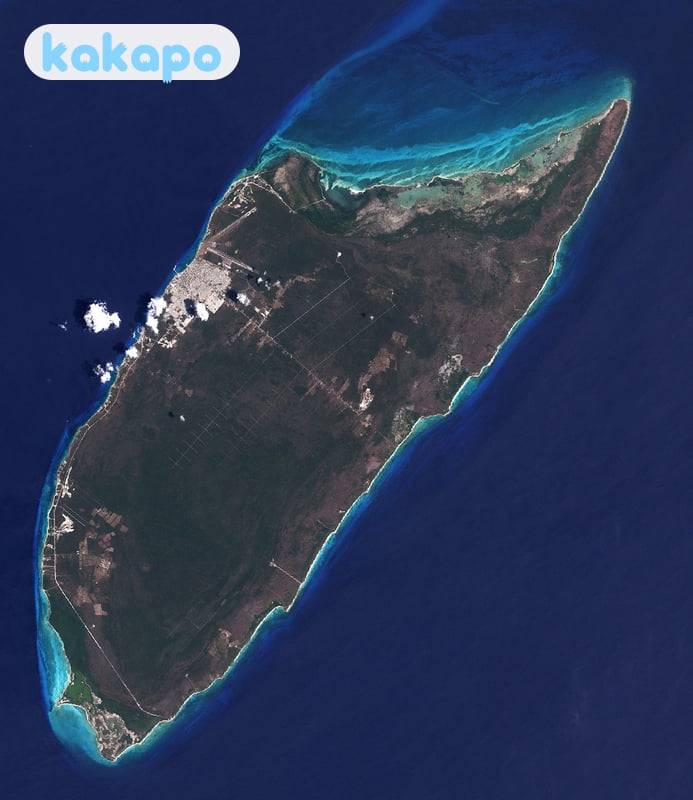
The honest framing for first-time visitors: Cozumel is an island 19 km off the Yucatán mainland. San Miguel de Cozumel is the only town. Most visitors arrive via cruise (10+ million annually) or via the 45-min ferry from Playa del Carmen. The Mesoamerican Reef is the second-largest in the world; world-class diving and snorkelling.
| Night safety | 62/100 |
|---|---|
| Scam / petty-crime risk | Medium |
| Violent crime (tourists) | Low |
| Most common scams | timeshare touts at the cruise piers; discount tour booth that's actually a timeshare; silver jewellery scam |
| Safer neighbourhoods | San Miguel de Cozumel |
| Data sources cited | 4 |
| Last verified |
What the score means — 82/100
Cruise-ship crowd days
- 3 cruise terminals: Punta Langosta, Puerta Maya, SSA Mexico. Up to 5 ships dock simultaneously — 15,000+ passengers ashore at peak.
- San Miguel waterfront on heavy cruise days: shoulder-to-shoulder, aggressive shop-tout culture, restaurant-pricing inflated.
- Strategy: check cruise-ship schedule (cozumelcruisedates.com) — visit downtown on quieter days, head to beach clubs on heavy days.
- "Tourist tax" pattern: dual pricing ($USD vs MXN) — pay in pesos for fair rate.
- Time-share touts: aggressive at the cruise pier.
- Pickpockets: present in densest crowds.
Diving and snorkelling — world-class
- Cozumel reef: part of Mesoamerican Reef System. Drift dives along the wall.
- Reputable operators: Aldora Divers, Dive House, Blue XT-Sea Diving. PADI certified.
- Cheap walk-up day boats: variable safety; older equipment.
- Currents: strong drift. Listen to divemaster.
- Reef-safe sunscreen: legally required at the marine park.
- Don't touch the reef: legally protected; coral takes decades to recover.
- Hyperbaric chamber: at Cozumel Recompression Chamber.
Scooters, taxis, rental cars
- Scooter rental: $25-40/day. Helmets provided in theory; rentals often lax. Cozumel scooter accidents account for many tourist injuries each year.
- Don't rent if uncomfortable on bikes; rental insurance often excludes inexperienced riders.
- Rental cars: easier; the island has one perimeter road. ~$50-80/day.
- Taxis: agreed fares; expensive ($15-35 for a cross-island).
- Don't use Uber: Cozumel taxi unions block Uber operation.
Hurricane season + weather
- Atlantic hurricane season: June-November. Peak August-October.
- Cozumel hurricane history: significant — Wilma (2005) was catastrophic. Recent damage from Beryl (2024).
- If a hurricane is approaching: heed evacuation orders; ferry to mainland often suspends.
- Best season: December-May.
- Sargassum seaweed: less than at Playa del Carmen but variable; checks at lifeguard stations.
Getting to + from Cozumel

- Ferry from Playa del Carmen: 45 min. $20 each way. Two operators (Ultramar, Winjet). Reliable.
- Cozumel Airport (CZM): small. Some direct flights from Houston, Atlanta, Miami.
- Cancún Airport (CUN): bigger; transfer via shuttle to Playa + ferry.
Money, food, the cost story
- Currency: Mexican peso (MXN). USD widely accepted (often at unfavourable rate).
- Cards: at hotels and bigger restaurants; cash for small.
- Tipping: 15-20% restaurants; $1-2 USD/drink at bars; $10-20 USD/day per diving guide.
- Tap water: not safe; bottled.
- Cost: cruise-pier prices high; San Miguel back-streets cheaper.
Cruise-ship day in Cozumel — the practical playbook
Cozumel is the most-visited cruise port in the world by some metrics — 4+ million cruise passengers per year, most on 8-hour windows. The island's tourism is almost entirely structured around this rhythm.
- Cruise schedule: 1-7 ships per day, peak December-April. The Cozumel cruise port calendar is published; 1-2 ship days are dramatically calmer than 5-7 ship days.
- Three ports: International Pier (south), Puerta Maya (south, Carnival pier), TMM/Punta Langosta (downtown). Most ships dock at International or Puerta Maya, a 5-min taxi from downtown.
- What to do on a cruise day: snorkel at Palancar Reef (the famous one), Chankanaab Park (snorkel + dolphins + manatees + botanical garden), Playa Mia Beach Club (loungers + pools + included food), or San Gervasio Mayan ruins.
- Snorkel + dive operators: Cozumel is one of the world's top dive sites. Reputable operators — Aqua Safari, Blue Angel Dive, Scuba Du, Deep Blue Cozumel. $80-130 for 2-tank dives.
- Ship-sanctioned shore excursions vs independent: ship excursions are 30-50% more expensive but guarantee you back to the boat in time. Independent operators are cheaper + flexible; you assume the risk of being late.
- Don't overestimate the time: 8 hours sounds like a lot but with port logistics, it's really 5-6 hours of activity time. Choose one main thing.
- Tulum + Chichén Itzá day trips: technically doable on a cruise day but tight — 2h ferry + drive each way leaves you 1-2 hours at the site. Better as overnight from Cancún or Playa del Carmen.
Scams + the timeshare pitch routine
- Timeshare touts at the cruise piers: Cozumel's #1 daily nuisance. The pitch starts as "Welcome to Cozumel, free margarita!" outside the cruise terminals. The presentation runs 4+ hours; the high-pressure sales tactics are aggressive. Westgate, Bluegreen, and other operators run them. Always no.
- "Discount tour" booth that's actually a timeshare: booths near the cruise pier exit offer "discount" snorkel tours that bundle a 90-minute presentation. Book direct with operators or via Carnival/Royal Caribbean shore excursions.
- Tequila tasting that's a sales pitch: a Tequila shop near the pier offers "free tastings" then aggressive sales pressure on $80-150 bottles. Sample at Senor Frog's or Hard Rock if you want the experience; buy at the Cancún airport duty-free if you want bottles.
- "Silver" jewellery scam: tourist-strip shops sell "925 silver" that's actually plated. Reputable Cozumel jewellers (Jewelry Box, Diamonds International) have warranties; buy elsewhere if you must.
- Taxi flat-rate posted: Cozumel taxis use a zone-based fixed-fare system. Posted at hotel desks + the cruise pier; ask before getting in to confirm the zone fare.
- USD-vs-MXN math: most cruise-area restaurants accept USD. Often at worse-than-official MXN rate. Pay in MXN if you have it; otherwise budget for the exchange premium.
- Card-terminal DCC: always pay in MXN, never "your home currency".
Practical info — emergency numbers
- Emergency: 911.
- Tourist Police: visible at the cruise piers.
- Hospiten Cozumel: +52 987 872 8911.
- Cozumel Recompression Chamber: +52 987 872 1430.
Bring: reef-safe sunscreen (legally required), water shoes, a Mexican SIM (Telcel, AT&T MX), a contactless card or USD cash, and travel insurance with diving + hurricane cover.
Frequently asked questions
Is Cozumel safe to visit in 2026?
Yes — one of the safer Mexican beach destinations for tourists. Mexico sits at US State Department Level 2 and Quintana Roo state is at Level 2, but Cozumel specifically is closer to Level 1 in practice. The island is small (~80,000 residents), tightly tourism-managed, and well-policed; crime against visitors is uncommon. Cartel-related incidents that have affected the mainland Riviera Maya since 2021 have not extended to Cozumel meaningfully. The realistic risks are cruise-ship crowd-day overwhelm, scooter and ATV rental injuries, dive operator quality variation, hurricane season (June-November), and reef awareness.
Is Cozumel safe at night?
Yes — San Miguel's waterfront and main restaurant streets are comfortable for walking late, especially on lighter cruise-ship days. The island's tourist-orientation makes it one of the calmer Yucatán night environments. Cruise-ship days bring shoulder-to-shoulder crowds along the malecón and aggressive shop touts during day hours but the strip thins out after the last ships depart (typically 6-9pm). Don't drive scooters at night — road lighting outside town is minimal and tourist scooter accidents are the island's #1 injury source.
Is Cozumel safe for solo female travellers?
Yes — the cruise-tourism dominance means the island infrastructure is geared to short-stay visitors and Politur tourist police are visible. The dive community is welcoming and reputable PADI 5-Star centres (Aldora Divers, Dive House, Blue XT-Sea, Aqua Safari) run mixed solo-female groups regularly. Hospiten Cozumel is excellent for tourists; the recompression chamber is on-island for diving emergencies. Standard adjustments: avoid the time-share touts at the cruise piers, don't accept 'free' drinks from strangers, and don't rent scooters if you're not experienced.
Can you drink tap water in Cozumel?
No — stick firmly to bottled. Cozumel's supply is desalinated and treated but most visitors and residents drink bottled. Bottled water is cheap and ubiquitous in supermarkets, restaurants, and hotels. Resort ice is generally fine; avoid ice in non-resort venues and street fresh juice.
What's the biggest scam to avoid in Cozumel?
Time-share presentations at the cruise piers — the daily reality. The pitch starts as 'Welcome to Cozumel, free margarita!' outside the cruise terminals and the presentation runs 4+ hours of high-pressure sales for Westgate, Bluegreen, and others. Always no. Other recurring patterns: 'discount tour' booths near the cruise pier that are actually timeshare sales (book direct with operators or via ship excursions), 'free tequila tasting' shops that aggressively sell $80-150 bottles (sample at Senor Frog's or buy duty-free), 'silver' jewellery sold on the tourist strip that's actually plated (Jewelry Box and Diamonds International have warranties), and DCC card-terminal scams — always pay in MXN, never 'your home currency'. Cozumel taxis use a posted zone-fare system; ask before getting in.
Are Cozumel dive operators actually safe?
Yes among the reputable ones, less so among walk-up cheap operators. Cozumel is one of the world's top dive sites — drift dives along the Mesoamerican Reef wall, strong currents that require briefings and divemaster discipline. Reputable PADI 5-Star centres (Aldora Divers, Dive House, Blue XT-Sea Diving, Aqua Safari, Blue Angel Dive, Scuba Du, Deep Blue Cozumel) provide proper gear, briefings, and small group ratios; $80-130 for 2-tank dives. Cheap walk-up day boats sometimes skip briefings, overload boats, and run older equipment. The Cozumel Recompression Chamber on the island handles decompression emergencies. Reef-safe sunscreen is legally required at the marine park; don't touch the reef (coral takes decades to recover).
Sources
Run a business in Cozumel?
Show visitors your Cozumel business is a safe choice. The free Verified by Kakapo badge puts Cozumel's live safety score on your website, links back to your verified page, and updates itself. No cost.
Get the free badge →