


Is Houston, Texas Safe? A 2026 Travel Safety Guide
Hurricane season (Harvey 2017 legacy), summer humidity, the freeway driving culture, district variation, NASA Space Center, and the realistic risks of Texas's biggest city.

Houston is one of America's safer big cities for tourists in tourist neighbourhoods. Crime against visitors in Downtown / Galleria / Museum District / Heights / Montrose is uncommon. The realistic concerns are the Gulf hurricane season (Hurricane Harvey 2017 catastrophic; sustained vulnerability), the brutal summer heat-and-humidity, the freeway driving culture (Houston has the most freeway lane-miles of any US city), and district-by-district variation.
The honest framing for first-time visitors: Houston is enormous (~2.3 million city, 7.5 million metro — the US's 4th-largest city, 5th-largest metro). Most visitors are business or NASA-tourists. Space Center Houston, Museum District (19+ museums), the Galleria mall, the Heights neighbourhood, Buffalo Bayou, Hermann Park and downtown are the visitor anchors. The Texas Medical Center is the world's largest medical complex and a destination in its own right for international medical-tourism patients.
The defining experiences: NASA Space Center Houston in Clear Lake (40 min south), the Museum of Fine Arts and the Menil Collection in the Museum District, the Buffalo Bayou Park and Cistern, Hermann Park, the Astros at Daikin Park (formerly Minute Maid), the Rockets at Toyota Center, the most-stylish Tex-Mex and Vietnamese-American food in the US, and the easy day trip to Galveston Island on the Gulf. Most visitors do Houston in 3 nights but the city rewards a 5-night stay if you actually want NASA + the Menil + a day on Galveston + an Astros game without rushing.
| Night safety | 61/100 |
|---|---|
| Scam / petty-crime risk | Medium |
| Violent crime (tourists) | Low |
| Most common scams | airport 'town car' touts at IAH; aggressive panhandling at freeway off-ramps |
| Safer neighbourhoods | Downtown, Montrose, The Heights |
| Data sources cited | 4 |
| Last verified |
What the score means — 80/100
- Healthcare (90) — Texas Medical Center is the world's largest medical complex.
- Air quality (76) — moderate. Industrial corridor + summer ozone.
- Transport (76) — METRORail Light Rail + buses; rental car dominates.
- Personal safety (74) — moderate. City-wide stats elevated; tourist neighbourhoods safer.
Hurricane season + Harvey legacy

- Atlantic hurricane season: June-November.
- Harvey (Aug 2017): catastrophic flooding; 1.27 trillion gallons of rain over 4 days. Houston neighborhoods rebuilt.
- Beryl (July 2024): Cat-1 landfall caused widespread power outages.
- Flood plains: Houston is flat + low — flooding is not just hurricane-related; severe thunderstorms produce flash floods.
- If a hurricane is approaching: heed evacuation; major resorts have protocols.
Areas — Downtown, Heights, Montrose, Galleria, NASA

Recommended for visitors: Downtown (modern + walkable + sports venues), Heights (gentrified historic), Montrose (gay-friendly arts district), Museum District, Galleria (mall + shopping), Rice Village, Clear Lake (NASA area, 40 min south).
Stay aware: parts of east + south-east Houston, around the bus terminal, Sunnyside. The high-crime zones aren't on tourist itineraries.
Summer heat + humidity
- July-August: 33-37°C with 80%+ humidity. Heat index 40°C+.
- Hydration: 3-4L/day.
- Mid-day rule: indoor activities; outdoor at dawn or after 5pm.
- Best season: October-April. December-February pleasant.
- Mosquitos + bugs: standard Gulf-coast.
Freeway driving — Houston's defining skill
Houston has the most freeway lane-miles of any US city — a 12-lane I-10 in each direction in some stretches, the Katy Freeway being the world's widest at 26 lanes. The road network is unforgiving for first-time visitors.
- Don't drive in rain: Houston's roadway flooding can put 30 cm of water on freeways in 20 minutes. Local rule: "Turn around, don't drown". Even SUVs float at 50 cm of moving water.
- The Loop (I-610), Beltway 8, the Grand Parkway: three concentric ring roads. Make sure your GPS picks the right one — they're 5-15 miles apart.
- HOV / express lanes: free if you have a passenger during peak hours, tolled solo. Mistakes are common and tickets cost $75+.
- EZ TAG vs PlatePay: Texas toll roads scan plates and bill the rental car company a $25 admin fee per crossing. If you'll use toll roads at all, buy a TollTag at the airport.
- Rush hour: 06:30-09:30 and 15:30-19:30. I-45 to downtown and I-10 west are the worst.
- Catalytic-converter theft: real in Houston — F-150s, Camrys, Priuses targeted. Hotel garage > street parking.
Scams, panhandling, and the medical-billing trap
- Airport "town car" touts at IAH: ignore drivers approaching in baggage claim. Use the official taxi rank, Uber/Lyft pickup zones (signposted), or hotel shuttle.
- Aggressive panhandling at freeway off-ramps: keep windows up; lock doors. Real homelessness around Midtown and East Downtown.
- Construction-scam crews: door-to-door at suburban Airbnbs offering "we noticed your roof needs work". Always no.
- Fake "tourist guide" downtown: someone offers to walk you to a restaurant for "$20 tip". Use Google Maps; the Downtown Tunnel system is well-signposted.
- Medical-billing surprise: if you go to an ER, even brief visits can produce $5,000-15,000 bills. Confirm your travel insurance covers US ER care before you need it. Texas Medical Center hospitals are world-class but the world's most expensive.
- Speeding tickets: HPD and Texas DPS run aggressive speed enforcement around Memorial Park, Midtown, and Beltway 8. Speed limit drops are signposted but quick.
Transport, taxis, the airports
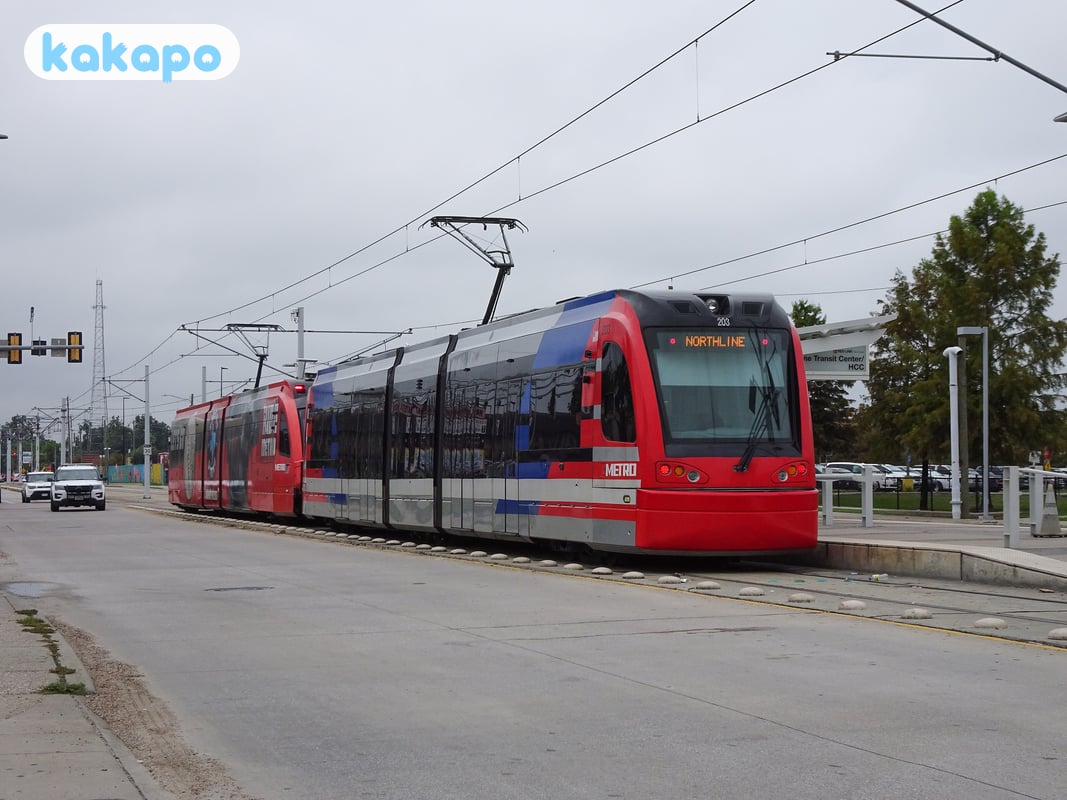
- METRORail Red Line: useful for Downtown + Museum District + Texas Medical Center.
- Uber + Lyft: ubiquitous.
- Bush Intercontinental (IAH): 35 km north. Taxi/Uber $40-60.
- Hobby (HOU): 16 km south. Smaller; Southwest hub. Taxi/Uber $25-35.
- Rental car: practical default — Houston's spread is car-dependent.
Money, food, the cost story
- Currency: US dollar.
- Tipping: 18-22%.
- Tax: 8.25% sales tax.
- Cost: hotels $130-280/night standard; Astros playoff weeks higher.
- Tap water: safe.
- Local food: Tex-Mex (Pappasito's, Ninfa's), BBQ (Killen's, Truth), Vietnamese (the world's biggest Vietnamese-American community).
Neighbourhood-by-neighbourhood breakdown
- Downtown — modern skyscraper core, Daikin Park (Astros), Toyota Center (Rockets), Discovery Green park, the Downtown Tunnel system (10 km of climate-controlled underground walkways linking the office towers). Comfortable any time the office hours run. Aggressive panhandling at the freeway off-ramps in East Downtown and Midtown — keep windows up at lights. After Astros home games the streets stay busy until 23:30.
- Montrose — the gay-friendly arts-and-restaurants district, the Menil Collection (free), Rothko Chapel, Westheimer corridor's antique row. Walkable, gentrified, comfortable solo at most hours. The single most-recommended dining and drinking district in the city.
- The Heights — gentrified historic bungalow neighbourhood north-west of downtown, the 19th Street main commercial strip, the M-K-T trail. Family-friendly, breweries (8th Wonder, SaintArnold), well-policed.
- Museum District + Hermann Park — 19 museums in a walkable cluster: Museum of Fine Arts Houston (MFAH), the Houston Museum of Natural Science, the Children's Museum, the Holocaust Museum. Hermann Park has the Zoo, Miller Outdoor Theater (free concerts), and the Japanese Garden. METRORail Red Line stops at every museum.
- Memorial + River Oaks — wealthy residential, Memorial Park (2.5x bigger than Central Park, the Seymour Lieberman jogging loop), the Galleria mall on the south side. Very safe; rental car needed.
- Galleria + Uptown — the upscale shopping core, ice rink inside the Galleria, Williams Tower water wall, Post Oak luxury hotels (Post Oak Hotel, Houstonian). Heavy traffic and parking; safe.
- Sugar Land — affluent suburb 30 min south-west via US-59, Constellation Field (Astros AAA), Indian/Pakistani/Chinese-American food scene around Hwy 6. Very safe.
- Buffalo Bayou Park + the Cistern — the linear park along the bayou between downtown and Memorial. The Buffalo Bayou Park Cistern (the 1926 underground drinking-water reservoir now open for sound-art tours, US$10) is the city's most-underrated attraction. Daytime safe and beautiful; not for solo night walks.
- Clear Lake (NASA) — 40 min south-east via I-45. Space Center Houston ($30 adult), Kemah Boardwalk on the coast. Hotel cluster around NASA Parkway. Safe, family-friendly.
- METRORail Red Line + the I-610 Loop — METRORail Red Line covers Downtown → Midtown → Museum District → Texas Medical Center → NRG Stadium → Reliant Park. Useful for that single corridor, useless for everything else. The I-610 Loop is the inner ring; Beltway 8 is the middle ring; the Grand Parkway is the outer ring. Make sure GPS picks the right one — they're 5-15 miles apart.
- Stay aware: parts of East and South-East Houston, around the Greyhound terminal, Sunnyside, Third Ward south of MacGregor — not on tourist itineraries.
If it's your first time visiting
- Best arrival airport: George Bush Intercontinental (IAH) 35 km north handles most long-haul; Hobby (HOU) 16 km south-east is the Southwest hub and is closer to downtown. IAH-to-downtown: METRO Bus 102 $1.25 (90 min) is cheap but slow; Uber/Lyft $40-60 (35-45 min) is the practical default. HOU-to-downtown $25-35.
- Best neighbourhood for your first night: Downtown (Hyatt Regency, Marriott Marquis with the lazy-river pool, the Lancaster) for sports and Tunnel access; Montrose (Hotel ZaZa Memorial City) for restaurants and walkability; Galleria/Uptown (Post Oak Hotel, the JW) for shopping and a rental-car-friendly base; Museum District for the museum cluster and the METRORail Red Line.
- Day 1, jet-lag friendly: Buffalo Bayou Park walk at 09:00 (the Sabine Promenade has the best skyline shot); Menil Collection in Montrose (free, allow 2 hours); lunch tacos at El Big Bad downtown or pho at Pho Saigon ($12-18); Museum of Fine Arts in the afternoon ($25); Astros game or Toyota Center event in the evening.
- Real prices in 2026: METRORail Red Line $1.25 single, $3 day pass; gas $2.80-3.30/gal; mid-range hotel $130-280; Tex-Mex dinner at Ninfa's on Navigation or Pappasito's $25-40/person; BBQ at Truth or Killen's $30-45/person; Astros ticket $25-80 standard seats; NASA Space Center $30 adult; Texas combined sales tax 8.25% (not included in menu prices); rental car $50-80/day plus the Texas toll-road sting if you don't have a TollTag.
- The toll-road trap: Texas toll roads (Sam Houston Tollway, Hardy, 290 Express) scan plates and bill the rental-car company a $25 admin fee per crossing. Buy a TxTag at the airport rental counter for $1.50 if you'll use tolls; otherwise stick to free routes (Google Maps "avoid tolls" toggle).
- Common rookie mistakes: trying to walk between districts that look close on Google Maps but aren't (Houston is 671 sq miles — Heights to Galleria is 30 min by car); driving through standing water in summer storms ("turn around, don't drown" is the local mantra — Houston freeways flood fast); accepting "town car" tout offers in IAH baggage claim (use the signposted Uber/Lyft pickup zones); leaving anything visible in a rental car at Galleria garage parking (catalytic-converter theft is real); booking ER visits without confirming travel insurance covers US ER care (a brief Texas Medical Center ER visit runs $5,000-15,000); ignoring hurricane-cancellation insurance for June-November visits.
- Tipping: 18-22% at restaurants; $1-2/drink at the bar; $5-10/night housekeeping; 20% on Uber. Texas sales tax 8.25% isn't a tip.
- METRO Bus Q-Card or contactless tap on METRORail — $3 unlimited day pass is the right choice if you'll do the Red Line museum crawl. Otherwise rideshare is the practical default.
Practical info — emergency numbers
- Emergency: 911.
- Houston Police non-emergency: 713-884-3131.
- Memorial Hermann ER: 713-704-4000.
- Methodist Hospital ER: 713-790-3311.
Bring: light hot-weather clothing, sun protection, a contactless card, US-valid travel insurance with hurricane cancellation cover, and the FEMA app.
Frequently asked questions
Is Houston safe to visit in 2026?
Yes — Houston is one of America's safer big cities for tourists in tourist neighbourhoods. Crime against visitors in Downtown, the Museum District, Heights, Montrose, Rice Village and the Galleria area is uncommon. The realistic concerns are Gulf hurricane season (Harvey 2017 was catastrophic and Beryl 2024 caused widespread power outages), brutal summer heat-and-humidity (33-37°C with 80% humidity is normal), the punishing freeway driving culture (Houston has the most freeway lane-miles of any US city), and district-by-district variation.
Is Houston safe at night?
Yes in tourist neighbourhoods. Downtown, the Museum District, Heights, Montrose and the Galleria area are calm after dark. The downtown tunnel system is well-signposted and useful for office-area errands during the day. Stay aware around the bus terminal, parts of east and south-east Houston, and Sunnyside — none of which are on tourist itineraries. Aggressive panhandling at freeway off-ramps in Midtown and East Downtown is common; keep windows up and doors locked.
Is Houston safe for solo female travellers?
Yes in tourist neighbourhoods, though Houston's car-dependence makes Uber and Lyft the practical default (METRORail Red Line covers Downtown to the Museum District and Medical Center but little else). The Heights and Montrose dining scenes are easy for solo travellers. Standard precautions apply in the bar areas of Washington Avenue late at night. The genuine risks (hurricanes, heat, freeway driving, flooding) are non-gendered.
Can you drink tap water in Houston?
Yes — Houston tap water is treated by Houston Public Works to EPA and Texas standards and is safe across the city. The 2024 boil-water notice following Beryl was lifted within days and the system was restored. Restaurants offer it free with meals. The taste is mineral-heavy because of the Trinity River source; bottled or filtered is many visitors' preference, but tap is genuinely safe.
What's the biggest scam to avoid in Houston?
IAH "town car" touts approaching arrivals in baggage claim are the recurring trap — use the official taxi rank or the signposted Uber/Lyft pickup zones, or your hotel shuttle. Other regular traps include construction-scam crews knocking at suburban Airbnbs with "we noticed your roof needs work" pitches, EZ TAG vs PlatePay confusion on Texas toll roads (rental companies bill a $25 admin fee per crossing if you don't have a TollTag — buy one at the airport if you'll use tolls), and US medical-billing surprises. Even brief ER visits at Texas Medical Center can run $5,000-15,000 — confirm your travel insurance covers US ER care before you need it.
What should I do if a hurricane hits while I'm in Houston?
Take it seriously and follow official guidance. Atlantic hurricane season runs June 1 to November 30 and Houston has lived through Harvey (2017), Beryl (2024) and Ike (2008). The National Hurricane Center tracks systems days in advance and Texas's emergency-management system provides real lead time on evacuation orders — heed them. Major hotels have well-rehearsed protocols. If you're under a flood warning, never drive through standing water: Houston's roadway flooding can put 30 cm of water on freeways in 20 minutes, and even SUVs float at 50 cm of moving water. The local phrase is "Turn around, don't drown." Confirm your travel insurance covers hurricane cancellation (most only cover storms named after you booked).
Sources
Run a business in Houston?
Show visitors your Houston business is a safe choice. The free Verified by Kakapo badge puts Houston's live safety score on your website, links back to your verified page, and updates itself. No cost.
Get the free badge →