


Is Cancún Safe During Spring Break 2026?
The Hotel-Zone bubble vs. the cartel-incident headlines — what actually happened in 2025, the 2026 Mexican-Navy deployment, and the practical safety picture for US college spring breakers.

Cancún has been the US college spring-break capital for 40 years and the question "is it still safe?" has been asked every March across that period. The 2026 answer, like every recent year's, is: yes, with the understanding that the Hotel Zone bubble is the safe zone, the things that actually go wrong are alcohol-and-judgment-related, and the cartel-incident headlines (real but geographically separable) almost never involve spring-break tourists.
What's specific to 2026: the Mexican Navy and Federal Tourist Police maintain the elevated deployment that started after several high-profile 2023-2024 Quintana Roo incidents. The Hotel Zone is at this point one of the most heavily-policed leisure destinations on Earth during March. The cartel-related violence that does happen in Quintana Roo has concentrated more in Tulum and Playa del Carmen than in Cancún Hotel Zone, and the pattern is bar-and-club-related (almost always between cartel-affiliated actors) rather than aimed at tourists.
The actual things that go wrong for US spring breakers in Cancún — every year, predictably — are: alcohol-related drownings (the dominant cause of US spring-break deaths in Cancún), drink-spiking at clubs, balcony falls from hotel rooms, drug arrests under Mexican law (which is harsher than US college kids expect), and motor-vehicle incidents on rented scooters and ATVs. None of these involve cartels. All of them are preventable.
| Night safety | 60/100 |
|---|---|
| Scam / petty-crime risk | Medium |
| Violent crime (tourists) | Low |
| Most common scams | drink-spiking at Hotel Zone clubs; dealer scams in Hotel Zone; drug arrests under Mexican law |
| Safer neighbourhoods | Hotel Zone |
| Data sources cited | 4 |
| Last verified |
The Hotel Zone bubble — what it actually means
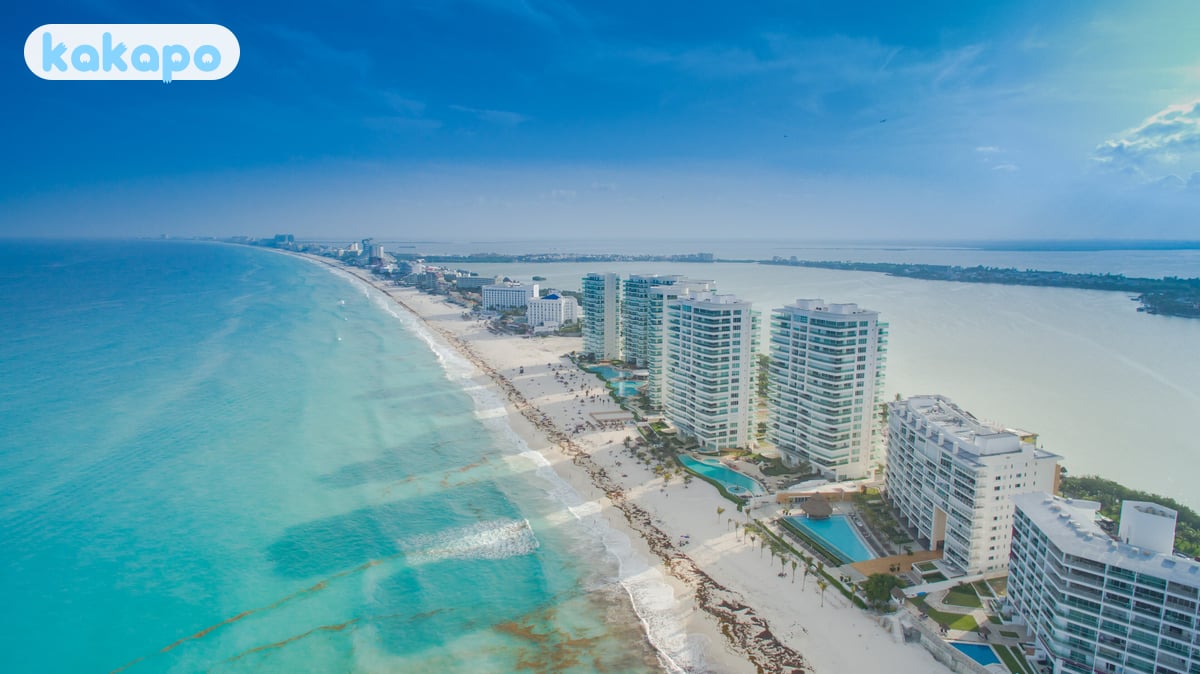
- Geography: the Hotel Zone (Zona Hotelera) is a thin 23 km barrier island laid out in a "7" shape, with a single main road (Boulevard Kukulkan) running its length. It's effectively a controlled corridor — only one road in, lots of resort-owned private beach access, police-patrolled hotel checkpoints.
- Spring break policing 2026: Mexican Navy (Marina) and Federal Tourist Police (Policía Turística) maintain checkpoints, foot patrols, and rapid-response presence throughout March. Drone surveillance has been added since 2024. Visible police density is higher than in any equivalent US spring-break destination.
- What this means in practice: muggings of spring breakers inside the Hotel Zone are rare; non-tourist-related cartel incidents almost never spill into the Hotel Zone corridor; theft from hotel rooms is rare due to chain hotel security infrastructure.
- What this doesn't change: things that go wrong inside the bubble — alcohol-related drownings, drink-spiking, balcony falls, drug arrests, scooter accidents. These are the actual spring-break risks and the Navy doesn't help with them.
Alcohol and drownings — the biggest actual risk
- The dominant cause of US tourist deaths in Cancún every year is drowning — typically late-night, alcohol-related, on the open east-facing beaches (km 9-23) with rip currents. The bay-side beaches (km 0-9) have lower drowning rates but the east-facing beaches are where late-night spring-break activity concentrates.
- The pattern: drunk swimming after midnight, no lifeguards on duty, rip current, struggle, drowning.
- Prevention rules from US State Department spring-break advisories: don't swim drunk; don't swim alone; don't swim at night when lifeguards aren't on duty; respect the daytime flag system (red flag = dangerous, double red = closed).
- Rip-current protocol: swim parallel to shore until out of the current, then swim back in. Don't fight straight against the pull.
- Drink limits and water: it sounds patronising and it's the single intervention that prevents the most deaths.
Drink-spiking at Hotel Zone clubs
- Documented pattern: drink-spiking at certain Cancún Hotel Zone clubs has been reported continuously across recent spring-break seasons. The substances are most often scopolamine, benzodiazepines, or both in combination.
- Outcomes: sexual assault, robbery, occasional deaths from overdose. US State Department spring-break advisories specifically reference this.
- The clubs: not all clubs are equivalent. The major established Hotel Zone clubs (Coco Bongo, Mandala, Palazzo) have institutional infrastructure that pushes against drink-spiking; the smaller venues and ad-hoc beach-party events are higher-risk.
- Prevention: never accept a drink you didn't watch poured; never leave a drink unattended; use the buddy system (one person watches drinks while another goes to the bathroom); cap on the cup if you're carrying a drink away from the bar.
- If it happens: get to a hospital immediately for toxicology (scopolamine clears within 24-48 hours); file at the Federal Tourist Police; US Consular Agency Cancún +52 998 883 0272 (24/7 emergency line); document everything for legal and insurance purposes.
Drugs and Mexican law — a harsh-than-expected reality
- Mexican drug law is harsher than US college students expect. Possession of small quantities of cannabis is decriminalised at the federal level but enforcement varies; possession of any quantity of cocaine, MDMA, ketamine, methamphetamine, or party drugs is criminal and prosecuted.
- Tourist-targeting busts: undercover police and informants do operate in spring-break Cancún clubs. US students arrested for buying drugs at a Hotel Zone club face Mexican federal prosecution; bail and consular release are time-consuming and expensive.
- "Dealer" scams: many street and club drug-dealer pitches in Hotel Zone are scams (substance isn't what's advertised) or undercover police. The buy itself is the legal exposure even if the substance is fake.
- Embassy assistance is limited — the US Consular Agency Cancún can provide a list of Mexican lawyers but cannot release you from custody. Mexican legal proceedings for drug charges typically take months even for small-quantity cases.
- Practical rule for spring-breakers: don't buy drugs in Cancún. The risk-vs-reward is dramatically worse than in the US.
Balcony falls — the recurring spring-break tragedy
- The pattern: every year, several US spring-breakers die or are seriously injured in falls from Hotel Zone hotel balconies. Almost always alcohol-related; almost always involving climbing on or over the rail; sometimes attempting to access an adjacent room.
- Why it happens: Cancún hotel balconies are often higher than US college students are accustomed to; the rails are at typical Mexican code height (not necessarily as high as US codes); intoxication impairs judgment.
- Prevention: don't climb on or sit on the rail. Don't try to access adjacent rooms via balcony. Lock balcony doors when sleeping. If a friend is on a balcony intoxicated, get them inside.
- Hotel responses 2026: most major Hotel Zone properties have raised rail heights, added safety glass, and run pre-spring-break safety briefings at check-in. The fall risk has been reduced but not eliminated.
- Insurance implications: travel insurance may not cover injuries sustained in incidents involving intoxication and unsafe behaviour. Read your policy.
Cartel violence — separating reality from headlines
- Quintana Roo has cartel violence. The CJNG, Sinaloa Cartel, and local affiliates are active in the state; incidents do happen including occasional shootings in tourist areas. This is real and not minimised here.
- Spatial distribution: Tulum and Playa del Carmen have had more documented cartel incidents in tourist-frequented areas than Cancún Hotel Zone over 2022-2025. The Cancún Hotel Zone corridor has been more insulated.
- Pattern: when cartel incidents do reach tourist areas, the targets are usually other cartel-affiliated actors at specific bars or clubs, not random tourists. Bystander casualties happen rarely.
- 2026 deployment: Mexican Navy and Federal Tourist Police presence has been elevated since 2024 specifically in response to spring-break tourist-area concerns. Visible patrol density in March is high.
- Risk math for a spring-breaker: the chance of being affected by cartel violence in Cancún Hotel Zone during spring break 2026 is low and demonstrably much lower than the chance of being hurt by alcohol-related incidents (drowning, drink-spiking, balcony fall, scooter accident). Allocate worry accordingly.
Practical spring-break protocol
- Buddy system — go out as a group of 3+, return as a group of 3+. Designate a sober watcher each night.
- Phone tracking — Find My iPhone / Find My Friends / Life360 enabled with the trip group; share location with at least one person back home.
- Cash and cards — leave passport and most cash in hotel safe; carry one card with daily limit and small cash. Photocopy of passport on phone.
- Drink protocol — watch every drink poured; cap or hand-cover the cup when walking; never accept drinks from strangers.
- Ride-hail — Uber works at CUN airport pickup zone (since 2023 legalisation) and throughout Hotel Zone. Use Uber, not unmarked tout-cars.
- Scooter and ATV rentals — high accident rate. Skip them. If you rent, wear the helmet (required by Mexican law) and check your travel insurance for two-wheel coverage (most exclude it).
- Embassy — US Consular Agency Cancún +52 998 883 0272 (24/7). Save the number.
- Smart Traveler Enrollment — register with the US State Department's STEP programme before the trip so the embassy knows you're in country.
Frequently asked questions
Is Cancún safe for spring break 2026?
Yes for most practical purposes — the Hotel Zone is one of the most heavily-policed leisure destinations on Earth during March. Mexican Navy and Federal Tourist Police maintain elevated deployment through the spring-break season. Cartel-related violence in Quintana Roo concentrates in Tulum and Playa del Carmen rather than Cancún Hotel Zone, and almost never involves spring-break tourists. The realistic risks are alcohol-related (drowning, drink-spiking, balcony falls), drug arrests under Mexican law, and scooter accidents — not cartel violence.
What are the biggest actual risks for spring breakers in Cancún?
Five things, in order of frequency. (1) Alcohol-related drowning — the dominant cause of US tourist deaths in Cancún every year, typically late-night swimming on the east-facing beaches with rip currents. (2) Drink-spiking at clubs (scopolamine and benzodiazepine combinations documented). (3) Balcony falls from hotel rooms while intoxicated. (4) Drug arrests — Mexican law is harsher than US college students expect and undercover busts happen. (5) Scooter and ATV accidents. None of these involve cartels; all are preventable.
Is drink-spiking a real risk in Cancún Hotel Zone clubs?
Yes — documented in US State Department spring-break advisories continuously. The substances are most often scopolamine, benzodiazepines, or both in combination. Outcomes include sexual assault, robbery, and occasional overdose deaths. The major established Hotel Zone clubs (Coco Bongo, Mandala, Palazzo) have institutional infrastructure pushing against this; the smaller venues and ad-hoc beach parties are higher-risk. Prevention: never accept a drink you didn't watch poured, never leave a drink unattended, buddy-watch the cups.
Are cartels a threat to spring breakers in Cancún?
Statistically very low. Quintana Roo has real cartel violence but the spatial distribution favours Tulum and Playa del Carmen over Cancún Hotel Zone over 2022-2025; the pattern is cartel-affiliated actors targeting other cartel-affiliated actors at specific bars, not random tourists. The Mexican Navy and Federal Tourist Police elevated deployment since 2024 has further reduced Hotel Zone exposure. The chance of being affected by cartel violence during spring break is meaningfully lower than the chance of being hurt by alcohol-related incidents — allocate worry accordingly.
Can I be arrested for drugs in Cancún?
Yes — and Mexican drug law is harsher than US college students expect. Possession of any quantity of cocaine, MDMA, ketamine, methamphetamine, or other party drugs is criminal and prosecuted. Undercover police and informants do operate in spring-break clubs. US students arrested face Mexican federal prosecution; bail and consular release are time-consuming and expensive. Many street and club drug pitches in Hotel Zone are scams (substance isn't what's advertised) or undercover police — the buy itself is the legal exposure. Don't buy drugs in Cancún.
What should I do if something goes wrong during spring break in Cancún?
For drink-spiking or suspected drugging: get to a hospital immediately for toxicology (scopolamine clears within 24-48 hours). Major Cancún hospitals: Hospiten Cancún, Galenia Hospital, AMERIMED. For any criminal incident: Federal Tourist Police, or 911 (functions in Mexico like US 911). US Consular Agency Cancún +52 998 883 0272 operates 24/7 for citizen emergencies. Register with the State Department's STEP programme before travel. Travel insurance: many policies exclude intoxication-related claims — read your policy.
Which Cancún hotels are safest for spring breakers?
Large international-brand hotels with strong security infrastructure: Hyatt Ziva Cancún, Hard Rock Hotel Cancún, Moon Palace Cancún, Grand Fiesta Americana Coral Beach, JW Marriott Cancún. All have raised balcony rails post-2024, key-card lift access, 24-hour reception, and pre-spring-break safety briefings at check-in. Mid-range options with solid security: Krystal Cancún, Royal Solaris. Avoid: unbranded budget properties on the lagoon side without strong security infrastructure.
Sources
Run a business in Cancún?
Show visitors your Cancún business is a safe choice. The free Verified by Kakapo badge puts Cancún's live safety score on your website, links back to your verified page, and updates itself. No cost.
Get the free badge →