


Is Tulum Safe for Solo Female Travellers in 2026?
Beach-club bubble, cartel-incident reality, the dark jungle road home, and the truth about Quintana Roo's most Instagrammed town.

Tulum is not the Tulum of 2018. The Riviera Maya cartel-violence escalation between 2021 and 2025 has reached the town in spikes — most notoriously the October 2021 shooting at La Malquerida that killed two tourists, and a string of 2023-2025 beach-club shootings that the state government has not contained. The single most useful fact: the new Guardia Nacional Tulum base (opened 2023) and the federally-funded Tren Maya station (opened 2024) have meaningfully increased police presence in the town centre — but the jungle road between the beach zone and the town, and the after-midnight beach-club exit calculus, remain the real solo-female-traveller risks.
Tulum proper splits into three zones with completely different safety profiles: Tulum Pueblo (the town, on Highway 307, where locals live and most budget hostels are), Tulum Beach (Zona Hotelera) (the 10km strip of beach clubs and boutique hotels along the coast road), and Aldea Zama / La Veleta (the gentrified expat residential zone between them). The jungle road that connects the beach zone back to the town is unlit, prone to flooding, and has been the location of multiple muggings of solo cyclists at night.
The bigger 2026 reality is that Tulum is finally being policed seriously. The state government deployed a permanent Operativo Tulum security force in 2024; beach clubs underwent forced security audits in 2025; and the cartel-violence numbers stabilised in 2025 (down from the 2022 peak). Tulum remains a real solo-female-traveller destination — but with a much higher level of situational care than Playa del Carmen or Mérida.
| Night safety | 50/100 |
|---|---|
| Scam / petty-crime risk | High |
| Violent crime (tourists) | High |
| Most common scams | ATM skimming in Tulum; drink spiking at beach clubs; unlicensed 'shaman' retreats |
| Safer neighbourhoods | Aldea Zama, La Veleta, Tulum Pueblo |
| Data sources cited | 4 |
| Last verified |
The three Tulums — different safety profiles
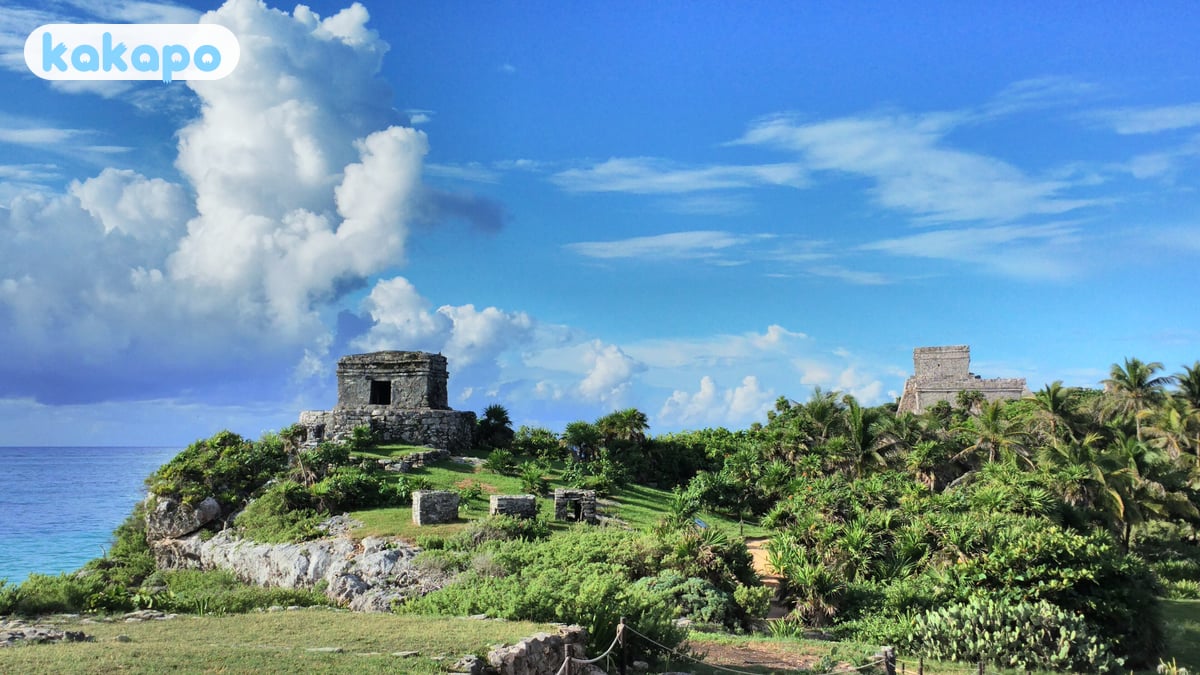
- Tulum Pueblo (the town, Highway 307) — locals, budget hostels, taquerias, the main bus station, the new Tren Maya station. Daytime feels like any Yucatán pueblo; after 22:00 it's quiet, mostly closed. Solo women report it as fine for walking until ~22:00 on the main streets (Av. Tulum, Av. Coba) but quieter side streets get dark.
- Tulum Beach (Zona Hotelera) — the 10km coastal road of beach clubs (Habitas, Be Tulum, Azulik, Casa Malca, La Zebra, Papaya Playa). Bohemian-luxe, Instagram-driven, expensive (€10 a beer, €40-80 cocktails). Beach-club perimeters are well-secured; the road between them is the catch.
- Aldea Zama / La Veleta — gentrified expat residential bubble between town and beach. Apartments, cafés, co-working. Feels safe; the catch is the same jungle-road geometry — once you leave the immediate Aldea Zama grid, you're on unlit road.
- The jungle road (Carretera Tulum-Boca Paila) — the 10km coastal road through jungle connecting Beach Tulum to town. Unlit, no shoulder, no streetlights, frequent flooding. The single most reported solo-traveller incident location: cyclists mugged or harassed between beach clubs at 23:00-02:00.
- Sian Ka'an Biosphere Reserve (south of the beach zone) — protected, gated, fee-paid (~MX$100). Daytime fine; not a solo overnight destination.
The real risks for solo women
- Beach-club violence (cartel-related) — the 2021 La Malquerida shooting, the 2023 La Pikkola incident, and 2024 incidents at smaller clubs. All involved targeted hits on specific individuals; the tourist casualties have been collateral. Statistically rare but real; the bigger clubs (Habitas, Be Tulum, Casa Malca) now have armed private security.
- Jungle road night incidents — solo female cyclists riding back from beach clubs between 23:00 and 04:00 have been mugged (phone, cash) and in two reported 2024 incidents sexually assaulted. The road has no streetlights and no police patrols at that hour.
- Drink spiking — beach clubs use big glassware and crowded bars; pour-watching is the rule. Bring your own bottle when possible.
- Drug culture — Tulum's beach club scene is open with cocaine, MDMA and mushrooms. Possession is illegal under Mexican federal law (Ley Federal de Armas y Explosivos doesn't apply but Ley General de Salud does); enforcement is selective and tourists do get caught up in periodic raids.
- Wellness / shaman / "temazcal" tourism — a real ecosystem of unlicensed "shamans" runs ayahuasca and bufo retreats. Multiple solo-female-traveller incidents (sexual misconduct, medical emergencies) at unlicensed retreats in 2023-2024. If you do it, book through a vetted operator (Mayan Holistic, Inti Wasi).
- ATM skimming — Tulum has one of Mexico's highest ATM-skimmer rates. Use BBVA or Santander branch ATMs in Tulum Pueblo, not the freestanding "Cardtronics" / "Inbursa" machines in tourist areas.
- Hurricane season — June to November. Tulum's flat coastal geography means flooding is the main risk; structures are mostly low and cinder-block. Hurricane Beryl (2024) caused widespread damage.
Transport — bike, taxi, colectivo, Uber
- Bicycle — the iconic Tulum transport. Bike rentals MX$150-250/day. The 10km coastal road has a bike lane in parts but is unlit at night. Solo female rule: bike between zones in daylight only.
- Taxis (the sindicato) — Tulum's taxi union is notorious for fixed prices and refusing to use meters. From beach to town is fixed at MX$300-400 (€15-20); after 23:00 it's MX$500-700. The union forced Uber to retreat from Tulum in 2023 after violent confrontations; Uber returned in 2024 but service is patchy.
- Uber / Didi — operational in 2026 but supply is limited; long wait times in the beach zone. The taxi union still occasionally intercepts Uber drivers. Confirm plate before boarding.
- Colectivos (shared vans) — Highway 307 colectivos run Playa del Carmen ↔ Tulum ↔ Felipe Carrillo Puerto. MX$50-100, fast, run dawn to ~22:00. Safe and used by locals; less common for the Tulum-internal beach-town leg.
- Tren Maya — Cancun → Tulum service opened 2024. Tulum station is 4km from town centre on the Coba road; taxis from station to beach zone are MX$400-500. Limited timetable in 2026 but expanding.
- The 23:00 rule: solo female travellers should aim to be at their accommodation or in a known taxi by 23:00. After midnight the road between beach and town becomes the real risk.
Where to stay (and the gate-and-guard question)
- Beach Tulum (Zona Hotelera) — Habitas Tulum, Be Tulum, Casa Malca, Nômade, La Zebra, Papaya Playa Project. Premium ($400-1,500/night). Gated perimeter, 24/7 security, private beach. Solo-female-safe within the perimeter; the question is getting out and back.
- Aldea Zama / La Veleta — gentrified residential expat zone. Boutique hotels and Airbnbs ($120-300/night). Co-working cafés, restaurants. Most solo-female-friendly mid-range option for digital nomads.
- Tulum Pueblo — hostels and budget hotels ($25-80/night). Selina Tulum, Hostel Yuukma, Hotel Maya Tulum. Walking-distance to bus station, ADO, restaurants. Less Instagram, more practical.
- What to ask: 24/7 staffed reception, in-room safe, transfer or partnered taxi to/from the beach zone, security at the gate at night.
- Avoid: ultra-remote eco-cabañas south of the Sian Ka'an gate; the few "off-grid" rentals that require a 3km jungle walk-in. These are not solo-female-safe at any price point.
Beach clubs — the protocol
- Daytime beach-club use: pay the minimum-spend (typically MX$1,000-2,000, ~€50-100), get a daybed, you have a private bathroom and locked locker. Safe and pleasant.
- Night beach-club use: arrive by taxi or in a group; pre-book a return taxi for a confirmed time. The clubs themselves are secure (armed security at gate); the danger is the road between them.
- Big clubs with vetted security: Habitas, Be Tulum, Casa Malca, Papaya Playa Project, La Zebra. All have post-2023 security upgrades.
- Watch your drink: pour-watching at the bar; big communal "punch bowls" are not advisable; bring your own bottle for daybed service when possible.
- Drug-use environment: open at most clubs; you are not pressured but the social default in some venues is cocaine/MDMA. Refusing is uncontroversial.
- Exit protocol: do not bike back to your accommodation at night. Take a taxi (MX$300-500), even if it's expensive, even if it feels short. The road is the danger.
The solo-female Tulum rules
- Bike in daylight only.
- Taxi between zones after 21:00; never bike or walk after dark.
- Pre-book your return taxi at any beach club before you've had a drink.
- Drink protocol: bottle service or pour-watching; never accept a drink from a stranger.
- Cash: limit ATM use to BBVA/Santander branch ATMs in Tulum Pueblo; carry small notes.
- Phone: keep on you; share Find My location with someone back home; the Aurora app has been used for similar reports.
- Emergencies: 911 (single number, English-answered in tourist zones), Tulum tourist police +52 984 802 0250.
- Hospital: Hospital General Tulum (basic), Costamed Tulum (private, English-speaking) or evacuate to Playa del Carmen / Cancún for serious cases.
Frequently asked questions
Is Tulum safe for solo female travellers in 2026?
Yes with protocol. The cartel-violence numbers stabilised in 2025 after the 2022 peak; the new Guardia Nacional base and Tren Maya investment have increased policing. The real solo-female risks are the unlit jungle road between beach and town after 23:00, drink-spiking at beach clubs, and unlicensed shaman/ayahuasca retreats. Stay in Aldea Zama or Tulum Pueblo, taxi between zones at night, never bike after dark.
Has Tulum's cartel violence improved?
Yes since 2022. The 2021 La Malquerida shooting and 2023 La Pikkola incident triggered a serious state-government response: Operativo Tulum (permanent security force, 2024), forced beach-club security audits (2025), and the federal Guardia Nacional base. 2025 violent-incident numbers were materially lower than 2022. Tourist casualties have historically been collateral to targeted hits, not direct targets.
Is the Tulum beach zone safe at night?
The beach clubs themselves are well-secured (armed gate security at all the big ones — Habitas, Be Tulum, Casa Malca). The road between them is the catch — unlit, no shoulder, no police patrols after midnight. The rule: arrive and leave by taxi, pre-booked, even if the next club is 200m away.
Should I bike in Tulum?
Yes, in daylight. The iconic Tulum bike experience between town and beach is fine 07:00-19:00. After dark the road is unlit, prone to flooding, and the single most-reported solo-female-traveller incident location. Solo women who biked back from beach clubs at 02:00 have been mugged and in two reported 2024 incidents sexually assaulted. Taxi after dark.
Can I take Uber in Tulum?
Yes, since 2024 — but supply is limited, wait times are long in the beach zone, and the taxi union still occasionally intercepts drivers. The Tulum taxi sindicato has fixed rates: MX$300-400 town↔beach daytime, MX$500-700 after 23:00. Confirm Uber plate before boarding. Didi is sometimes faster than Uber in Tulum.
Is it safe to do ayahuasca / temazcal retreats in Tulum?
Only at vetted, licensed operators (Mayan Holistic, Inti Wasi, Casa Sagrada). The unlicensed 'shaman' ecosystem has produced multiple solo-female-traveller incidents (sexual misconduct, medical emergencies) at unlicensed retreats in 2023-2024. Ayahuasca is not legal under federal law; medical attention if something goes wrong is complicated by that.
Which is safer — Tulum or Playa del Carmen?
Playa del Carmen is materially safer in 2026 — denser policing, more developed infrastructure, more lit streets, the Quinta Avenida pedestrian zone heavily patrolled. Tulum requires more situational care. For a solo female first-trip to the Riviera Maya, Playa del Carmen is the easier base.
Sources
Run a business in Tulum?
Show visitors your Tulum business is a safe choice. The free Verified by Kakapo badge puts Tulum's live safety score on your website, links back to your verified page, and updates itself. No cost.
Get the free badge →