


Is Atlanta, United States Safe? A 2026 Travel Safety Guide
Car break-ins, I-285 traffic, the Beltline reality, tornado season, and the realistic risks of the South's biggest city.

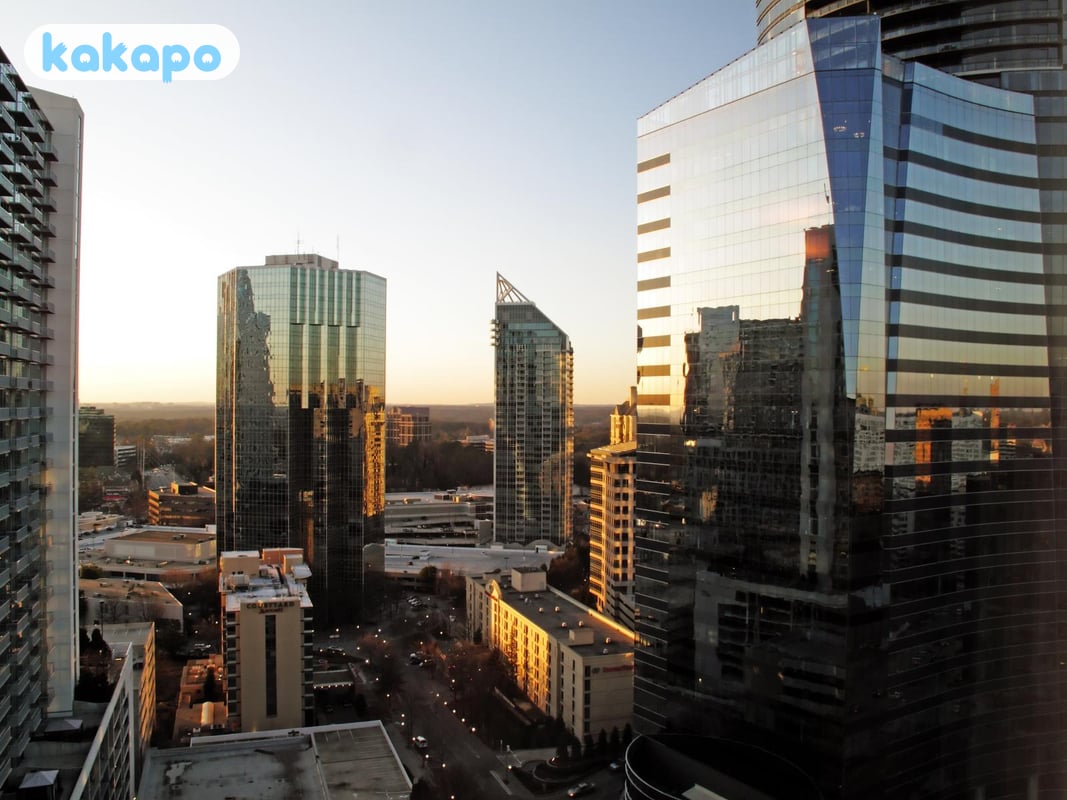
Atlanta has a high-crime reputation by US-city standards, but the tourist neighbourhoods (Midtown, Buckhead, Inman Park, Old Fourth Ward, Atlantic Station) are meaningfully safer than the city-wide statistics imply. Crime against visitors in tourist neighbourhoods is uncommon.
The realistic risks for visitors are car break-ins (Atlanta has one of the worst rates in the US), the genuinely punishing I-285/I-75 freeway traffic, the standard pickpocket caution along the Beltline at peak weekend hours, summer heat-and-humidity (32°C with 75% humidity), and tornado season (March-May).
The honest framing for first-time visitors: Atlanta is large (~500,000 in city, 6.3 million metro), spread out, very car-dependent. Centennial Olympic Park, the Georgia Aquarium, World of Coca-Cola, the MLK National Historical Park, and the Atlanta Beltline (the converted-rail walking/cycling loop) are the visitor anchors.
| Night safety | 61/100 |
|---|---|
| Scam / petty-crime risk | High |
| Violent crime (tourists) | Medium |
| Most common scams | car break-ins in tourist parking lots; pickpockets along the Beltline at peak weekend hours |
| Safer neighbourhoods | Midtown, Buckhead, Inman Park |
| Data sources cited | 4 |
| Last verified |
What the score means — 78/100
- Healthcare (88) — Emory and Grady are world-class.
- Air quality (80) — moderate. Summer ozone alerts; pollen extreme in spring.
- Transport (78) — MARTA covers limited area; rideshare or rental car is the practical default.
- Personal safety (74) — pulled down by city-wide statistics; tourist neighbourhoods are safer.
Car break-ins — Atlanta's signature property crime
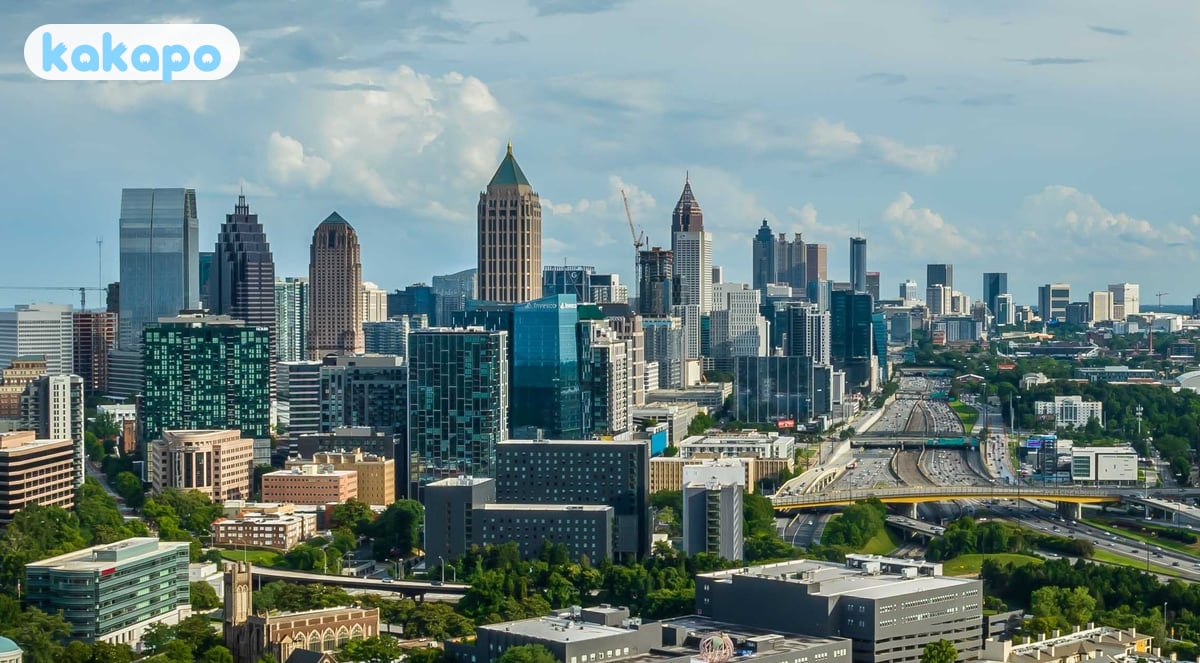
- Atlanta has one of the highest US car-break-in rates per capita. Tourist parking lots and on-street parking are routine targets.
- Hot spots: Lenox Square mall lots, MARTA park-and-ride lots, Krog Street Market, Ponce City Market, Centennial Olympic Park lots after dark.
- Defence: leave nothing visible. Empty trunk too. Use attended garages over surface lots.
- Don't pack-and-go from rental car to a sight; drop bags at hotel first.
- If your car is broken into: file APD report online for insurance.
Areas — Midtown, Buckhead, Inman Park, Beltline
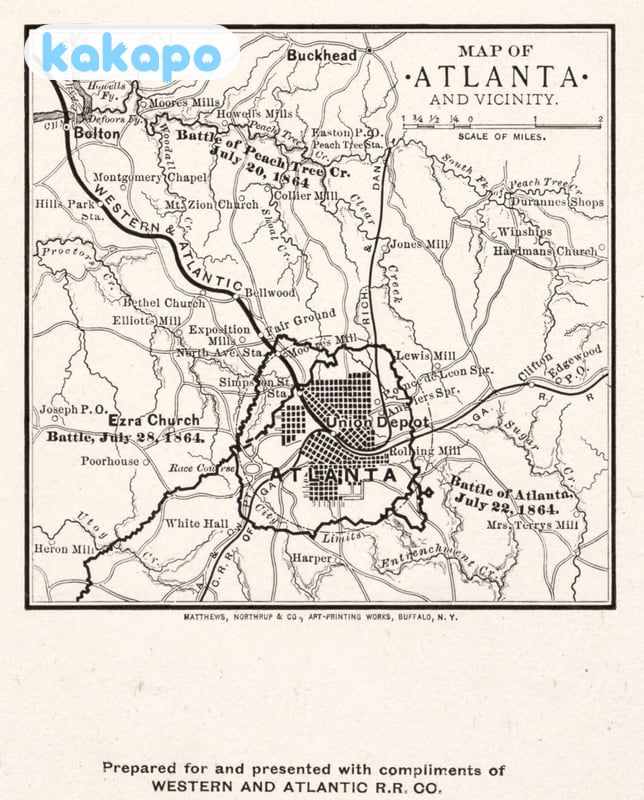
Recommended for visitors: Midtown (walkable, hotels, Piedmont Park), Buckhead (upscale, dining, shopping), Inman Park / Old Fourth Ward (gentrified Beltline-adjacent), Virginia-Highland (residential bar district), Atlantic Station (mall + apartments), Decatur (suburban-feeling, walkable centre).
Stay aware: parts of Downtown after dark (the immediate area around Five Points MARTA), parts of West End / English Avenue / Vine City (these higher-crime neighbourhoods aren't on tourist itineraries; you wouldn't end up there casually). The Bluff (English Avenue): documented open-air drug area; not a destination.
The Atlanta Beltline
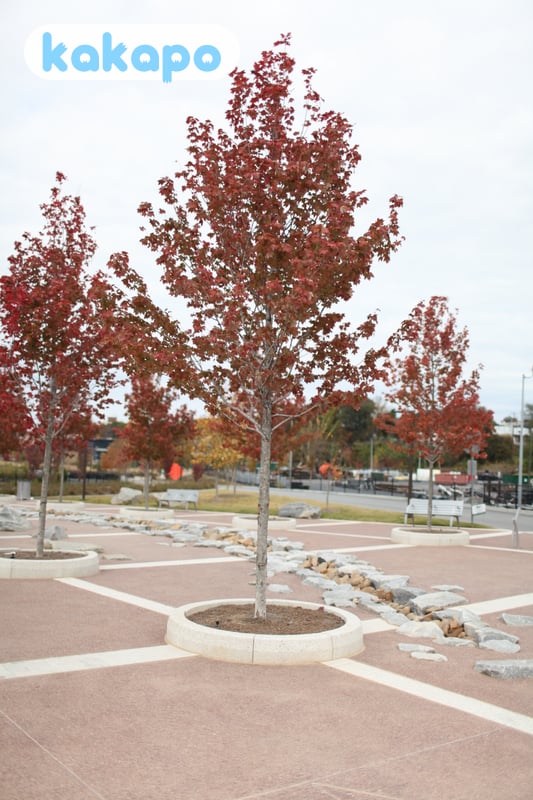
- The Beltline: a 35 km loop converted from old rail corridors; ~22 km currently complete. Eastside Trail (the most-finished section) connects Piedmont Park, Ponce City Market, Krog Street Market, Inman Park.
- Daytime: very safe and pleasant. Walking, jogging, cycling, e-scooters.
- After dark: lit but quieter. Stick to the Eastside Trail core; avoid the less-developed Westside extensions late at night.
- Bike rentals: Relay Bike Share and private rentals at Ponce City Market.
- Pickpockets at peak weekend events: Beltline music nights, art crawls — front pocket only.
Tornado season and the heat
- Tornado season: March-May. Atlanta sees several severe weather days per year.
- Tornado warning vs watch: a "watch" means conditions are favourable — stay alert. A "warning" means a tornado has been spotted or is imminent — go to interior room or basement immediately.
- Weather alerts: NOAA Weather Radio, the FEMA app, and most modern phones get automatic alerts.
- Summer heat: July-August 30-35°C with 70-80% humidity. Heat index hits 40°C. Hydrate.
- Pollen: April pollen counts in Atlanta are among the worst in the US. Allergy sufferers should bring antihistamines.
MARTA, taxis, the airport
- MARTA: subway-and-bus system. 4 rail lines covering some but not all tourist areas. $2.50 single, $9 day pass.
- MARTA safety: incidents are uncommon during the day; some stations feel sketchier late at night.
- Uber + Lyft: cheap, ubiquitous, the practical tourist transport.
- Hartsfield-Jackson Airport (ATL): 16 km south. World's busiest airport. MARTA Red/Gold line $2.50 to centre, 20 min — direct. Taxi flat-rate $30 to downtown.
- Driving: the I-285 perimeter is the worst rush-hour congestion in the South. Build buffer time.
Money, food, the cost story
- Currency: US dollar.
- Tipping: 18-22%.
- Tax: 8.9% sales tax in Atlanta.
- Cost: hotels $180-350/night standard; convention spikes 2-3x.
- Tap water: safe.
- Local food: Southern (fried chicken at Mary Mac's, biscuits, BBQ), the diverse food scene of Buford Highway (Korean, Vietnamese, Latin), peach everything in summer.
Civil Rights heritage — MLK + the South's main pilgrimage
Atlanta is the home + final resting place of Dr Martin Luther King Jr — and the National Park Service maintains a dense civil-rights pilgrimage zone in the Sweet Auburn neighbourhood east of downtown. This is one of the most-meaningful US heritage visits and is essentially free.
- Martin Luther King Jr National Historical Park: free, NPS-run. Includes MLK's birth home (450 Auburn Avenue — timed tickets free at the visitor center, distribute fast on busy days), Ebenezer Baptist Church (where MLK + his father preached), the King Center (where MLK + Coretta Scott King are buried, with the eternal flame).
- Best timing: weekday mornings; the King family birth-home tour caps at 15 per slot. Pickup the timed ticket at 09:00 for the same-day tour.
- National Center for Civil and Human Rights: downtown ($25.99). The immersive lunch-counter sit-in exhibit is the standout. Allow 2 hours.
- Sweet Auburn historic district: walk Auburn Avenue from the King Center down to the Sweet Auburn Curb Market. Murals + APEX Museum (African-American history).
- Atlanta History Center (Buckhead): the Cyclorama (a 360-degree painting of the Battle of Atlanta), 1860s Tullie Smith Farm. Worth half a day.
- Jimmy Carter Presidential Library + Museum: 3 km east of downtown. Free + worthwhile.
- Atlanta Beltline Eastside Trail murals: 30+ commissioned street murals — many on civil rights + Atlanta history themes.
- What to skip: "tomb tours" or "celebrity-house drive-by" tours that charge $50+ — the NPS site is the real one + free.
Day trips — Stone Mountain, Savannah, Athens, Chattanooga
- Stone Mountain Park: 30 min east. Largest exposed granite dome in the world; controversial Confederate carving on the north face (which the park has been recontextualising). Cable car, hiking trail, laser light show summer evenings. $20 parking + free entry.
- Savannah: 4h drive south-east. Historic squares, Spanish moss, the riverfront. Day-trip possible but punishing; overnight better.
- Athens (Georgia): 1h15 drive east. UGA college town; music scene (R.E.M., B-52s); the Tree That Owns Itself. Half-day or overnight.
- Chattanooga (Tennessee): 2h drive north. Lookout Mountain, Ruby Falls, Rock City, Tennessee Aquarium. Day-trip workable.
- Helen + Brasstown Bald: 1h45 drive north. Bavarian-themed mountain town + Georgia's highest peak (1,458m). Fall colors mid-October.
- Cumberland Island National Seashore: 6h south + ferry. Wild horses on a barrier island.
- Driving: I-285 perimeter is the South's worst rush-hour. Avoid 07:00-09:30 + 16:00-19:00 weekdays. Atlanta has no toll roads on most routes but the I-75/I-85 Connector "Peach Pass" express lanes charge dynamic pricing.
- Atlanta Hartsfield-Jackson: world's busiest airport — arrive 2.5h before international flights, 2h domestic during summer + holiday peaks.
Practical info — emergency numbers
- Emergency: 911.
- APD non-emergency: 311.
- Emory University Hospital ER: 404-712-7000.
- Grady Memorial ER: 404-616-1000.
Bring: comfortable walking shoes, sun protection, a contactless card, an unlocked phone, US-valid travel insurance with full medical coverage, and the FEMA app for severe-weather alerts.
Frequently asked questions
Is Atlanta safe to visit in 2026?
Yes for tourist neighbourhoods (Midtown, Buckhead, Inman Park, Old Fourth Ward, Atlantic Station) — meaningfully safer than the city-wide statistics imply. Crime against visitors in tourist zones is uncommon. Real concerns: car break-ins (one of the worst US rates), I-285/I-75 freeway traffic, summer heat humidity, tornado season (March-May).
Why are Atlanta car break-ins so notorious?
Atlanta has one of the highest US car-break-in rates per capita. Tourist parking lots + on-street parking are routine targets. Hot spots: Lenox Square mall lots, MARTA park-and-ride lots, Ponce City Market, Krog Street Market, Centennial Olympic Park lots after dark. Defence: leave NOTHING visible in rental cars; empty the trunk too; use attended garages over surface lots.
Is Atlanta safe at night?
Yes for tourist core — Midtown, Buckhead, Inman Park, the Beltline Eastside Trail. Avoid walking solo through outer Downtown after 10pm. The Beltline at night is lit + safe on the Eastside; less-developed Westside extensions less so.
What's the MLK National Historical Park experience?
Free, NPS-run, one of the most-meaningful US heritage visits. Includes MLK's birth home (timed-ticket tours, free; pick up at the visitor centre 09:00 for same-day), Ebenezer Baptist Church, the King Center (MLK's tomb + eternal flame). Allow half a day + plan for Sweet Auburn walking.
Is Atlanta safe for solo female travellers?
Yes for tourist neighbourhoods. Standard urban precautions. Car-break-in defense applies (rental cars are the bigger risk than personal safety).
Can you drink tap water in Atlanta?
Yes — Atlanta tap water is safe.
Sources
Run a business in Atlanta?
Show visitors your Atlanta business is a safe choice. The free Verified by Kakapo badge puts Atlanta's live safety score on your website, links back to your verified page, and updates itself. No cost.
Get the free badge →