


Is Cancún, Mexico Safe? A 2026 Travel Safety Guide
Hotel Zone vs Centro, the cartel context, hurricane season, and how to enjoy the Riviera Maya without getting caught out.

Cancún Hotel Zone (Zona Hotelera) is one of the most controlled tourist environments in Latin America. Cancún Centro and the wider state of Quintana Roo are not. Both are true at once and both are relevant for visitors planning what their trip actually looks like.
The US State Department lists Mexico's Quintana Roo state at Level 2 ("exercise increased caution") with explicit warnings about violent crime in non-tourist areas, especially after dark. That's the cartel context — narco-violence has affected Cancún Centro in recent years, including incidents at restaurants and clubs that international tourists do sometimes visit.
Inside the Hotel Zone — the 22 km strip of beachfront resorts running from downtown to Punta Nizuc — the practical risk profile is closer to "Caribbean resort" than to "violent Latin American city." Most visitors fly in, stay in the gated resort cluster, do day trips to Tulum / Chichén Itzá / cenotes, and never see Centro.
What surprises first-time visitors is the physical separation between the two Cancúns. The Hotel Zone (Zona Hotelera) is a 22km barrier-island strip with the Caribbean on one side and the Nichupté Lagoon on the other; Boulevard Kukulcán runs the spine. Cancún Centro is the working city 5km inland — real Mexican neighbourhoods, Mercado 28, Parque de las Palapas, schools and bus terminals. The only roads between them are the bridge at Punta Cancún at the north and the bridge at Punta Nizuc at the south. Most package tourists never cross either bridge; the cartel-violence headlines you've read happened in Centro nightclubs and on the Cancún-Playa highway exits, not on Boulevard Kukulcán.
The 2026 details worth knowing in advance: spring break (mid-March through mid-April) sees a massive 18-22-year-old US college influx with hotel rates spiking 50-100%; the Maya Train (Tren Maya) connecting Cancún to Tulum, Chichén Itzá and Mérida opened in late 2023 and is the new alternative to ADO buses for Yucatán day trips; the post-2021 cartel-incident period (Hyatt Ziva 2021, Xcaret 2022) has produced visible National Guard military patrols in the Hotel Zone — they're protective, not threatening; and sargassum (Caribbean brown seaweed) has had bad seasons May-September 2023-25 with ongoing beach-cleaning programs at most resorts.
| Night safety | 78/100 |
|---|---|
| Scam / petty-crime risk | Medium |
| Violent crime (tourists) | Medium |
| Most common scams | timeshare presentations at airport/resort lobbies; card-cloning at Centro gas stations; pressure on 5th Avenue Playa del Carmen for 'authentic tequila' |
| Safer neighbourhoods | Hotel Zone (Zona Hotelera), Las Quintas |
| Data sources cited | 4 |
| Last verified |
What the score means — 75/100
- Personal safety (76) — moderate. Hotel Zone risk closer to a 90; Centro after dark closer to 60. The 76 is a weighted visitor average.
- Healthcare (78) — Cancún has good private hospitals (Hospiten, Galenia, AmeriMed). International-standard. Travel insurance recommended.
- Night (78) — Hotel Zone is alive late and gated; Centro after midnight requires more awareness.
- Transport (72) — Mexican road safety is moderate; ADO buses are excellent for day trips; CUN airport-to-zone transfers easy.
Hotel Zone vs Centro — the actual story
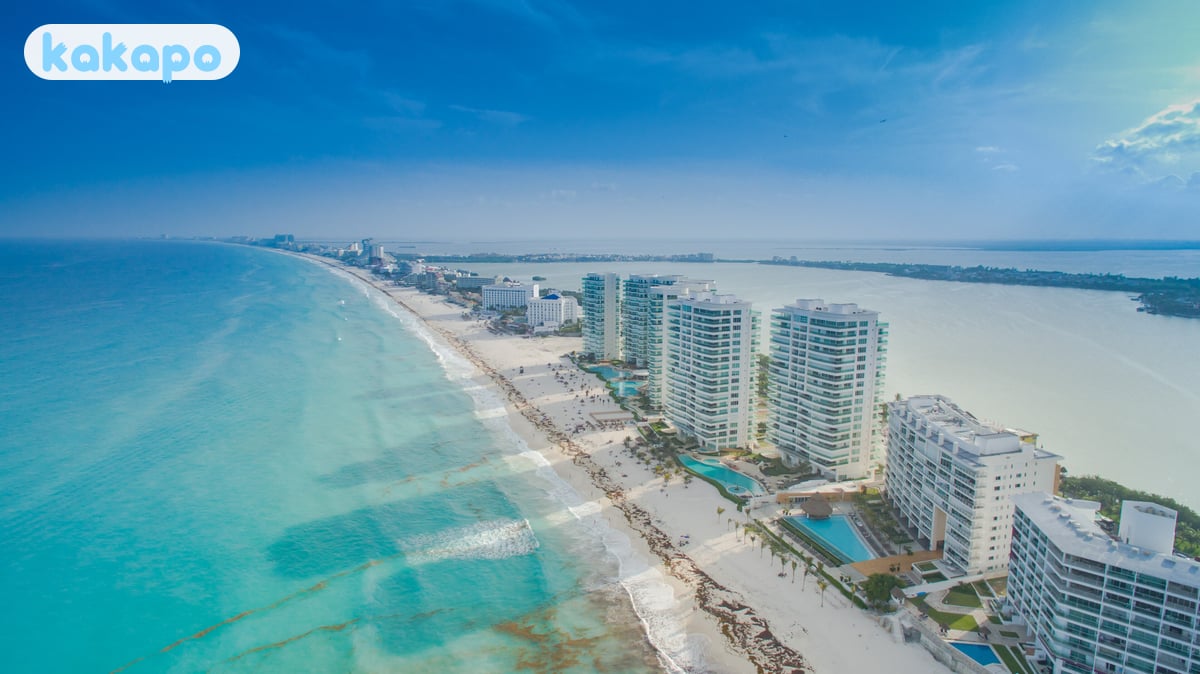
Hotel Zone (Zona Hotelera): 22 km strip running south from Punta Cancún. Every resort is gated, security-staffed, and patrolled. The walking strip along Boulevard Kukulcán has restaurants, shops, beach access. Visitors here experience essentially zero crime. Petty theft is the realistic concern, not violence.
Cancún Centro: the working city of ~700,000 people, 5 km inland from the Hotel Zone. Real Mexican neighbourhoods, working-class districts, schools, markets. Daytime visits to Mercado 28 and Parque de las Palapas are fine and recommended for honest food. After dark, the calculation changes — narco-related shootings have happened at Centro restaurants and clubs in recent years. Foreign tourists are not targeted but bystander incidents have happened.
Specific Centro zones to avoid after dark: Avenida López Portillo east, the area around the bus station outer streets, the colonias far from the centre. Las Quintas (a hospitality / restaurant strip) is generally fine but pay attention.
Day trips that are safe: Isla Mujeres (the small island ferry-trip — calm), Tulum (also a tourist anchor — Hotel Zone style), Chichén Itzá (organised-tour standard), Cenotes (organised tour or self-drive in daylight).
Day trips with extra awareness: Playa del Carmen (mid-zone — 5th Avenue tourist strip safe; outskirts more aware), Cobá (interior Yucatán; fine but plan to be back before dark).
Beach safety, sargassum, and the lagoon
- Lifeguarded beaches use a flag system: green = swim, yellow = caution, red = no swim, black = closed. Obey it.
- Riptides: real on the Caribbean coast. The Hotel Zone's eastern beach face is more exposed; the lagoon side is protected.
- Sargassum seaweed: bad seasons (May-September) bring large mats of brown seaweed onto Riviera Maya beaches. Smelly and uncomfortable; some resorts run beach-cleaning programs.
- Lionfish, jellyfish, sea urchins: present but rare to encounter.
- Sun: 9am-3pm at this latitude is brutal. Reef-safe sunscreen (oxybenzone-free, regulated by Quintana Roo).
Hurricane season — June to November
- Atlantic hurricane season: June 1 - November 30. Peak is mid-August through late October.
- Cancún has been hit hard historically: Wilma (2005), Gilbert (1988), Dean (2007). Modern resorts are built to category-3 hurricane spec.
- If a hurricane is forecast: resorts have evacuation protocols (interior-room shelter, stocked supplies). Listen to staff. Most resorts handle their guests well.
- Travel insurance with weather-disruption cover is genuinely useful. Flight cancellations during hurricane warnings are routine.
- Best weather: December-April (dry, warm, calm seas, peak prices).
Airport, ADO bus, taxis, rideshare
- Cancún International Airport (CUN) to Hotel Zone: ~25-30 min. Most resort packages include transfers. Independent: Uber works (or did intermittently — taxi unions push back), ADO bus to downtown then taxi, or the regulated yellow-cab cooperative at the airport.
- Don't take unmarked taxis at the airport. Use the official rank.
- ADO bus — Mexico's premium intercity bus. Reliable, comfortable, the best way to do Tulum and Playa del Carmen day trips.
- Uber within Cancún: legally operating but contested. Drivers cancel sometimes due to airport-taxi-cooperative tensions.
- Renting a car: fine for Yucatán day trips. Daytime driving on highways 307 and 180 is safe; military checkpoints are routine and legitimate.
Scams, tequila, and tipping
- Timeshare presentations at airport / resort lobbies in exchange for "free gifts" — mostly time-sinks rather than dangerous. Decline.
- Card-cloning at Centro gas stations and free-standing ATMs. Use ATMs inside Banamex, BBVA, Santander branches.
- "Authentic tequila" shop pressure on 5th Avenue Playa del Carmen and Centro: prices are 2-3× honest rates. Costco / Liverpool / Soriana sell the same tequila at fair prices.
- Currency: Mexican peso (MXN). Many Hotel Zone businesses accept USD but at poor rates. ATMs dispense pesos.
- Tipping: 10-15% in restaurants standard; round up taxis; 20-50 pesos to hotel staff.
Neighbourhood-by-neighbourhood breakdown
- Hotel Zone (Zona Hotelera) — Punta Cancún north — the resort-heavy northern half of Boulevard Kukulcán (Km 1-12). The Hyatts, the Hard Rock Hotel, Iberostar, Le Blanc, Coco Bongo and Mandala nightclubs around Punta Cancún. The reef-protected lagoon-side beaches are calmer; the open-Caribbean ocean side has more wave action. Politur tourist police visible.
- Hotel Zone — Punta Nizuc south — the quieter southern half (Km 12-22) toward the Punta Nizuc bridge. Playa Delfines (the iconic "Cancún" sign photo), Grand Sirenis, Royalton Riviera, the older Princess properties. Less nightlife; better-quality beach in many spots.
- Playa Delfines (Mirador) — the public-access beach at Km 17.5 with the famous "CANCUN" multicoloured sign. Free, parking, decent surf. The non-resort viewpoint that almost every Cancún photo features.
- Cancún Centro (El Centro) — the working city 5km inland. Mercado 28 for handicrafts (R$ negotiations), Parque de las Palapas for cheap evening street food, Las Quintas restaurant strip (generally fine), Avenida Tulum running spine. Daytime visits recommended for honest tacos; after midnight stick to Las Quintas and avoid Avenida López Portillo east.
- Puerto Juárez + Isla Mujeres ferry — north end of the Hotel Zone, the Ultramar catamaran terminal for Isla Mujeres (15-20 min, MX$300/$15 round-trip every 30 min). Don't confuse with the cheaper local ferry from Puerto Juárez itself (further north, MX$160). Both safe; the Ultramar is the tourist-standard.
- Isla Mujeres — the small island 12km off the coast. Playa Norte (the Caribbean-postcard beach), the golf-cart-rental tourist experience (MX$1,200-1,500/day), the south-end MUSA underwater museum (snorkel/dive). Calmer than Cancún itself; good day trip or 1-2 night overnight.
- ADO bus terminal (Centro) — Mexico's premium intercity bus operator. ADO services run to Playa del Carmen (1h, MX$130), Tulum (2h, MX$250), Mérida (4h, MX$500-700), Chichén Itzá (3h, MX$300). The reliable, air-conditioned, safe option for Yucatán day trips. Don't take colectivos (shared vans) without local recommendation.
- Cancún International Airport (CUN) — 18km south of the Hotel Zone. Most resort packages include transfers (the safe default). Independent: ADO bus to Centro (MX$120, 30 min) then taxi/Uber to your zone; pre-booked private transfer ($40-60); Uber (legally operating but contested — drivers cancel due to airport taxi-cooperative tensions especially near pickup); regulated yellow-cab cooperative at the airport ($60-80 to Hotel Zone). Don't take unmarked taxis.
- Spring break (mid-Mar to mid-Apr) — the US-college-student high season. Hotel rates spike 50-100%, Coco Bongo and Mandala are at maximum chaos, drink-spiking reports rise. If you're not in your 20s and not there for that energy, March-April is the wrong window — book May, late September, or December-early February instead.
- Cartel violence vs Hotel Zone reality — the 2021 Hyatt Ziva incident (3 killed in a beach gun battle near Puerto Morelos) and the January 2022 Xcaret incident put narco-violence on visitors' radar. Most incidents have occurred in Cancún Centro nightclubs and on the Cancún-Playa highway exits, not on Boulevard Kukulcán. Foreign tourists aren't targeted but bystander incidents have happened. Stay in resort-corridor or Hotel Zone properties, don't venture to outer Cancún at night, don't get involved in any drug-purchase situation. National Guard patrols are visible and protective.
If it's your first time visiting
- Best arrival: most resort packages include the airport transfer (the safe default). Independent option: pre-booked private transfer ($40-60) or regulated yellow-cab cooperative at the airport ($60-80 to Hotel Zone, $30-40 to Centro). Uber works but drivers cancel near the airport due to taxi-cooperative tensions — pre-book a different operator if Uber fails. Don't take unmarked taxis.
- Hotel Zone vs Centro decision: 95% of first-time visitors should book in the Hotel Zone (Punta Cancún north for nightlife, Punta Nizuc south for calmer beaches). Centro is genuinely cheaper ($80-150/night vs $250-600 Hotel Zone) but you'll spend $30-50/day on Uber/taxi to beaches and the "Cancún experience" you've imagined isn't there.
- Pre-book the all-inclusive vs European-plan choice: all-inclusive resorts (Le Blanc, Iberostar, Royalton, Hyatt Ziva) at $300-700/night double include food and drinks; European-plan (Westin Lagunamar, Krystal, Fiesta Americana) at $200-400 give you the flexibility to eat at non-resort restaurants. All-inclusive is the lower-risk default if you want zero decisions; European-plan rewards adventurous eaters.
- Day-trip planning: Isla Mujeres (Ultramar ferry from Puerto Juárez, MX$300 round-trip, 20 min) for the easy beach day; Tulum (ADO bus 2h, MX$250; or Maya Train) for Mayan ruins on the cliff; Chichén Itzá (ADO bus 3h or organised tour MX$1,000-1,500 with lunch); Xcaret/Xel-Há (eco-parks, $130-150 entry, full day); cenotes (Gran Cenote, Ik Kil — organised tour or self-drive). The Maya Train opened late 2023 and is the new alternative to ADO buses.
- Reef-safe sunscreen is required: Quintana Roo state law bans oxybenzone-based sunscreen at the marine parks (Xcaret, Xel-Há, MUSA). Most resorts have switched. Bring reef-safe (zinc oxide, titanium dioxide) or buy locally.
- Currency strategy: Mexican peso (MXN) is the right answer. Many Hotel Zone businesses accept USD but at poor exchange rates (typically 15-20% worse than the bank rate). ATMs inside Banamex, BBVA or Santander branches give pesos at fair rates; avoid free-standing ATMs (skimming + 7-10% fees). Pay card terminals in MXN never your home currency (DCC scam).
- Tipping: 10-15% in restaurants standard; round up taxis; MX$20-50 to hotel staff per service; MX$50-100/day for housekeeping in an all-inclusive. The "service included" line on all-inclusive bills doesn't always reach the actual staff; cash tips do.
- Hurricane awareness (June-November): peak is mid-August through late October. Modern resorts are built to category-3 spec and have evacuation protocols. Travel insurance with weather-disruption cover is genuinely useful — flight cancellations during hurricane warnings are routine. Best dry weather: December-April (peak prices).
- Common rookie mistakes: accepting "free welcome breakfast" at the airport or resort lobby (it's a 4-6 hour timeshare presentation); booking a "Cancún" hotel that's actually in Playa del Carmen, Tulum or Puerto Morelos (confirm the address); taking unmarked airport taxis quoting 3-5x the official rate; paying card terminals in USD instead of MXN (always 5-10% worse); buying "authentic tequila" on 5th Avenue Playa or Centro at 2-3x honest prices (Costco, Liverpool and Soriana sell the same tequila at fair prices); booking spring break dates (mid-Mar-mid-Apr) without realising the demographic shift.
Practical info — emergency numbers
- National emergency: 911.
- Tourist Assistance: 078 (English-speaking, 24h).
- Hospiten Cancún: +52 998 881 3700. International-standard.
- Hospital Galenia: +52 998 891 5200.
- US Consular Agency Cancún: +52 998 883 0272 (for US citizens).
Bring: reef-safe sunscreen, a card without foreign-transaction fees, an unlocked phone (Telcel, AT&T Mexico, Movistar prepaid SIMs at the airport), USD cash backup for off-resort spending, and travel insurance documentation. Tap water in the Hotel Zone is desalinated and treated; bottled is universal.
Frequently asked questions
Is Cancún safe to visit in 2026?
Yes for the Hotel Zone — one of the most controlled tourist environments in Latin America. US State Department lists Quintana Roo at Level 2 ('exercise increased caution') citing cartel-related incidents in non-tourist areas after dark. Inside the 22 km Hotel Zone (Zona Hotelera) strip, every resort is gated and patrolled and visitors experience essentially zero violent crime. Cancún Centro after dark is a different story — narco-related shootings have occurred at Centro restaurants and clubs since 2021 (foreign tourists not targeted but bystander incidents have happened). Most visitors fly in, stay in the gated resort cluster, and never see Centro.
Is Cancún safe at night?
Hotel Zone — yes, alive late and effectively gated; the Boulevard Kukulcán nightlife strip (Coco Bongo, Mandala, La Vaquita) is heavily-patrolled by Politur tourist police. Cancún Centro after midnight requires more awareness — stick to Las Quintas (the main restaurant strip) and avoid Avenida López Portillo east and the area around the bus station outer streets. Take only official yellow-plate taxis or your resort's preferred service; Uber works in Cancún but drivers cancel sometimes due to taxi-cooperative tensions, especially near the airport.
Is Cancún safe for solo female travellers?
Inside the Hotel Zone — yes, essentially Western-resort-standard with active solo-female travel scenes. Catcalling and timeshare touts are routine on the Boulevard Kukulcán; firm 'no, gracias' works. Avoid the spring-break party clubs solo and don't accept drinks from strangers — drink-spiking has been reported at some clubs. In Centro, dress more modestly and use Uber rather than walking at night. Hospiten Cancún and Hospital Galenia are international-standard private hospitals.
Can you drink tap water in Cancún?
No — stick firmly to bottled even though Hotel Zone resort water is desalinated and treated to high standards. Most resorts provide bottled water in rooms and at restaurants. Ice at major resorts is generally fine because it's made from filtered supply. Avoid ice in non-resort venues, street fresh juice, and unpeeled raw vegetables outside reputable restaurants. The Caribbean coast has had occasional traveller's-diarrhoea outbreaks linked to non-resort food.
What's the biggest scam to avoid in Cancún?
Timeshare presentations dressed up as 'free welcome gifts' at the airport and resort lobbies — the pitch starts as 'free breakfast' or 'free transfer' and runs 4-6 hours of high-pressure sales. Decline firmly; the freebie isn't worth it. Other recurring patterns: card-cloning at Centro gas stations and free-standing ATMs (use ATMs inside Banamex, BBVA, or Santander branches), 'authentic tequila' shop pressure at 2-3x honest rates (Costco and Liverpool sell the same tequila at fair prices), unmarked taxis at the airport quoting 3-5x the official rate (use the official taxi rank or pre-booked transfer), and DCC card-terminal scams — always pay in MXN pesos, never 'your home currency'.
Should I worry about cartel violence affecting tourists?
Realistic but not paralysing. Most cartel activity in Quintana Roo is between groups and tourists caught up are unlucky bystanders — the 2021 Hyatt Ziva incident (3 killed in a beach gun battle near Puerto Morelos) and the January 2022 Xcaret cartel incident put it on visitors' radar. Practical adjustments: stay in resort-corridor or Hotel Zone properties, don't venture to outer Cancún or Playa-Cancún highway exits at night, don't get involved in any drug-purchase situation, get inside if you hear sustained noise that could be gunfire, and don't photograph any police or military operations. The headline 'Mexico is a war zone' framing doesn't reflect the typical Hotel Zone visitor experience.
Sources
Run a business in Cancún?
Show visitors your Cancún business is a safe choice. The free Verified by Kakapo badge puts Cancún's live safety score on your website, links back to your verified page, and updates itself. No cost.
Get the free badge →