


Is Jamaica Safe? A 2026 Travel Safety Guide
The Caribbean island, the resort-vs-Kingston safety split, the Level 3 advisory framing, the all-inclusive reality, and the realistic risks.

Jamaica is one of the Caribbean's most-visited destinations — and one of its most-misunderstood from a safety perspective. The US State Department lists Jamaica at Level 3 ("reconsider travel") citing crime + inconsistent medical services, with specific Level 4 ("do not travel") carve-outs for parts of Kingston, Montego Bay, Spanish Town, and several other parishes' inner-city neighbourhoods. UK FCDO also has specific area warnings.
The contradiction: 4+ million tourists visit Jamaica every year, the vast majority through all-inclusive resorts in Negril, Montego Bay, and Ocho Rios — and have entirely uneventful trips. Tourist-area crime against visitors is significantly lower than the country-wide statistics imply. The realistic concerns are: stay inside resort gates / on organised tours / use vetted private drivers; don't wander into Kingston's inner-city neighbourhoods (Trench Town, Tivoli Gardens, parts of August Town) without local guidance; standard hurricane awareness (June-November); and the harassment-of-visitors / aggressive-vendor pressure on tourist beaches.
Quick disambiguation: this guide is the country Jamaica in the Caribbean — not Jamaica, Queens in New York, not Jamaica Plain in Boston. The country is 4,244 sq miles split into 14 parishes; the safety picture is sharply parish-specific. Hanover and Westmoreland parishes (Negril area) and St Ann (Ocho Rios) are where the cruise + all-inclusive traffic concentrates and where the tourist-targeting incident rate is lowest; St James (Montego Bay) is more mixed because the resort coast sits next to higher-crime inland neighbourhoods. Kingston and St Catherine (Spanish Town) carry the State Department Level 4 carve-outs. Most visitors only see Hanover, Westmoreland and St Ann — and never realise the parish line they're on.
| Night safety | 34/100 |
|---|---|
| Scam / petty-crime risk | Medium |
| Violent crime (tourists) | High |
| Safer neighbourhoods | Negril, Ocho Rios, Montego Bay |
| Data sources cited | 3 |
| Last verified |
What the score means — 62/100
- Air quality (84) — Caribbean clean.
- Healthcare (66) — private hospitals in Kingston + MoBay; serious cases evacuate to Florida.
- Transport (64) — Knutsford Express coach + private drivers + JUTA taxis; route taxis not for tourists.
- Personal safety (58) — pulled down by country-wide statistics; tourist-zone reality is significantly safer.
The Level 3 framing — what it actually means
This is the most important context for any Jamaica trip.
- Country-wide Level 3: based on Jamaica's overall homicide rate (one of the world's highest per capita).
- What gets you there: gang violence concentrated in specific Kingston + Spanish Town + Montego Bay inner-city neighbourhoods. Almost no foreign visitors enter these areas.
- Tourist zones: Negril, Ocho Rios resort strip, Montego Bay Hip Strip + resorts, Port Antonio — all see millions of visitors annually with very low foreign-tourist victim rates.
- Travel insurance: most retail policies cover Jamaica; some specifically caveat "Level 3" — check.
- STEP enrollment: US citizens — register with embassy.
Areas — Negril, Montego Bay, Ocho Rios, Kingston

Resort-tourist zones (low risk): Negril (Seven Mile Beach, all-inclusives + boutique), Montego Bay (MoBay) Hip Strip + resort area (Sangster airport ↔ Sandals/Ironshore corridor), Ocho Rios resort strip (Dunn's River, Mystic Mountain), Port Antonio (quieter, eastern).
Day-trip with vetted driver: Blue Mountains (coffee tour), YS Falls, Rick's Café.
Stay aware: downtown Kingston after dark, Trench Town + Tivoli Gardens + August Town + Whitfield Town (Level 4 carve-out neighbourhoods), some parts of Spanish Town, certain MoBay inland districts away from the tourist strip.
The basic Jamaica rules
- Stay inside resort or on organised tours: by far the safest model.
- Don't wander off-resort at night: even on the Hip Strip use cabs (JUTA, hotel-arranged).
- Don't display jewellery + expensive watches + obvious cash: anywhere outside resort gates.
- Don't use route taxis (shared, marked with red plates): locals only.
- Beach-vendor harassment: firm "no thank you" is the standard. Resort beaches are vendor-controlled (less hassle).
- Cannabis: technically illegal but tolerated for personal use; possession of larger quantities prosecuted. Don't try to take any home.
Hurricane season
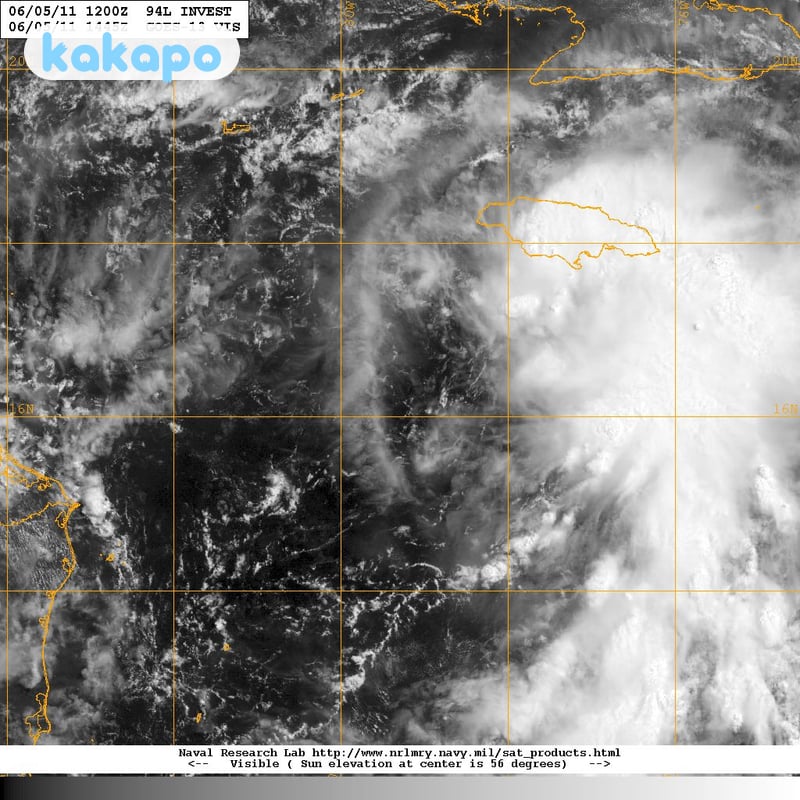
- Season: June-November, peak August-October.
- Major hits: Beryl (July 2024 — direct), Ivan (2004), Gilbert (1988).
- Resorts: all-inclusives have storm protocols.
- Travel insurance: confirm hurricane-cancellation cover.
Transport — JUTA, Knutsford, the airports
- Sangster International (MBJ): Montego Bay; the main tourist airport.
- Norman Manley International (KIN): Kingston; mostly business + diaspora.
- Pre-arranged transfer: the resort or a vetted operator (Juicy Tours, Knutsford Express VIP).
- Knutsford Express: coach service between MoBay, Negril, Ocho Rios, Kingston. Reliable + reasonably-priced + safer than route taxi.
- JUTA taxis: licensed, clearly-marked yellow plates; standard tourist option.
- Don't drive yourself: aggressive driving + left-hand-side + signs spotty.
Money + cost
- Currency: Jamaican dollar (JMD); USD widely accepted at tourist sites.
- Cards: resorts + bigger restaurants; cash for vendors.
- Tipping: 10-15%; some resorts have "no tipping" policies (still appreciated).
- Cost: all-inclusives $200-800/night/couple; boutique cheaper.
- Tap water: technically safe in resort areas; many drink bottled.
Parish-by-parish — Negril, MoBay, Ocho Rios, Kingston, Port Antonio
- Negril (Westmoreland parish, west coast) — Seven Mile Beach is the famous flat sand; West End is the cliff road with Rick's Café and the boutique hotels. Sangster Airport (MBJ) is 90 min east — JUTA shuttle US$25-30 per person or Knutsford Express coach US$22. The relaxed-evening vibe is the brand; the West End cliff strip stays lit and safe to walk solo until 23:00; beach-vendor pressure is high but a firm "no thanks, respect" ends it. Tourist-targeting crime here is among the lowest in Jamaica.
- Montego Bay (St James parish) — Hip Strip (Gloucester Avenue) is the policed entertainment zone; Sangster Airport (MBJ) is 5 min from the Sandals/Iberostar/RIU corridor (most all-inclusives transfer in 15-25 min). The hard split: the resort beachfront is policed and safe, but Flankers, Rose Heights, Norwood, Salt Spring, Mount Salem inland are State Department Level 4 carve-outs — don't venture there. Cruise ship terminal at Freeport handles 2 million passengers/year and brings the day-tripper crush 09:00-16:00 to Doctor's Cave Beach and the Hip Strip.
- Ocho Rios (St Ann parish) — Dunn's River Falls, Mystic Mountain, Mystic Cave, and the cruise pier at James Bond Beach. Cruise-day surge 10:00-15:00 then the town empties. Resort strip (Sandals, Couples Tower Isle, Hyatt Zilara) is comfortable any hour; the streets immediately around the pier and Island Village mall are vendor-pressured but safe. Day trips to Blue Hole, the Bob Marley Mausoleum at Nine Mile, and YS Falls.
- Port Antonio (Portland parish, eastern coast) — the quiet alternative: Frenchman's Cove, Blue Lagoon (where Brooke Shields swam in the 1980 film), Reach Falls, Boston Bay (the birthplace of jerk). No all-inclusives, low cruise traffic, the safest of the named tourist zones. 2.5h drive from Kingston (KIN) on the partially-improved North Coast Highway.
- Kingston (Kingston + St Andrew parishes) — the capital. New Kingston, Half Way Tree, Hope Road, Stony Hill, Liguanea are routine business / diaspora-tourism districts and are comfortable in daylight; the State Department Level 4 carve-outs are Trench Town, Tivoli Gardens, Denham Town, August Town, Whitfield Town, parts of Mountain View — do not enter without a local. Bob Marley Museum on Hope Road, Devon House (the I-Scream), the Blue Mountains coffee tour (Strawberry Hill 1.5h north). Norman Manley Airport (KIN) is 30 min south-east; mostly business + diaspora flights.
- Spanish Town (St Catherine parish) — historic former capital with elegant Georgian architecture; also among the most-violent towns in the Caribbean. Visit only on an organised tour with a vetted driver.
- Treasure Beach (St Elizabeth, south coast) — the off-the-resort-track alternative. Jakes Hotel, Pelican Bar (a wooden shack on a sand bar 1km offshore), Lover's Leap. Friendly, fishing-village character; rented car or vetted driver from MoBay (2.5h).
- Sangster (MBJ) vs Norman Manley (KIN) — almost all leisure traffic goes through Sangster; KIN is mostly business + diaspora. Knutsford Express runs reliable coaches between MoBay, Negril, Ocho Rios, Port Antonio and Kingston. JUTA taxis (licensed yellow plates) are the standard tourist option. Never use route taxis (red plates) — locals only, packed, and not the place tourists want to be after dark.
If it's your first time visiting
- Best arrival airport: Sangster (MBJ) in Montego Bay handles ~80% of leisure flights and is 5-90 min from any of the western resort coasts. Norman Manley (KIN) in Kingston is mostly business + diaspora — avoid for first-time leisure. Direct from US east coast (Miami, NYC, ATL) is 3h; from London-Gatwick 9h on BA, Virgin or TUI.
- Best base for your first trip: Negril (Seven Mile Beach or West End cliffs) for the quintessential Jamaica beach week; Ocho Rios for cruise-tourist infrastructure and Dunn's River Falls / Mystic Mountain access; Port Antonio for the quietest authentic eastern coast. Sandals Negril, Couples Negril, Royalton, Hyatt Zilara/Ziva, RIU, Iberostar are the brand-name all-inclusives.
- Transfer logistics: pre-book your airport transfer with the hotel or with Knutsford Express VIP (Sangster to Negril 90 min ~US$50 shared, US$120 private; Sangster to Ocho Rios 90 min same). At baggage claim, walk past the men offering "taxi, my friend" and find your hotel rep at the named counter outside Customs.
- Real prices in 2026: all-inclusive resorts US$200-800/night/couple depending on tier; boutique US$100-250; Red Stripe beer US$3-5 at a bar, US$1.50 from a roadside shop; jerk-chicken-and-festival plate at Scotchies (the local benchmark) US$10-12; Dunn's River Falls US$25 entry; Rick's Café entry free, cliff jumper tip US$10; Bob Marley Museum US$25; Knutsford Express MoBay-Ocho Rios US$25-32.
- Currency: Jamaican dollar (JMD) is local; US dollars accepted at almost all resorts and tourist sites and frequently the default-quoted currency. Most cards work resort-side; cash for beach vendors and small shops. ATMs: NCB, Scotiabank — dispense JMD; some dispense USD.
- Tipping: 10-15% at restaurants; some resorts have official "no tipping" policies but tips are still appreciated; US$1-2/drink at the swim-up bar; US$5-10/day to housekeeping; tip the JUTA driver US$5-10 per leg.
- Common rookie mistakes: leaving the resort on an impromptu invitation from a friendly local (the single most common tourist-incident pattern); using route taxis (red plates) instead of JUTA (yellow plates); driving yourself (left-side, aggressive, signs spotty); buying or carrying cannabis (decriminalised for personal use up to 2 oz but possession at the airport is a guaranteed problem); booking a hotel "near Kingston" without checking the parish (you might be in St Catherine); ignoring hurricane-cancellation insurance (June-November, Beryl 2024 caused real disruption).
- Bring: reef-safe sunscreen (Discovery Bay marine park enforces it), DEET 25-50% mosquito repellent (dengue + chikungunya present), a Digicel or FLOW SIM (US$10-15 with 5GB data), modest cash in small notes, hurricane-aware travel insurance for June-November visits, and a willingness to stay on the resort + organised-tour model.
Practical info — emergency numbers
- Police: 119.
- Ambulance + Fire: 110.
- Tourist Helpline: 888 991 9999.
- Hospiten Montego Bay: +1 876 953 3649.
- University Hospital of the West Indies (Kingston): +1 876 927 1620.
Bring: reef-safe sunscreen, DEET 25-50% (dengue + chikungunya present), modest cash, contactless card, a Jamaica SIM (Digicel, FLOW), hurricane-aware travel insurance (June-November). Stay on the resort + organised-tour model unless you have local guidance.
Frequently asked questions
Is Jamaica safe to visit in 2026?
It depends sharply on which parish. Jamaica scores 64/100 here as a country-wide read — the figure reflects the contradiction. US State Department lists Jamaica at Level 3 ('reconsider travel') for crime and healthcare, with explicit Level 4 ('do not travel') carve-outs for specific neighbourhoods in Kingston (Trench Town, Tivoli Gardens, parts of Spanish Town), parts of Montego Bay (Flankers, Rose Heights, Norwood) and several inner-city pockets. UK FCDO mirrors the area-specific warnings. At the same time ~4 million tourists visit every year — almost all to Negril, Ocho Rios, Runaway Bay, the Hanover and Westmoreland resort coasts — and have completely uneventful trips. The parish-level differentiation is the entire story: Negril and Treasure Beach are not Trench Town.
Is Jamaica safe at night?
Inside resort gates and on organised tours, yes. The all-inclusive perimeter at Sandals, Beaches, RIU, Couples and the like is genuinely secure and well-staffed. Outside the resort, the answer is parish-specific: Negril's Seven Mile Beach strip and the West End cliff road have a relaxed evening rhythm that's largely fine with sensible awareness (don't walk solo on unlit stretches with valuables); Ocho Rios town centre is fine in early evening, thins out late; Montego Bay's Hip Strip is policed and busy, but venturing into Flankers or the deeper Mo Bay neighbourhoods after dark is a hard no. Kingston has districts (New Kingston, Hope Road, Stony Hill) that are routine and others (Trench Town, Tivoli Gardens, August Town) that visitors should not be in at all without local guidance. Use vetted private drivers (Knutsford Express for longer transfers, hotel-arranged cars for shorter); avoid public route taxis. Uber operates in Kingston and Montego Bay but supply is thin.
What's the biggest risk to be aware of in Jamaica?
Going off-script. The single common pattern in tourist victimisation is leaving the resort or planned-tour bubble on an impromptu invitation — a 'beach bar I know up the road', a 'shortcut' that the friendly local you met yesterday will drive you on, an off-grid weed-and-music night. Stick to named venues, vetted operators (Chukka Caribbean, Island Routes, Knutsford Express), and your resort's licensed driver network. Second-place risks: aggressive vendor pressure on tourist beaches (especially Negril and Ocho Rios — a firm 'no thanks, brother, respect' usually ends it), hurricane season (June-November; Beryl 2024 caused significant resort-coast damage), and motor-vehicle injury (Jamaican roads are narrow, fast and have weak enforcement; left-side driving). Do not buy or carry drugs — possession is still illegal despite cultural visibility.
Can you drink tap water in Jamaica?
In most resort areas and major towns, yes — the National Water Commission supplies treated water that meets WHO standards in Kingston, Montego Bay, Ocho Rios and Negril. Most all-inclusive resorts have their own additional filtration. Tap water is officially potable in those areas; many tourists still default to bottled out of habit or taste preference. In rural Jamaica, on private wells or roadside-cistern systems, the answer flips — stick to bottled, sealed-cap only. Ice in resorts and licensed restaurants is fine; ice from a roadside vendor in rural St Elizabeth is not.
Are the all-inclusive resorts actually safer, or just selling that?
Genuinely safer for the perimeter-and-staff reasons, with important caveats. The big chains (Sandals, Beaches, RIU, Hyatt Zilara/Ziva, Excellence Oyster Bay) operate fenced compounds with 24/7 security, vetted staff, and licensed taxi partners — incidents inside the gate are rare and well-documented when they happen. The trade-offs are different: over-pour culture (alcohol-related injuries, balcony falls and pool accidents are the most-reported in-resort incidents), excursion-vendor quality variance (book through the hotel's licensed operator desk, not a beach approach), and the Negril vs Mo Bay vs Ocho safety variation between the resorts' surrounding areas. The harassment-of-female-guests issue at some all-inclusives has had recurring media attention — read recent specific-resort reviews (TripAdvisor, Reddit r/Jamaica) before booking, and report any incident to hotel security and the JCF (police 119) immediately.
Sources
Run a business in Jamaica?
Show visitors your Jamaica business is a safe choice. The free Verified by Kakapo badge puts Jamaica's live safety score on your website, links back to your verified page, and updates itself. No cost.
Get the free badge →