


Is Yokohama, Japan Safe? A 2026 Travel Safety Guide
Pacific typhoons, the Kanto earthquake context, Chinatown crowd density, the Cup Noodle Museum, the Minato Mirai harbour, and the realities of Tokyo's calmer coastal sister.

Yokohama — population ~3.8 million, Japan's second-biggest city by population, just 30 minutes south of Tokyo — is a calm, prosperous port city with a distinct Meiji-era international heritage (Yokohama was Japan's first port to open to foreign trade in 1859). Crime against tourists is essentially nonexistent (Tokyo-equivalent low rates); Minato Mirai harbourfront and Yokohama Chinatown are the headline attractions; the city makes an excellent Tokyo day-trip or alternative base.
The honest concerns are mostly environmental. Pacific typhoons strike Yokohama as part of the Kanto region — typically less direct than Chiba or coastal Aichi but the bay-area storm-surge risk is real (Typhoon Hagibis 2019 caused major damage across Kanto). The Kanto earthquake history is a key context — the 1923 Great Kanto Earthquake (M7.9) destroyed Yokohama almost entirely (the modern city is largely a 1923-rebuild plus 1945-bombing-rebuild); the city is rated high-risk for the next major Kanto event. Yokohama Chinatown (Asia's largest) has the standard dense-tourist-area pickpocket precautions. Otherwise this is one of Japan's safest cities.
The US State Department lists Japan at Level 1; UK FCDO has no advisories. Both note the standard typhoon and earthquake context.
| Night safety | 91/100 |
|---|---|
| Scam / petty-crime risk | Medium |
| Violent crime (tourists) | Low |
| Most common scams | street touts offering tours in Yokohama Chinatown; dense weekend crowds in Yokohama Chinatown |
| Safer neighbourhoods | Minato Mirai, Yokohama Station, Motomachi-Chukagai |
| Data sources cited | 4 |
| Last verified |
What the score means — 95/100
- Personal safety (96) — exceptional; Tokyo-equivalent.
- Transport (94) — extensive JR, Yokohama Subway, private rail (Tokyu, Sotetsu, Keikyu); Tokyo 30 min by JR Yokosuka or JR Tokaido lines.
- Healthcare (90) — Yokohama City University Medical Center; Saint-Marianna University Hospital; high-tier; English support limited compared to Tokyo central.
- Air quality (80) — moderate; Tokyo-Yokohama megalopolis traffic-emissions; coastal breeze helps.
Pacific typhoons — Kanto region strikes
- Season: August-October peak; June-November range.
- Recent severe events: Typhoon Hagibis (October 2019, Cat 4 — devastating across Kanto including Yokohama; 100+ killed nationwide); Typhoon Faxai (September 2019, Cat 4 — direct Tokyo Bay hit, major damage). Multiple lower-category strikes most years.
- What closes: JR services suspend or reduce; Yokohama Subway keeps running underground; Haneda Airport (HND, 30 min north) and Narita (NRT) divert.
- Storm-surge zones: low-lying Yokohama Bay area (Minato Mirai 21 reclaimed land) protected by sea walls but flooding does occur; the 2019 Hagibis storm produced bay flooding.
- If a Land Warning is declared: stay at hotel; J-Alert pushes warnings; stock 24-48h supplies.
- Best windows: late March-May (cherry blossom + warm); November (autumn foliage, cool, clear).
- Insurance: cancellation cover essential August-October.
Kanto earthquake history and ongoing risk
- 1923 Great Kanto Earthquake: 1 September 1923, M7.9, killed ~140,000 across Kanto including most of Yokohama; the city was rebuilt from rubble. The event is foundational to modern Japanese disaster planning (1 September is annual Disaster Prevention Day).
- 1995 Kobe earthquake context: not Yokohama but reshaped Japanese building code; modern Yokohama buildings are well-engineered.
- Future Kanto event: Japanese government modelling estimates a major Kanto-region earthquake (M7+) has 70%+ probability within next 30 years.
- What to do during shaking: Drop, Cover, Hold On under sturdy table; don't run outside.
- Phone alerts: J-Alert pushes earthquake/tsunami warnings to all phones in Japan within seconds.
- Tsunami: Yokohama Bay topology partially protective; outer Tokyo Bay coastal areas more exposed; if you feel strong shaking, head inland or to high ground.
- Hotel earthquake info: most international hotel chains include earthquake-safety briefing in room information; familiarise yourself.
Yokohama Chinatown — Asia's largest
- What it is: largest Chinatown in Asia (and possibly in the world by area); founded 1859 by Chinese traders arriving with Japan's port-opening.
- What's there: 600+ shops and restaurants in a 4-block area; Kantei-byo Shrine (the Chinese-Japanese Confucian/Guandi temple); food streets (Chukagai-odori).
- Best food: Cantonese dim sum (try Heichinrou — operating since 1884), shumai (Edosei), pork buns (Edosei or Yokohama Daihanten), Sichuan (Manchinrou).
- Pickpocket precautions: dense weekend crowds; standard precautions.
- Don't accept "tour" offers from streetside touts; established restaurants don't street-recruit.
- Closed Mondays and Tuesdays: many smaller restaurants close; check before visiting.
- Best timing: weekday lunch (less crowded); avoid Saturday peak 12:00-15:00.
Minato Mirai 21 and the harbour district
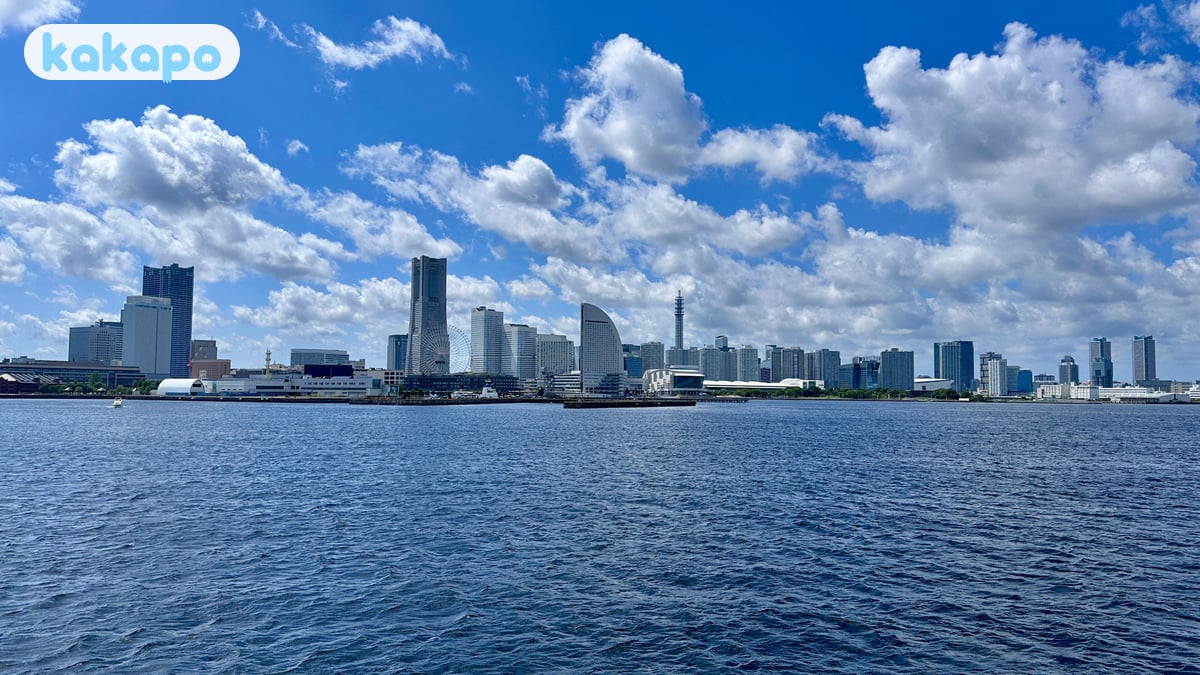
- What it is: planned harbourfront district built on reclaimed land 1980s-2000s; Yokohama's modern face; combines high-rises (Landmark Tower at 296m, Japan's third-tallest), parks, museums, malls.
- Cup Noodle Museum (Yokohama): hands-on Cup Noodle Park experience (make-your-own noodle); JPY 500 entry; family-friendly. Pre-book on weekends.
- Yokohama Cosmoworld: ferris wheel (Cosmo Clock 21), small theme park; free entry; rides paid individually.
- Yokohama Hammerhead and Akarenga (Red Brick) Warehouse: heritage warehouses converted to restaurant-shopping districts; calm walking.
- Sankeien Garden: 30 min south; classic Japanese landscape garden; quieter than Tokyo's; great for cherry blossom season.
- Yokohama Stadium: home of Yokohama DeNA Baystars baseball team; Japanese baseball atmosphere; rare cultural experience.
- Walking the harbourfront: free, safe, well-illuminated at night.
Tokyo connection — day-trip or base?
- Tokyo-Yokohama distance: Tokyo Station to Yokohama Station 25 min on JR Tokaido Line (¥490); Shinjuku to Yokohama 35 min on JR Shonan-Shinjuku Line (¥570); Shibuya to Minato Mirai 30 min on Tokyu Toyoko Line (¥320).
- Yokohama as Tokyo day-trip: easy half-day or full-day from Tokyo; 4-6 hours covers Chinatown lunch, Minato Mirai walk, Cup Noodle Museum, sunset photos.
- Yokohama as alternative Tokyo base: hotel rates 30-50% cheaper than central Tokyo; trains to Tokyo central run every few minutes; useful for budget visitors who want easy Tokyo access without central-Tokyo prices.
- Recommended Yokohama hotels: Intercontinental Yokohama Grand (Pacifico Yokohama, harbourside, the iconic sail-shaped building), Yokohama Royal Park Hotel (in Landmark Tower, sky-high views), Hyatt Regency Yokohama, mid-range Daiwa Roynet Hotel.
- Haneda Airport (HND) connection: 30 min by Keikyu Limited Express to Yokohama; useful for airport-adjacent stays.
- Narita Airport (NRT): 90-100 min via Narita Express + transfer; reasonable.
Areas — Minato Mirai, Yokohama Station, Motomachi-Chukagai

Recommended bases: Minato Mirai — modern harbourfront; international hotels; near Cup Noodle Museum, Cosmoworld, Sankeien (extra ride). Yokohama Station area (Nishi-ku) — central transit hub; mid-range business hotels; Yokohama Sogo, Takashimaya. Motomachi-Chukagai — adjacent to Chinatown; boutique and mid-range stays; walking distance to harbour.
There are no genuinely dangerous neighbourhoods in Yokohama.
Money, food, emergency numbers
- Currency: Japanese yen (¥). $1 ≈ ¥152.
- Cards: chains and hotels yes; small Chinatown shops cash. 7-Eleven and Japan Post Bank ATMs take foreign cards.
- Tipping: not done.
- Food: Yokohama is the inventor of "Yokohama-style ramen" (iekei — pork-bone-soy ramen); Yokohama beef (Wagyu); Chinatown for Chinese; international restaurants in Minato Mirai.
- Tap water: safe.
- Suica / Pasmo / ICOCA: tap card for trains/buses; ¥500 deposit.
- Yokohama Subway: 2 lines; tap card; useful for Cosmoworld and Sankeien Garden.
- Cup Noodle Museum and Akarenga area: walking distance from Minatomirai station (Minatomirai Line).
- Emergency: 110 (police), 119 (fire and ambulance). Japan Visitor Hotline 050-3816-2787 (24h, English).
- Hospitals: Yokohama City University Medical Center (+81 45 261 5656); Saint-Marianna University Hospital Yokohama City Seibu (+81 45 366 1111).
- SIM: at Tokyo airports or Yokohama Station Bic Camera; eSIM (Airalo Japan) easier.
Frequently asked questions
Is Yokohama safe to visit in 2026?
Yes. Yokohama scores 92/100 and is Tokyo-equivalent for safety — Japan's second-biggest city by population, calm and prosperous, 30 minutes south of central Tokyo. The US State Department lists Japan at Level 1 and UK FCDO has no advisories. Crime against tourists is essentially nonexistent. The honest concerns are environmental: Pacific typhoons strike Kanto and produced major Yokohama-area damage with Hagibis (2019) and Faxai (2019); the Kanto earthquake risk is real (the 1923 Great Kanto Earthquake destroyed Yokohama almost entirely and modelling puts a future major Kanto event at 70%+ probability over 30 years); Yokohama Chinatown (Asia's largest) needs standard dense-tourist-area precautions on weekends.
Is Yokohama safe at night?
Yes, very. Minato Mirai 21 harbourfront is well-illuminated and pleasant to walk at any hour, the Akarenga (Red Brick) Warehouse and Cup Noodle Museum area are family-friendly late, and the Chinatown food streets stay busy until 10-11pm. Solo women routinely walk home from late dinners. There are no genuinely dangerous neighbourhoods in Yokohama. JR and the Yokohama Subway both stop around midnight; taxis are abundant and metered honestly.
Is Yokohama safe for solo female travellers?
Yes, exceptionally. Yokohama combines Japan's near-zero violent crime rate with a coastal, international feel inherited from its 1859 port-opening heritage. Catcalling is essentially absent. Solo women routinely ride the JR Tokaido and Yokosuka lines to/from Tokyo, walk Minato Mirai at sunset, and dine alone in Chinatown — Heichinrou (operating since 1884) and Edosei are easy solo lunches. Standard precautions handle the only realistic risk: cross-body bag in front during Chinatown weekend lunch peaks.
Can you drink tap water in Yokohama?
Yes. Yokohama tap water is safe and tested to Japan's strict national standards. Locals drink it routinely. Restaurants automatically serve free chilled water on arrival. Carry a refillable bottle in summer — Yokohama humidity is high and the Minato Mirai harbour walks expose you to sun for long stretches. The Yokohama supply is the same Tokyo-area metropolitan system, consistently rated among Japan's best.
What's the biggest scam to avoid in Yokohama?
Honestly, scams in Yokohama are rare — the city's prosperity and tight policing make it a low-target environment. The realistic risks are commercial rather than criminal: Chinatown 'tour' offers from streetside touts (established restaurants like Heichinrou, Edosei and Yokohama Daihanten don't street-recruit, so walk past); third-party Cup Noodle Museum 'fast-pass' resellers marking up the JPY 500 entry; and the standard recurring Japanese pattern of DCC at card terminals (always pay in JPY, never your home currency). Yokohama Stadium and Cosmoworld tickets are best bought directly.
How worried should I be about earthquakes and typhoons during my visit?
Aware rather than worried. The 1923 Great Kanto Earthquake (M7.9) destroyed Yokohama and the modern city is largely a rebuild — modern buildings are well-engineered to current Japanese seismic code, which is among the world's most stringent. Japanese government modelling estimates a major Kanto-region earthquake (M7+) has 70%+ probability within 30 years, but you can't time-plan around that. During shaking: drop, cover, hold on under a sturdy table, don't run outside. J-Alert pushes earthquake and tsunami warnings to phones within seconds. For typhoons, August-October is peak; insurance cancellation cover is essential. Storm-surge risk affects low-lying Yokohama Bay reclaimed land but sea walls reduce it; hotel staff will know evacuation procedure. Best windows: late March-May (cherry blossom) and November (autumn foliage).
Sources
Run a business in Yokohama?
Show visitors your Yokohama business is a safe choice. The free Verified by Kakapo badge puts Yokohama's live safety score on your website, links back to your verified page, and updates itself. No cost.
Get the free badge →