


Is Beijing, China Safe? A 2026 Travel Safety Guide
Tiananmen photography rules, the Great Wall day-trip operator question, winter air pollution, and the realistic risks of China's capital.

Beijing is one of the safest mega-cities in the world for crime, and the realistic visitor concerns are the operational and political ones rather than personal-safety. Winter air pollution can hit hazardous levels; summer heat is brutal; the Great Wall has dozens of "official" tour operators of varying quality; and the photography rules around Tiananmen Square are stricter than visitors expect.
Same advisory framing as Shanghai: the US State Department lists China at Level 3 with carve-outs that don't typically apply to standard tourist trips. Tourist crime in central Beijing is essentially zero. CCTV coverage is comprehensive; police presence at major sites is heavy.
The honest framing for first-time visitors: prepare for the technology environment (VPN, Alipay/WeChat Pay) before flying. Once in Beijing, your daily concerns are operational — the air, the heat, the long distances, and the few specific photography rules.
Visiting Beijing for the first time, the thing that catches most travellers off-guard isn't crime — it's the technology gap and the sheer scale. The Great Firewall blocks Google, WhatsApp, Instagram, Facebook, Gmail, X — set up a working VPN before flying or you're effectively offline. Alipay and WeChat Pay are payment infrastructure; both now accept international cards but you must register before arrival. Cash works less and less. Beijing's "downtown" is 30km across. Open with "Ní hǎo" (hello) — Mandarin pronunciation matters but locals are forgiving; "Xièxie" closes transactions. English is patchier than in Shanghai. A bowl of zhajiang noodles at any local restaurant is ¥18-30 (~$2.50-4), Peking duck at Da Dong or Quanjude ¥298-498 ($40-70) for a whole duck serving 2-3 people, a Tsingtao at a Sanlitun bar ¥30-50.
In 2026, the specific things that have changed since pre-pandemic include: China relaxed visa rules in late 2024 — 144-hour transit visa-free entry available to 50+ nationalities; Alipay and WeChat Pay now accept international Visa/Mastercard for top-up since 2024 (a game-changer for tourists); Beijing Daxing airport (PKX) is fully operational and increasingly used over PEK; the new Yanqing Great Wall sections improved for the 2022 Beijing Winter Olympics remain quieter than the Mutianyu/Badaling crush; air quality has continued improving — 2024-2025 winters were the cleanest in a decade though still hazardous on the worst days; and the high-speed rail Beijing-Shanghai is now 4h20m, making domestic travel easier than ever.
| Night safety | 74/100 |
|---|---|
| Scam / petty-crime risk | Low |
| Violent crime (tourists) | Low |
| Most common scams | free Great Wall tour pitches at the airport/hotel lobbies; pickpocketing concentrated at Wangfujing and around Tiananmen at peak hours |
| Safer neighbourhoods | Tiananmen / Forbidden City, Sanlitun, Houhai / Shichahai |
| Data sources cited | 4 |
| Last verified |
What the score means — 83/100
- Personal safety (92) — high. Crime against tourists is rare. Pickpocketing concentrated at Wangfujing and around Tiananmen at peak hours.
- Transport (92) — Beijing Metro 27+ lines. Cheap, modern, English signage.
- Night (88) — central Beijing is alive late and policed. Sanlitun and Houhai bar areas safe at any hour.
- Healthcare (88) — Beijing United Family, Peking Union Medical College Hospital, Raffles Hospital all international-standard.
Air pollution — the dominant winter concern
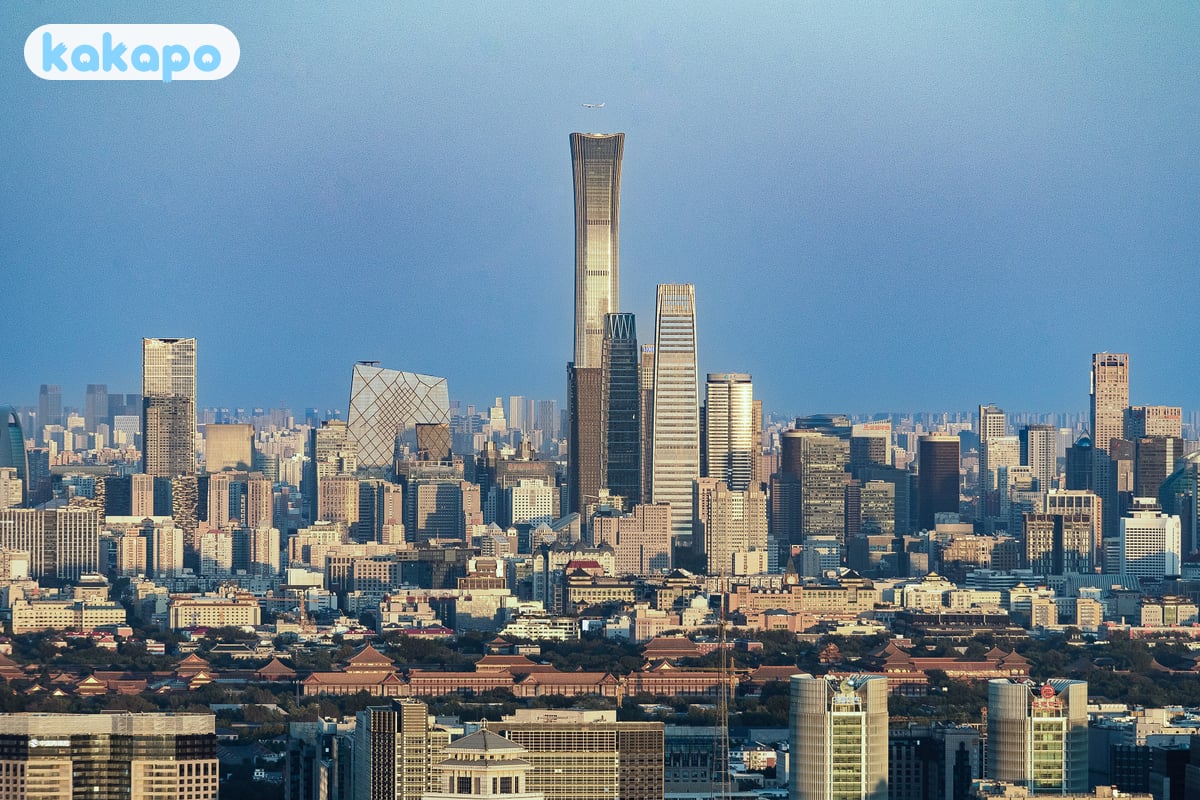
Beijing has long-running air-pollution issues, especially in winter when coal-fired heating combines with regional emissions and atmospheric inversion.
- Winter (October-March): AQI routinely hits 200-300+ ("unhealthy" to "hazardous"). 2013-2018 was the worst era; the situation has improved substantially since 2019 with policy reforms but still spikes.
- Bring an N95 mask if visiting Nov-Feb. Cheap masks (cloth, surgical) don't filter PM2.5.
- Asthma / heart conditions: consult your doctor; severe-pollution days can produce real exacerbations.
- Outdoor sightseeing (Great Wall, Forbidden City) on bad-air days produces noticeable irritation. Reschedule if possible.
- The Air Visual / IQAir app publishes hourly Beijing AQI in English.
- Summer (June-August): 35°C+ with smog occasionally. Air actually cleaner in summer; heat is the issue then.
- Best weather: April-May, September-early October.
Tiananmen Square — what's allowed
- Tiananmen is heavily controlled. Foreign visitors can enter (passport required, often through security checkpoints).
- Photography rules: foreign tourists may photograph the square, the gate, and Mao's portrait. Don't photograph soldiers, police, or security checkpoints up close. Cameras have been confiscated for filming the wrong thing.
- Don't bring overtly political items (T-shirts referencing 1989, banners, flags, anything Tibet/Taiwan/Falun Gong). Your bag will be checked.
- The Forbidden City (across from Tiananmen): timed-entry tickets, buy via official site or hotel concierge. Bring passport.
- The anniversary of June 4, 1989: increased security; some restrictions on access. Plan trips outside this window if possible.
Great Wall day trips — operator quality
The Great Wall is the headline visitor experience. Multiple sections; quality and crowds vary considerably.
- Mutianyu: well-restored, less crowded, has a cable car + toboggan. Most-recommended for first-timers.
- Badaling: closest to Beijing, most crowded, most heavily restored. The "tourist-coach" Great Wall.
- Jinshanling: 130 km from Beijing, partially restored, gorgeous, harder day trip.
- Simatai: night-illuminated, reservation-only, dramatic.
- Operators: book through your hotel's concierge or established operators (China Highlights, Beijing Tour). Avoid the "free Great Wall tour" pitches at the airport / hotel lobbies — these end at gem shops or jade factories.
- Self-driving the Great Wall is rarely advisable. Beijing traffic + Chinese rural roads + signage in Chinese only.
- Hiking the wall sections: stone surfaces are polished smooth and slippery when wet. Footwear matters.
- Crowd density at Badaling on Chinese national holidays (October Golden Week, Spring Festival) is extreme. Avoid those weeks.
Areas — Forbidden City, Sanlitun, hutongs
Recommended for visitors: Wangfujing (central shopping street), Forbidden City / Tiananmen district, Sanlitun (modern bar/restaurant district, expat-friendly), Houhai / Shichahai (lakes, hutongs, bars), 798 Art District (former factory complex, galleries), Olympic Park (Bird's Nest, Water Cube), Summer Palace, Temple of Heaven.
Hutongs (the historic narrow alley districts): photogenic and charming. Easy to get lost. Some have been gentrified into boutiques; others remain residential. Standard awareness.
There are no specific "no-go" zones for tourists in Beijing.
Metro, Didi, taxis, the airports
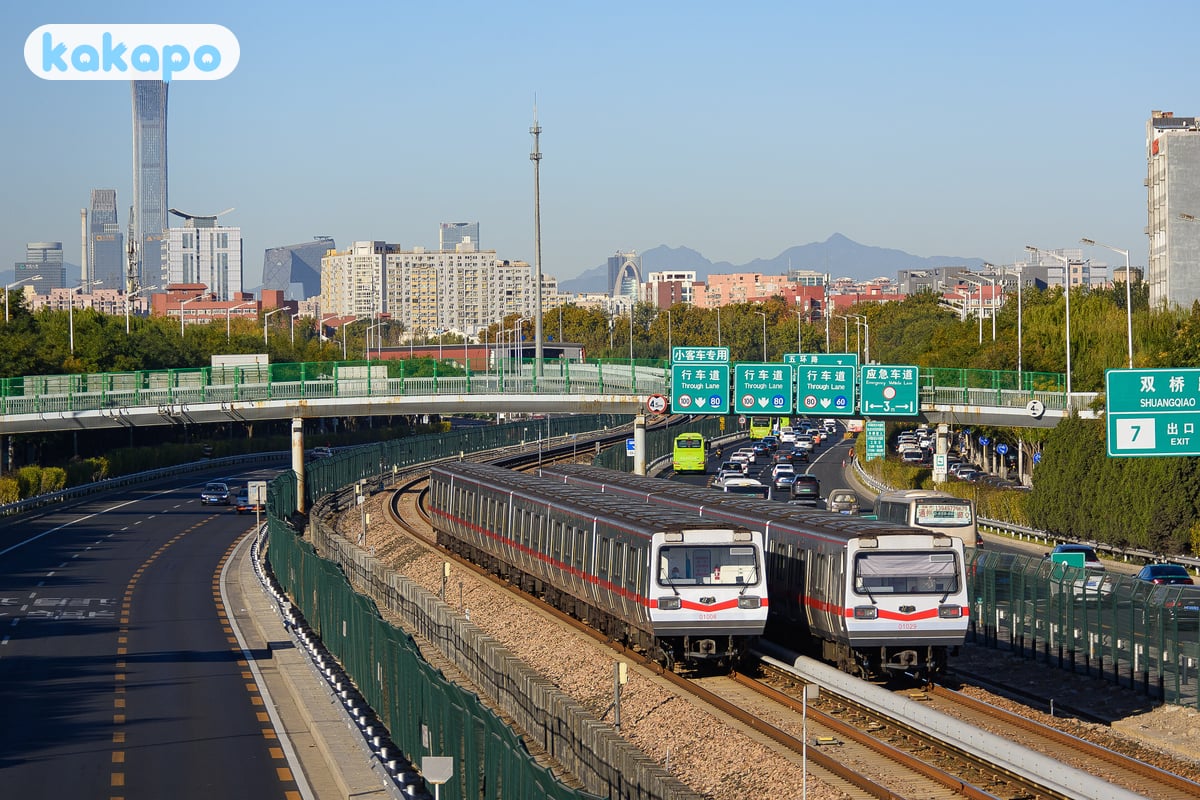
- Beijing Metro: 27+ lines covering essentially all tourist destinations. Cheap, modern, English signs. Buy a Yikatong card or pay via Alipay QR.
- Didi: install before arrival. Pay via Alipay.
- Taxis: regulated, metered. Drivers rarely speak English; have destinations in Chinese.
- Beijing Capital Airport (PEK): Airport Express train to Dongzhimen, then Metro. ~30 min total.
- Beijing Daxing (PKX): the new airport, south. High-speed rail link to Caoqiao station, ~25 min.
- High-speed rail: Beijing-Shanghai 4h20m. Beijing-Xi'an 4h30m.
Neighbourhood-by-neighbourhood breakdown
- Tiananmen / Forbidden City (Dongcheng District) — the political and historic heart, the world's largest urban square, the Forbidden City, Wangfujing shopping street. Heavily controlled and policed (passport required, security checkpoints). Very safe.
- Sanlitun (Chaoyang District) — the modern bar, restaurant and shopping district, Taikoo Li mall, the expat-friendly nightlife. Very safe, lively at night.
- Houhai / Shichahai (Xicheng District) — the historic lake district north-west of the Forbidden City, bar street around the lakes, hutongs leading off. Atmospheric, very safe, lovely evening boat-and-bar combinations.
- 798 Art District (Chaoyang) — north-east, former factory complex now galleries and cafés. Day-trip destination, very safe.
- Olympic Park (Chaoyang) — north, Bird's Nest, Water Cube. Polished and very safe, lovely evening illumination.
- Hutongs (Nanluoguxiang, Wudaoying, Mao'er, Wuhan) — the historic narrow alley districts, residential mixed with boutique gentrification. Photogenic, very safe. Easy to get lost.
- CBD / Guomao — east, the central business district, CCTV Tower, modern skyscrapers. Polished, very safe, slightly soulless.
- Summer Palace and Temple of Heaven (outer) — both are park complexes outside the central districts, accessible by metro. Day-trip destinations, very safe.
- Wangfujing — the central pedestrian shopping street. Heavily walked, pickpockets at peak crowds (rare but possible).
If it's your first time visiting
- Best arrival airport: Beijing Capital (PEK) for traditional flights or Beijing Daxing (PKX, the new 2019 super-airport) for many international routes. PEK to centre: Airport Express train ¥25 in 30 min to Dongzhimen, then Metro Line 2. PKX to centre: high-speed rail to Caoqiao ¥35 in 19 min, then Metro Line 10. Didi rideshare ¥120-180 from either.
- Public transport: Beijing Metro 27+ lines, cheap (¥3-9 per ride), modern, English signage on every line. Buy a Yikatong card or pay via Alipay/WeChat QR. Avoid the morning and evening rush — Line 1 and Line 10 get jam-packed.
- Best neighbourhood for your first night: Wangfujing/Dongcheng for proximity to Forbidden City and Tiananmen, Sanlitun for the modern expat-friendly base, Houhai for the historic lake atmosphere. Avoid first-time bookings in outer Chaoyang or Haidian — too far from sights.
- Day 1, jet-lag friendly: drop bags, walk Wangfujing's snack street, late-afternoon Tiananmen Square (passport required for entry, security checkpoint), early dinner Peking duck at Da Dong (booking 24-48h ahead), evening bar at Sanlitun or Houhai. Don't try the Great Wall on Day 1.
- Day 2 essentials: Forbidden City with pre-booked timed-entry ticket (¥60), Jingshan Park afterward for the panoramic Forbidden City view (¥10), late afternoon Temple of Heaven Park.
- Great Wall day trip: Mutianyu is the first-timer choice (less crowded than Badaling, cable car and toboggan, 90 min from Beijing). Book through hotel concierge or established operators (China Highlights, Beijing Tour) — avoid the "free Great Wall tour" airport pitches (end at gem shops). Allow 8-9 hours door-to-door.
- Common rookie mistakes: not setting up a VPN before flying (Google, WhatsApp, Instagram all blocked); photographing soldiers or security at Tiananmen (cameras have been confiscated); booking Badaling without checking it's a peak holiday (Golden Week early-October sees 100,000+ at the wall); not pre-booking the Forbidden City (timed-entry, sells out 1-2 weeks ahead for peak season); ignoring AQI in winter (PM2.5 200-300+ days are real — bring N95).
- VPN setup: subscribe and install ExpressVPN or Astrill (Wireguard-based) BEFORE flying. Some VPNs occasionally get blocked; have a backup.
- Tap water is not safe. Bottled is universal — every hotel provides free bottles.
Practical info — emergency numbers
- Police: 110.
- Fire: 119.
- Ambulance: 120.
- Tourist hotline: +86 10 6513 0828.
- Beijing United Family Hospital: +86 10 5927 7000. International-standard.
- Peking Union Medical College Hospital: +86 10 6915 6699.
Bring: VPN, an N95 mask (Nov-Feb), passport (carry it), Alipay/WeChat Pay configured, an unlocked phone, modest CNY cash, and travel insurance documentation. Tap water not safe; bottled is universal.

Frequently asked questions
Is Beijing safe to visit in 2026?
Yes — Beijing scores 88/100 and is one of the safest mega-cities in the world for crime. The US State Department lists China at Level 3 with carve-outs that don't typically apply to standard tourist trips; UK FCDO is similar. Tourist crime in central Beijing is essentially zero — CCTV coverage is comprehensive and police presence at major sites is heavy. Realistic concerns are operational and political rather than personal-safety: winter air pollution (AQI routinely 200-300+ Nov-Feb from coal-heating and atmospheric inversion), summer heat (35°C+ in July-August), the Great Wall day-trip operator variability, and the photography rules around Tiananmen Square (don't photograph soldiers, police or security checkpoints — cameras have been confiscated).
Is Beijing safe at night?
Yes, exceptionally. Sanlitun (the modern bar-and-restaurant district with Taikoo Li mall), Houhai / Shichahai (the lake district with hutongs and bar street), Wangfujing pedestrian street, the 798 Art District and the Olympic Park (Bird's Nest, Water Cube illumination) are all routinely walked late and women travel solo without issue. There are no neighbourhoods to avoid. Didi is the dominant ride-hail (install before arrival, pay via Alipay or WeChat Pay which now accept international Visa/Mastercard since 2024) and runs ¥30-60 for in-city hops. The Beijing Metro runs until 22:30-23:00 depending on the line. Police: 110; tourist hotline: +86 10 6513 0828; Beijing United Family Hospital: +86 10 5927 7000.
What's the dominant scam to watch for in Beijing?
The 'free Great Wall tour' or 'cheap Great Wall pickup' offered at the airport, hotel lobbies and around Wangfujing — these inevitably end at a gem shop, jade factory, silk factory or art gallery with high-pressure sales tactics, where the driver gets a commission. Book through your hotel concierge or established operators (China Highlights, Beijing Tour) instead. The related 'tea ceremony scam' or 'art student exhibition' pattern from Shanghai also runs in Wangfujing — a friendly English-speaking 'student' invites you to a traditional tea ceremony or to view their gallery, ending in a ¥1,000-3,000 bill. Politely decline. Pickpockets are real but rare; concentrated at Wangfujing and around Tiananmen at peak hours. Don't bring overtly political items (T-shirts referencing 1989, Tibet, Taiwan, Falun Gong) into Tiananmen — bags are checked.
Can you drink tap water in Beijing?
No — tap water in Beijing is not safe for visitors and even most locals boil or filter. Bottled is universal and free at every hotel (typically two complimentary bottles per day refilled by housekeeping). Cheap from any convenience store — ¥2-5 for 500ml. Hotel restaurants, international chains and Beijing's upscale Sanlitun and Wangfujing restaurants use filtered ice and are fine. Watch out at street food stalls. The bigger health risk is air pollution — bring an N95 mask if visiting November-February (cheap cloth and surgical masks don't filter PM2.5), and asthma or heart conditions should consult a doctor before the trip because severe-pollution days can produce real exacerbations. The IQAir app publishes hourly Beijing AQI in English.
Which Great Wall section should I choose?
For first-timers, Mutianyu — well-restored, less crowded than Badaling, has a cable car up and a toboggan down, 90 minutes from central Beijing. Badaling is the closest section to Beijing, the most heavily restored, and the most crowded (the 'tourist coach' Great Wall — avoid Chinese national holidays like October Golden Week or Spring Festival when 100,000+ visit). Jinshanling (130km from Beijing) is partially restored, gorgeous, harder day trip. Simatai is night-illuminated, reservation-only, dramatic. The new Yanqing sections improved for the 2022 Beijing Winter Olympics remain quieter. Stone surfaces are polished smooth and slippery when wet — proper footwear matters. Book through your hotel concierge or China Highlights / Beijing Tour; never the airport touts.
Sources
Run a business in Beijing?
Show visitors your Beijing business is a safe choice. The free Verified by Kakapo badge puts Beijing's live safety score on your website, links back to your verified page, and updates itself. No cost.
Get the free badge →