


Is Toyota City, Japan Safe? A 2026 Travel Safety Guide
Toyota City is essentially Toyota Motor's company town. The honest framing: it's not a typical tourist stop, mostly business + factory-tour visitors, very safe.

Toyota City is essentially Toyota Motor Corporation's company town + an industrial-tourism destination for serious car enthusiasts. Crime against tourists is essentially zero — Japan-wide low rates apply + this is a quietly affluent industrial city. The realistic considerations are practical: it's not a typical tourist stop, very few non-business visitors, English-language tourist infrastructure is limited, and the things to do here are tightly Toyota-themed (factory tour, Toyota Kaikan museum, Toyota Stadium for football). Most visitors come on day-trips from Nagoya (50 min by train).
Japan sits at Level 1 on the US State Department's advisory list. UK FCDO carries no specific warning. The honest framing for visitors: Toyota City is mid-sized (~420,000), 35 km southeast of Nagoya, renamed from "Koromo" in 1959 to honour Toyota Motor. The visitor scene is dominated by automotive enthusiasts, J-League football fans (Nagoya Grampus actually plays at Toyota Stadium), and Toyota suppliers attending industry events.
The defining experiences: Toyota Kaikan Museum (free; with the factory tour the marquee experience), Toyota Motor factory tour (advance booking required; suspended periodically — confirm before booking trip), Toyota Stadium (Japanese football matches), Sanage Onsen, Asahigaoka cherry blossoms in spring, and Korankei Gorge autumn-foliage 30 min east.
| Solo female safety | 96/100 |
|---|---|
| Night safety | 92/100 |
| Scam / petty-crime risk | Low |
| Violent crime (tourists) | Low |
| Most common scams | train ticket-machine confusion; Toyota factory-tour booking trap; Toyota Automobile Museum versus Toyota Kaikan distinction |
| Safer neighbourhoods | Toyota-shi station, Toyota Stadium, Aichi-regional restaurants |
| Data sources cited | 4 |
| Last verified |
What the score means — 94/100
- Personal safety (96) — Japan-wide low; Toyota exceptionally so.
- Healthcare (90) — Toyota Memorial Hospital is the regional reference.
- Transport (88) — Meitetsu Mikawa Line + Aichi Loop Line + city buses.
- Air quality (88) — generally good; industrial corridor adds NO₂ on still days.
Toyota factory tour + Kaikan Museum
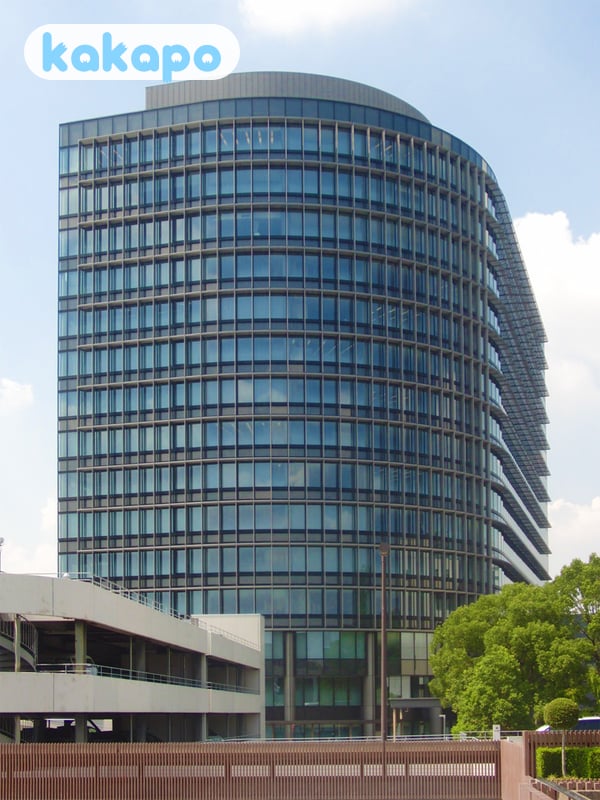
- Toyota Kaikan Museum: free admission. The visitor centre next to HQ; technology + sustainability + concept-car displays. 2-3 hours.
- Factory tour: free 2.5-hour tour; English available; depart from Toyota Kaikan. Pre-book online ~3 weeks ahead via toyota-global.com.
- What you see: Motomachi or Tsutsumi assembly plant (depending on slot); welding + assembly + inspection lines. No photography inside the factory.
- Suspended periodically: COVID-era pauses + occasional production-related closures. Confirm on the day before relying on it.
- Children: minimum age usually elementary-school (6+); ID required.
- Bring: photo ID; closed-toe shoes (no high heels, no flip-flops).
- Toyota Automobile Museum: this is in Nagakute, not Toyota City — different place.
Tourism reality — what's actually here
- The honest picture: Toyota City is a working industrial city. Nightlife is local-business-traveller standard; food is mostly Aichi-regional + chain. No major historic district + no famous shrines.
- Hotel scene: business hotels (Toyoko Inn, Comfort Hotel, APA) ¥7,500-¥15,000/night; comfortable + clean.
- Strategy for tourists: day-trip from Nagoya (much wider tourist infrastructure) or 1-night for the factory tour.
- If you stay overnight: Toyota City has the basics (restaurants, izakayas, Lawson convenience stores) but expect quiet weekday evenings.
- English signage: limited outside Toyota-owned spaces.
- Solo women: comfortable at any hour.
Toyota Stadium + J-League football
- The stadium: 45,000 capacity. Home of Nagoya Grampus (J1 League) — yes, the Nagoya team plays here.
- 2019 Rugby World Cup: hosted four matches.
- J-League matches: ¥3,500-¥8,500 standard tickets.
- Crowd safety: Japanese football crowds are famously orderly; pickpockets essentially zero.
- Getting to stadium: 25 min walk from Toyota-shi station, or shuttle bus on match days.
- Match-day food: stadium concessions + the surrounding chains.
Earthquake context
- The reality: Japan-wide seismicity. Aichi prefecture has moderate exposure; Nankai Trough megathrust would affect the region.
- Modern code: post-1981 buildings seismically engineered; Toyota commercial + hotel infrastructure post-1990s.
- If a tremor occurs: drop, cover, hold. Don't run outside.
- Hotel evacuation routes: posted; familiarise.
- Safety Tips app: install before arrival; multilingual alerts.
Trains, buses, the airport
- Chubu Centrair Airport (NGO): 80 km southwest; main international.
- Komaki Airport (NKM): 50 km north; small.
- Train from Nagoya: Meitetsu Limited Express Nagoya ↔ Toyota-shi 50 min, ¥670.
- JR alternative: Aichi Loop Line; slower.
- Highway buses: from Tokyo + Osaka.
- City buses (Toyota Oiden Bus): cheap.
- Driving: left-side; IDP required for foreign visitors.
Money, language, the basics
- Currency: yen (JPY).
- Cards: accepted in larger restaurants + hotels; cash for small + traditional places.
- IC card (Manaca + Suica + Pasmo): works on local trains + buses.
- ATMs: 7-Eleven + Japan Post for foreign cards.
- Tipping: not customary.
- Language: Japanese; English limited outside Toyota Kaikan.
- Tap water: safe.
Practical info — emergency numbers
- Police: 110.
- Fire + ambulance: 119.
- Toyota Memorial Hospital: +81 565 28 0100.
- JNTO Visitor Helpline (24/7 multilingual): 050 3816 2787.
- Safety Tips app: government-issued; free.
Bring: business-casual + closed-toe shoes for the factory tour, layered clothing, a contactless IC card, an unlocked phone (Japan SIM or eSIM), and travel insurance.
Frequently asked questions
Is Toyota City, Japan safe to visit in 2026?
Yes, exceptionally — Toyota City scores 94/100 here. Japan sits at Level 1 on the US State Department's advisory and UK FCDO carries no specific warning. Japan-wide low ordinary-crime rates apply with extra effect here — Toyota City is essentially Toyota Motor Corporation's quietly-affluent company town (~420,000 population, 35 km southeast of Nagoya, renamed from 'Koromo' in 1959 to honour the company). Crime against tourists is essentially zero. The realistic considerations are practical: it's not a typical tourist stop, English-language tourist infrastructure is limited outside Toyota-owned spaces, and the things to do here are tightly Toyota-themed (factory tour, Toyota Kaikan museum, Toyota Stadium for J-League football). Most international visitors come on day-trips from Nagoya (50 minutes by Meitetsu train).
Is Toyota City safe at night?
Yes — Japan's overall low-crime baseline extends fully to Toyota City, and solo women including foreigners are comfortable on the streets at any hour. Nightlife is local-business-traveller standard (a few izakayas, the standard chain restaurants around Toyota-shi station) and the city is genuinely quiet on weekday evenings. The realistic late-night considerations are practical: the last Meitetsu Limited Express back to Nagoya runs around 22:30, business hotels (Toyoko Inn, Comfort Hotel, APA) at ¥7,500-15,000/night are clean and comfortable, and the Toyota Stadium walk (25 minutes from Toyota-shi station, or shuttle bus on match days) is well-lit on game nights. Crowd safety at J-League matches is famously orderly — pickpockets essentially zero.
What scam should I watch for in Toyota City?
Toyota City is essentially scam-free — Japan's overall low-trickery baseline holds with extra effect in a company-town context. The relevant Japan-wide gotchas are minor: train ticket-machine confusion (the Meitetsu Limited Express from Nagoya to Toyota-shi requires both a base fare and a limited-express surcharge ticket — confirm at the green window before boarding), the Toyota factory-tour booking trap (tours are FREE; if anyone is offering 'paid Toyota factory access' they're operating outside the official process — book direct via toyota-global.com 3 weeks ahead, ID required, no photography inside the factory, suspended periodically including COVID-era pauses and production-related closures so confirm on the day), and the Toyota Automobile Museum versus Toyota Kaikan distinction (the Automobile Museum is in Nagakute, not Toyota City — different place). Tipping is not customary and can be perceived as rude.
Can you drink the tap water in Toyota City?
Yes — Toyota City tap water is excellent, like all Japanese municipal supplies, meeting strict JIS standards and testing constantly. Safe straight from any tap, tastes good, restaurants serve it free without asking. Carry a refillable bottle. The bigger health note for Aichi prefecture is the earthquake context: Japan-wide seismicity, Aichi has moderate exposure, the Nankai Trough megathrust scenario would affect the region. Modern code (post-1981 buildings seismically engineered; Toyota commercial and hotel infrastructure is post-1990s) means buildings are well-prepared. If a tremor occurs: drop, cover, hold under sturdy furniture, don't run outside. Install the 'Safety Tips' app (free Japanese government app, multilingual alerts) before arrival; hotel evacuation routes are posted and worth familiarising. Toyota Memorial Hospital +81 565 28 0100; JNTO Visitor Helpline (24/7 multilingual) 050 3816 2787.
Is the Toyota factory tour worth the trip — and what else is in Toyota City?
The Toyota factory tour is the genuine reason to visit Toyota City for car enthusiasts and the trip works as a Nagoya day-trip. The Toyota Kaikan Museum is the visitor centre next to HQ — free admission, technology and sustainability and concept-car displays, 2-3 hours, no booking needed (Hot Tip: the future-mobility section and the Mirai hydrogen displays are the under-rated highlights). The factory tour itself is free, 2.5 hours, English available, departs from Toyota Kaikan — pre-book online ~3 weeks ahead via toyota-global.com. What you see: Motomachi or Tsutsumi assembly plant (depending on slot) with welding + assembly + inspection lines; no photography inside the factory. Suspended periodically (COVID-era pauses and occasional production-related closures) — confirm on the day before relying on it. Minimum age usually elementary-school (6+), photo ID required, closed-toe shoes (no high heels, no flip-flops). For tourists who aren't car-obsessed, Toyota City is a quiet 1-night stop or skipped entirely. The hotel scene is business hotels at ¥7,500-15,000/night, comfortable and clean but expect quiet weekday evenings, food mostly Aichi-regional and chain. The other Toyota City anchors: Toyota Stadium (45,000 capacity, home of Nagoya Grampus J1 League — yes, the Nagoya team plays here; hosted four 2019 Rugby World Cup matches; J-League tickets ¥3,500-8,500), Sanage Onsen, Asahigaoka cherry blossoms in spring, and Korankei Gorge autumn-foliage 30 minutes east (the Korankei autumn maple viewing is the genuine local highlight). Strategy for tourists: day-trip from Nagoya (much wider tourist infrastructure — Atsuta Shrine, Nagoya Castle, Osu Shopping District, the Toyota Automobile Museum in Nagakute, the SCMaglev and Railway Park) or 1-night for the factory tour. Chubu Centrair Airport (NGO) 80 km southwest is the main international; Komaki Airport (NKM) 50 km north is small. Train from Nagoya: Meitetsu Limited Express Nagoya ↔ Toyota-shi 50 min, ¥670; JR alternative on the Aichi Loop Line is slower. Highway buses from Tokyo and Osaka. Driving: left-side, IDP required for foreign visitors. Manaca/Suica/Pasmo IC card works on local trains and buses. ATMs at 7-Eleven and Japan Post for foreign cards. English limited outside Toyota Kaikan — the JNTO Visitor Helpline (050 3816 2787, 24/7 multilingual) is the genuine resource. Bring business-casual + closed-toe shoes for the factory tour, layered clothing, contactless IC card, unlocked phone (Japan SIM or eSIM), and travel insurance.
Sources
Run a business in Toyota?
Show visitors your Toyota business is a safe choice. The free Verified by Kakapo badge puts Toyota's live safety score on your website, links back to your verified page, and updates itself. No cost.
Get the free badge →