


Is Cabo San Lucas, Mexico Safe? A 2026 Travel Safety Guide
Pacific rip currents, the no-swim beaches, time-share touts, hurricane season, and the realistic risks of the Baja California Sur resort.

Cabo San Lucas (and Los Cabos more broadly) is one of Mexico's safer beach destinations for tourists. The resort corridor (Cabo San Lucas to San José del Cabo, along Highway 1) is a tightly-controlled tourism zone with low crime against visitors. The realistic risks are environmental: Pacific rip currents at Pacific-side beaches (which include the famous "Divorce Beach" — beautiful and unswimmable), time-share touts on the marina (genuinely aggressive sales pressure, not violence), hurricane season (June-November), and the rental-car break-in pattern in remote-beach lots.
Mexico sits at Level 2 on the US State Department's advisory list — most "exercise increased caution" or higher language is about specific Mexican states, not Baja California Sur (BCS), which sits at Level 2. UK FCDO is similar.
The honest framing for first-time visitors: Cabo and San José del Cabo are at the southern tip of the Baja California peninsula, where the Pacific meets the Sea of Cortez. The famous "Arch" (El Arco), Lover's Beach + Divorce Beach (the same sliver of land between two seas), Médano Beach (the swimmable resort beach), the marina, and the East Cape and Pacific surfing day trips are the visitor anchors.
The Mexico cartel-news context every Cabo-bound traveller eventually asks about: Baja California Sur (BCS), the state Cabo sits in, is not the same place as Baja California (the northern state with Tijuana, which has higher cartel-violence figures). BCS itself has had isolated cartel-related incidents in the 2017-2019 window — the US State Department issued a higher-tier travel advisory specifically for Los Cabos in late 2017 after a spike in homicides, then downgraded it after security cooperation between resorts, state government and federal forces stabilised the corridor. Since 2020 the resort corridor has been one of the most heavily-tourism-policed stretches in Mexico, with visible state and federal presence on Highway 1. The honest framing: violent crime almost exclusively affects people involved in cartel activity, not tourists. The corridor is statistically safer for tourists than many US cities, but the news cycles understandably alarm visitors and the BCS Level-2 designation requires routine awareness.
In 2026, the specific things that have changed since pre-pandemic include: Uber has stabilised legally in BCS since 2021 but the airport zone is still taxis-only inside SJD (Uber pickup is allowed at a specific lot outside the terminal); spring-break compression hits Cabo in mid-March through early April with US college crowds and elevated drink-spiking + petty-theft reports during that window; the 2023 Hurricane Norma caused real corridor damage and reminded everyone to confirm hurricane cancellation cover on travel insurance booked May-November; and the post-2017 stabilisation in security has held, with most resort-corridor visitors reporting routine uneventful trips.
| Night safety | 53/100 |
|---|---|
| Scam / petty-crime risk | Medium |
| Violent crime (tourists) | Low |
| Most common scams | time-share touts on the marina; fake 'free' breakfast offers; pickpockets at the marina |
| Safer neighbourhoods | The Corridor, Médano Beach area, San José del Cabo Art District |
| Data sources cited | 4 |
| Last verified |
What the score means — 82/100
- Air quality (88) — clean coastal.
- Healthcare (80) — Hospital H+ Los Cabos and Saint Luke's are private facilities used by tourists.
- Transport (80) — taxis, buses, rental car all work; not as challenging as mainland Mexico.
- Personal safety (78) — high in resort corridor; lower in some Cabo San Lucas non-tourist neighbourhoods.
Beaches — what's safe to swim, what isn't
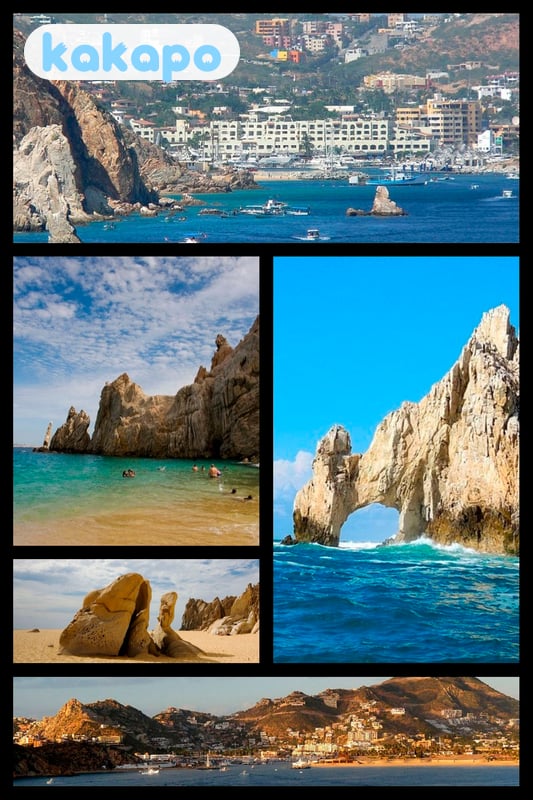
- Médano Beach (Playa El Médano): Cabo's main resort beach. Swimmable, lifeguarded, calm. Activities. Family-friendly.
- Lover's Beach (Playa del Amor): the Sea of Cortez side near El Arco. Calm, swimmable. Reach by water taxi from the marina (~$15 round trip, agree timing).
- Divorce Beach (Playa del Divorcio): literally on the other side of the same beach. Pacific side. Not safe to swim — strong rip currents and shore break. Beautiful for photos; do not enter the water.
- Solmar Beach: Pacific side. Same: not for swimming.
- Cabo Pulmo (East Cape): 90 min north-east. Marine reserve; world-class snorkelling.
- Don't underestimate Pacific rip currents: even strong swimmers drown. Swim Sea-of-Cortez side only at lifeguarded beaches.
- Reef-safe sunscreen: use it.
Marina time-share touts — the daily reality
- Cabo's marina: from check-in onwards, you'll be approached repeatedly with "free breakfast", "free transfer", "free fishing trip" offers. All are time-share sales pitches.
- The pitch: a 90-min "presentation" that runs 4-6 hours with high-pressure sales. Many tourists buy under pressure and regret.
- If you go: budget the time, decline firmly, you will get the freebie eventually.
- Best response: smile and "no, gracias" repeatedly while walking.
- "Free champagne breakfast at our resort": not free.
- Pickpockets at the marina: low-level. Front pocket only.
Hurricane season
- Eastern Pacific hurricane season: May 15 - November 30. Peak: late August - October.
- Major Cabo hurricanes: Odile (2014) was catastrophic. Norma (2023) and others have hit since.
- If a hurricane is approaching: most major resorts have established protocols. Heed evacuation orders.
- Travel insurance: confirm hurricane cancellation cover; book before storms are named.
- Lower risk months: November-May.
Transport, taxis, the airport
- Taxis: agreed-fare, expensive ($15-30 within Cabo). Use Uber where available.
- Uber: legal in BCS since 2021 but with restrictions at the airport — taxis only inside the airport zone.
- Resort shuttles: most major resorts have airport shuttles ($25-40/person each way pre-book).
- Buses (Subur Cabos, Aguila): cheap, useful for Cabo to San José del Cabo (~$3-5).
- Los Cabos Airport (SJD): 35 km north. Pre-booked shuttle $25-40. Taxi flat-rate $80-120.
- Don't use unmarked airport taxis: stick to the official taxi desk inside arrivals.
- Rental car: useful for East Cape day trips. Stay on Highway 1.
Areas — the Corridor, Cabo San Lucas, San José del Cabo
Recommended for visitors: The Corridor (Highway 1 between Cabo San Lucas and San José del Cabo) — most all-inclusive resorts, very safe. Médano Beach area. San José del Cabo Art District — gentrified Mexican-colonial, restaurants, galleries.
Stay aware: some non-tourist Cabo San Lucas neighbourhoods inland from the marina at night. Beach parking lots at remote Pacific beaches — break-in risk.
Money, tipping, the cost story
- Currency: Mexican peso (MXN). $1 ≈ MXN 17-20. US dollars widely accepted in tourist zones (often at unfavourable rate).
- Cards: widely accepted in resort corridor.
- Tipping: 15-20% restaurants; $1-2 USD/drink at bars; $5-10/day housekeeping; 10-15% taxis.
- Tap water: not safe; bottled.
- Cost: Cabo is expensive by Mexico standards. Resort meals $30-60/person.
Cabo area-by-area — Médano, Marina, the Arch
- Médano Beach (Playa El Médano) — Cabo's main resort beach on the Sea of Cortez side. Swimmable, lifeguarded, calm water. The Office Restaurant + Mango Deck + Mandala beach clubs (spring-break central). Family-friendly daytime, party-strip evenings.
- Marina + downtown Cabo San Lucas — the inner harbour where fishing boats, snorkel boats and the Lover's Beach water taxis depart. Time-share touts work this area aggressively; firm "no, gracias" and keep walking. Restaurants (Edith's, Sancho Panza, La Lupita), the Puerto Paraíso mall, dive shops (Manta Scuba, Cabo Adventures).
- Land's End Arch (El Arco) + Lover's Beach + Divorce Beach — the iconic rock arch at the tip of the peninsula. Water taxi from the marina ($15-20 round trip, agree return time). Lover's Beach (Sea of Cortez side) is calm and swimmable; Divorce Beach (Pacific side, same sliver of land) has lethal rip currents — beautiful photos, do NOT enter the water. The water taxi to Lover's is the most popular half-day excursion.
- The Corridor (Highway 1 between Cabo San Lucas and San José del Cabo) — the 30 km strip of all-inclusive resorts. Pueblo Bonito, Grand Velas, One&Only Palmilla, Esperanza, Las Ventanas. Very safe; gated; resort shuttles to either town. Most package tourists never leave their resort or the corridor.
- San José del Cabo Art District — the gentrified Mexican-colonial neighbourhood in San José del Cabo, 30 min east of Cabo San Lucas. Galleries, restaurants (Flora Farms, Acre, La Lupita), Thursday Art Walks November-June. Calmer + more cultural than Cabo San Lucas.
- Cabo del Sol (Corridor) — the famous Jack Nicklaus + Tom Weiskopf golf resort complex with two championship courses on the corridor. Golf $250-450 green fees.
- Cabo Pulmo (East Cape, 90 min north-east) — UNESCO-listed marine reserve. World-class snorkelling and diving with humpback whales in winter. Reach by rental car on Highway 1; stick to the highway.
- Los Cabos Airport (SJD) — 35 km north of Cabo San Lucas. Direct flights from LAX, Phoenix, Dallas, Houston, Chicago, Toronto. Pre-booked shuttle $25-40, official taxi-desk flat-rate $80-120, Uber allowed at a specific lot outside the terminal.
- Spring-break March-April — Cabo absorbs a wave of US college spring-break visitors mid-March to early April. The Médano Beach club strip becomes substantially rowdier; petty theft and drink-spiking reports rise. Travel either before or after if you want quieter Cabo.
If it's your first time visiting
- Pre-book your SJD airport transfer. Resort shuttle $25-40/person each way; official taxi-desk flat rate $80-120 per car; Uber allowed at the designated outside-terminal lot. Avoid unmarked taxis outside arrivals — they overcharge 2-3x.
- Swim only on the Sea of Cortez side at lifeguarded beaches. Médano is the main resort beach. Pacific-side beaches (Divorce Beach, Solmar Beach) look beautiful and kill strong swimmers — rip currents and shore break account for most of Cabo's visitor drownings.
- Smile and "no, gracias" your way past time-share touts on the marina. The "free breakfast" / "free transfer" / "free fishing trip" offers all lead to 4-6 hour high-pressure sales presentations. Many tourists buy under duress and regret it.
- Use Uber over taxis when not at the airport. Legal in BCS since 2021. Taxi fares are agreed-fare and expensive ($15-30 within Cabo); Uber is cheaper and friction-free. The airport pickup zone is restricted to one specific lot.
- Confirm hurricane cancellation cover for May-November bookings. Eastern Pacific hurricane season is May 15 - November 30; peak August-October. Hurricane Norma (2023) caused real corridor damage. Lower-risk months November-May.
- Always pay in MXN on card terminals, not USD. DCC rates are 5-10% worse than your bank's. USD is widely accepted at parity-ish rates (often MXN 18-19 per USD, vs market ~MXN 17-20) but pesos work better.
- Don't park rental cars at remote Pacific beach lots overnight. Break-ins are documented. Hide bags; lock up; park at attended lots ("parqueos") where possible.
- Tipping in resorts: $5-10/day housekeeping, 15-20% restaurants, $1-2 USD/drink at bars. Many bills include propina included (10-15% service); don't double-tip. Tip in USD or MXN.
- Visit Cabo Pulmo (East Cape, 90 min) or Todos Santos (1h north) if you want a day away from the resort corridor. Cabo Pulmo is the UNESCO marine reserve; Todos Santos is the Pacific surf-and-bohemian town with Hotel California (yes, that one is in the song, locals will tell you). Rental car needed; stay on Highway 1.
Practical info — emergency numbers
- Emergency: 911.
- Tourist Police: at the marina; English-speaking.
- Hospital H+ Los Cabos: +52 624 104 9300.
- Saint Luke's Hospital: +52 624 143 4911.
Bring: reef-safe sunscreen, a refillable water bottle, a hat, a Mexican SIM (Telcel, AT&T MX, Movistar) or eSIM, a contactless card, and travel insurance with hurricane cancellation cover.
Frequently asked questions
Is Cabo San Lucas safe to visit in 2026?
Yes — one of Mexico's safer beach destinations for tourists. Mexico sits at US State Department Level 2 ('exercise increased caution') and Baja California Sur state is at Level 2 — much of the heavier 'do not travel' language applies to specific other Mexican states, not BCS. UK FCDO is similar. The resort corridor (Cabo San Lucas to San José del Cabo along Highway 1) is tightly tourism-managed and crime against visitors is uncommon. Realistic risks are Pacific rip currents at the no-swim beaches, time-share tout aggression at the marina, hurricane season (May-November), and rental-car break-ins at remote-beach parking lots.
Is Cabo San Lucas safe at night?
Inside the resort corridor and main Médano Beach restaurant strip — yes, comfortable and patrolled. The marina area is active late. Some non-tourist Cabo San Lucas neighbourhoods inland from the marina warrant more awareness after dark; stick to the corridor and use Uber (legal in BCS since 2021) or your resort's preferred service. Don't park rental cars at remote Pacific beach lots overnight — break-ins are documented.
Is Cabo San Lucas safe for solo female travellers?
Yes inside the resort corridor — essentially Western-resort-standard with active solo-female travel scenes on the dive, fishing, and yoga circuits. Catcalling and time-share touts are routine on the marina; firm 'no, gracias' works. Don't accept drinks from strangers and watch your glass at bars. Hospital H+ Los Cabos and Saint Luke's are the tourist-grade private facilities. Avoid Pacific-side swimming entirely (rip currents kill strong swimmers) and stick to lifeguarded Sea-of-Cortez beaches like Médano.
Can you drink tap water in Cabo San Lucas?
No — stick firmly to bottled even though resort tap is desalinated and treated. Most resorts provide bottled water in rooms. Bottled water is cheap and ubiquitous off-resort. Resort ice is generally fine; avoid ice in non-resort venues and street fresh juice.
What's the biggest scam to avoid in Cabo San Lucas?
Marina time-share touts — from check-in onwards you'll be approached repeatedly with 'free breakfast', 'free transfer', or 'free fishing trip' offers that all lead to a 4-6 hour high-pressure sales presentation. Many tourists buy under pressure and regret it. Smile and 'no, gracias' repeatedly while walking. Other recurring patterns: unmarked airport taxis quoting 2-3x the official rate (use the official taxi desk inside SJD arrivals or pre-book a shuttle), beach-vendor 'silver' that's plated, restaurant DCC card-terminals charging in USD at worse-than-market rates (always pay in MXN), and unregulated panga boat tours from the marina (use established operators like Cabo Adventures or Pez Gato).
Is Divorce Beach really unsafe to swim?
Yes — entirely. Divorce Beach (Playa del Divorcio) sits literally on the other side of the same sliver of land as Lover's Beach (Playa del Amor) near El Arco. Lover's Beach faces the calm Sea of Cortez and is safe to swim; Divorce Beach faces the open Pacific with strong rip currents and a punishing shore break that has drowned strong swimmers. Beautiful for photos, do not enter the water. Solmar Beach has the same profile. Stick to lifeguarded Sea-of-Cortez side beaches (Médano is the main resort beach) and obey the lifeguard flag system — yellow caution, red high-hazard. Pacific rip currents account for the majority of Cabo's visitor drowning deaths.
Sources
Run a business in Cabo San Lucas?
Show visitors your Cabo San Lucas business is a safe choice. The free Verified by Kakapo badge puts Cabo San Lucas's live safety score on your website, links back to your verified page, and updates itself. No cost.
Get the free badge →