


Most Dangerous Areas in Chicago for Tourists
West Side, South Side block-by-block reality vs the Loop / North Side / Lakefront tourist bubble — and what the 2025 CPD numbers actually say.

Chicago is the canonical "tale of two cities" American tourist destination — and the geographical separation between the tourist Chicago and the violent-crime Chicago is sharper than in any other major US city. The single most useful fact: the City of Chicago's per-CPD-district Q4 2025 figures show homicide rates in West Side districts (11th — Harrison, including West Garfield Park + Austin) and South Side districts (7th — Englewood) that are 10-15x higher than the 18th (Near North), 19th (Town Hall — Lincoln Park area) and 1st (Central — the Loop). Tourists overwhelmingly stay in the latter three districts; almost no tourists ever reach the former.
The 2025 city-wide homicide count was down ~22% from the 2021 peak (which itself was the highest in 25 years), continuing a steady three-year decline. CPD beat-walking returned to pre-2020 levels across the Loop, North Side and lakefront after the temporary post-2020 staffing crunch. The CTA — the city's L (rapid transit) and bus system — has been the subject of repeated 2024-2025 high-profile incidents (Red Line in particular), but per-passenger crime rates remain low.
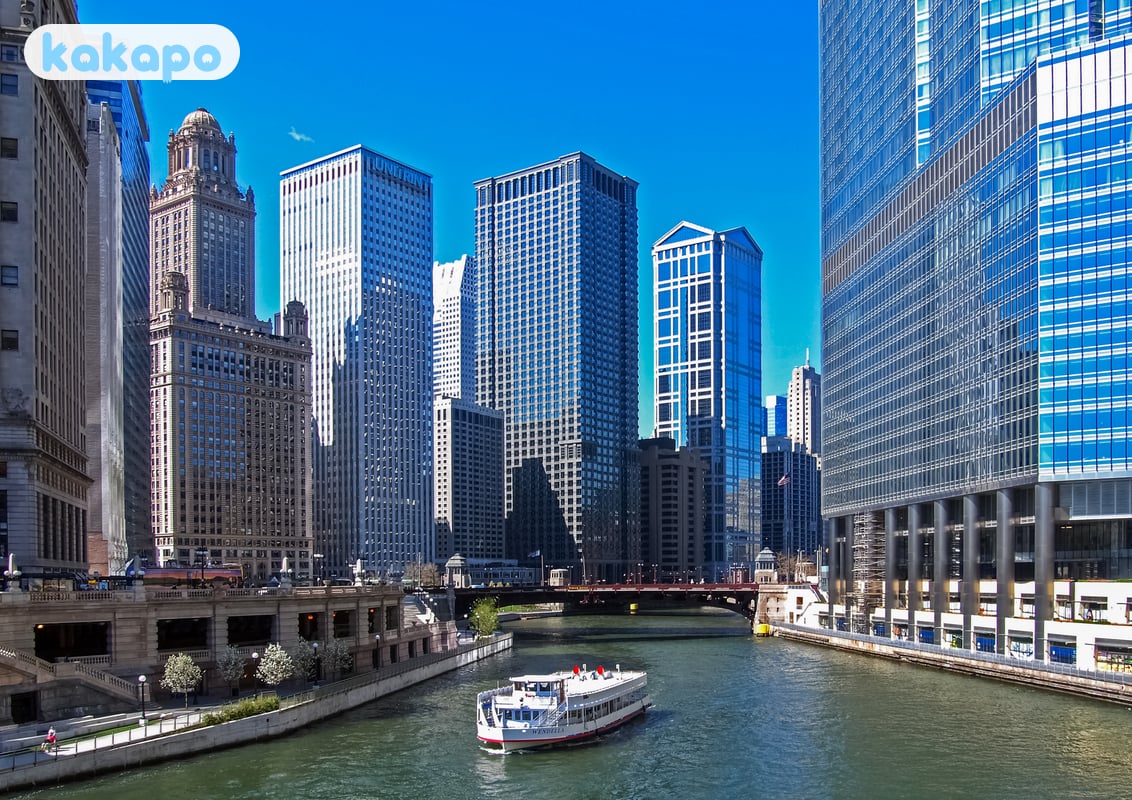
The Chicago tourist calculus is simple and well-tested: the Loop, River North, Streeterville, Magnificent Mile, Gold Coast, Lincoln Park, Old Town, Lakeview, Logan Square, Wicker Park, Bucktown, West Loop, Hyde Park (with the U of Chicago campus envelope) — these are the entire tourist Chicago and they're as safe as comparable Boston or Seattle neighbourhoods. The West and South Sides have specific cultural-tourism stops (Garfield Park Conservatory, the Pullman National Monument, U of Chicago + Museum of Science and Industry in Hyde Park) that have their own security envelopes; tourists visit by Uber or pre-arranged transport.
| Night safety | 55/100 |
|---|---|
| Scam / petty-crime risk | Medium |
| Violent crime (tourists) | High |
| Most common scams | smash-and-grab thefts on the Magnificent Mile; standard pickpocketing at crowded summer events; carjacking incidents in North Side |
| Safer neighbourhoods | The Loop, River North, Lincoln Park |
| Data sources cited | 4 |
| Last verified |
The most dangerous areas — by CPD district
- West Garfield Park (11th District — Harrison) — consistently in the top US neighbourhood-level homicide rankings. Empty streets, vacant buildings, daytime activity sparse. Tourists do not have a reason to be here.
- Austin (15th District) — the largest community area on the West Side; ~95,000 residents; gang violence and open-air drug markets in pockets. The Garfield Park Conservatory is in a relatively safer pocket; tour buses + Ubers visit, then leave.
- North Lawndale (10th District — Ogden) — high-poverty, high-violent-crime; declining population.
- Englewood + West Englewood (7th + 8th Districts) — South Side; densest gang-violence geography. Some blocks calm, others active hot spots.
- South Shore (4th District) — between Hyde Park and the lakefront south of 67th St. Mixed; some areas residential and calm, others affected.
- Roseland + Pullman southside — the Pullman Monument is a tourist stop in a calmer pocket; surrounding blocks vary.
- Chatham, Auburn Gresham — South Side residential; mid-tier violence rates; not a tourist destination.
- Riverdale, West Pullman — far South Side; not on any tourist itinerary.
- "Wild Hundreds" blocks (S Halsted, S State, S Michigan in the 110s) — colloquial label for South Side blocks; gang-territory complexity.
- Specific transit corridors: Red Line south of Roosevelt at night and Green Line west of Garfield Park have had repeated 2024-2025 incidents; tourists rarely ride these stretches.
The tourist Chicago — where you actually stay
- The Loop (1st District — Central) — central business + theatre district. Cloud Gate ("the Bean"), Art Institute, Millennium Park, Chicago Cultural Center. Safe daytime + evening; thin late at night (post-23:00) as offices empty.
- River North — luxury hotels, restaurants, Merchandise Mart. Wholly tourist-safe.
- Streeterville — Navy Pier-adjacent; Magnificent Mile north portion; hotels and Northwestern Hospital.
- Magnificent Mile (Michigan Avenue) — Chicago's shopping strip; safe day + night.
- Gold Coast — luxury residential; Oak Street Beach; safe.
- Old Town — Second City, restaurant strip; safe.
- Lincoln Park — leafy residential + DePaul; Lincoln Park Zoo (free); safe.
- Lakeview + Boystown — LGBTQ-friendly neighbourhood, restaurant + nightlife strip on Halsted + Belmont; safe.
- Wicker Park / Bucktown — hipster Chicago; Milwaukee Avenue. Safe daytime + evening; standard urban awareness late.
- West Loop / Fulton Market — restaurant + nightlife; gentrified former meatpacking; safe.
- Hyde Park — University of Chicago + Museum of Science and Industry. Safe; the U of C campus envelope is well-secured. Don't wander west of the campus into Woodlawn at night.
- Lakefront Trail — 18 miles north-south along Lake Michigan; safe in daylight + at most hours; minor pickpocket risk in summer crowds.
CTA — L trains and the Red Line conversation
- The L: 8 lines, 145 stations. The main tourist lines are the Red (Howard-95th), Brown (Kimball-Loop), Blue (O'Hare-Forest Park), Green (Harlem-Ashland), Orange (Loop-Midway), Pink + Purple.
- Red Line: heaviest ridership; the canonical "L safety" debate. The Red Line is fine through the tourist core (Howard, Loyola, Wilson, Belmont, Fullerton, Chicago, Grand, State/Lake, Roosevelt). South of Roosevelt to 95th passes through more challenging districts; tourists rarely have business there (one exception: the 35th-Sox-White Sox station for Guaranteed Rate Field). Late-night Red Line south of the Loop has had repeated 2024-2025 incidents.
- Blue Line: O'Hare to Forest Park; passes through working-class western Chicago. Daytime fine; late-night Western and Pulaski stations less inviting.
- Green Line: passes through West Garfield Park and the West Side. Tourists rarely use the western sections; the eastern sections (Roosevelt, Cermak, 35th-Bronzeville) serve sports venues + are safe for game days.
- L safety pattern: crowded trains are safe; lone empty carriages late at night are not. CTA deployed expanded unarmed security teams in 2024 and they remain on lines through 2026.
- Buses: CTA bus network is dense + slow; tourists rarely need them.
- Ride-share: Uber + Lyft both heavy. Default for nighttime returns.
Downtown incidents — what tourists actually report
- Mass-gathering / "teen takeover" events: the 2023 and 2024 viral incidents around Millennium Park drew CPD response and curfew enforcement. CPD now stations heavy presence around the Park on summer weekends; 2025 weekend disturbances were dramatically reduced.
- Magnificent Mile + Streeterville smash-and-grab: organized retail theft against luxury stores (Louis Vuitton on Michigan Ave) hit a 2022 peak; declining since. Tourists are not direct targets but visible to the incident response (storefront closures, CPD swarm).
- Carjacking: 2021 peak ~1,800 city-wide; down to ~1,000 in 2025. North Side carjackings have occurred but downtown daytime is rare. Don't sit in a parked rental at a curb with the engine running.
- Standard pickpocketing: crowded summer events (Lollapalooza in Grant Park, Air & Water Show, July 4 fireworks). Front-pocket phone, zipped bag.
- Lower Wacker Drive — the multi-level riverside service road. Walking it at night is universally bad advice; just don't.
- Lincoln Park / Lakeview late-night: late-bar-row Halsted + Belmont can attract bar fights; standard nightlife awareness.
Tourist stops in less-touristy areas — how to do them
- Garfield Park Conservatory (East Garfield Park) — free, exceptional. Drive or Uber direct; do not walk in/out of surrounding blocks. Daytime visit.
- Pullman National Monument (South Side, Roseland) — National Park Service site, the historic Pullman company town. Daytime visit; Uber in/out; the immediate Pullman Historic District is a calm pocket.
- Museum of Science and Industry (Hyde Park) — within the U of C envelope; safe. Metra Electric line + Uber.
- DuSable Museum of African American History (Washington Park) — adjacent to Hyde Park; safe day; Uber.
- Guaranteed Rate Field (White Sox) (Bronzeville) — Red Line 35th-Sox/White Sox station. Game-day crowd + CPD; safe.
- United Center (Bulls, Blackhawks) (Near West Side) — game-day crowd + security envelope; safe. Surrounding streets quieter; Uber in/out.
- SoldierField (Bears) (Museum Campus) — lakefront; safe.
- Riverwalk + 360 Chicago — among the most-visited tourist spots; safe.
The tourist rules for Chicago
- Stay in the bubble: Loop, River North, Streeterville, Magnificent Mile, Gold Coast, Lincoln Park, Old Town, Lakeview, Wicker Park, West Loop, Hyde Park (U of C envelope).
- L tourist lines daytime + early evening: Red (within Loop-Lincoln Park), Brown, Blue (O'Hare-Loop), Orange (Loop-Midway), Green (Loop-Sox stadium).
- After midnight: Uber instead of the L.
- West + South Side tourist stops: Uber in, Uber out; do not walk surrounding blocks.
- Standard urban awareness: front-pocket phone, zipped bag, no flashy jewellery, no headphones-and-screen on the L late.
- Carjacking compliance: rare downtown but if it happens — keys, hands visible.
- Mass-gathering events: Lollapalooza, July 4 fireworks, Air & Water Show — safe with standard awareness.
- Emergency: 911. CPD non-emergency 311. Northwestern Memorial Hospital, Rush University Medical Center — international-grade.
Frequently asked questions
What are the most dangerous areas in Chicago for tourists?
The West Side (West Garfield Park, Austin, North Lawndale, parts of Humboldt Park) and the South Side (Englewood, West Englewood, Auburn Gresham, parts of Roseland). CPD Q4 2025 data shows these districts' homicide rates 10-15x higher than the Loop, North Side and lakefront. Tourists almost never have a reason to be in these areas.
Is the Chicago Loop safe?
Yes — daytime + evening through ~23:00, the Loop (1st District — Central) is as safe as comparable Boston or Seattle downtowns. Cloud Gate, Art Institute, Millennium Park, Chicago Cultural Center, theatre row — all heavily tourist-tracked. Late-night (post-midnight) the Loop empties; not unsafe but quiet; Uber rather than walking long blocks.
Is the CTA L safe at night?
Crowded trains are fine; lone empty carriages after midnight aren't. The Red Line south of Roosevelt has had repeated 2024-2025 incidents; tourists rarely have business there. CTA deployed expanded unarmed security teams in 2024 and they remain on lines through 2026. Default to Uber for nighttime returns rather than the L.
Is the Magnificent Mile safe in 2026?
Yes. The 2022 organized-retail-theft peak at luxury stores has declined materially; CPD presence on Michigan Avenue is heavy. Tourists are not direct targets of smash-and-grab. Standard pickpocket awareness applies in dense summer crowds (especially during Air & Water Show + July 4).
Can I visit Garfield Park Conservatory and Pullman safely?
Yes — both have their own security envelopes and are widely visited. The protocol: Uber direct in and direct out, do not walk surrounding blocks. Garfield Park Conservatory is free and exceptional; Pullman National Monument is a 90-min Uber-and-walk visit. Both are daytime trips.
Are 'teen takeovers' still happening downtown?
Dramatically reduced. The 2023-2024 viral incidents at Millennium Park led to CPD heavy presence on summer weekends and a city teen-curfew enforcement; 2025 summer weekend disturbances were a fraction of 2023 levels. Standard awareness during summer evening events.
Should I worry about carjacking in Chicago?
Less than three years ago. 2021 peak ~1,800 city-wide; ~1,000 in 2025. North Side and downtown carjackings are rare. Don't sit in a parked car at the curb with the engine running, especially after dark. If you do, hands visible, keys handed over; insurance pays.
Sources
Run a business in Chicago?
Show visitors your Chicago business is a safe choice. The free Verified by Kakapo badge puts Chicago's live safety score on your website, links back to your verified page, and updates itself. No cost.
Get the free badge →