


Is Toronto, Canada Safe? A 2026 Travel Safety Guide
Subway random-incident context, the winter cold, the harbour and CN Tower areas, the auto-theft news headlines, and the realistic risks of Canada's largest city.

Toronto is one of the safer large cities in North America for tourists. Crime rates against visitors are low; the city is functionally well-policed and well-served by infrastructure.
The realistic risks for visitors are a recent uptick in random subway/street violence (the 2022-2024 period saw several high-profile incidents on the TTC; rates have stabilised since with increased police and outreach presence), the genuine winter cold (-10 to -25°C with wind chill in January-February), pickpockets in tourist areas (CN Tower base, Distillery District, Eaton Centre at Christmas), and the well-publicised auto-theft epidemic — which mostly affects Toronto residents (cars stolen from driveways at night) rather than tourists.
Canada sits at Level 1 on the US State Department's advisory list. UK FCDO is the same. The honest framing for first-time visitors: Toronto is large (~3 million in city, 6.4 million metro), the most diverse city in Canada and one of the most diverse in the world. Downtown, the harbour, the CN Tower, the Distillery District, Kensington Market, Yorkville, and the various ethnic neighbourhoods (Chinatown, Little Italy, Greektown) are the visitor anchors. Niagara Falls is 1.5h south.
Visiting Toronto for the first time, the thing that catches most travellers off-guard isn't crime — it's how genuinely multicultural the city is and how that's reflected in the food. 51% of Torontonians were born outside Canada. Within a 2km walk through downtown you can eat Sichuan hand-pulled noodles, Eritrean injera, Hong Kong dim sum, Caribbean roti, Italian pasta and Lebanese shawarma at proper restaurants run by people from those places. Open with "Hi" or "Hello" — Canadians lean polite and direct; "Thanks" closes transactions. A coffee at a Tim Hortons is CAD 2-3, a slice at Sliced or Pizza Pizza CAD 4-6, a casual dinner main downtown CAD 22-35, a pint of craft beer CAD 8-11, a TTC subway/streetcar ride CAD 3.30 (Presto card or contactless tap), a CN Tower observation deck CAD 47.
In 2026, the specific things that have changed since pre-pandemic include: TTC contactless tap-to-pay rolled out across every subway, streetcar and bus reader (CAD 3.30 single, CAD 13.50 day pass); the post-2022-2024 random-violence uptick on the TTC has subsided after increased police and outreach but is still elevated vs pre-pandemic; the auto-theft "epidemic" continues affecting residents (cars stolen from driveways at night by organised crime for export) but rarely affects tourists; the Ontario Line subway extension is under construction with disruption in some downtown areas through 2026-2030; and the new short-term rental restrictions have stabilised hotel inventory and slightly reduced Airbnb supply.
| Night safety | 73/100 |
|---|---|
| Scam / petty-crime risk | Medium |
| Violent crime (tourists) | Medium |
| Most common scams | pickpockets in tourist areas; random subway/street violence; auto-theft epidemic |
| Safer neighbourhoods | Downtown, Distillery District, Yorkville |
| Data sources cited | 4 |
| Last verified |
What the score means — 86/100
- Healthcare (90) — Canadian universal healthcare; Toronto General, Sunnybrook, St Michael's are world-class.
- Transport (86) — TTC subway + streetcars + buses. Reliable.
- Air quality (84) — moderate. Lake-effect summer haze; wildfire smoke episodes (2023-onwards).
- Personal safety (82) — high. Incidents are concentrated in specific areas; tourist routes are safe.
The TTC — context and the 2022-24 incidents
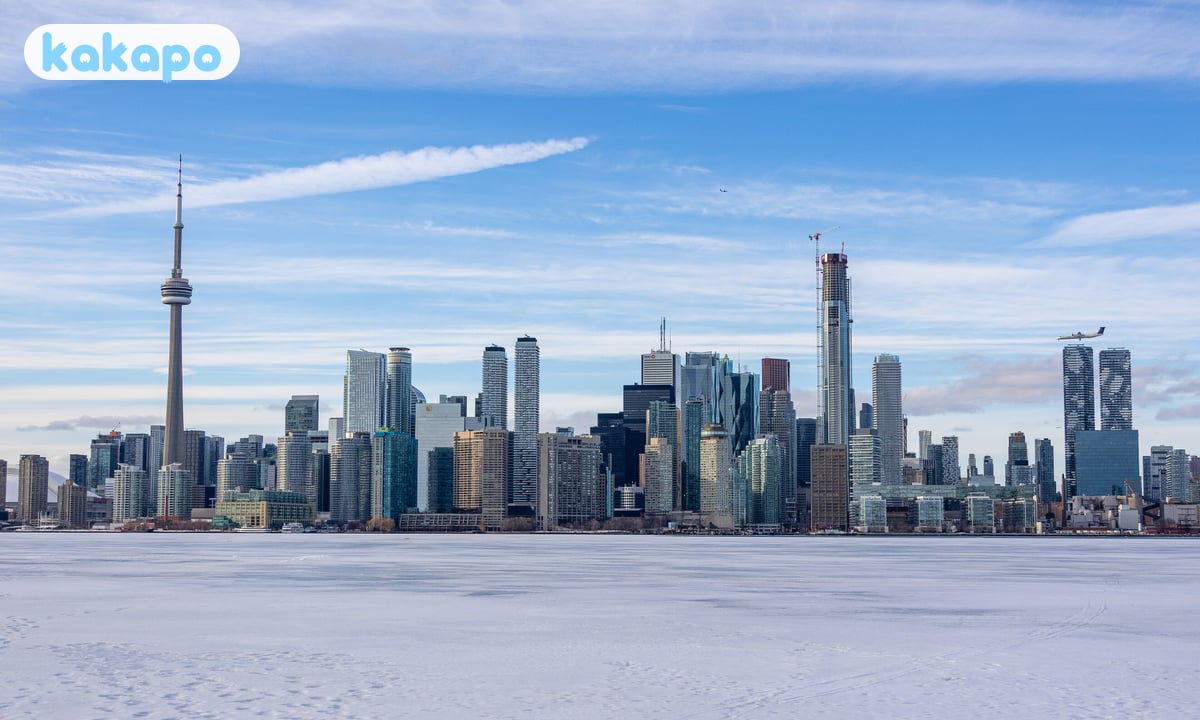
- The TTC (Toronto Transit Commission): subway + streetcar + bus. The default Toronto transport.
- 2022-2024 incidents: a series of high-profile random attacks (mostly on platforms, late evening, by individuals with mental-health crises). Toronto Police and TTC responded with a sustained "transit safety" deployment from 2023.
- Current situation (2026): incidents have decreased; visible police and outreach-worker presence. The TTC remains genuinely safe by international comparison — incident rates per ride are lower than NYC, Chicago, or Paris metros.
- Practical advice: stand back from the platform edge (this is standard subway-safety advice everywhere). Avoid empty carriages late at night — pick the one with the most people.
- Late-night routes: Blue Night network runs all night. Generally safe; busier near Yonge/Bloor than at distant terminus stations.
- Use Presto card or open-payment: tap your bank card directly at any reader.
Areas — Downtown, Old Town, Yorkville, the West End, the East End
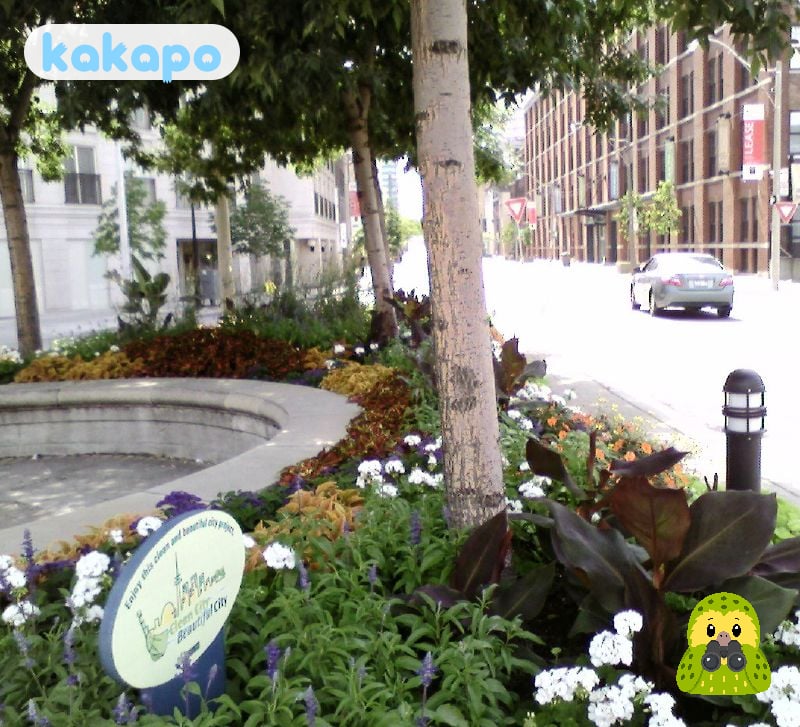
Recommended for visitors: Downtown core (Bay/King/Queen — financial district + Eaton Centre), Old Town / Distillery District (cobbled brick, restaurants, the Christmas market), Yorkville (upscale boutiques), Kensington Market + Chinatown (markets, food, character), West Queen West / Ossington (gentrified bar/restaurant strip), Greektown on the Danforth, Leslieville.
Stay aware: Moss Park / Sherbourne corridor (homelessness and addiction crisis area; not violent towards tourists, just uncomfortable). Jane and Finch / Rexdale areas (suburban; news headlines often, no tourist relevance — you wouldn't end up there). Around Dundas Square at night — busy but rough at 2am.
Toronto has no specific "no-go" zones in the visitor core.
Winter — cold, ice, the PATH
- December-February: -5 to -15°C standard, with windchill -20 to -25°C in cold snaps.
- Sidewalks + ice: salted but icy patches inevitable. Boots with grip.
- The PATH: 30 km of underground walkways connecting downtown buildings. Heated, dry, allows downtown errands without going outside. Use it.
- Frostbite: possible at -20°C with wind on exposed skin in 15-30 minutes. Cover ears and cheeks.
- Best summer weather: June-September. 22-32°C. Humidex makes it feel hotter.
- 2023-24 wildfire smoke: Canadian wildfires drift smoke into Toronto on bad days. AQI alerts via Environment Canada — heed for severe.
Auto theft — context for tourists
- The headlines: Toronto and the GTA have one of North America's worst auto-theft rates, particularly for SUVs (Toyota Highlanders, Range Rovers, Lexus).
- Tourist relevance: minimal if you're not driving a high-value SUV. Rental cars are rarely targeted because they're not high-value resale.
- If you're driving a rental: park in covered or attended lots. Don't leave anything visible in the car.
- Auto-theft does not involve tourist confrontation: it's overnight thefts from driveways, not carjackings. You won't encounter it as a visitor.
Transport, taxis, the airport
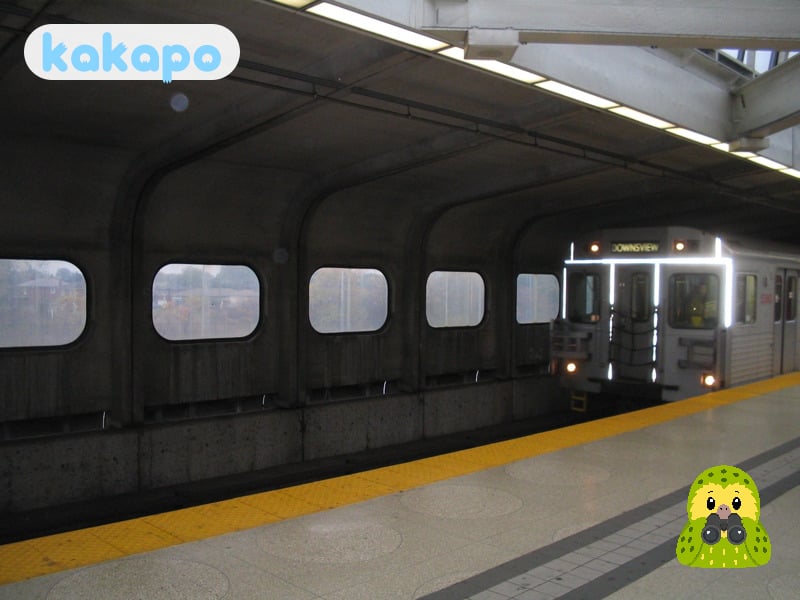
- TTC: subway 1 + 2 + 4 lines, streetcars across downtown, buses everywhere. CAD $3.35 single, day pass $13.50.
- GO Transit: regional rail to suburbs, Niagara Falls, Hamilton.
- Taxis: Beck Taxi is the main fleet; metered, honest.
- Uber and Lyft: both work city-wide.
- Pearson International Airport (YYZ): 22 km west. UP Express train CAD $12.35 to Union Station, 25 min — easiest. Taxi/Uber CAD $50-70.
- Billy Bishop Airport (YTZ): on Toronto Island, downtown. Short-haul flights only. 5 min ferry.
- Niagara Falls: 1.5h drive or 2h GO train + bus.
Money, food, the cost story
- Currency: Canadian dollar (CAD).
- Cards: universal. Tap-to-pay everywhere.
- Tipping: 18-20% in restaurants is standard. 15% in taxis.
- Tax: Ontario HST 13%. Added at register; not in displayed prices.
- Tap water: excellent.
- Cost: similar to NYC for restaurants and hotels; somewhat cheaper than London.
Neighbourhood-by-neighbourhood breakdown
- Downtown / Financial District — the towers, Union Station, CN Tower, the Path underground network. Very safe, busy by day, quieter on weekends.
- Entertainment District — west of the Financial District, theatres, sports venues (Scotiabank Arena, Rogers Centre), restaurants. Very safe, lively at night.
- Distillery District — east of downtown, Victorian industrial buildings turned restaurants, cafés, art galleries. Pedestrian-only, very safe, photogenic.
- King West / Queen West — west of downtown, gentrified bars and restaurants, the trendy bar strips. Very safe.
- Kensington Market — west of downtown, the colourful multicultural market and bohemian shopping district. Very safe day, lively at night.
- Chinatown (Spadina) — adjacent to Kensington, the dim sum and Chinese food district. Very safe.
- Yorkville — north-central, upmarket shopping, hotels, Royal Ontario Museum, Toronto Reference Library. Very safe, polished, expensive.
- The Annex — north of downtown around U of T, university district, the Annex bar strip, Bloor Street West. Very safe, lively.
- Leslieville / Riverside — east of downtown, gentrified, the brunch strip. Very safe.
- Little Italy / Little Portugal — west, the College Street strip, Trinity Bellwoods Park. Very safe, restaurant-rich.
- Greektown (Danforth) — east, the Greek-restaurant strip. Very safe.
- Around Union Station and TTC subway stations — generally safe; the 2022-2024 random-violence uptick concentrated at certain hubs (Spadina, Dundas, Bathurst). Awareness rather than avoidance.
- Outer Etobicoke / Scarborough / North York — residential, suburb, fine but not where tourists base.
If it's your first time visiting
- Best arrival airport: Toronto Pearson (YYZ), 22 km north-west. To downtown: UP Express train CAD 12.35 in 25 min to Union Station (the standard option), Uber/Lyft CAD 50-80 in 30-60 min depending on traffic, taxi CAD 75-100 flat-rate. Billy Bishop (YTZ) for select short-haul to downtown directly.
- Public transport: TTC subway (3 lines), streetcars, buses, GO Transit regional rail. Tap-to-pay or Presto card on every reader. CAD 3.30 single (2 hours with transfers), CAD 13.50 day pass.
- Best neighbourhood for your first night: Downtown for centrality, Entertainment District for theatres/sports access, Yorkville for upmarket polish, Queen West for the hip vibe. Avoid first-time bookings in outer Scarborough or Etobicoke (long commute).
- Day 1, jet-lag friendly: drop bags, lunch in Kensington Market or Chinatown (CAD 15-25 per person), afternoon CN Tower (pre-book CAD 47 timed entry), early dinner at a King West or Queen West restaurant (CAD 35-65 per person), evening drink at Distillery District.
- Day 2 essentials: Royal Ontario Museum (CAD 26), AGO art gallery (CAD 25), Toronto Islands by ferry (CAD 8.50 round-trip from Jack Layton Ferry Terminal), Distillery District revisit at golden hour.
- Day trips: Niagara Falls (1.5h south by GO Transit or organised tour), Niagara-on-the-Lake wine country (2h south), Algonquin Park (3h north for autumn colour), Stratford for theatre (2h west).
- Common rookie mistakes: walking around outdoors in January-February without proper layered cold-weather gear (-25°C with wind chill is real); leaving anything visible in a rental car (auto-theft epidemic is real); buying CN Tower walk-up tickets at peak season (queues hit 2+ hours, pre-book); skipping the Toronto Islands (one of the city's underrated experiences); attempting to drive into downtown rather than parking and using TTC.
- Tap water is excellent — drinkable everywhere. Toronto water comes from Lake Ontario through extensive treatment.
Practical info — emergency numbers
- Emergency: 911.
- Toronto Police non-emergency: 416-808-2222.
- Toronto General Hospital ER: 416-340-3946.
- Travel Health Insurance: not optional for visitors — Canadian healthcare doesn't cover non-residents and an ER visit is CAD $1,000+.
Bring: layered clothing for winter (Toronto winters are real), boots with grip, a contactless card (Toronto is essentially cashless), an unlocked phone (Bell, Rogers, Telus prepaid SIMs or eSIM), and travel insurance with full medical coverage.
Frequently asked questions
Is Toronto safe to visit in 2026?
Yes — Toronto is one of the safer large cities in North America. Both the US State Department and the UK FCDO list Canada at Level 1. Crime against tourists is uncommon, and the city core (CN Tower, Distillery District, Yorkville, Kensington Market, the Eaton Centre) is well-policed. The realistic concerns are a 2022-2024 uptick in random TTC incidents that has since stabilised with increased police and outreach presence, the genuine winter cold from December to February, and pickpocketing in crowded tourist hubs. The auto-theft epidemic that fills local headlines mostly affects residents whose SUVs are taken from suburban driveways at night — it has very little tourist exposure.
Is Toronto safe at night?
Yes — downtown, King Street West, the Distillery, Yorkville and the harbour are calm and busy until late. The TTC Blue Night network runs all night and is genuinely safe by international comparison; pick a carriage with people in it. The exceptions are the Moss Park / Sherbourne corridor (visible homelessness and addiction; confronting rather than violent) and Dundas Square after about 2am when the bars empty out. Walk around Moss Park rather than through it, use Uber or Beck Taxi for late returns, and stand back from subway platform edges as standard subway-safety advice anywhere.
Is Toronto safe for solo female travellers?
Yes — Toronto consistently ranks among the safer big cities globally for solo female travel. Street harassment is uncommon, the TTC has clearly marked Designated Waiting Areas on platforms (well-lit, with intercoms and camera coverage), and Uber and Lyft both operate citywide. Standard precautions apply on Dundas Square late at night and around Moss Park. The winter cold is the more practical concern — frostbite is possible on exposed skin within 15-30 minutes at -20°C with windchill.
Can you drink tap water in Toronto?
Yes — Toronto tap water is treated by Toronto Water and tested continuously to Ontario Drinking Water Quality Standards. It is safe everywhere in the city and is genuinely excellent. Restaurants offer it free with meals; a refillable bottle works fine. The same applies in Mississauga, Brampton and across the GTA.
What's the biggest scam to avoid in Toronto?
Toronto has very little organised scam culture, but the recurring practical traps are airport-area unmarked private-hire offers at Pearson arrivals (use the UP Express train to Union Station for CAD $12.35, the licensed taxi rank, or a metered Uber instead), CN Tower and Eaton Centre pickpockets working dense queues (front pockets only, bag zipped), and hidden 13% HST plus the expected 18-20% tip not shown in menu prices — a CAD $30 dish becomes about CAD $40 on the bill, which surprises many visitors.
How safe is the TTC subway in 2026?
Safer than the headlines from 2022-2024 suggest, and lower per-ride incident rates than the NYC, Chicago or Paris metros. The 2022-2024 period did see several high-profile random attacks, mostly on platforms in the evening and involving individuals in mental-health crisis. Toronto Police and the TTC responded with a sustained transit-safety deployment from 2023, and incident rates have since fallen. Use Presto card or contactless tap to pay, stand back from platform edges, pick busier carriages late at night, and the Designated Waiting Areas on platforms if travelling solo. The Blue Night bus network covers the city after subway hours.
Recent travel news for Toronto
All travel news →Sources
Run a business in Toronto?
Show visitors your Toronto business is a safe choice. The free Verified by Kakapo badge puts Toronto's live safety score on your website, links back to your verified page, and updates itself. No cost.
Get the free badge →