

Is New Zealand Safe in 2026? A Country Safety Guide
Alpine hiking + Tongariro Crossing safety, Christchurch earthquake history, volcanic activity at Whakaari/White Island, surf currents, and the realistic visitor risks of one of the world's safest countries.
New Zealand is among the world's safest countries — consistently top-5 on the Global Peace Index. Crime against tourists is rare. The realistic concerns are environmental — alpine + outdoor-adventure injury (NZ markets itself as adventure-tourism capital), earthquake + volcanic activity (the country sits on the Pacific Ring of Fire), Atlantic + Tasman Sea surf currents, the sheer remoteness of some hiking routes.
US State Department Level 1. UK FCDO no overall advisory against travel.
| Solo female safety | 90/100 |
|---|---|
| Night safety | 85/100 |
| Scam / petty-crime risk | Low |
| Violent crime (tourists) | Low |
| Safer neighbourhoods | Auckland, Queenstown, Christchurch |
| Data sources cited | 4 |
| Last verified |
Outdoor-adventure injury — the recurring patterns
- Tongariro Alpine Crossing: NZ's most-popular day-hike. Weather changes fast above 1,800m; tourists routinely caught underdressed. Check DOC + MetService before starting.
- Milford Sound + Fiordland: avalanche-prone in winter; flash floods can affect Routeburn + Kepler + Milford Tracks.
- Bungy + skydive + jet-boat: Queenstown adventure-tourism activities. Operators heavily regulated; incidents rare but injury risk is real.
- Glacier hiking (Franz Josef, Fox): only with guided heli-hike tours due to crevasse risk + climate-change-driven retreat.
- Surf currents on West Coast beaches: Piha + Karekare + Bethells beaches have killed tourists in rip currents. Swim only between flags at patrolled beaches.
Earthquakes + volcanic activity
- Christchurch (Canterbury): 2010-2011 earthquake sequence killed 185 people; city has been substantially rebuilt. Aftershocks still occur; modern buildings are highly quake-resistant.
- Kaikoura 2016 earthquake: M7.8, disrupted SH1 + the coast for months.
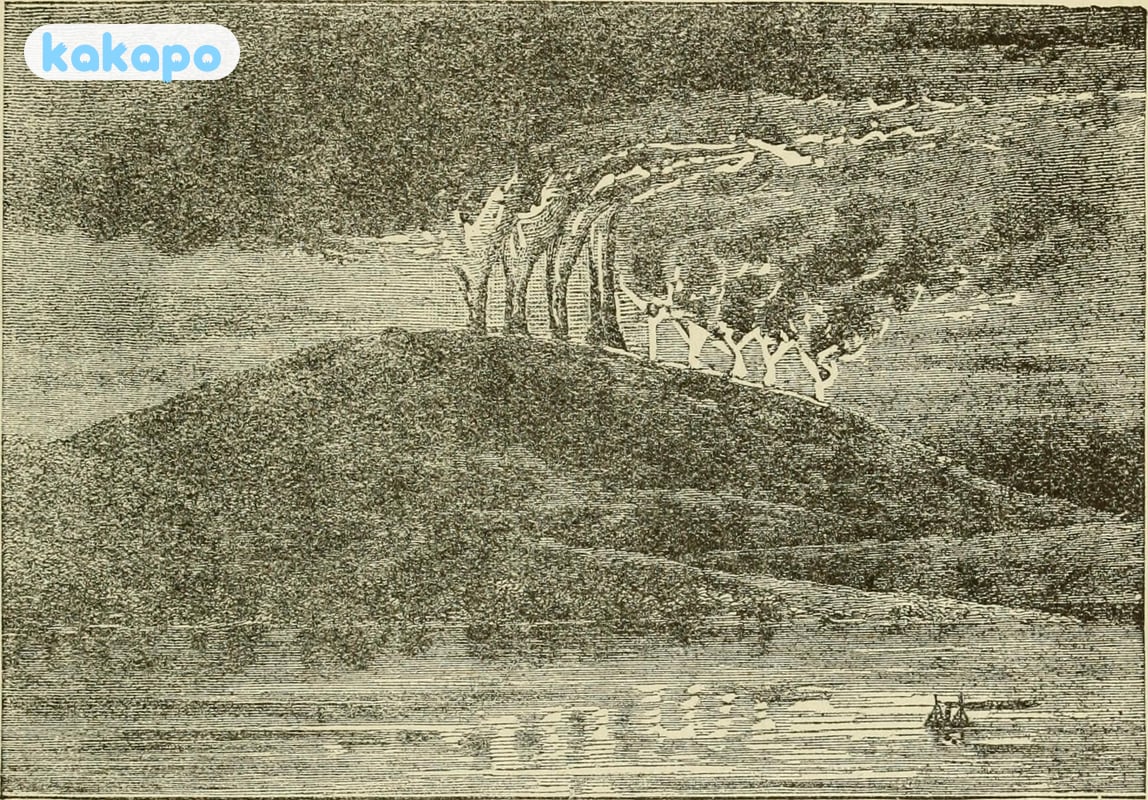
- Whakaari (White Island) 2019 eruption: killed 22 visitors on a guided tour. The island is currently closed to visitors; status changes — check GeoNet.
- Mount Ruapehu + Tongariro + Ngauruhoe: active volcanoes; periodic eruptions can disrupt Tongariro Crossing.
- Practical impact: most tourists won't feel anything during a 2-week visit. Building infrastructure is among the world's most quake-resistant.
Scams + low-grade risks
- Crime against tourists rare: NZ ranks consistently in the world's top-5 safest countries.
- Vehicle break-ins: documented at trailheads + scenic-stop car parks. Leave nothing visible; lock everything.
- Driving challenges: drive-on-the-left; narrow rural roads + one-lane bridges; sheep on the road in rural areas. Don't drive when jet-lagged.
- Bookings scams rare: NZ tourism is heavily regulated; iSITE official visitor centres are reputable.
Featured cities in New Zealand
Auckland
87Largest city. Tourist core safe; Karangahape Road + outer-south zones have some standard urban awareness.
Read the Auckland safety guide →
Wellington
90Capital. Among NZ's safer + most-walkable cities; Te Papa + craft-beer scene + film-tourism (Weta Workshop).
Read the Wellington safety guide →
Queenstown
90Adventure-tourism capital. Very safe day-to-day; outdoor-adventure injury the real risk.
Read the Queenstown safety guide →
Christchurch
91South Island gateway. Rebuilt post-2011 earthquake; calm + safe; gateway to TranzAlpine + the Alps.
Read the Christchurch safety guide →
Frequently asked questions
Is New Zealand safe to visit in 2026?
Yes — among the world's safest countries (top-5 Global Peace Index). US State Department Level 1; UK FCDO no overall advisory. Real concerns: alpine + outdoor-adventure injury (Tongariro Crossing, Milford Sound, glaciers), earthquake + volcanic activity (Christchurch history, Whakaari closed since 2019, active Tongariro/Ruapehu), surf currents on West Coast.
Are the bungy + skydive + adventure-tourism activities safe?
Yes with reputable operators. Queenstown adventure-tourism is heavily regulated; major operators (AJ Hackett Bungy, NZONE Skydive, Shotover Jet) have excellent safety records. Adventure activities carry inherent risk; reading the safety brief + following operator instructions is essential.
Is the Tongariro Alpine Crossing dangerous?
It can be — weather changes fast above 1,800m and tourists routinely get caught underdressed. The crossing is 19.4km + 6-8 hours; check DOC + MetService forecast morning of the hike. Don't attempt in marginal weather; full waterproof + warm layers + 2L water + food are essential.
Is New Zealand safe for solo female travellers?
Yes — among the world's safest for solo female travel. Standard urban precautions in late-night Auckland + Queenstown nightlife strips. Hitch-hiking has documented historical risks (Grace Millane case 2018); don't hitch-hike solo.
Can you drink tap water in New Zealand?
Yes — NZ tap water is safe + among the world's cleanest. Restaurants serve free. Some rural well-water on long drives may have occasional boil-notices; cities + towns universally safe.
When is the best time to visit New Zealand?
Their summer December-February for warmth + Great Walks. Their winter June-August for skiing (Queenstown, Wanaka, Mt Hutt, Ruapehu). March-April + October-November are shoulder seasons with fewer crowds + good weather.
How safe is driving in New Zealand?
Workable with caution. Drive-on-the-left; narrow rural roads + one-lane bridges; sheep on the road in rural areas. Tourists routinely underestimate drive times (NZ roads are slower than they look on a map). Don't drive when jet-lagged. Rental-car insurance + 4WD for some South Island routes recommended.
Is the Christchurch earthquake risk still a concern?
Lower than peak. The 2010-2011 sequence + 2016 Kaikoura were significant events. Christchurch has been substantially rebuilt with world-leading quake-resistant infrastructure. Aftershocks still occur; modern buildings are highly resistant. Most visitors won't notice anything during a typical visit.