

Is Australia Safe in 2026? A Country Safety Guide
Bushfire season, marine life, sun exposure, and the realistic visitor risks of one of the world's safest + most weather-extreme countries.
Australia is among the world's safest countries — top-15 on the Global Peace Index. Crime against tourists is rare. The realistic concerns are environmental: bushfire season (December-March), marine life (box jellyfish + saltwater crocodiles in northern Australia, occasional shark encounters), sun exposure (the world's highest UV index), and the sheer distance between cities.
US State Department lists Australia at Level 1 (lowest tier). UK FCDO has no overall advisory against travel.
| Solo female safety | 90/100 |
|---|---|
| Night safety | 70/100 |
| Scam / petty-crime risk | Low |
| Violent crime (tourists) | Low |
| Most common scams | pickpocketing in Sydney and Melbourne tourist strips; drunken-tourist density in King's Cross and St Kilda after midnight; card-terminal DCC in AUD |
| Safer neighbourhoods | Sydney CBD, Melbourne CBD, Cairns |
| Data sources cited | 4 |
| Last verified |
Bushfire season — December to March
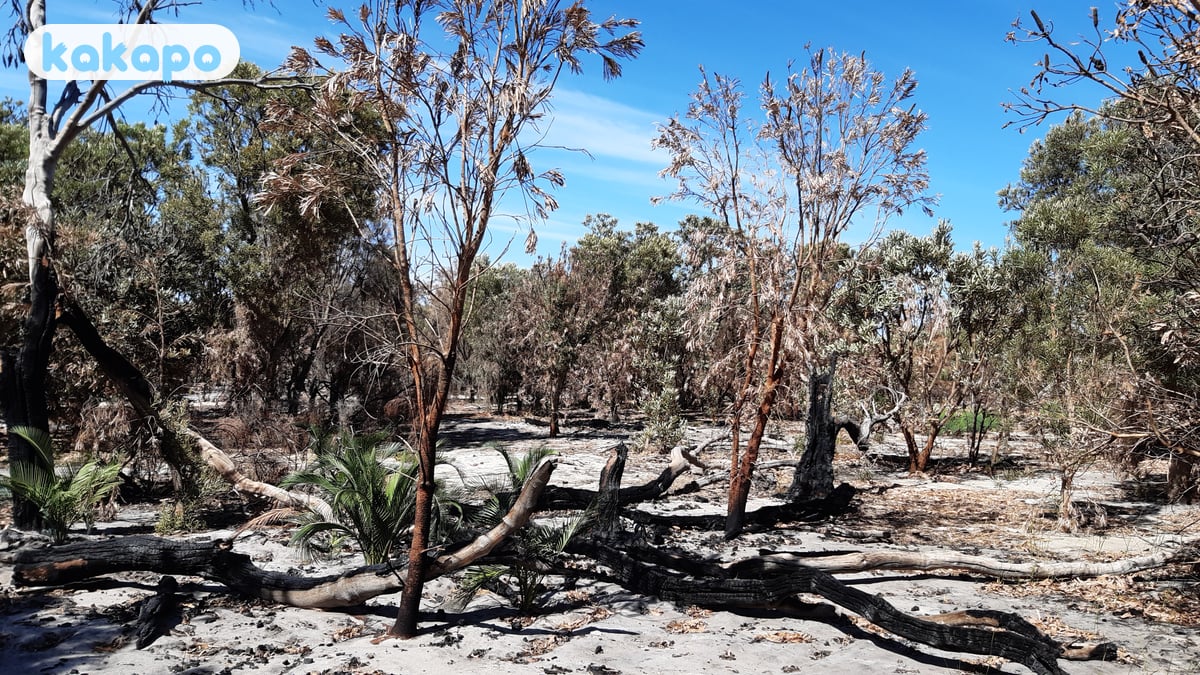
- Worst seasons: 2019-2020 'Black Summer' was historic; 2024-2025 also severe. Affects NSW + Victoria + South Australia + WA most.
- Practical impact: smoke can blanket Sydney + Melbourne for weeks. AQI 200+ days. Outdoor activities limited.
- Check before driving rural: 'Fires Near Me' apps (NSW, Vic). Some roads close + entire towns evacuate.
- What to do during a bushfire warning: follow CFA / RFS instructions; evacuate when told. Don't 'wait and see'.
Marine life + beach safety
- Box jellyfish + Irukandji: northern Australia (above Tropic of Capricorn) — Cairns, Darwin, Broome. Stinger season November-May. Swim in stinger-net enclosures + wear stinger suits at unprotected beaches.
- Saltwater crocodiles: northern Australia rivers + estuaries. Don't swim outside designated zones; don't camp on river banks.
- Sharks: rare attacks (1-2 fatalities Australia-wide/year on average). Swim between flags at patrolled beaches.
- Rip currents: leading cause of beach fatalities. Swim between red + yellow flags only. If caught: swim parallel to shore, not against the current.
- Sun exposure: Australia has the world's highest skin-cancer rates. SPF 50+, hat, long sleeves between 10am-4pm in summer.
Scams + low-grade risks
- Sydney + Melbourne tourist-strip pickpocketing: rare. CBD areas at Saturday-night drinking strips have standard awareness.
- King's Cross + St Kilda after midnight: drunken-tourist density + occasional assault. Use Uber/DiDi for late-night.
- Outback driving: real risk. Long unfilled-petrol-station stretches; satellite phone advisable for remote drives. Don't drive at dawn/dusk (kangaroo strikes).
- Card-terminal DCC: pay in AUD.
Featured cities in Australia
Sydney
86Largest city. Tourist core (CBD, Bondi, Manly, Darling Harbour) heavily-policed + safe. King's Cross requires awareness after midnight.
Read the Sydney safety guide →
Melbourne
79Cultural capital. Among Australia's safest larger cities. Tram + train safe; St Kilda + CBD calm.
Read the Melbourne safety guide →
Brisbane
85Queensland capital. Calm + safe; subtropical climate. Gateway to the Gold Coast + Great Barrier Reef.
Read the Brisbane safety guide →
Perth
83Western Australian capital. Among Australia's safest cities; isolated + relaxed.
Read the Perth safety guide →
Adelaide
84South Australian capital. Calm + safe; wine country base (Barossa, McLaren Vale).
Read the Adelaide safety guide →
Cairns
88Tropical north Queensland. Gateway to the Great Barrier Reef + Daintree. Stinger season Nov-May.
Read the Cairns safety guide →
Frequently asked questions
Is Australia safe to visit in 2026?
Yes — among the world's safest countries (top-15 on the Global Peace Index). Crime against tourists is rare. Real concerns are environmental: bushfires (Dec-March), marine life (jellyfish + sharks + crocs in northern Australia), sun exposure (highest UV index globally), rip currents.
Are bushfires a real concern?
Yes seasonally (December-March). 2019-2020 'Black Summer' was historic. Smoke can blanket Sydney + Melbourne for weeks. Check 'Fires Near Me' app + CFA/RFS alerts before rural travel. Some roads close + entire towns evacuate during severe events.
Do I need to worry about sharks or crocodiles?
Yes specifically. Sharks: rare attacks (1-2 fatalities/year nationally). Swim between flags. Saltwater crocodiles: northern Australia rivers + estuaries — don't swim outside designated zones, don't camp on river banks. Box jellyfish + Irukandji: northern beaches Nov-May, swim in stinger-net enclosures + wear stinger suits.
Is Australia safe for solo female travellers?
Yes — among the world's safest. Solo travel infrastructure is excellent (backpacker hostels + work-and-travel visa scene). Standard urban precautions; King's Cross (Sydney) + St Kilda (Melbourne) need awareness after midnight.
Can you drink tap water in Australia?
Yes — Australian tap water is safe across all major cities + most towns. Drinkable everywhere; many cafés provide tap free.
Is the Outback safe to drive?
Yes with planning. Long unfilled-petrol stretches; carry water + spare fuel; satellite phone advisable for genuinely remote drives. Don't drive at dawn/dusk (kangaroo strikes are the leading cause of tourist driving accidents).
When is the best time to visit Australia?
Depends on region. Sydney + Melbourne: October-April. Cairns + tropical north: May-October (dry season). Outback (Uluru): May-September. Tasmania: November-March. Summer in Sydney + Melbourne can hit 40°C heat + bushfire smoke; winter is mild + clear.
Is Sydney or Melbourne safer?
Tied — both among Australia's safest larger cities. Sydney has the King's Cross late-night awareness zone; Melbourne has the St Kilda equivalent. Tourist cores in both are calm + walkable at all hours.