


Is Auckland, New Zealand Safe? A 2026 Travel Safety Guide
Piha's deadly West Coast surf, the 53-volcano field beneath the city, summer UV, and the realistic risks of NZ's biggest city.

Auckland is one of the safer mega-cities in Oceania for crime, with the realistic visitor risks concentrated in the wild West Coast beaches (Piha, Karekare, Muriwai — black-sand surf-pounded beaches that drown multiple swimmers every year), the extreme summer UV (highest in the world for an inhabited area), and the fact that Auckland sits on a 53-volcano field that is technically still active.
Both the UK FCDO and the US State Department list New Zealand at their lowest advisory levels. Crime against tourists is uncommon. Auckland Police presence is visible at the central tourist anchors.
The honest framing for first-time visitors: Auckland is calm, orderly, expensive, and so spread out that you'll spend more time in transit than expected. The volcanic field is dormant in any practical sense — not a trip-planning factor. The West Coast surf is the single thing where over-confidence is genuinely dangerous.
Auckland is New Zealand's biggest city — population ~1.7 million in the metro area, about a third of the country's total. The city sprawls across two harbours (Waitematā to the east, Manukau to the west) and a sea of volcanic cones. The international airport (AKL) is in the south, 45 minutes by car from the CBD on a clear run, longer in peak traffic. Most visitors base in the central isthmus — Britomart, Viaduct, Ponsonby, Parnell, Mount Eden — and day-trip to Devonport (12 min ferry), Waiheke Island (40 min ferry for wineries), the West Coast beaches (45-60 min drive), and the Coromandel Peninsula (2-3h drive for Cathedral Cove and Hot Water Beach).
The 2026 details worth knowing in advance: the City Rail Link is partially operational with completion expected late 2026, finally giving the CBD a proper underground subway. AT HOP card (cost ~NZD $5) covers buses, trains, ferries and is essentially mandatory — top up at AT stations, 7-Eleven, or via the app. Most visitors underestimate Auckland's spread — the metro is the size of London by area with a tenth of the population, so even short hops take 20-30 minutes. Summer (December-February) is high season with hotel prices peaking; shoulder months (March-April, October-November) are the sweet spot.
| Night safety | 84/100 |
|---|---|
| Scam / petty-crime risk | Low |
| Violent crime (tourists) | Low |
| Safer neighbourhoods | Britomart, Viaduct Harbour, Ponsonby |
| Data sources cited | 4 |
| Last verified |
What the score means — 91/100
- Healthcare (90) — Auckland has world-class public hospitals (Auckland City, North Shore, Middlemore). ACC (Accident Compensation) covers some treatment for visitors injured in NZ.
- Personal safety (88) — high. Crime against tourists is genuinely rare.
- Night (84) — Britomart, Viaduct Harbour, Ponsonby alive late and policed.
- Transport (82) — buses, trains, ferries; AT HOP card; the City Rail Link has expanded the inner city. Auckland is car-dependent for outer suburbs.
West Coast beaches — Piha, Karekare, Muriwai
Auckland's West Coast beaches (the famous black-sand surf coast 45-60 min from the city) are visually spectacular and statistically the most dangerous beaches in New Zealand. Piha alone has had 5+ swimmer fatalities per decade.
- Always swim between the flags at lifeguarded beaches. Lifeguards staff Piha, Muriwai, Bethells/Te Henga in season (Labour Weekend - Easter).
- Rip currents at Piha and Karekare are powerful enough to take adult swimmers offshore in 30 seconds.
- If caught in a rip: don't swim against it. Float, raise an arm to signal lifeguards, or swim parallel to shore.
- Don't swim at unlifeguarded beaches. Karekare is breathtaking and effectively unguarded most of the year.
- The lifeguard "thumbs up": if a lifeguard signals you, follow their instructions instantly.
- East Coast / Hauraki Gulf beaches (Mission Bay, Takapuna, Devonport) — much calmer, safer for casual swimming.
Volcanoes — the technical context
- Auckland sits on a volcanic field of 53 volcanoes (One Tree Hill, Mt Eden, Rangitoto, etc.). Auckland Volcanic Field is technically active; the most recent eruption was Rangitoto, 600 years ago.
- Practical risk to visitors: essentially zero. GeoNet monitors continuously; any new eruption would have weeks-to-months of seismic precursors.
- The volcanic cones (One Tree Hill, Mt Eden, Mt Victoria) are now public parks with great views. Walk up — they're safe.
- Earthquake risk for Auckland specifically: low. The North Island's seismic activity concentrates around Wellington and the Bay of Plenty. Auckland gets perceptible quakes occasionally.
- Tsunami risk: West Coast more than East. Listen for sirens; head inland to high ground.
Areas — where to stay, where to be aware
Recommended for visitors: Britomart / Viaduct Harbour (CBD, harbour, restaurants), Wynyard Quarter (modern), Ponsonby (gastronomic, eclectic), Parnell (Victorian), Devonport (ferry trip), Mission Bay / St Heliers (eastern beaches), Mount Eden (residential, near the volcano).
Lively, late-night aware: K Road / Karangahape Road — the historic edgy strip, gentrified but still has a few low-key seedy bars. Mostly safe.
Stay aware: parts of Manurewa / Ōtara / Manukau in South Auckland — residential, no tourist relevance, higher reported crime.
Avoid solo at night: Auckland Domain, Cornwall Park (the big parks closed off after dark).
UV — the highest in the inhabited world
- New Zealand has the highest UV index of any inhabited country — partly the ozone-hole legacy, partly the clean air, partly the angle.
- Summer UV index: 12-13 ("extreme") routinely. Sunburn in 10-15 minutes for unprotected fair skin.
- SPF 50+ sunscreen mandatory. Hat, sunglasses, long sleeves on the beach.
- NZ's "slip, slop, slap" public-health campaign is for a reason — melanoma rates are among the highest in the world.
AT HOP, ferries, and Auckland Airport
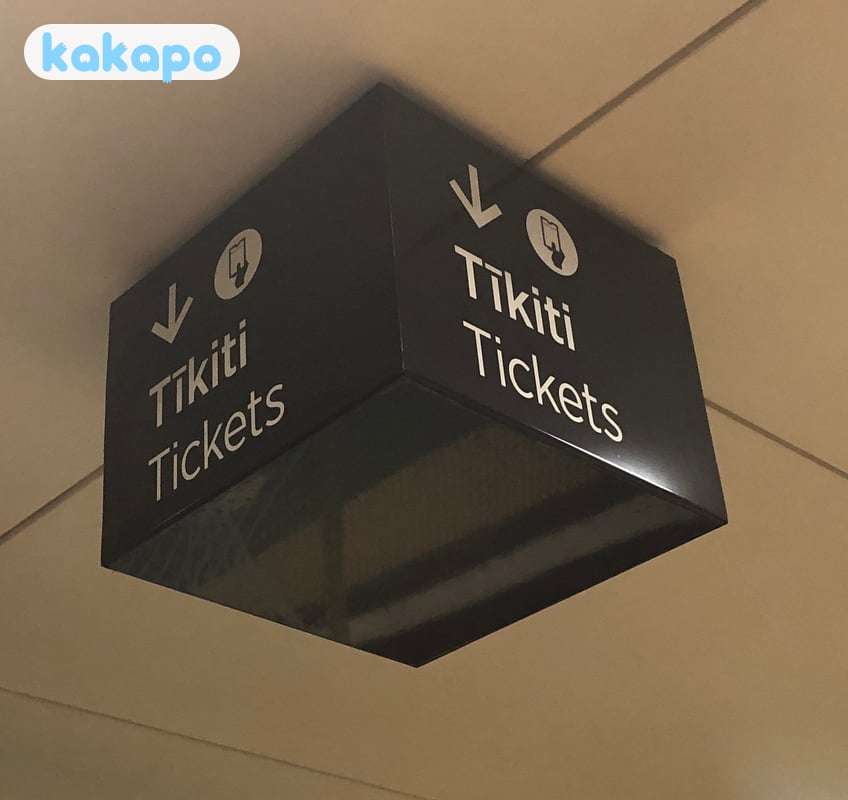
- AT HOP card: covers buses, trains, ferries. Top up at stations / 7-Eleven.
- Ferries: the way to Devonport (12 min), Waiheke Island (40 min — wineries, beaches, day trip favourite).
- City Rail Link: under construction, partially open. Will be the city's modern subway.
- Trains: Britomart hub. Useful for the eastern and southern lines.
- Buses: extensive but slow.
- Uber and Ola: both work.
- Auckland Airport (AKL) to CBD: SkyBus AUD $20, ~50 min. Uber/taxi $80-100. (No direct rail yet — coming as part of City Rail Link expansion.)
- Driving: NZ drives on the left. Right-hand-side-of-road visitors should plan jet-lag carefully.
Neighbourhood-by-neighbourhood breakdown
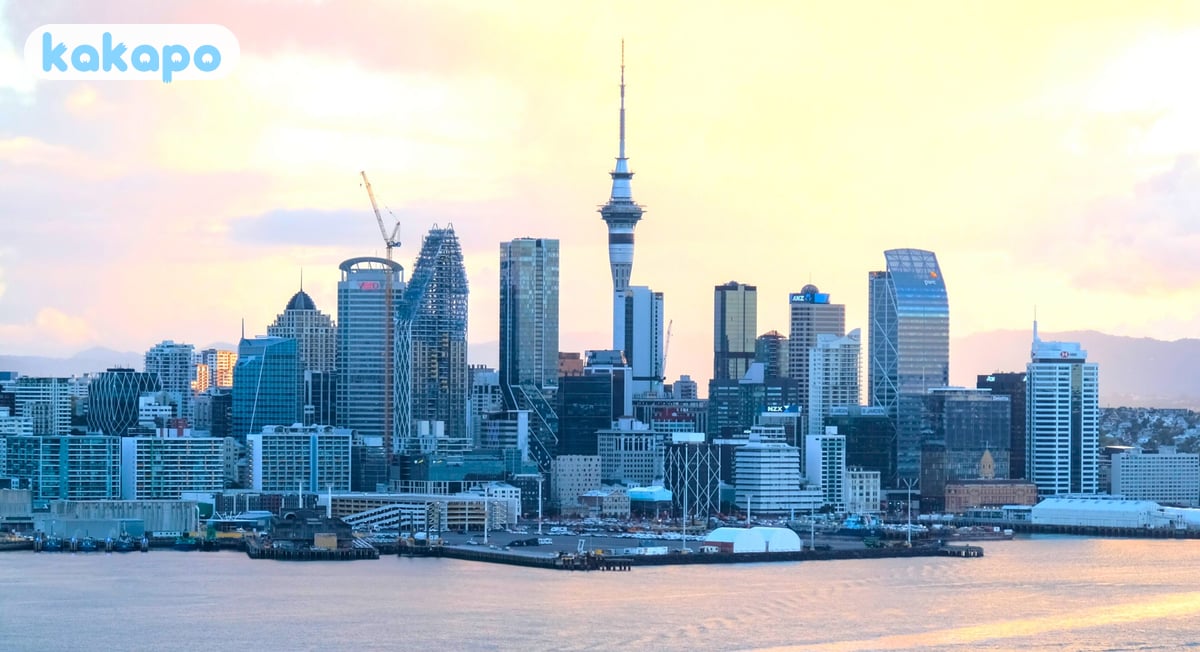
- CBD + Britomart + Viaduct Harbour — the financial-district downtown, the Sky Tower (NZD $35 entry, the 328 m landmark with SkyJump and SkyWalk if you're brave), the Britomart precinct of restaurants and bars, and the Viaduct Harbour marina district. Hotels here put you walking-distance from ferries and the Wynyard Quarter waterfront.
- Ponsonby — gentrified inner-west neighbourhood famous for its restaurant and bar density along Ponsonby Road. Boutique shopping, K Road adjacency, the Ponsonby Central food court. 20 minutes' walk from the CBD or a quick bus ride.
- Newmarket + Parnell — Parnell is the Victorian heritage strip with its rose garden and Anglican cathedral; Newmarket is the upscale shopping precinct around Broadway. Both 10-15 minutes by bus or train from Britomart.
- Mount Eden (Maungawhau) — the volcanic cone neighbourhood. The cone itself (196 m) is a 20-minute walk to the summit for a 360° view; the surrounding village has cafés and an art-deco main street. Volcanic and entirely safe to walk up.
- Devonport (North Shore) — the 12-minute ferry hop from Britomart to a quaint colonial village with Mount Victoria, North Head historic fort, and harbour cafés. AT HOP card covers the ferry. A half-day trip; mainland-vibe but island-feel.
- North Shore (Takapuna, Milford) — across the Harbour Bridge. Takapuna Beach is a long calm sand-and-volcanic-rock beach with a thriving café strip. Family-leaning, suburban, safe.
- Karangahape Road (K Road) — the historic edgy strip uphill from the CBD. Gentrified bars, vintage shops, art galleries, the K Road Underground music venue. A few low-key seedy bars remain. Best walked in company after 1am.
- AT bus + train + ferry network — AT (Auckland Transport) HOP card covers buses, trains, and ferries. Bus is the main mode; trains run on three lines (Western, Southern, Eastern) into Britomart. Ferries to Devonport (12 min) and Waiheke (40 min) are tourist-essentials.
- Sky Tower + Auckland's defining skyline — at 328 m the Sky Tower is the southern hemisphere's tallest free-standing structure and the unmistakable Auckland landmark. SkyDeck observation NZD $35; revolving restaurant NZD $$$.
- AKL airport — 21 km south of the CBD. SkyBus NZD $20 (one-way) to the CBD in 45-60 min depending on traffic; Uber NZD $80-100; taxi similar. No direct rail yet (planned with City Rail Link expansion).
- Coromandel day trip — 2-3h drive east. Cathedral Cove (the iconic arch), Hot Water Beach (dig your own thermal hot tub at low tide), the Coromandel Walkway. A long day-trip; better as an overnight if you have time.
- Stay aware — South Auckland suburbs (Manurewa, Ōtara, Manukau) have higher reported crime but no tourist relevance. Auckland Domain and Cornwall Park are closed/dark after dark — avoid the big parks at night.
If it's your first time visiting
- Best arrival: Auckland International Airport (AKL) is 21 km south. SkyBus to the CBD is NZD $20 one-way / NZD $35 return, 45-60 minutes depending on traffic — the standard low-cost choice. Uber NZD $80-100 or licensed taxi from the rank are the door-to-door alternatives. No direct rail yet; coming with City Rail Link expansion.
- Buy an AT HOP card on arrival — ~NZD $5 plus stored value. Covers buses, trains, and ferries (including the Devonport ferry). Cash fares are 20-30% more expensive. Top up at AT stations, 7-Eleven, or the AT Mobile app.
- Best neighbourhood for your first night: Britomart or Viaduct Harbour for walk-to-ferry access; Ponsonby for the restaurant scene; Parnell for the heritage village feel. Hotels run NZD $200-450/night standard; the high-end (Park Hyatt Auckland on the Viaduct, Hotel Britomart) NZD $500-900.
- The driving-on-the-left adjustment: NZ drives on the left. Rental cars assume you're competent on day one. If you're from a right-side country, don't drive jet-lagged and tired in the first 24 hours — take the SkyBus, sleep, rent the car day two or three. Roundabouts are everywhere and the give-way rules are not intuitive.
- UV — the highest in the inhabited world: NZ summer UV index hits 12-13 routinely (rated "extreme"). Sunburn in 10-15 minutes for unprotected fair skin. SPF 50+ mandatory. Hat + sunglasses + long sleeves on the beach. "Slip, slop, slap" is a national health campaign for a reason — melanoma rates here are among the world's highest.
- West Coast beach safety — non-negotiable: Piha, Karekare, Muriwai are spectacular black-sand surf beaches that drown multiple swimmers each year. Always swim between the flags at lifeguarded beaches (Surf Life Saving Northern Region staffs them from Labour Weekend to Easter). Rip currents can take adult swimmers offshore in 30 seconds. East Coast beaches (Mission Bay, Takapuna, Devonport) are much calmer if you want a casual swim.
- Day-trip planning: Waiheke Island (40 min ferry, wineries and beaches, full-day); Devonport (12 min ferry, half-day); Coromandel (2-3h drive, Cathedral Cove + Hot Water Beach, full-day or overnight); the West Coast beaches (45-60 min drive, sunset).
- Currency + tipping: NZ dollar (NZD). $1 USD ≈ NZD $1.65-1.75. Cards universal; cashless is normal. Always pay in NZD on terminals (DCC adds 5-10%). Tipping is not customary in NZ — service is included. Round-up at most. NZ ACC (Accident Compensation Corporation) covers some accidental injury treatment for visitors but not illness — comprehensive travel insurance still essential.
- Food — Pacific Rim with Maori influences. Try modern NZ at Cassia (Indian-NZ, Britomart, NZD $80-120/head), Amano (Britomart, modern Italian), Sidart (Ponsonby, tasting menu). Whitebait fritters, lamb, green-lipped mussels, and Bluff oysters in season are the locals. Pies from Fergbaker (corner Pie franchise) are the cheap-and-cheerful local.
- Common rookie mistakes: swimming at unguarded West Coast beaches; driving jet-lagged on the left; underestimating UV (sunburn in 15 min in summer); booking accommodation in the wrong half of Auckland (the spread is huge); missing the Devonport ferry as a half-day plan; tipping (not the norm); trying to do Coromandel as a half-day from Auckland (it's not — 2-3h each way).
Practical info — emergency numbers
- Emergency: 111 (police, fire, ambulance).
- Healthline: 0800 611 116.
- Auckland City Hospital: +64 9 367 0000.
- North Shore Hospital: +64 9 486 8900.
- Surf Life Saving Northern Region: lifeguarded beach info on slsnr.org.nz.
Bring: SPF 50+ sunscreen, a hat, layered clothing (Auckland weather changes), an unlocked phone (Spark NZ, One NZ, Skinny prepaid SIMs), a contactless bank card, and travel insurance — ACC may cover accidents but not illness.
Frequently asked questions
Is Auckland safe to visit in 2026?
Yes — Auckland is one of the safer mega-cities in Oceania, and both the UK FCDO and US State Department list New Zealand at their lowest advisory tier with no current restrictions. Crime against tourists is rare, and police presence at the central anchors (Britomart, Viaduct Harbour, Sky Tower, Queen Street) is visible. The realistic risks are environmental rather than criminal: rip currents on the West Coast surf beaches (Piha, Karekare, Muriwai), extreme summer UV (12-13 routinely), and the standard New Zealand earthquake context, which is comparatively low for Auckland itself. Visitors who stay on the East Coast beaches, use SPF50+, and avoid driving while jet-lagged in a left-hand-traffic environment will encounter very little.
Is Auckland safe at night?
Yes — the central anchors (Britomart, Viaduct Harbour, Wynyard Quarter, Ponsonby) stay lively until late and feel calm. K Road (Karangahape Road) is the historic edgy strip; it has been gentrified but still hosts a handful of low-key seedy bars and is best walked in company after 1am. Stay out of the unlit big parks (Auckland Domain, Cornwall Park) after dark. The outer South Auckland suburbs of Manurewa, Otara and parts of Manukau have higher reported crime but no tourist relevance — you would have no reason to be there at night. Uber and Ola both operate citywide and are the easiest way home.
Is Auckland safe for solo female travellers?
Yes — Auckland consistently ranks near the top of solo-female-travel indices, alongside Tokyo and the Nordic capitals. Street harassment is uncommon, public transport is well-lit and monitored, and the AT HOP ferry network gives easy access to Devonport and Waiheke without needing taxis. Practical advice mirrors any developed city: keep belongings zipped in central bars, don't leave drinks unattended on K Road, and book a known rideshare back from late nights rather than walking alone through the Domain. The genuine risks (West Coast surf, summer UV) are non-gendered and apply to everyone.
Can you drink tap water in Auckland?
Yes — Auckland's tap water is treated to New Zealand drinking-water standards and is safe everywhere in the city and inner suburbs. Watercare, the regional utility, publishes annual compliance reports. The 2020 drought briefly forced level-3 restrictions but quality was never affected. Some visitors find the taste slightly chlorinated; a refillable bottle works fine. On the West Coast beaches and rural day-trips (Waiheke, Waitakere campsites) water from bach (holiday-home) rainwater tanks should be boiled or filtered if you are unsure of the system.
What's the biggest scam to avoid in Auckland?
There is no significant scam culture in Auckland — petty fraud is rare. The two recurring traps are airport-taxi overcharging (always use the licensed taxi rank, SkyBus, or a metered Uber rather than freelancers in the arrivals concourse) and rental-car add-on pressure at the depot (the cheap headline rate is often quoted without a meaningful excess waiver, and you'll be pushed to upgrade at pickup — read your travel insurance first and decide before arriving). Online, the only common one is fake holiday-rental listings off-platform; book Waiheke baches through reputable sites.
How dangerous are Auckland's West Coast beaches really?
Genuinely dangerous if you don't know what you are looking at. Piha alone has averaged five-plus swimmer fatalities per decade, and Karekare and Muriwai produce regular rescues every summer. The black-sand surf coast has powerful rip currents that pull adult swimmers offshore within thirty seconds, and most of the deaths involve confident swimmers who entered unguarded sections or ignored the flags. Surf Life Saving Northern Region staffs Piha, Muriwai and Bethells from Labour Weekend through Easter only. Swim between the flags, never alone, and if you want a casual swim choose the calm East Coast beaches (Mission Bay, Takapuna, Devonport) instead.
Sources
Run a business in Auckland?
Show visitors your Auckland business is a safe choice. The free Verified by Kakapo badge puts Auckland's live safety score on your website, links back to your verified page, and updates itself. No cost.
Get the free badge →