

Is Iceland Safe in 2026? A Country Safety Guide
Weather, glacier + waterfall accidents, volcanic activity at Reykjanes, and the realistic visitor risks of the world's safest country.
Iceland is the world's safest country by Global Peace Index — has topped the rankings every year since 2008. Crime against tourists is genuinely rare. The realistic risks are entirely environmental: weather (changes hourly), glacier + waterfall accidents (tourist fatalities recur annually), volcanic activity at Reykjanes Peninsula (active 2021, 2022, 2023, 2024), and the Atlantic surf currents.
US State Department Level 1. UK FCDO no overall advisory against travel.
| Solo female safety | 100/100 |
|---|---|
| Night safety | 100/100 |
| Scam / petty-crime risk | Low |
| Violent crime (tourists) | Low |
| Data sources cited | 4 |
| Last verified |
Weather — changes by the hour
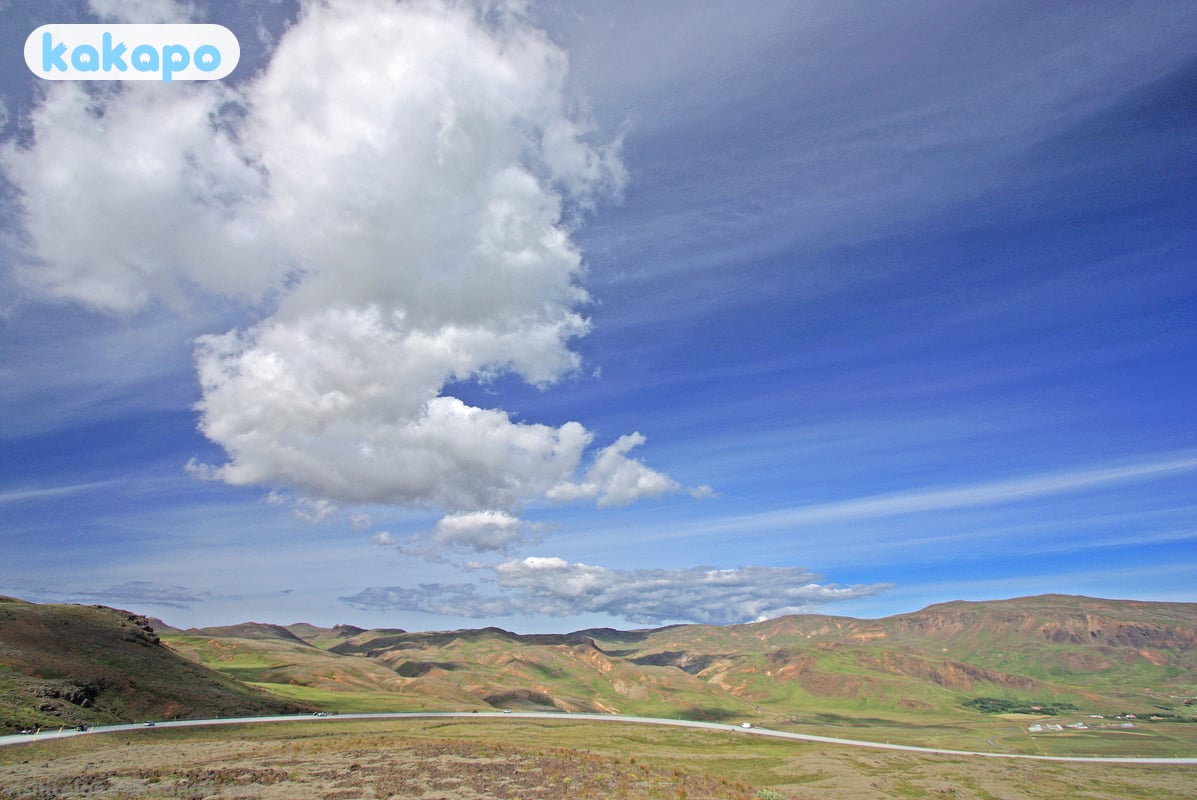
- Wind: Iceland's defining hazard. Doors ripped off rental cars; visitors blown into glacial lagoons; tents torn apart. Park cars facing into wind; hold doors firmly.
- Storms: yellow/orange/red warnings issued daily. Red = stay indoors. Check vedur.is + safetravel.is before driving.
- Visibility: fog + horizontal rain can drop to zero on the Ring Road. Pull over + wait.
- Winter driving: F-roads (4WD-only mountain tracks) closed October-June. Many southern Ring-Road sections passable year-round with care.
- Daylight: December has 4 hours of light (Reykjavik). June has 22 hours.
Outdoor injury — the recurring tourist deaths
- Glacier hiking + crevasse falls: never hike a glacier without a guided tour (crampons + rope, registered operator).
- Waterfall edge-falls: Skógafoss + Seljalandsfoss + Dettifoss have killed tourists who got too close. Marked paths exist for a reason.
- Reynisfjara black-sand beach 'sneaker waves': multiple tourist deaths. Stay 30m back from the water; the waves come without warning.
- Diamond Beach + Jökulsárlón: don't climb on icebergs (they roll); don't stand on the beach floes (they drift).
- Hot springs + geothermal: Strokkur + Geysir + Námaskarð — the wooden walkways are there for a reason. Boiling mud + scalding water.
Reykjanes Peninsula volcanic activity
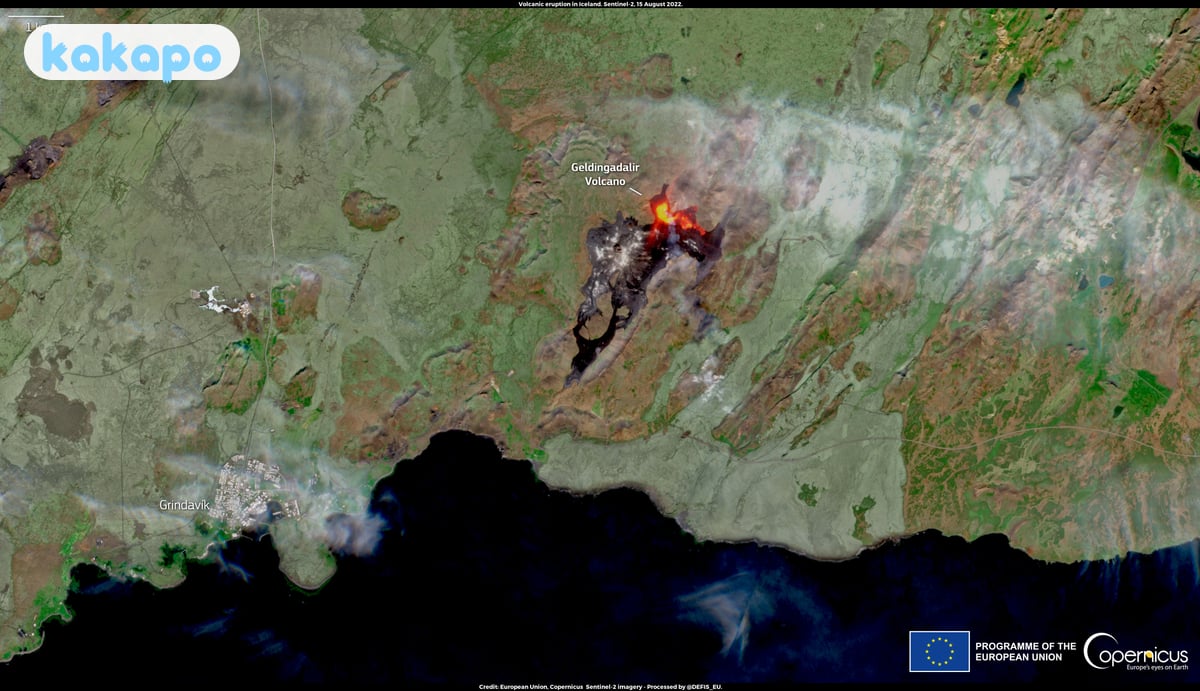
- Active since 2021: Fagradalsfjall + Geldingadalir + Sundhnúkur eruptions. The Blue Lagoon area + Grindavík town affected.
- Practical impact for visitors: occasional Keflavík Airport disruption (rare); Blue Lagoon closed during specific events (re-opens within days/weeks).
- Volcanic-tour operators: only visit eruption sites with registered guided tours during officially-permitted windows. Don't approach independently.
- Gas hazards: SO2 + CO2 emissions can be lethal close to vents. Tour guides have detectors.
- Check IMO + safetravel.is for current eruption status before travelling to the area.
Featured cities in Iceland
Frequently asked questions
Is Iceland safe to visit in 2026?
Yes — top-1 on the Global Peace Index for over a decade. Crime against tourists is genuinely rare. Real risks are entirely environmental: weather (changes hourly), glacier + waterfall + black-sand-beach accidents (multiple tourist deaths/year), Reykjanes volcanic activity (active 2021-2024).
What are the most common tourist deaths in Iceland?
Three recurring patterns: (1) drivers blown off the Ring Road by wind, (2) waterfall + glacier edge-falls (Skógafoss, Seljalandsfoss, Dettifoss, glaciers), (3) Reynisfjara black-sand beach 'sneaker waves' (waves come without warning, stay 30m back). All preventable with respect for marked paths + safetravel.is alerts.
Is the volcanic activity dangerous for tourists?
The eruptions since 2021 (Fagradalsfjall, Geldingadalir, Sundhnúkur) have generally been at safe-distance from Reykjavik + KEF Airport. Visit eruption sites only with registered guided tours during officially-permitted windows. The Blue Lagoon area + Grindavík town have been periodically closed; check IMO + safetravel.is.
Is Iceland safe for solo female travellers?
Yes — Iceland ranks #1 globally on gender-equality + women-safety indices. Solo female travel is the cultural norm. Weather + outdoor injury the only meaningful risks.
Can you drink tap water in Iceland?
Yes — among the world's best tap water. Glacial origin, lightly mineralised. Drink from any tap; carrying a refillable bottle is the local norm.
Do I need a 4WD?
Only if planning F-roads (mountain tracks, generally open July-September). Ring Road + most popular routes (Golden Circle, South Coast) are passable in 2WD year-round with winter tyres in season. Many tourists rent 4WD anyway as insurance.
Is the Northern Lights season + safety related?
Northern Lights season is September-April (peak November-March). Practical safety: cold (-10°C wind chill standard), driving in snow + ice, dark + remote viewing locations. Take a guided tour for your first night if unfamiliar with Icelandic winter driving.
Is the Blue Lagoon safe?
Yes — the famous geothermal spa is heavily-monitored + safe. The 2023-2024 Reykjanes eruptions have caused periodic closures (re-opens within days/weeks). Check operating status before booking specific dates.