

Is Canada Safe in 2026? A Country Safety Guide
Winter cold reality, wildlife in national parks, wildfire smoke, and the realistic visitor risks of the world's second-largest country.
Canada is among the world's safest countries — top-10 Global Peace Index. Crime against tourists is rare. The realistic concerns are environmental: brutal winter (-30°C in interior + east), wildfire smoke (BC + Alberta + Yukon summers), wildlife in the national parks (bears, moose, cougars), and the long distances between cities.
US State Department lists Canada at Level 1; UK FCDO has no overall advisory against travel.
| Scam / petty-crime risk | Low |
|---|---|
| Violent crime (tourists) | Low |
| Data sources cited | 4 |
| Last verified |
Winter — the operational reality
- December-February: -10 to -25°C in Toronto, Ottawa, Montreal; -30°C in Calgary, Winnipeg; milder coastal in Vancouver (-5 to 5°C).
- Frostbite + hypothermia: real at -20°C and below. Cover exposed skin; layered clothing; insulated boots.
- Wind chill: amplifies cold significantly. Check apparent-temperature, not air-temp.
- Road conditions: snow + ice November-April. Rent winter-tyre-equipped cars; check 511 road condition apps.
- Flight delays: blizzard events common at YYZ + YUL. Build buffer days.
Wildlife in national parks
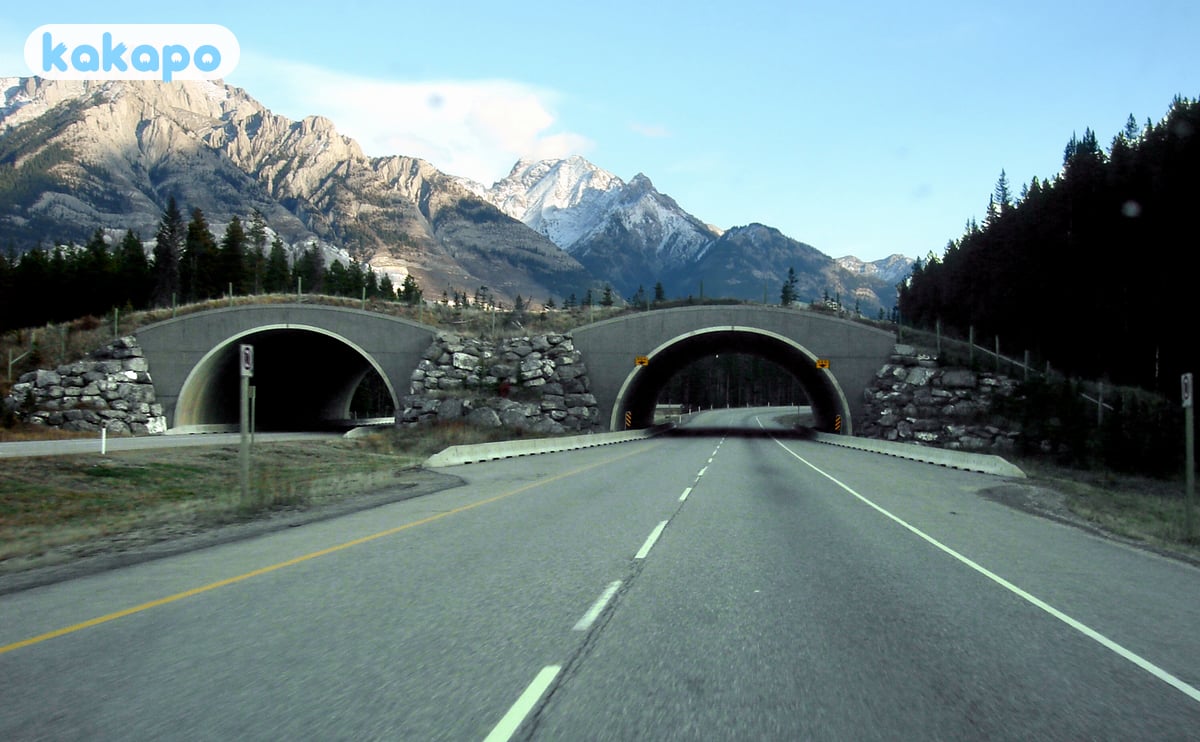
- Bears (black + grizzly): present in Banff, Jasper, Whistler-area, Yukon, the Rockies generally. Carry bear spray; make noise on trails; never approach.
- Moose: most-dangerous large animal in Canada (more attacks than bears). Don't approach; stay 30m+ away.
- Cougars: rare encounters; if you see one, don't run, make yourself appear large.
- Mosquitoes + blackflies: brutal in spring/summer at higher latitudes. Repellent + head nets in deep wilderness.
- Trail safety: tell someone your route; check trail-status apps; turn back before dark.
Wildfire smoke + the new normal
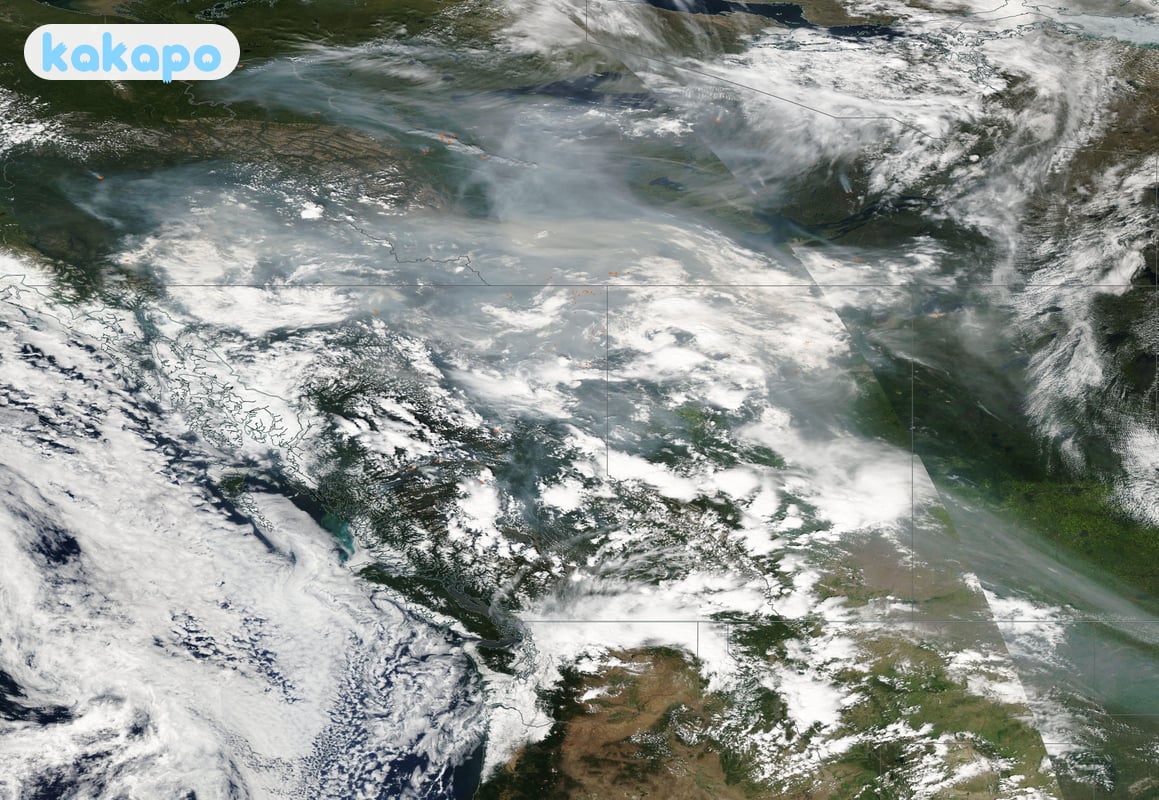
- BC + Alberta + Yukon: summers 2021-2024 saw severe wildfire seasons. Vancouver, Calgary, Edmonton all had multi-week smoke advisories.
- Eastern impact: 2023 Quebec + Ontario fires sent smoke south to NYC + DC. Ottawa, Montreal, Toronto all had AQI 200+ days.
- Check AQI before booking outdoor activities: AirNow + Canadian Air Quality Health Index. AQI >150 = limit outdoor exertion.
Featured cities in Canada
Toronto
84Largest city. Tourist core (downtown, CN Tower area, Distillery District, Yorkville) heavily-policed + safe.
Read the Toronto safety guide →
Vancouver
86Pacific city. Among Canada's safer larger cities; Downtown Eastside (Hastings) has open-air homelessness — avoid solo.
Read the Vancouver safety guide →
Montréal
86Quebec cultural capital. Calm + safe; bilingual (French + English); Old Montreal + Mile End.
Read the Montréal safety guide →
Quebec City
90Walled-Old-Town UNESCO city. Among North America's safest. French-Canadian culture; winter Carnival.
Read the Quebec City safety guide →
Ottawa
88Capital city. Government-anchored + calm. ByWard Market + Parliament Hill.
Read the Ottawa safety guide →
Calgary
88Alberta city + Rockies gateway. Calm + safe; Banff + Lake Louise 1.5-2h drive.
Read the Calgary safety guide →
Banff
90Rockies resort town. Very safe; wildlife awareness (bears) the real concern.
Read the Banff safety guide →
Frequently asked questions
Is Canada safe to visit in 2026?
Yes — among the world's safest countries (top-10 Global Peace Index). Crime against tourists is rare. Real concerns are environmental: extreme winter (-30°C interior), wildfire smoke (summer west + 2023 east), wildlife in national parks (bears, moose), long distances.
Is Vancouver safe?
Yes for tourist core. Downtown, Gastown, Yaletown, Stanley Park, Granville Island all heavily-policed + safe. Specific carve-out: Downtown Eastside (Hastings Street between Main + Cambie) has open-air homelessness + open drug-use — avoid walking through, especially solo.
Are bears really a concern in the Rockies?
Yes. Black bears + grizzlies are present in Banff, Jasper, Whistler-area, the Rockies generally. Carry bear spray (rent at park visitor centres if not bringing own); make noise on trails (talk, sing, bear bells); never approach or run. Most encounters end uneventfully if you follow protocol.
Is Canada safe for solo female travellers?
Yes — among the world's safest. Canadian society is high-trust + low-aggression. Standard urban precautions in Vancouver Downtown Eastside + late-night Toronto entertainment district + Montreal Plateau bars.
Can you drink tap water in Canada?
Yes everywhere. Canadian tap water is excellent + heavily-treated. Some Indigenous communities have ongoing boil-water advisories (a real national issue) but no tourist destinations affected.
When is the best time to visit Canada?
Depends on region. Toronto + Montreal: May-October. BC coast (Vancouver, Victoria): year-round, May-October best. Rockies (Banff, Jasper): June-September for hiking, December-March for skiing. Yukon + Northwest Territories: northern lights September-April.
Is winter travel safe?
Yes with preparation. Layered insulated clothing; insulated boots; covered exposed skin at -20°C+. Driving: winter tyres legally required in BC (some routes) + Quebec (mid-November to mid-March). Check 511 road condition apps; build buffer days for blizzard-related flight delays.
Is Canadian healthcare available to tourists?
Provincial public healthcare doesn't cover tourists; travel insurance is essential. ER visits are charged at non-resident rates ($1,000-3,000+ for sprains, much more for serious). Major Canadian cities have international-quality hospitals.