


Is Bordeaux, France Safe? A 2026 Travel Safety Guide
Saint-Michel after dark, Cité du Vin day trips, summer heat, and the realistic visitor risks of France's wine capital.

Bordeaux is one of France's safer mid-sized cities for tourists, with the realistic concerns being the gentrifying Saint-Michel district at night, the genuine summer heat (40°C+ heatwaves now occur), pickpocketing near major sights and Saint-Jean station, and the occasional Yellow Vest / pension-reform demonstration in central squares.
France sits at low advisory levels. Bordeaux's tourist core is calm and well-policed; central districts are clean and orderly. Crime against tourists is rare; pickpocketing concentrated at Place de la Bourse and on tram line C.
The honest framing for first-time visitors: Bordeaux is one of Europe's most-overlooked tourist cities. UNESCO-listed historic centre, the world's biggest wine region just outside, the Garonne riverside, the Miroir d'eau reflecting pool. Genuinely calm; the most "dangerous" thing is the wine region's tasting cycle.
The city's geography is the first thing visitors should internalise. The Garonne river curves through Bordeaux in a wide crescent (this is the "Port de la Lune" inscribed by UNESCO), with the historic right bank on the west holding 95% of what visitors see — the Place de la Bourse, the Grand Théâtre, the Saint-Pierre medieval lanes, the Chartrons antique quarter, the Saint-Michel basilica. Across the river to the east is La Bastide, the gentrified former industrial bank now home to the Botanical Garden and the new architectural cluster around the Stalingrad area. The four tram lines (A, B, C, D, operated by TBM) all converge in the city centre and reach the airport (A to Mérignac), Saint-Émilion-bound trains (Saint-Jean station), and the Cité du Vin (B and C to the Bacalan terminus). Cité du Vin itself — the swirling decanter-shaped wine-discovery museum opened in 2016 — is the city's most photogenic modern landmark and the easiest single wine experience for visitors who only have a day.
In 2026, the practical updates: TGV Inoui from Paris-Montparnasse to Bordeaux-Saint-Jean is 2h10 (€30-100, book ahead through SNCF Connect — this is the second-fastest TGV journey from Paris and makes Bordeaux a feasible weekend from Paris); the city has extended its summer "Pétanque sur les quais" programme along the Garonne quays from May to September; the Bordeaux Wine Festival (Bordeaux Fête le Vin) returns 18-21 June 2026 and is the wine-tourism peak of the year; tram tickets are €1.80 single, €5 day pass, contactless tap-to-pay on every reader since 2024; and the cycle-share Vélib-equivalent V³ has been replaced by the TBM Bicyclette public-bike scheme (€2 single, €5 day). Two evening warnings worth knowing: the Place de la Victoire area immediately north of Saint-Michel sees an active student-nightlife and drug-economy mix Thursday-Saturday nights, and the wider Gironde is now in a clear wildfire band June-September that occasionally pushes smoke over the city for days.
| Night safety | 67/100 |
|---|---|
| Scam / petty-crime risk | Medium |
| Violent crime (tourists) | Low |
| Most common scams | petition / clipboard scam at Place de la Bourse; friendship bracelet scam at the Cathédrale; pickpockets at Saint-Jean station |
| Safer neighbourhoods | Centre Historique, Chartrons, Saint-Pierre |
| Data sources cited | 4 |
| Last verified |
What the score means — 84/100
- Healthcare (88) — Centre Hospitalier Universitaire (CHU) de Bordeaux. EHIC for EU.
- Transport (86) — Tram lines A, B, C, D. Modern. Useful for the airport.
- Personal safety (84) — high. Pickpocketing concentrated at Saint-Jean station and Place de la Bourse.
- Night (82) — central Bordeaux alive late and policed.
Areas — comfortable everywhere a tourist would go

Recommended for visitors: Centre Historique (Place de la Bourse, Place de la Comédie, Cathédrale Saint-André), Chartrons (gentrified, antique shops, food market), Saint-Pierre (medieval lanes, restaurants), Caudéran (residential, leafy), La Bastide (across the river, gentrified), Bacalan (Cité du Vin neighbourhood, modernised waterfront).
Visit during the day, careful late at night: Saint-Michel — multicultural district with a famous flea market and gritty character. Fully safe by day; specific late-night solo walks less polished.
There are no zones we'd actively tell tourists to avoid in central Bordeaux.
Wine country day trips
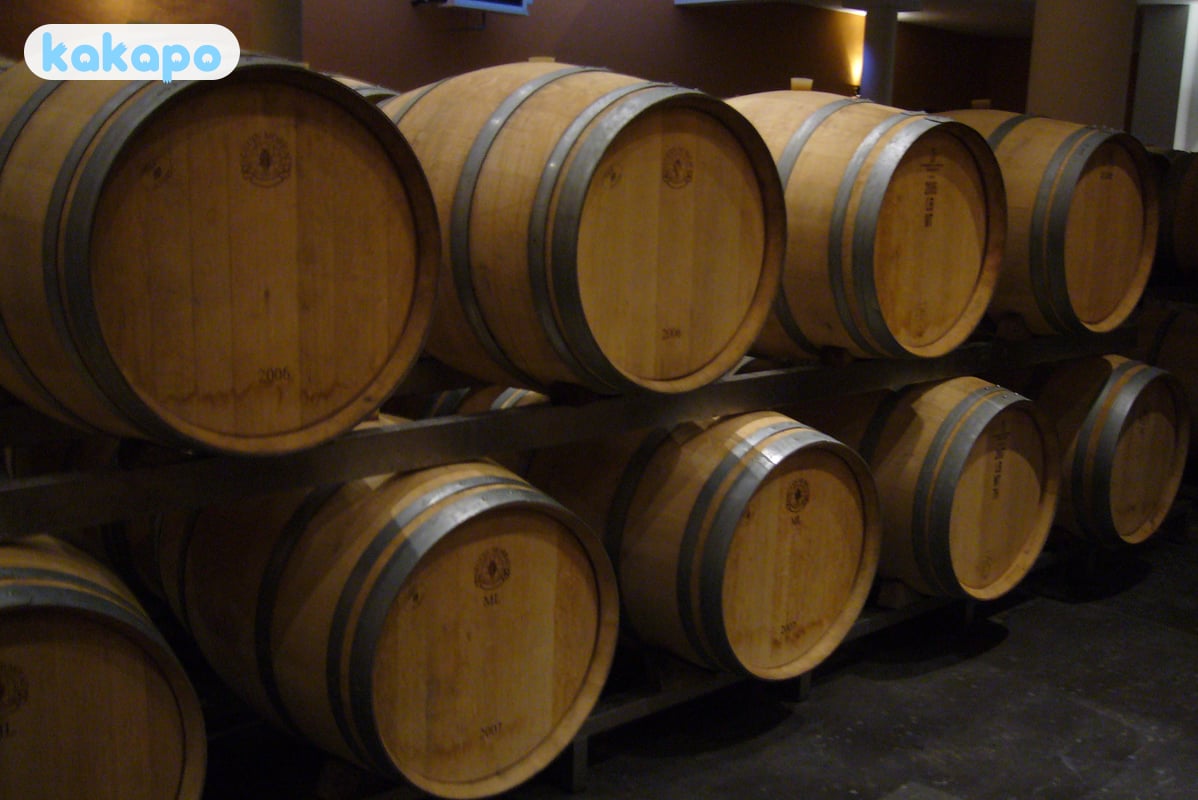
- Saint-Émilion: 40 min by train. UNESCO village + wine tasting. Beautiful, tourist-heavy.
- Médoc: 1h+ by car. Margaux, Pauillac, Saint-Estèphe. Most châteaux require advance booking for tours.
- Don't drink and drive. The French BAC limit is 0.05% (0.02% for new licences). Police checkpoints common around wine country.
- Tasting tour operators: Bordovino, Ophorus, Rustic Vines all offer half-day and full-day tours with sober drivers.
- Cité du Vin: in Bordeaux itself — interactive wine museum, very accessible.
Saint-Michel — the one district with a different vibe
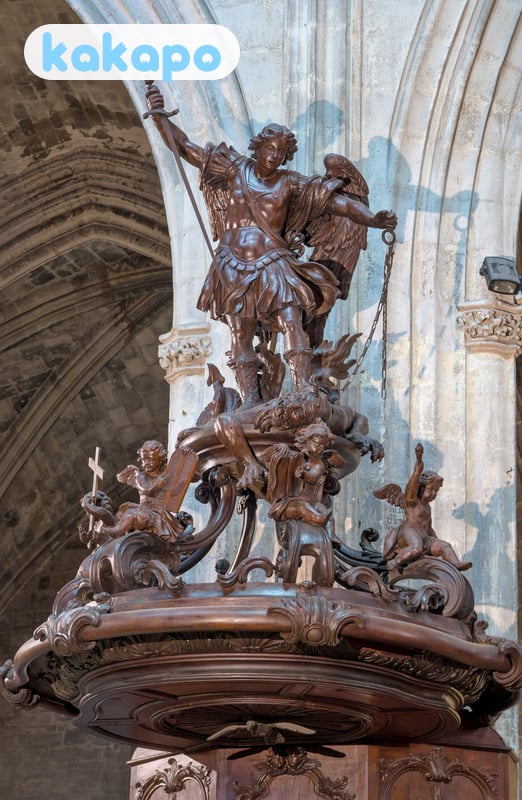
Saint-Michel sits between the Garonne and the historic centre. It's a multicultural, lower-income, gentrifying district anchored by the Basilique Saint-Michel with its standalone bell tower and the famous marché des Capucins covered market.
- Daytime: completely fine for visitors. The flea market on Sunday mornings (Place Saint-Michel + Place Meynard) is a Bordeaux institution. Crowded, energetic, photogenic.
- After dark, away from the lit streets: rough-sleeper population, occasional aggressive panhandling, and an active drug scene around Place de la Victoire just north. None of this is unique to Bordeaux for a French city this size, but it's the one zone where the polish drops.
- What to do: walk through during the day. After 22:00, stay on the main axes (cours Victor Hugo, cours de la Marne) where there's foot traffic and policing.
- Marché des Capucins for breakfast: oysters and a glass of white at 09:30 is a local rite. Cash + card both accepted; ATMs inside the market hall.
Tourist scams — the short list
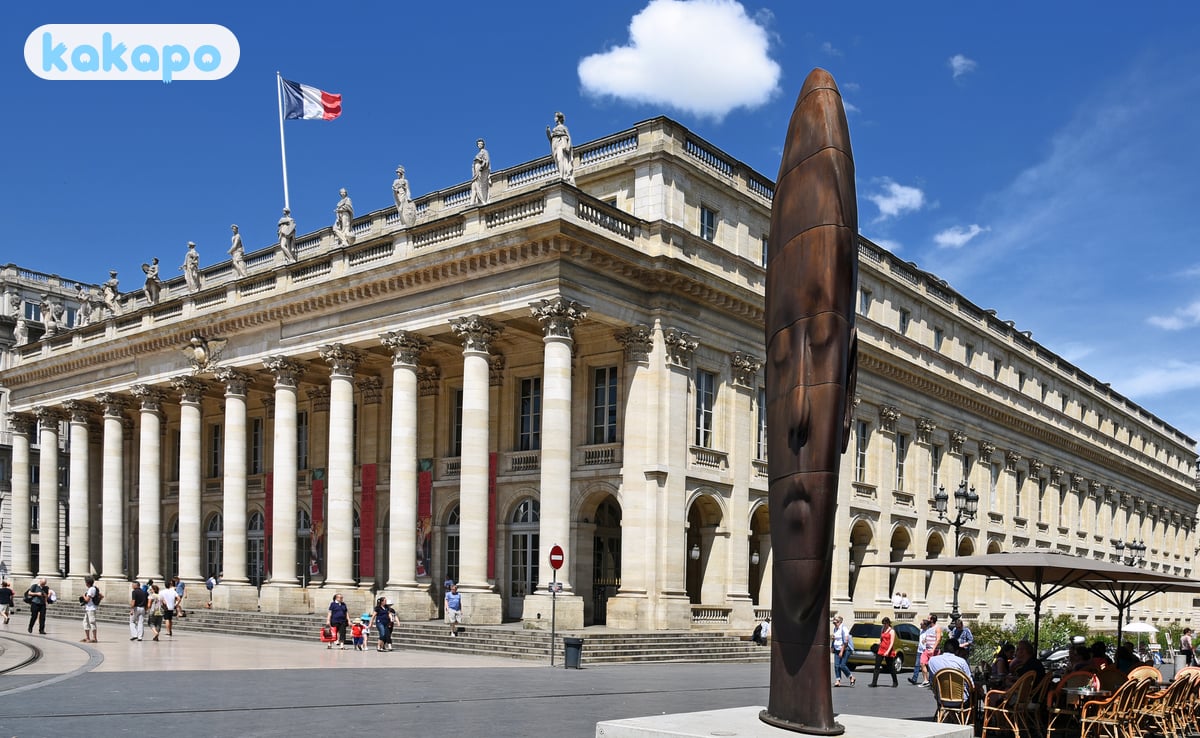
- Place de la Bourse / Miroir d'eau: the petition / clipboard scam (charity for the deaf, etc.) is the most active. Always "no", never reach for a wallet.
- Friendship bracelet at the Cathédrale: a man ties a string on your wrist by the basilica, then demands €10-20. Walk past.
- Saint-Jean station pickpockets: peak times 08:00-09:30 and 17:00-19:00. Specifically the platform stairs and the Tram A boarding zone.
- Tasting-tour pressure: a small number of unaccredited "guides" loiter near the Cité du Vin offering cheap private tours. They're not licensed, the wine is mediocre, and the tip pressure at the end is severe. Use Bordovino, Ophorus, Rustic Vines, or the Office de Tourisme's own tours.
- Restaurant menus by the river: a few places near Place de la Bourse charge €18 for a glass of basic Bordeaux. Walk one block inland for the same wine at €5-6.
Summer heat in Aquitaine

Bordeaux's climate is normally mild Atlantic. But the city has shifted into the European heatwave zone over the last decade: 40°C+ readings are now recorded most summers, with the 2003 and 2022 heat domes pushing the wider Gironde above 42°C. The wider Gironde forest is now in a high-risk wildfire band June-September; the 2022 fires near La Teste-de-Buch displaced tens of thousands and pushed smoke over the city for several days.
- July-August accommodation: confirm air conditioning before booking. Many historic-centre hotels in 18th-century buildings don't have it.
- Hydration: tap water is safe. Carry a refillable bottle on hot days.
- Wildfire smoke: if forest fires are active to the southwest (Landes / Gironde), check air-quality apps (ATMO Nouvelle-Aquitaine). Indoor day if AQI is poor.
- Best window weather-wise: late April to mid-June, or mid-September to October. Wine harvest (vendanges) usually peaks late September.
Tram, taxis, the airport
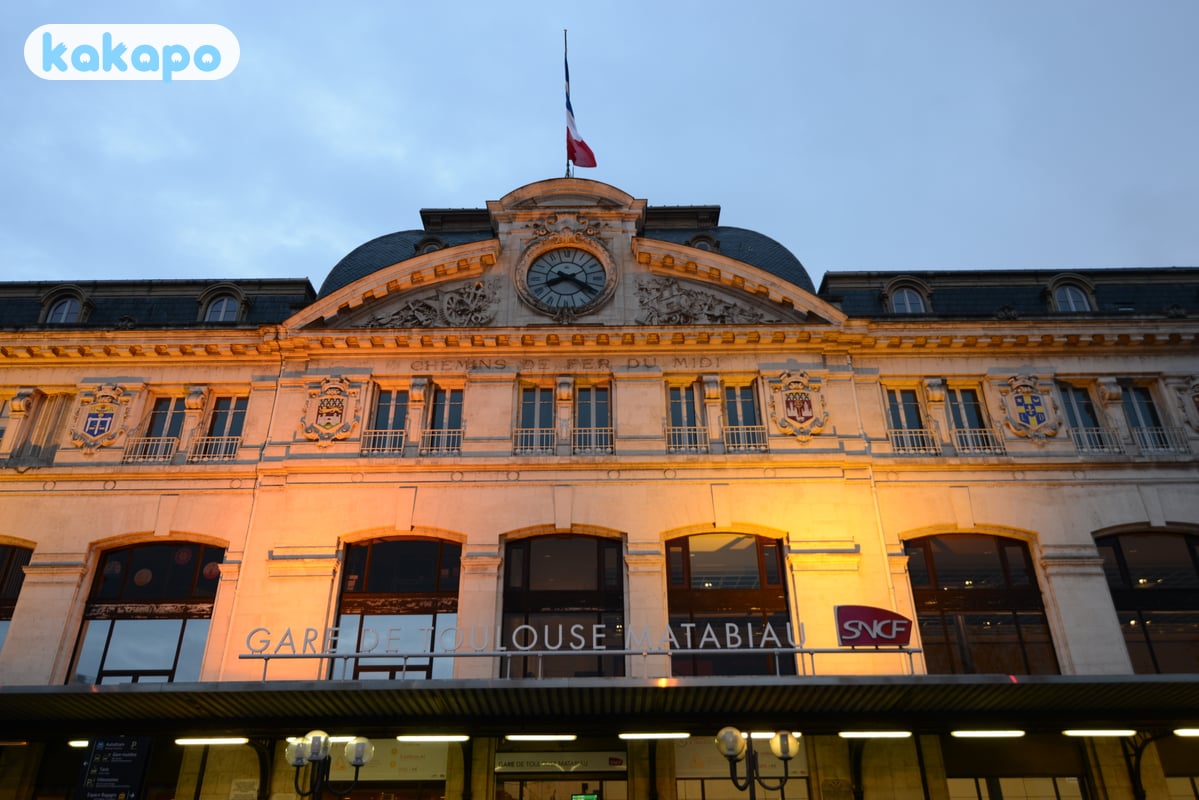
- TBM ticket: covers tram, bus. Single €1.80, day pass €5.
- Tram A: from city centre to the airport (line A→Mérignac). 30 min, €1.80.
- Bordeaux-Mérignac Airport (BOD): 12 km from centre. Tram A or shuttle Liane 1. Taxi €30-40.
- TGV from Paris: Bordeaux-Paris in 2h on TGV.
Neighbourhood-by-neighbourhood breakdown
- Saint-Pierre — the medieval lanes between the Place de la Bourse and the Grand Théâtre, full of small restaurants, wine bars and the city's densest concentration of bistros. Place Saint-Pierre and Place du Parlement are the main squares. Heavily walked and safe any hour; restaurants in the immediate squares are tourist-priced, walk one street back for the same wine at half-price.
- Chartrons — the gentrified former wine-merchant district north of Place de la Bourse along the Garonne, home to the Sunday Marché des Quais (the riverside Sunday market is the local Sunday morning rite), the antique shops on Notre-Dame, the Halles de Bacalan food market further north. Quiet, leafy by Bordeaux standards. Walkable from the centre in 15 minutes or one tram-B stop.
- Saint-Michel — the multicultural neighbourhood south of Place de la Bourse anchored by the Basilique Saint-Michel (with its standalone Flèche bell tower, climbable for the view) and the Marché des Capucins covered market. The Sunday flea market on Place Saint-Michel and Place Meynard is a Bordeaux institution. Daytime is fine and unmissable; after 22:00 stay on the main axes (cours Victor Hugo, cours de la Marne) — the side streets get rougher and Place de la Victoire (just north) sees an active drug-and-student-nightlife mix Thursday-Saturday.
- La Bastide (left bank — actually right bank if you face north) — across the Pont de Pierre on the east bank, gentrified former industrial zone with the Jardin Botanique, the new architectural cluster around Stalingrad, and a string of cheaper restaurants. The Pont de Pierre walk back to the centre at sunset is one of the city's photographs. Walkable from Saint-Pierre in 15 minutes.
- Tram lines A/B/C/D — TBM's tram network is the spine of intra-city movement: Line A east-west (Mérignac airport to Le Haillan via the city centre); Line B north-south (Bacalan with the Cité du Vin to Pessac/the university); Line C parallel to the Garonne (north from Bègles through the centre to Bordeaux-Lac and the stadium); Line D northwest to Eysines. €1.80 single, €5 day pass, contactless tap-to-pay on every reader. Tram A is the airport line at €1.80 (30 min to BOD).
- Cité du Vin — the swirling decanter-shaped wine-discovery museum at the northern end of the city in Bacalan, opened 2016. Architects Anouk Legendre and Nicolas Desmazières designed it to evoke wine swirling in a glass. €22 entry, includes a tasting in the top-floor Belvédère with a Garonne panorama. Tram B or C to "La Cité du Vin". Pre-book; the museum is huge and 3-4 hours minimum.
- Saint-Émilion day-trip — 40 minutes by TER train from Saint-Jean (€8 single), or 50 minutes by car via the A89. UNESCO-listed wine village with the underground monolithic church and the cooper's lanes. The village itself is small and walks in 2 hours; the surrounding châteaux are the wine reason to go. Bordovino, Ophorus and Rustic Vines run half- and full-day tours from Bordeaux with sober drivers (€90-180 per person).
- Médoc + Pessac-Léognan — the longer wine day-trips to the north-west (Margaux, Pauillac, Saint-Estèphe) and south (Pessac-Léognan around Bordeaux University). Most premier-cru châteaux require advance booking; many won't admit visitors at all. Use a tour operator unless you know specific properties.
- Place de la Bourse + Miroir d'eau — the city's photographic centre, the 18th-century facade reflected in the world's largest reflecting pool (3,450 sqm, refills every 23 minutes with a mist phase between). Family-saturated, safe any hour, the petition-clipboard scam is the city's most active here — always firm "non".
If it's your first time visiting
- Best arrival: TGV Inoui from Paris-Montparnasse to Bordeaux-Saint-Jean in 2h10 (€30-100, book through SNCF Connect ahead). From Bordeaux-Mérignac airport (BOD), tram A to the city centre is €1.80 in 30 minutes — the easiest airport transfer in France outside Paris. Taxi from BOD is €30-40 flat-rate.
- Best neighbourhood for your first night: Saint-Pierre or the Triangle d'Or (between Cours de l'Intendance, Cours Clemenceau and Allées de Tourny) for walkable access to everything; Chartrons for the leafier riverside experience; Cité du Vin / Bacalan if you want the wine-museum-first experience. Avoid first-night bookings around Saint-Jean station (functional but pickpocket-active) or in Saint-Michel side streets.
- Day 1 jet-lag friendly: Place de la Bourse and the Miroir d'eau in the early evening when the reflecting pool runs, walk to the Grand Théâtre and the Place de la Comédie, dinner in Saint-Pierre at La Belle Époque or Le Petit Commerce. No wine tour, no museum, no decisions.
- Day 2 wine itinerary: Cité du Vin opens 10:00, allow 3-4 hours including the Belvédère tasting; lunch at Halles de Bacalan; afternoon at Saint-Émilion via the TER (or a guided tour from Place de la Bourse). Don't try to do Médoc, Saint-Émilion and the Cité du Vin in the same day.
- Public transport: TBM tram €1.80 single / €5 day pass, contactless tap-to-pay since 2024. The four tram lines and the bus network cover everything. TBM Bicyclette public bikes (€2 single / €5 day) for the riverside quays. Walking handles most of the centre.
- Common rookie mistakes: signing the "deaf charity" petition at the Miroir d'eau (the pickpocket-distraction setup); accepting the friendship-bracelet thread at the Cathédrale Saint-André (a man ties it, then demands €10-20 — walk past); booking a centre hotel for July without confirming air conditioning (many 18th-century buildings don't have it, 40°C heatwaves are now standard); drinking and driving in wine country (BAC limit 0.5‰, police checkpoints are frequent and serious — use a tour operator with a sober driver); paying €18 for a basic Bordeaux glass on the river restaurants (walk one block back for €5-6); missing the Sunday Marché des Quais (riverside market 08:00-14:00 — Bordeaux's best morning).
- Currency: euro. Cards everywhere; carry €30-50 in small notes for the markets and tipping. Decline DCC when terminals offer to charge in GBP/USD.
- Heat strategy: 40°C+ heatwaves recorded most summers since 2022. Wider Gironde wildfire risk June-September; check ATMO Nouvelle-Aquitaine for air quality. Best windows weather-wise: late April to mid-June, mid-September to October (vendanges = wine harvest). Carry water aggressively in summer.
- Wine tour operators: Bordovino (popular, good range), Ophorus (small groups), Rustic Vines (English-speaking, full-day), and the Office de Tourisme on Cours du XXX Juillet for their own tours. €90-180/person for a half- or full-day Médoc or Saint-Émilion tour with sober driver, 3-4 châteaux visits, lunch. Pre-book.
Practical info — emergency numbers
- European emergency: 112.
- Police: 17.
- SAMU: 15.
- CHU Bordeaux (Pellegrin): +33 5 56 79 56 79.
Bring: a card without foreign-transaction fees, an unlocked phone (French SIM), comfortable shoes, and travel insurance. Tap water is safe.
Frequently asked questions
Is Bordeaux safe to visit in 2026?
Yes. Bordeaux is one of France's safer mid-sized tourist cities. France sits at low advisory levels with both US State Department and UK FCDO. Realistic concerns are pickpocketing at Place de la Bourse and Saint-Jean station, the gentrifying Saint-Michel district after dark, summer heat (40°C+ heatwaves now occur), and occasional Yellow Vest / pension-reform demonstrations in central squares — not violent crime.
Is Bordeaux safe at night?
Yes. Central Bordeaux stays alive late and policed — the UNESCO historic centre, Chartrons, and Saint-Pierre are comfortable until late. The one zone where polish drops is Saint-Michel after 10pm (especially Place de la Victoire just north) — rough-sleeper population, occasional aggressive panhandling, active drug scene. Stay on main axes (cours Victor Hugo, cours de la Marne) after 22:00 if walking through.
Is Bordeaux safe for solo female travellers?
Yes. Bordeaux is comfortably safe for solo women in the centre at any hour. The compact walkable historic core, dense daytime tourism, and wine-bar culture all support solo travel. Standard precautions on Saint-Michel side streets after dark and on tram line C / at Saint-Jean station (pickpocket-active at peak hours).
Can you drink tap water in Bordeaux?
Yes. Bordeaux's tap water is safe and extensively tested — sourced from the Aquitaine alluvial aquifer. Free at every restaurant on request. Carry a refillable bottle on hot days.
What's the biggest scam to avoid in Bordeaux?
The petition/clipboard pattern at Place de la Bourse and the Miroir d'eau — always 'no', never reach for a wallet. Other recurring patterns: the friendship bracelet at the Cathédrale Saint-André (a man ties a string on your wrist then demands €10-20 — walk past), Saint-Jean station pickpockets at the Tram A boarding zone during peak hours, and unaccredited 'guides' loitering near the Cité du Vin offering cheap private wine tours (mediocre wine, severe tip pressure). Use Bordovino, Ophorus, Rustic Vines, or the Office de Tourisme's own tours.
Should I worry about wildfires in the Gironde?
Worth monitoring June-September. The 2022 La Teste-de-Buch fires displaced tens of thousands and pushed smoke over Bordeaux for several days; the wider Gironde forest is now in a high-risk wildfire band. Practical impact for tourists is air quality — check ATMO Nouvelle-Aquitaine if fires are active to the southwest, plan indoor days if AQI is poor. The city itself isn't at direct wildfire risk. Pair this awareness with summer heat planning: confirm air conditioning before booking 18th-century centre hotels, as many don't have it.
Sources
Run a business in Bordeaux?
Show visitors your Bordeaux business is a safe choice. The free Verified by Kakapo badge puts Bordeaux's live safety score on your website, links back to your verified page, and updates itself. No cost.
Get the free badge →