


Is Shanghai, China Safe? A 2026 Travel Safety Guide
VPN setup before you fly, payment apps, summer typhoons, and the realistic visitor risks of one of the world's safest mega-cities.

Shanghai is one of the safest mega-cities in the world for crime — comparable to Tokyo or Singapore on most measures. The realistic visitor concerns are not crime; they are the operational logistics that catch first-time China visitors out: getting Western social media and Google Maps blocked without a VPN, payment that's gone almost entirely cashless via Alipay/WeChat Pay, the genuine summer heat and typhoon season, and the photography rules that catch tourists unprepared.
The US State Department lists China at Level 3 ("reconsider travel") with specific carve-outs around the "exit-ban" risks for foreign business travellers and dual-nationals. For tourists on standard short trips to Shanghai with no business or political-activity entanglement, the practical risk picture is closer to Tokyo than to Bangkok. The UK FCDO advisory is similar — practical risk lower than the headline Level-3 status implies for tourist activity.
The honest framing for first-time visitors: prepare for the technology environment before you fly, not after. Once you land, Google, Gmail, WhatsApp, Instagram, X, Facebook, and most Western news sites are inaccessible without a working VPN.
Visiting Shanghai for the first time, the thing that catches most travellers off-guard isn't crime — it's the technology gap and how comprehensively cashless the city is. Set up Alipay or WeChat Pay before you fly; install a working VPN; have offline Mandarin translation ready. Once those are done, Shanghai is one of the most pleasant mega-cities on earth — efficient, surprisingly walkable for a city of 25 million, and feels safer than most European capitals at night. Open with "Nǐ hǎo" (hello) — locals warm immediately to any Mandarin attempt; "Xièxie" is thank-you. English is widely spoken in the Bund, French Concession, Pudong and tourist zones. A bowl of xiao long bao at Jia Jia Tang Bao is ¥30-50 (~$4-7), Shanghainese hairy crab dinner in season ¥200-500 ($28-70), a Tsingtao at a Bund-view rooftop bar ¥80-120, a Metro ride ¥3-9.
In 2026, the specific things that have changed since pre-pandemic include: China's 144-hour transit visa-free entry was extended to 240 hours (10 days) for 54 nationalities in late 2024 — a major simplification for Western tourists; Alipay and WeChat Pay both accept foreign Visa/Mastercard for top-up since 2024 — no more "tourist payment headache"; the new high-speed rail Shanghai-Beijing is now 4h20m; the Pudong Maglev (430 km/h to Longyang Road) remains a tourist novelty at ¥50; air quality has continued improving — 2024-2025 was the cleanest in a decade with PM2.5 averaging "moderate" most days; and the post-pandemic visa issuance is fully restored with most categories processed in 4-7 working days.
| Night safety | 81/100 |
|---|---|
| Scam / petty-crime risk | Low |
| Violent crime (tourists) | Low |
| Safer neighbourhoods | The Bund, Pudong, Former French Concession |
| Data sources cited | 4 |
| Last verified |
What the score means — 84/100
- Transport (96) — the Shanghai Metro is one of the world's largest networks (20+ lines). Cheap, modern, English signage everywhere.
- Personal safety (94) — high. Crime against tourists is genuinely rare. CCTV coverage is comprehensive.
- Night (90) — central Shanghai is alive late and well-policed. Walking at any hour is fine.
- Healthcare (88) — Shanghai has world-class private hospitals (Shanghai United Family, Parkway Pantai, Jiahui International). International-standard, English-speaking.
VPN, Alipay/WeChat Pay — set up before you fly

The single most important practical fact for first-time China visitors is the technology environment. Set this up before you board the plane.
- VPN: install ExpressVPN, AstrillVPN, or LetsVPN before you arrive in China. You cannot reliably download a VPN once in China — the app stores there don't carry them. Test the VPN works.
- Without a VPN: Google (search, Gmail, Maps, Drive), WhatsApp, Instagram, Facebook, X, YouTube, most Western news, ChatGPT — all inaccessible.
- Alipay or WeChat Pay: install before arrival. Both now accept foreign credit cards (Visa, Mastercard) on top-up. Cash is increasingly difficult to use at small businesses, taxis, even some hotels.
- Translation: Google Translate offline mode (download Chinese pack before you fly), or DeepL, or Baidu Translate (works in-country).
- Maps: Apple Maps works in China but the data is different (mainland-routed). Baidu Maps and AMap work natively.
- Mobile data: an international roaming plan with VPN tunneling outside China is the cleanest path. Local SIMs (China Mobile, China Unicom) work but require Chinese-only apps.
Typhoon season and summer heat
- Typhoon season: June-October. Shanghai is on the East China Sea; major typhoons (Chanthu 2021, In-fa 2021) have caused city-wide service disruption.
- Shanghai Meteorological Bureau issues alerts; phones receive emergency notifications.
- Metro and bus services stop on high-typhoon-signal days.
- Travel insurance with weather-disruption cover useful.
- Summer heat: 35°C+ with high humidity through July-August. Plan around the heat.
- Best weather: October-November, March-April. Spring blossoms in late March; autumn colour late October.
Areas — the Bund, Pudong, French Concession
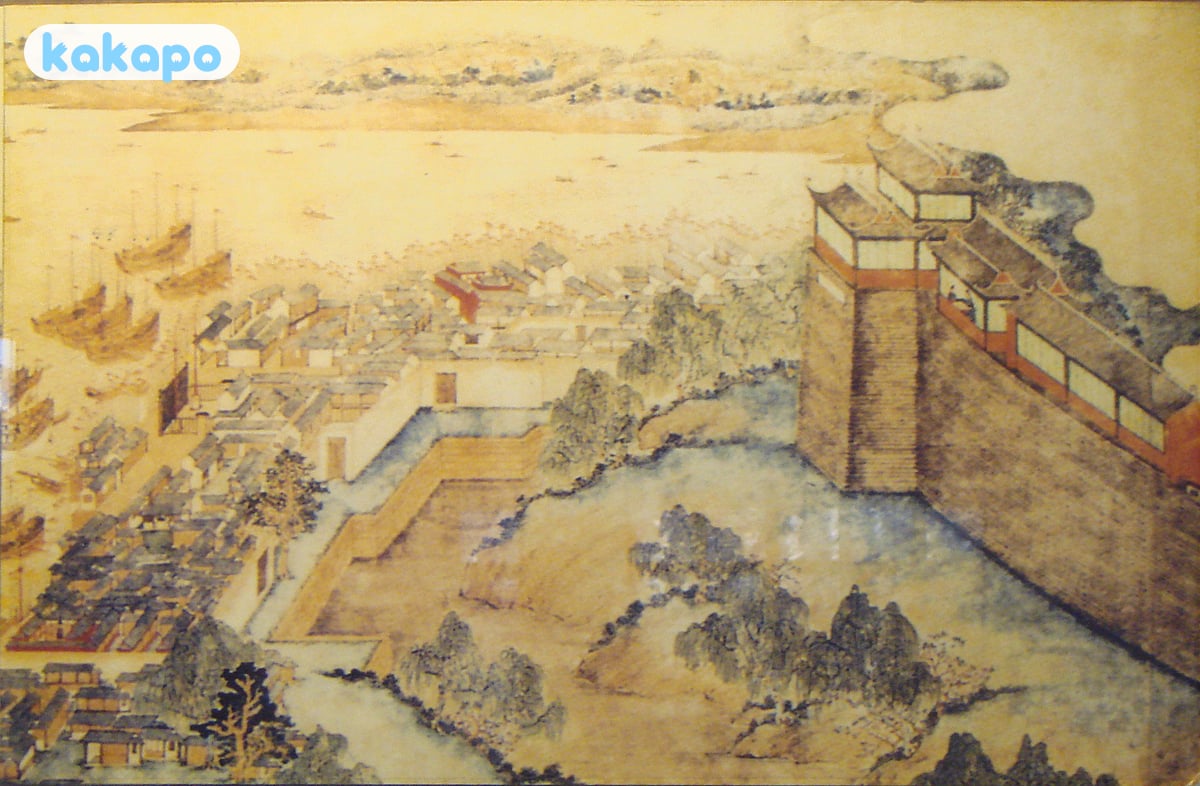
Recommended for visitors: The Bund (waterfront historic, photogenic), Pudong (modern skyscrapers — Oriental Pearl, Shanghai Tower, Jin Mao), former French Concession (tree-lined streets, gentrified, restaurants), Xintiandi (Shikumen-house gentrified retail), People's Square / Nanjing East Road (the central tourist anchor), Yu Garden / Old Town.
Lively, modern: Jing'an (CBD), Xuhui.
There are no specific "no-go" zones for tourists in Shanghai. Even the older industrial outer areas are calm and policed.
Photography rules: don't photograph government buildings, military, police, security checkpoints, or maps in metro stations. Cameras have been confiscated and tourists detained briefly. Standard tourist photography (Bund, Pudong skyline, food) is fully fine.
Metro, taxis, Maglev, the airport

- Shanghai Metro: 20+ lines. Buy a "公共交通卡" transit card or pay via Alipay QR. CNY 3-10 per trip.
- Didi (the local Uber): works perfectly. Pay via Alipay/WeChat. The English version is "Didi for International" — install before arrival.
- Taxis: regulated, metered. Honest. Few drivers speak English; have your destination written in Chinese.
- Pudong Airport (PVG) to city: Maglev train (up to 431 km/h) to Longyang Road station, ~7 min, CNY 50. Then Metro line 2 to centre. Total ~45 min.
- Hongqiao (SHA): domestic + some international. 30 min to centre on Metro line 2 / 10.
- High-speed rail: Shanghai-Beijing 4h20m, Shanghai-Hangzhou 1h. World-class.
Food and water
- Tap water: not drinkable. Bottled or boiled. Most hotels provide thermos with hot water.
- Food hygiene: at established restaurants, hotel buffets, and chain shops, very safe. Street-food at busy stalls with high turnover usually fine. Quiet stalls or unfamiliar dishes — be cautious.
- Foodie destinations: dumpling places (Jia Jia Tang Bao, Din Tai Fung), the food courts at IAPM and Réel, the wet markets (with caution about hygiene).
- Vegetarian options: increasing but limited at traditional restaurants. International chains universal.
- Vaccinations: Hep A, Typhoid recommended. Yellow fever certificate required only if arriving from yellow-fever country.
Neighbourhood-by-neighbourhood breakdown
- The Bund (Huangpu District) — the historic waterfront promenade, Pudong skyline view across the river, the Peace Hotel, Bund 18. Heavily walked, very safe, lovely at sunrise and after dark when the skyscrapers light up.
- Pudong (Lujiazui) — across the river, modern skyscraper financial district, the Oriental Pearl Tower, Shanghai Tower (the world's second-tallest), Jin Mao Tower. Polished and very safe.
- Former French Concession (Xuhui / Luwan) — tree-lined streets south-west of People's Square, gentrified Art Deco mansions, café and restaurant culture, the best evening strolls. Wukang Road and Anfu Road are the famous Instagram strips. Very safe.
- Xintiandi (Huangpu) — gentrified Shikumen historic-house retail district, restaurants and boutique shopping. Polished, very safe.
- People's Square / Nanjing East Road (Huangpu) — the central tourist anchor, the museum complex, the pedestrian shopping street, the Park Hotel. Heavily walked, very safe; the only place in Shanghai where you'll occasionally encounter "art student" scam touts (decline politely).
- Yu Garden / Old Town (Huangpu) — the historic Chinese garden and surrounding Old Town shopping bazaar. Crowded and tourist-priced, very safe. The dumpling restaurants here have queues — Nanxiang Mantou Dian is the famous one.
- Jing'an — CBD west of the centre, Jing'an Temple, Plaza 66 mall. Very safe, polished.
- Tianzifang (Xuhui) — small boutique-and-cafe maze of converted lane houses in the French Concession. Touristy, very safe.
- M50 (Putuo) — the contemporary art warehouse district. Day-trip destination, very safe.
If it's your first time visiting
- Best arrival airport: Pudong (PVG) for international, 30 km east. To centre: Maglev train ¥50 to Longyang Road in 7 minutes (the world's fastest commercial train, 431 km/h, a tourist experience itself), then Metro Line 2; Metro Line 2 direct from airport ¥7 in 60 min; Didi rideshare ¥160-200. Hongqiao (SHA) for domestic + some international, 15 km west, Metro Line 2 or 10 to centre.
- Public transport: Shanghai Metro 20+ lines, ¥3-10 per ride, world-class. Pay via Alipay QR or buy a transit card. English signs on every platform. Avoid 8-9am and 6-7pm rush hours on Line 2.
- Best neighbourhood for your first night: French Concession (Xuhui/Jing'an boundary) for atmosphere and cafés, the Bund/Huangpu for the views, Pudong for modern polish. Avoid first-time bookings in outer Putuo or Yangpu — too far from sights.
- Day 1, jet-lag friendly: drop bags, walk the Bund at sunset for the Pudong skyline light show, dumplings at Din Tai Fung or Jia Jia Tang Bao for dinner (¥80-150), evening drink at Bar Rouge or Vue Bar for rooftop Bund views. Don't try the Shanghai Tower observation deck on Day 1 — book ahead and go on a clear-air day.
- Day 2 essentials: French Concession morning walk (Wukang Road, Anfu Road, Tianzifang), Yu Garden and the Old Town bazaar mid-day, Pudong skyline ascent (Shanghai Tower observation deck ¥180, pre-book online), Nanjing East Road pedestrian street evening.
- Day trips: Hangzhou (1h by high-speed rail, the West Lake), Suzhou (30 min by HSR, classical Chinese gardens), Zhujiajiao water town (40 min by Metro, accessible day-trip).
- Common rookie mistakes: not setting up VPN before flying (Google, WhatsApp, Instagram all blocked); not setting up Alipay/WeChat Pay before flying (cash is increasingly hard to use); carrying only Western credit cards expecting them to work (they don't at most local merchants); photographing soldiers, police, or maps in metro stations (cameras have been confiscated); ignoring the "art student exhibition" tout on Nanjing Road (it ends at a high-pressure painting-sale room).
- VPN setup: subscribe and install ExpressVPN, AstrillVPN, or LetsVPN BEFORE flying. Test before you board. Once in China you may not be able to download a VPN.
- Tap water is not safe. Bottled water and the in-room hot-water thermos (for tea) are the norms.
Practical info — emergency numbers
- Police: 110.
- Fire: 119.
- Ambulance: 120.
- Tourist hotline (24h, English-speaking): +86 21 962 020.
- Shanghai United Family Hospital: +86 21 2216 3999. International-standard.
- Jiahui International Hospital: +86 21 2522 9999.
Bring: VPN configured before arrival, an unlocked phone (international roaming preferred), a passport (carry it at all times — police can ask), a card with no foreign-transaction fees, modest CNY cash backup, and travel insurance documentation. Tap water not safe; bottled is universal.

Frequently asked questions
Is Shanghai safe to visit in 2026?
Yes — Shanghai scores 90/100 here, with an important framing caveat. The US State Department lists China at Level 3 ('reconsider travel') primarily because of exit-ban risks for foreign business travellers, dual nationals and the family of US citizens with mainland connections; UK FCDO is similar. For tourists on standard short trips with no business or political-activity entanglement, the practical risk in Shanghai is closer to Tokyo than to Bangkok — extremely low street crime, world-class infrastructure, and a heavy CCTV-and-uniformed-police presence. The realistic visitor risks are the language gap (English drops off quickly outside The Bund and Pudong tourist zones), the WeChat/Alipay payment lock-in (cash is increasingly rejected; foreign cards work at major hotels but nowhere else), the air-quality variability (PM2.5 can spike in winter inversions), and the 144-hour visa rules.
Is Shanghai safe at night?
Yes — exceptionally so by global megacity standards. The Bund's Huangpu River waterfront is illuminated and busy with locals and tourists until midnight; Nanjing Road East, Xintiandi, the Former French Concession, and Jing'an are all completely safe to walk at any hour. Solo women walking the Bund at 02:00 is routine. Metro Line 2 runs until around 23:00 (later on weekends); after that DiDi (the local Uber, which actually works on a Chinese number — pre-set up the app and link to international cards) is the realistic option. Drink-driving enforcement is severe and the locals respect it. The biggest after-dark risk is getting taxi-driver-scammed at the airport rather than any real safety issue.
What about WeChat Pay, Alipay and the payment reality?
This is the genuine logistical concern. Cash is technically still legal tender but increasingly refused at coffee shops, taxis, restaurants outside hotel zones, and convenience stores. WeChat Pay and Alipay are the de facto payment infrastructure. Since 2024 both apps allow foreign-card linking with a passport (the 'tourist mode') — set this up BEFORE you fly, not at the airport. Foreign Visa/Mastercard works at international-chain hotels (Marriott, Hilton) and at the airport but rarely elsewhere. ATM withdrawals work at Bank of China, ICBC and HSBC ATMs with foreign cards; daily limit ~CNY 3,000 per card. Carry CNY 1,000-2,000 in cash as backup for the few moments WeChat Pay won't recognise your foreign card.
What scams should I watch out for in Shanghai?
Two patterns persist despite the city's overall low-scam profile. (1) The 'tea ceremony' scam on Nanjing Road East and around the Bund — friendly young Chinese-speakers (often students 'practising English') invite tourists to a tea house or art gallery where the bill arrives at CNY 2,000-5,000 with bouncers blocking the door. Don't follow strangers to bars/tea houses you didn't choose. (2) Taxi-driver airport scams at PVG (Pudong) and SHA (Hongqiao) — only use the official taxi rank with a posted queue, decline anyone approaching you with 'taxi taxi'. The Maglev to Pudong Avenue and Metro Line 2 to central Shanghai are vastly cheaper and faster than airport taxis anyway.
Can you drink tap water in Shanghai, and how does the 144-hour visa-free transit work?
Tap water — officially treated and chlorinated to Chinese GB standards, but the supply travels through old pipes and rooftop water tanks; locals universally drink boiled or bottled and you should too. Most hotels provide a kettle and bottled water. The 144-hour visa-free transit (TWOV) is the genuine tourism game-changer: passport holders from ~50 countries (including UK, EU, US, Canada, Australia, NZ, Japan, Korea) flying into PVG, SHA or Hongqiao Rail station can transit through Shanghai and the Yangtze Delta (also Jiangsu and Zhejiang provinces) for 144 hours without a visa, provided they have an onward ticket to a third country (not back to the origin). Apply at the dedicated TWOV counter on arrival — bring printed onward tickets. Don't overstay; the fines are severe. Beyond 144 hours requires a tourist L-visa applied for at a Chinese embassy in advance.
Recent travel news for Shanghai
All travel news →Typhoon Dolphin hits Shanghai and eastern China: over 1,500 flights cancelled, more than 1 million evacuated
Typhoon Dolphin made landfall near Shanghai and Zhejiang province on August 9, 2026, triggering mass evacuations and widespread flight cancellations at Shanghai's two main airports. Conditions are improving as the storm moves inland, but travelers should expect lingering transit disruption for a few days.
Knife attack at Shanghai restaurant injures 2 Japanese nationals, 1 Chinese citizen
A knife attack at a Shanghai restaurant on May 19 injured three people, including two Japanese citizens, prompting Japan to request enhanced safety measures for its nationals in China.
Sources
Run a business in Shanghai?
Show visitors your Shanghai business is a safe choice. The free Verified by Kakapo badge puts Shanghai's live safety score on your website, links back to your verified page, and updates itself. No cost.
Get the free badge →