


Is Banff, Canada Safe? A 2026 Travel Safety Guide
Bear and elk encounters, the avalanche risk in winter, the Lake Louise / Moraine over-tourism, the altitude, and the realistic risks of Canada's most-visited mountain town.

Banff is one of the safer Canadian tourist destinations. The town itself is small, walkable, and very low-crime. Most realistic risks are environmental: wildlife encounters (bears + elk are routine, occasionally serious), winter cold and avalanche conditions on backcountry routes, the road from Calgary on snowy days, the over-tourism crush at Lake Louise and especially Moraine Lake, and the moderate altitude (1,383 m at Banff townsite, 2,000+ m at popular hike summits).
Canada sits at Level 1 on the US State Department's advisory list. UK FCDO is the same. The honest framing for first-time visitors: Banff is small (~9,000 residents), inside Banff National Park (Canada's first NP, 1885). Lake Louise (45 min north-west), Moraine Lake (just past Lake Louise), the Banff Gondola, the Banff Hot Springs, Johnston Canyon, and Bow Falls are the visitor anchors. Most visitors fly into Calgary (90 min east) and drive to Banff.
What surprises first-time visitors is how strict the residency rules are inside Banff townsite. The town sits inside a national park; you can't buy property or rent long-term unless you "need to reside" (employed in Banff or running a Banff business). The population is capped, the architecture is regulated (no neon, no buildings over four storeys, mountain-mountain-vernacular materials), and the entire visitor economy operates inside a ~4km² envelope around Banff Avenue. Lake Louise village 45 minutes north-west is even smaller; Moraine Lake just past it has no village at all and since 2023 no private-vehicle access. The whole experience is more contained than a typical American national-park gateway town like Jackson Hole or Estes Park.
The 2026 details worth knowing in advance: Moraine Lake road has been closed to private vehicles since 2023 (Roam Transit shuttle or licensed tour operator only — book at parkscanada.gc.ca 1-3 days ahead in peak season); the Calgary-to-Banff bus/shuttle market has matured (Brewster, Banff Airporter, Pursuit Banff Express, On-It transit; CAD $80-130 one-way); Roam Transit Local routes inside Banff townsite are still free; the Banff Gondola summit experience was upgraded through 2024 with new boardwalks; and the Parks Canada Pass (CAD $11/adult/day or $22.25/family) is required at the park gates with active enforcement.
| Night safety | 90/100 |
|---|---|
| Scam / petty-crime risk | Low |
| Violent crime (tourists) | Low |
| Most common scams | wildlife encounters with aggressive elk; over-tourism crush at Lake Louise; Moraine Lake road closed to private vehicles |
| Safer neighbourhoods | Banff Townsite, Banff Avenue, Lake Louise |
| Data sources cited | 4 |
| Last verified |
What the score means — 91/100
- Personal safety (94) — exceptional. Tourist crime essentially zero.
- Air quality (92) — pristine. Some summer wildfire-smoke episodes.
- Healthcare (82) — Banff Mineral Springs Hospital handles most cases; serious cases evacuate to Calgary.
- Transport (80) — Roam Transit shuttle + rental car; Lake Louise + Moraine require timed-shuttle bookings.
Wildlife — bears, elk, and the rules

- Black bears + grizzly bears: present in Banff NP. Sightings from cars are common; encounters on foot are rarer but serious.
- If you encounter a bear on a trail: don't run. Make yourself big. Speak calmly. Back away slowly. If charged, stand ground (most charges are bluff). If attacked: black bear → fight back; grizzly → play dead unless attack is sustained.
- Bear spray: legal, sold at MEC, gas stations. Carry it accessible (not in a backpack) on hikes.
- Bear-jam etiquette: stay in your car if you stop for a bear sighting. Don't approach for "the photo".
- Elk: present in Banff townsite, especially fall (rut) and spring (calving). Bull elks in rut and cows with calves are aggressive; they injure tourists every year. Stay 30+ m away.
- Don't feed any wildlife: legally fined.
- Cougars + wolves: present but rare encounters. Same drop-cover-fight rules as elsewhere.
- Rangers ("Parks Canada"): visible. Their advice is current.
Lake Louise + Moraine — the over-tourism reality
- Lake Louise + Moraine Lake: the iconic turquoise lakes. Both have seen access changes since 2023.
- Moraine Lake road: closed to private vehicles since 2023 due to congestion. Access only via Roam Transit shuttle (pre-book) or licensed tour operators.
- Lake Louise parking: lots fill by 6am summer days. Use Roam shuttle.
- Pre-book shuttle tickets: parkscanada.gc.ca shuttle reservation site. Sells out 1-3 days ahead.
- Best photo time: dawn (no crowds, calm water).
- Lake water is glacial: 4-8°C even summer. Don't fall in.
- Canoes: at Lake Louise; CAD $145/hour for 2-person. Tourist-rated.
Winter — cold, ski areas, avalanches
- December-March: -10 to -25°C standard.
- Three Banff-area ski resorts: Sunshine Village, Lake Louise, Mt Norquay. Daily lift ticket CAD $130-180.
- On-piste skiing: well-managed, ski patrol, avalanche control.
- Off-piste/backcountry: serious avalanche risk. Avalanche Canada bulletin daily. Don't backcountry without training, gear (beacon, shovel, probe), and ideally a guide.
- Ice walking the canyons: Johnston Canyon icewalk; provide cleats.
- Cold: -20°C with windchill at upper resorts; layers, mittens, hand warmers.
Altitude

- Banff townsite: 1,383 m. Moraine Lake / Lake Louise: 1,750-1,884 m. Sulphur Mountain summit: 2,281 m.
- Most visitors handle the elevation fine. Some experience faster fatigue, mild headache day 1-2.
- Hydration: drier air at altitude — drink double the water.
- Sun: stronger at altitude + snow reflection in winter. Sunscreen + sunglasses with side coverage.
The road from Calgary
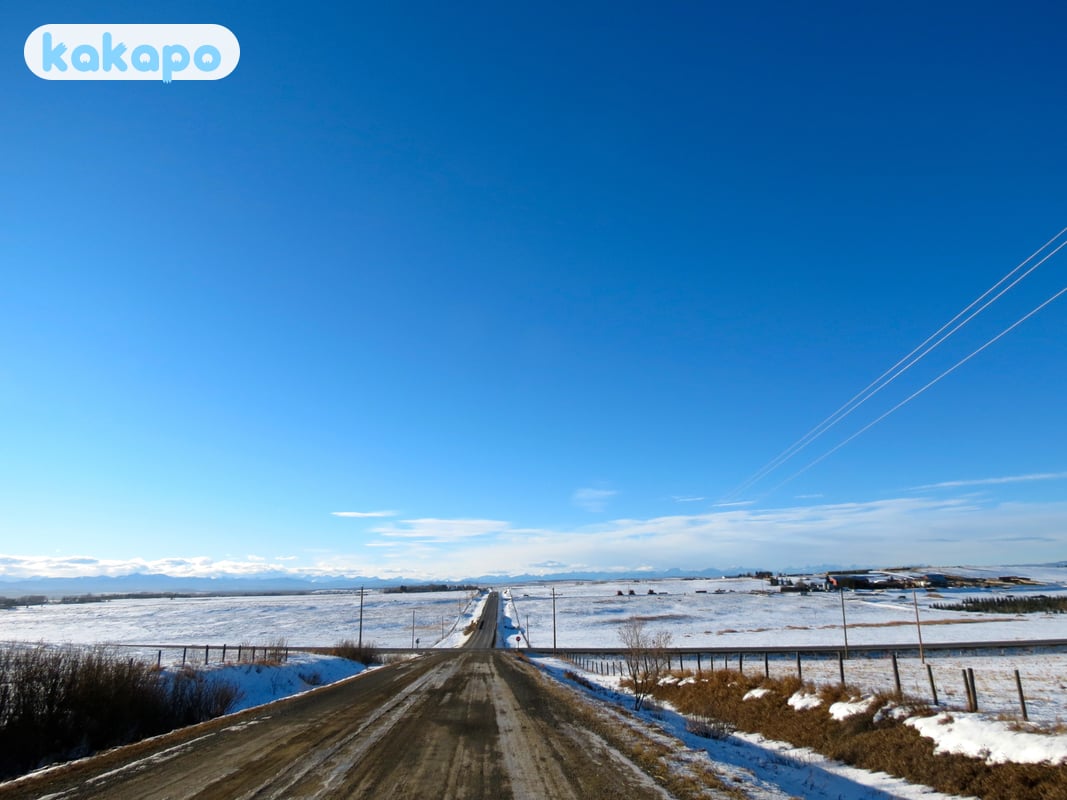
- Highway 1 (Trans-Canada) Calgary to Banff: 130 km, ~90 min in good weather.
- Winter driving: snow chains/winter tyres legally required Nov 1 - April 30 on parts of Highway 1.
- Wildlife on roads: deer, elk, bears, wolves cross Highway 1. Don't drive at speed at dusk/dawn. Wildlife crossings (overpasses) reduce but don't eliminate.
- Parks Canada pass: required to enter Banff NP. ~CAD $11/adult/day or $22.25/family. At the gate or buy in advance.
- Calgary Airport (YYC): pre-booked shuttle CAD $80-130 (Brewster, Banff Airporter). Drive yourself with rental for full flexibility.
Transport in town and around

- Roam Transit: regional shuttle. Banff townsite Local routes are free. Routes to Lake Louise + Moraine require pre-booked tickets.
- Walking: Banff townsite is fully walkable.
- Banff Gondola: 8 min ride to Sulphur Mountain summit (2,281 m). CAD $69 adult.
- Bicycle rentals: in town. Useful in summer.
- Rideshare: limited; some Uber. Taxis available.
Money, food, the cost story
- Currency: Canadian dollar (CAD).
- Cards: universal.
- Tipping: 18-20% restaurants; $5-10/day for housekeeping.
- Tax: GST 5% (Alberta has no provincial sales tax — uniquely cheap by Canada standards).
- Cost: Banff is expensive — small town + high demand. Hotels CAD $300-700/night summer/peak winter; $200-400 shoulder.
- Tap water: excellent.
- Local food: bison, Alberta beef, maple. The Bison, Park Distillery, The Maple Leaf are popular.
Neighbourhood-by-neighbourhood breakdown
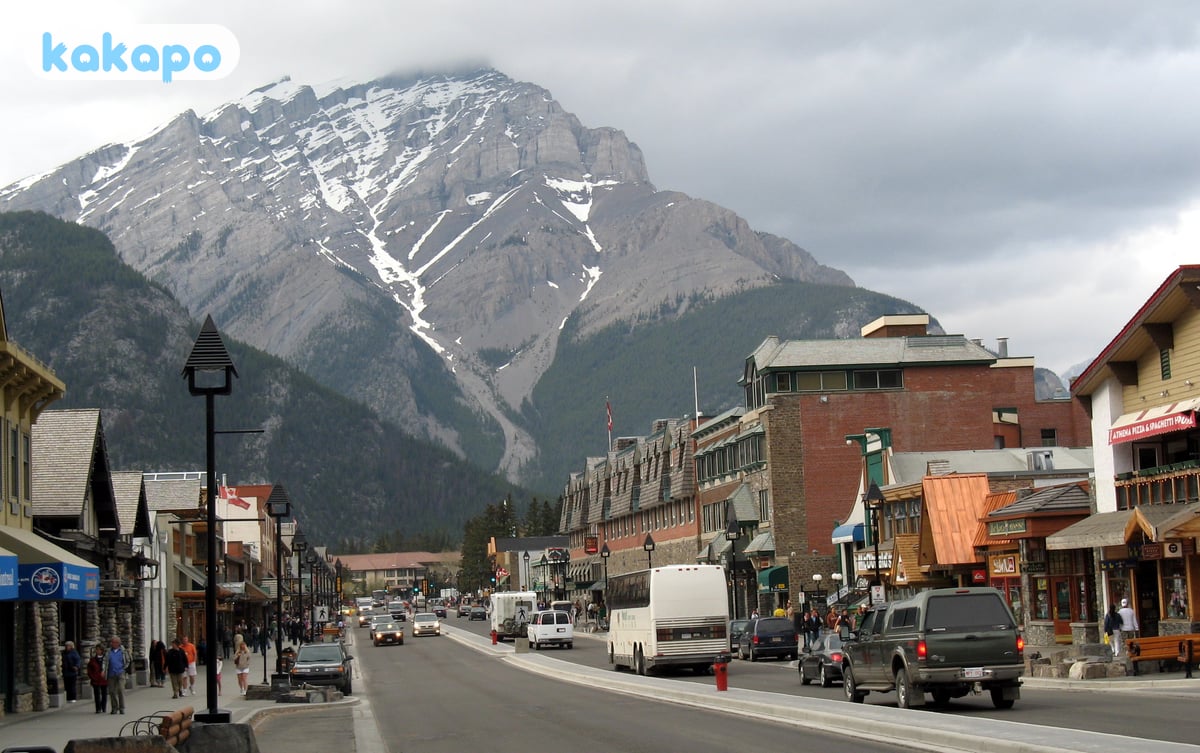
- Banff Townsite — the 4km² visitor envelope at the bottom of the valley (1,383m). Banff Avenue is the main commercial spine with hotels, restaurants, the Fairmont Banff Springs at the southern end. Population ~9,000 (residency-restricted). Walkable; elk routinely wander through. Calm and very low-crime; the night risk is wildlife and ice, not people.
- Banff Avenue + the commercial strip — restaurants, gear shops (MEC for bear spray rental), the Banff Park Museum, the Whyte Museum. Most visitor logistics happen here. Roam Transit Local routes inside the townsite are free.
- Lake Louise (45 min north-west) — the iconic turquoise glacial lake at 1,750m. Chateau Lake Louise hotel directly on the water; canoe rental CAD $145/hour for 2-person; the lakeshore trail 1km easy. Parking lots fill by 6am summer days — use Roam Transit shuttle (pre-book at parkscanada.gc.ca, sells out 1-3 days ahead).
- Moraine Lake — 15 min past Lake Louise, the other iconic turquoise lake at 1,884m. Closed to private vehicles since 2023 — access only via Roam Transit shuttle (pre-book) or licensed tour operators. The early-morning Rockpile viewpoint shot is the "Twenty Dollar View" once on the Canadian $20 bill. Lake water 4-8°C even summer.
- Sulphur Mountain + Banff Gondola — 8-minute gondola ride from the lower station (5km south of townsite) to the 2,281m summit. CAD $69 adult. Upgraded boardwalks 2024. The hike up is 5km switchbacks (free, 2-3 hours) with the gondola ride down free if you walked up. Banff Upper Hot Springs are at the gondola base (CAD $17).
- Banff Avenue + the bear-and-elk reality — elk routinely walk Banff Avenue, especially fall (rut, September-October) and spring (calving, May-June). Bull elks in rut and cows with calves injure tourists every year; stay 30+ metres away. Black bears occasionally move through the townsite at night; bear-jam etiquette (stay in your car) applies on roads.
- Roam Transit + getting around — Roam's regional shuttle is the lifeline. Banff townsite Local routes are free. Routes to Lake Louise + Moraine require pre-booked tickets (CAD $10-25 round-trip). Routes to Canmore and Lake Minnewanka run hourly in season.
- Calgary YYC rail + road connection — Highway 1 (Trans-Canada) Calgary-Banff is 130km, ~90 min in good weather. Brewster, Banff Airporter, Pursuit Banff Express run pre-booked shuttles CAD $80-130 one-way. There's no commuter rail; the proposed Calgary-Banff passenger rail project remains years out. Rental car gives most flexibility; winter chains/snow tires required Nov 1-Apr 30 on parts of Highway 1.
- Bear-aware trails reality — the easier valley-bottom trails (Bow Falls, Johnston Canyon icewalk, Lake Louise lakeshore) have routine bear sightings. Carry bear spray accessible on the hip (not buried in a pack), know how to use it, hike in groups of 4+ in grizzly territory, make noise. Black bear → fight back; grizzly → play dead unless attack is sustained.
- Stay aware — there are no specific tourist no-go areas in Banff. The real risks are wildlife (elk in townsite, bears on trails), ice on cobbles in winter, hypothermia at altitude, and the Highway 1 drive in snowstorms.
If it's your first time visiting
- Best arrival: fly into Calgary International (YYC), 130km east. Pre-booked shuttle CAD $80-130 one-way (Brewster, Banff Airporter, Pursuit Banff Express, On-It transit); rental car CAD $80-150/day plus gas gives the most flexibility for day trips. Highway 1 drive is ~90 min in good weather; allow 2-3 hours in winter snowstorms. Don't fly into Edmonton — it's 4 hours north and the wrong city.
- Pre-book the Parks Canada Pass: required at all park gates. CAD $11/adult/day or $22.25/family, or the CAD $75.25 annual Discovery Pass (worth it for 7+ days or multiple-park visits). Buy at parkscanada.gc.ca in advance or at the gate.
- Pre-book Moraine Lake + Lake Louise shuttles: Moraine Lake road closed to private vehicles since 2023 — Roam Transit shuttle (CAD $24 round-trip) at parkscanada.gc.ca, sells out 1-3 days ahead in summer. Lake Louise parking fills by 6am; shuttle is the practical answer. Don't accept unofficial "private tour" offers — book Parks Canada or a licensed operator.
- Best neighbourhood for your first night: Banff Avenue hotels for walking access to restaurants and the gondola/hot-springs shuttle (Banff Park Lodge, Mount Royal Hotel, Elk + Avenue, CAD $250-450 shoulder, $400-700 peak). Fairmont Banff Springs (CAD $500-1,500) for the castle-hotel splurge. Lake Louise village hotels (Chateau Lake Louise CAD $700-1,500) if you want direct lake access at sunrise.
- Bear spray on every hike: rentable at MEC and outdoor shops in town (CAD $10-15/day) or buyable CAD $50-70. Carry accessible on the hip, not buried in your backpack. Know how to use it (safety clip, downwind, 5-7 metres). Don't fly with it — leave with the rental shop or check at the airport.
- Wildlife etiquette in townsite: elk in fall rut (September-October) and cows with calves in spring (May-June) injure tourists every year. Stay 30+ metres from any elk; 100+ metres from any bear. Don't approach for "the photo". If a bear is in town, Parks Canada has hazing protocols — let them work.
- Food beyond Banff Avenue tourist menus: The Bison (1st St upstairs) for bison short rib (CAD $45); Park Distillery for the distillery-and-grill (CAD $25-40 mains); The Maple Leaf for the upscale Canadian classics (CAD $50+ mains); Three Ravens at the Banff Centre for the underrated view; Eddie Burger Bar for the casual CAD $20 version; Tim Hortons for the actual Canadian-coffee-and-donut moment (everyone does it).
- Winter driving Highway 1: snow chains or winter tires legally required Nov 1-Apr 30 on parts of Highway 1. Rental cars in Calgary come with winter tires Nov-Apr (verify). Whiteout conditions close the road; check 511 Alberta before departing. Don't drive at speed at dusk/dawn — wildlife (deer, elk, bears) crosses the highway and wildlife-vehicle collisions are common.
- Common rookie mistakes: arriving without a Parks Canada Pass; trying to drive to Moraine Lake (road closed to private vehicles since 2023); ignoring the elk in townsite as "tame deer" (they kick and gore); leaving food in a car overnight at trailheads (bear break-ins); booking "Banff" hotels that turn out to be Canmore (20 min east, outside the park — cheaper but no townsite walkability); winter driving without chains/snow tires and being stopped; underestimating altitude on day-one hikes.
Practical info — emergency numbers
- Emergency: 911.
- RCMP non-emergency: 403-762-2226.
- Banff Mineral Springs Hospital ER: 403-762-2222.
- Parks Canada Dispatch (wildlife/emergency): 403-762-1470.
- Avalanche Canada: avalanche.ca (daily forecast).
Bring: layered clothing year-round, sturdy hiking shoes, bear spray (rentable in town), winter gear if Nov-April, sunscreen + sunglasses, an unlocked phone (Bell, Rogers, Telus or eSIM), a contactless card, and US-valid travel insurance with full medical coverage.
Frequently asked questions
Is Banff safe to visit in 2026?
Yes — Banff is one of the safer Canadian tourist destinations. The town itself is small, walkable, and very low-crime; both the US State Department and the UK FCDO list Canada at Level 1. The realistic risks are environmental: black bears and grizzlies are present in the park and elk routinely walk through the townsite, winter brings serious cold and avalanche risk on backcountry routes, Highway 1 from Calgary becomes hazardous in snowstorms, and the moderate altitude (1,383 m at the townsite, over 2,000 m at popular summits) catches some visitors out on day one. Parks Canada rangers are visible, well-informed, and worth listening to.
Is Banff safe at night?
Yes — the townsite is genuinely calm and crime against tourists is essentially zero. The night-time hazards are wildlife and ice rather than people: elk are most active at dawn and dusk and bull elk in fall rut or cows with calves in spring are aggressive — give them at least 30 metres, even on Banff Avenue. Don't walk forested trails alone after dark; black bears do move through. The Banff bar scene around Banff Avenue stays civilised by ski-town standards; police presence is visible during weekend nights.
Is Banff safe for solo female travellers?
Yes — Banff ranks among the safer mountain-town destinations globally for solo female travel. The hostel and adventure-tour culture means you'll find group hikes, ski lessons and shuttle company easily. The genuine risks (wildlife, weather, avalanche on backcountry, altitude) are non-gendered. Carry bear spray accessible on the hip, not buried in a pack, on any hike, and tell someone your plan if you go beyond Johnston Canyon or the lakeshore walks.
Can you drink tap water in Banff?
Yes — Banff tap water is treated by the town to Alberta and Parks Canada standards and is genuinely excellent. It is safe everywhere in the townsite and in Lake Louise village. Restaurants offer it free with meals. Lakes and streams in the park, however turquoise and inviting, are glacial (4-8°C even in summer) and untreated — don't drink from them, and don't fall in.
What's the biggest scam to avoid in Banff?
Banff has no significant scam culture but it does have over-tourism pressure. The recurring practical traps are unofficial Moraine Lake "private tour" offers since the road closed to private vehicles in 2023 — book the Parks Canada Roam Transit shuttle directly at parkscanada.gc.ca (sells out 1-3 days ahead) or use a licensed tour operator. Bear-spray rentals in town are legitimate at MEC and outdoor shops; very expensive bear-spray sales at unlicensed kiosks are not. And don't forget the Parks Canada Pass (CAD $11/adult/day) — required to enter the park, sometimes assumed to be optional by visitors.
What do I do if I see a bear?
Don't run. Stop, stay calm, make yourself look big by raising your arms or jacket, and speak in a low calm voice so the bear identifies you as human. Back away slowly the way you came; never get between a sow and her cubs. If charged, stand your ground — most bear charges are bluffs. If actually attacked, the response differs by species: fight back hard against a black bear, especially targeting the face and nose; play dead face-down with hands covering your neck against a grizzly unless the attack is sustained, in which case fight back. Carry bear spray accessible on your hip (not in a backpack) on every hike, know how to use it, and check Parks Canada trail-condition postings before setting off. Bear-jam etiquette: if you see one from a car, stay in the car.
Sources
Run a business in Banff?
Show visitors your Banff business is a safe choice. The free Verified by Kakapo badge puts Banff's live safety score on your website, links back to your verified page, and updates itself. No cost.
Get the free badge →