


Is Scottsdale (Tasmania), Australia Safe? A 2026 Travel Safety Guide
NE Tasmania farming town, the Bridestowe Lavender Estate, the Tasman Highway, the Bay of Fires day trip, and the realistic risks of remote rural Tasmania.

Important disambiguation: this is Scottsdale, the small farming town in north-east Tasmania, Australia — not Scottsdale, Arizona. Tasmanian Scottsdale (~2,000 residents) is the main service centre for NE Tasmania's farming country. It's overwhelmingly safe; the realistic concerns are rural Tasmanian driving (winding roads, heavy wildlife, log trucks), the very thin services after dark, and the changeable Tasmanian weather. There's no urban-style crime to speak of.
The honest framing: visitors come to this Scottsdale almost entirely for the surrounding region — the Bridestowe Lavender Estate (one of the world's largest lavender farms, peak bloom mid-Dec to mid-Jan), the Bay of Fires (1h drive east, world-famous orange-lichen coast), the Mount William National Park, and the Tasman Highway drive itself. The town has a few cafés, a pub or two, accommodation, a supermarket, and basic services. It's a base, not a destination.
The thing that catches first-time visitors most off-guard is how empty and how quiet this part of Tasmania is. NE Tasmania has roughly 25,000 people across an area the size of Cyprus; logging trucks and farm utes outnumber tourist cars on the A3 Tasman Highway; mobile signal disappears in valleys; petrol stations close 18:00-20:00 and there are stretches of 60+ km without one. The Tasman Highway runs from Launceston (Tasmania's second city, 1h SW) through Scottsdale and over the Weldborough Pass to the east coast at St Helens (gateway to Bay of Fires) — and the drive itself is one of the great underrated Australian road trips, all spotted-gum forest, granite tors and wallaby crossings. Launceston Airport (LST) is the practical gateway.
| Night safety | 84/100 |
|---|---|
| Scam / petty-crime risk | Low |
| Violent crime (tourists) | Low |
| Safer neighbourhoods | Scottsdale town centre, Bridestowe, Derby |
| Data sources cited | 4 |
| Last verified |
What the score means — 87/100
- Personal safety (92) — extremely low crime; rural Tasmania is very safe.
- Healthcare (80) — Scottsdale Hospital handles minor presentations; Launceston General Hospital is the regional A&E (1h drive).
- Transport (72) — limited bus + no train; a hire car is essential.
- Air quality (92) — exceptional rural air.
Bridestowe Lavender Estate

- What: large working lavender farm, ~265 acres of lavender rows; 15 min drive west of Scottsdale.
- When: peak bloom mid-December to mid-January. Open year-round but most photogenic in this window.
- Entry: ~AUD $20 in flowering season; less off-season.
- Famous "Bobbie the Lavender Bear": lavender-scented teddies are the iconic souvenir.
- Crowds in peak season: book ahead; busloads from Launceston. Photography drones are restricted — check rules.
Day trips — Bay of Fires + east coast
- Bay of Fires: ~1h drive east — orange-lichen rocks, white sand, turquoise water. Binalong Bay, The Gardens.
- Mount William National Park: ~1h NE — Eddystone Point lighthouse, beaches, wombats and wallabies.
- Pyengana: 30 min east — St Columba Falls, the Pub in the Paddock (where you can buy a beer for the resident pig).
- Derby: 30 min east — world-class mountain-biking trail network. Bike rental in Derby.
- Launceston: 1h SW — second-biggest Tasmanian city, Cataract Gorge, James Boag's brewery.
Driving NE Tasmania — wildlife is the real risk
- Hire car essential: pick up at Launceston Airport (~1h drive). Public transport will not realistically get you to Bay of Fires, Bridestowe, etc.
- Wildlife: Tasmania has the highest road-kill rate of any state — wallabies, wombats, possums, devils. Avoid driving dawn / dusk / night where possible. Slow right down if you must.
- Roads: Tasman Highway (A3) is good main road; secondary roads (Bridestowe access, Bay of Fires connectors) are narrow with curves.
- Log trucks: NE Tasmania is forestry country — give wide berth on rural roads.
- Weather: Tasmania can switch from sun to rain to fog rapidly; check before driving mountain stretches.
- Drink-driving: 0.05% limit; Tasmanian police breath-test heavily.
Wildlife + walks — what to expect
- Common: wallabies (Bennett's, pademelons), wombats, possums, echidnas. Best seen at dusk — but stay in vehicle if driving.
- Tasmanian devils: rare in the wild here; visit Trowunna Wildlife Sanctuary (Mole Creek, 2h) or East Coast Natureworld.
- Snakes: tiger + copperhead snakes are venomous. Wear long trousers + sturdy boots when bushwalking. They avoid people.
- Jacks (jack jumper ants): NE Tasmania has these — sting can cause severe allergic reactions in some. Watch where you sit.
- Tell someone your plan for any longer bushwalk. Phone signal is patchy.
Money, food, the cost story
- Currency: Australian dollar (AUD).
- Cards: contactless is universal even in small cafés; carry AUD $20-50 cash for backup.
- Tipping: not expected; round up for good service.
- Cost: hotels/cabins AUD $130-220/night; cottages and farmstays popular.
- Tap water: safe.
- Local food: pub meals at the Lord's Hotel; fresh dairy + cheese (Pyengana Dairy nearby); Tasmanian whisky and craft beer.
- Mobile signal: patchy outside town — Telstra has best rural coverage.
Scottsdale, the NE Tasmania surrounding area, and Launceston adjacency
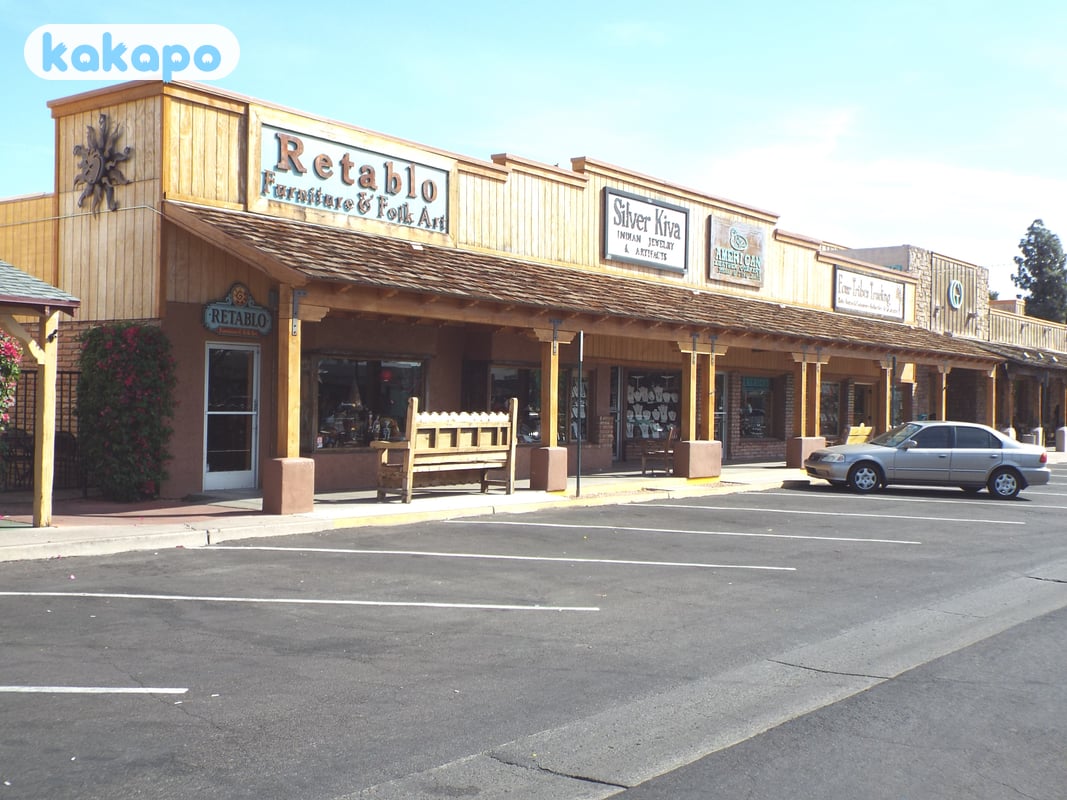
- Scottsdale town centre — population ~2,000; the King Street main strip with a few cafés (Cottage Bakery, the Town Square Café), the IGA supermarket, the Lord's Hotel and Scottsdale Hotel pubs, the post office, the local Dorset Council building. Walkable end-to-end in 10 minutes. Petrol stations close 18:00-20:00.
- Bridestowe Lavender Estate (10 min north-west) — one of the world's largest commercial lavender farms; ~265 acres of lavender rows, peak bloom mid-December to mid-January. Entry AUD 15-25 in flowering season, less off-season. The "Bobbie the Lavender Bear" shop and a café. Crowds in peak season — book ahead.
- Tasman Highway (A3) — the main east-west road through NE Tasmania; Launceston-Scottsdale-Weldborough Pass-St Helens. Winding, hilly, notorious for log-truck overtakes and wildlife on the road. Wallabies, wombats, possums, and Tasmanian devils all routinely on the verges; Tasmania has Australia's highest roadkill rate. Avoid driving dawn / dusk / night.
- Derby (30 min east) — small former tin-mining town turned world-class mountain-biking destination; Blue Derby trail network has put the town on the international MTB map. Bike rental, hostel and pub. Worth a day stop on the Scottsdale-St Helens drive.
- Pyengana (30 min east) — St Columba Falls (Tasmania's highest), the Pub in the Paddock (where the resident pig drinks beer — a real and very Tasmanian roadside oddity), Pyengana Dairy Company (cheese tasting).
- Bay of Fires (1h east) — the 50 km coastline of white sand and orange-lichen-covered granite boulders that consistently ranks in lists of the world's best beaches; Binalong Bay, The Gardens, Cosy Corner camping. Self-drive only.
- Mount William National Park (1h NE) — Forester kangaroo populations, Eddystone Point lighthouse, dark-sky stargazing. Quiet and remote.
- Launceston (1h SW) — Tasmania's second-biggest city (~67,000); Cataract Gorge, the James Boag's Brewery, Queen Victoria Museum, Stillwater restaurant. The practical urban base most international visitors fly into.
- Launceston Airport (LST) — Tasmania's second airport; direct flights from Melbourne, Sydney, Brisbane. Rent a car here for the Scottsdale-Bay-of-Fires loop. Hobart Airport (HBA) is 3h south by car — typically only worth it if combining with southern Tasmania.
- Scottsdale Hospital — handles minor presentations only; Launceston General Hospital (1h SW via the A3) is the regional A&E for anything serious.
- This is NOT Scottsdale Arizona — the famous Phoenix-area resort city with golf, spas, "old town" boutique shopping, and a metro population of 250,000+ is a completely different place. If your booking shows Tasmania, Dorset Council, or the postcode 7260, you are in this one.
If it's your first time visiting
- Best arrival airport: Launceston (LST) — direct flights from Melbourne, Sydney, Brisbane. Rent a car at the airport (Avis, Budget, Hertz, Europcar) — public transport will not realistically get you to Scottsdale, Bay of Fires or Bridestowe. Drive Launceston-Scottsdale is 1h via the A3 Tasman Highway.
- Public transport: very limited. Tassielink runs buses Launceston-Scottsdale-St Helens but infrequent (1-2 per day) and unsuited for the Bridestowe / Bay of Fires day-trip pattern. Rent a car.
- Best base for your first trip: Scottsdale itself (the Lord's Hotel, cottages on Airbnb, Anabel's of Scottsdale) if you want the local-rural base; St Helens (1h east) if you want to be at Bay of Fires; Launceston if you want urban amenities and day-trip out.
- Day 1, jet-lag friendly: drive Launceston-Scottsdale, visit Bridestowe Lavender Estate (10 min NW of Scottsdale), lunch at the Lavender Café, drive on to Derby for the mountain-biking village viewing, pub dinner at the Scottsdale Hotel. Most international visitors do Launceston-Scottsdale-Bay of Fires as a 3-4 day NE Tasmania loop.
- Common rookie mistakes: driving dawn / dusk / night without slowing for wildlife (Tasmania has Australia's highest roadkill rate — wallabies, wombats, Tasmanian devils all routinely on the road), assuming petrol stations are open after 18:00 (they're not — refuel before leaving town), expecting mobile signal across rural NE Tasmania (it drops out in valleys; Telstra is the best rural carrier), turning up at Bridestowe without booking in peak Dec-Jan bloom season, underestimating Tasmanian weather (changeable in any season — pack waterproof layers even in summer).
- Currency and tipping: Australian dollar (AUD). Cards / contactless universal even at small Scottsdale cafés; carry AUD $20-50 cash backup. Tipping is not expected — round-up at restaurants. GST 10% included in displayed prices.
- Wildlife on the road is the real risk — drive 10-20 km/h under the limit at dawn / dusk if you can't avoid those windows. If a wallaby bounces in front, brake straight — don't swerve into the verge or oncoming logging trucks.
- Telstra SIM for best rural coverage — Optus and Vodafone drop out in NE Tasmania valleys; Telstra works in most populated areas. SIM at Launceston Airport ~AUD $30 for 28 days with data.
- Book accommodation 1-2 months ahead Dec-Feb — Bridestowe bloom season (mid-Dec to mid-Jan) sells out everything for 50 km. Off-season (April-October) you'll find rooms walk-in.
- Snake awareness — tiger and copperhead snakes are present in NE Tasmania bush; wear long trousers and closed shoes on Bouddi-style bush walks, stay on paths, give wide berth if you see one. They avoid people. Jack jumper ants in the bush sting badly and can cause severe allergic reactions in some — watch where you sit at picnic spots.
Practical info — emergency numbers
- Emergency (police, fire, ambulance): 000.
- From mobile: 000 or 112 also works.
- Police non-emergency (Scottsdale): 03 6352 0500.
- Scottsdale Hospital: 03 6352 9500.
- Launceston General Hospital A&E: 03 6777 6777.
Bring: warm + waterproof layers (Tasmanian weather is changeable any season), sun protection (high UV), comfortable walking boots, an Australian-roaming phone (Telstra preferred for rural NE Tasmania), a contactless card with cash backup, and travel insurance with car-rental excess cover.
Frequently asked questions
Is Scottsdale (Tasmania) safe to visit in 2026?
Yes — Scottsdale Tasmania scores 88/100 here. (Disambiguation: this is the 2,000-person NE Tasmania farming town, not Scottsdale Arizona.) Australia sits at the lowest Smartraveller advisory tier. Crime against visitors is essentially nil — it's a small, tight-knit Tasmanian rural community. The real risks are environmental: the Tasman Highway (A3) is a winding, hilly road notorious for log-truck overtakes, wildlife on the road (Tasmanian devils, wallabies, wombats — Tasmania has Australia's highest roadkill rate), and changeable weather. Services thin out fast after dark — petrol stations close 18:00-20:00, most cafés by 16:00.
Is Scottsdale safe at night?
Yes — the town is quiet and there's no urban-style crime. Pubs (the Scottsdale Hotel, the Lords Hotel) stay open until around 22:00 and the streets are calm. The genuine after-dark risk is driving: dawn and dusk are peak wildlife-collision windows on the A3 to Bay of Fires, A2 to Launceston, and the back roads to Bridestowe Lavender Estate. Don't drive faster than you can stop for a wallaby that bounces out of the verge. There's no late-night public transport; Uber doesn't operate here. If you're staying outside town, plan to be back at your accommodation before sunset.
What scams should I watch out for in Scottsdale?
Almost none — small-town rural Tasmania has effectively no tourist scam economy. The closest things are inflated 'free wildlife tour' or 'lavender VIP' add-ons sold by some unaffiliated operators near Bridestowe; the official Bridestowe Lavender Estate is the only legitimate operator on site. ATM-skimming is rare; use the Commonwealth or ANZ machines in town centre. Always pay in AUD rather than your home currency on card terminals (DCC is 5-10% worse). The Australian Tax Office never phones to demand immediate payment — that's a scam.
Can you drink tap water in Scottsdale?
Yes — Scottsdale tap water is drawn from the Dorset Council supply (mostly the Tonganah area catchments), treated by TasWater to Australian Drinking Water Guidelines, which are among the strictest globally. It's drinkable straight from the tap throughout town. Some rural accommodations outside the town centre use rainwater tanks or springs; that water is generally fine if it's been properly filtered and is being actively used, but check with the host. Carry a refillable bottle for the Bay of Fires day trip — the public taps at St Helens and Binalong Bay are also TasWater-supplied and safe.
What's actually worth visiting around Scottsdale?
Three things, all worth the drive. Bridestowe Lavender Estate (10 minutes northwest) is one of the world's largest commercial lavender farms — the bloom peaks mid-December to mid-January and is genuinely extraordinary, with the famous lavender-bear shop and a café; entry AUD 15-25 in peak season, book ahead, the photo crowds at sunrise are real. Bay of Fires (1 hour east) is a 50-km coastline of white sand and orange-lichen-covered granite boulders that consistently ranks in lists of the world's best beaches; Binalong Bay and the Gardens are the main access points. Mount William National Park (1.5 hours) has Forester kangaroo populations and dark-sky stargazing. Most travellers do Launceston-Scottsdale-Bay of Fires as a 3-4 day NE Tasmania loop.
Sources
Run a business in Scottsdale?
Show visitors your Scottsdale business is a safe choice. The free Verified by Kakapo badge puts Scottsdale's live safety score on your website, links back to your verified page, and updates itself. No cost.
Get the free badge →