


Is Sydney, Australia Safe? A 2026 Travel Safety Guide
Beach rip currents, summer heat, jet-lag driving, and the realistic visitor risks of one of the world's safer mega-cities.

Sydney is one of the safest mega-cities in the world for crime, and the realistic visitor risks are physical: rip currents at unguarded beaches (Australian beaches kill 100+ swimmers per year, the majority overseas visitors who underestimate the surf), summer heat (40°C+ heatwaves now routine), jet-lag-related driving accidents, and the few specific Kings Cross / Oxford Street late-night incidents.
Both the UK FCDO and the US State Department list Australia at their lowest advisory level. Crime against tourists is uncommon. Australian wildlife (sharks, snakes, spiders) makes news but the realistic urban-tourist risk is essentially zero — bush and ocean situations are different.
The honest framing for first-time Sydney visitors: the city is genuinely calm and orderly. The famous "drop bears" don't exist. The famous spiders do but live in places you won't be. The only realistic urban danger is the harbour ferry that you'll regret not taking enough times.
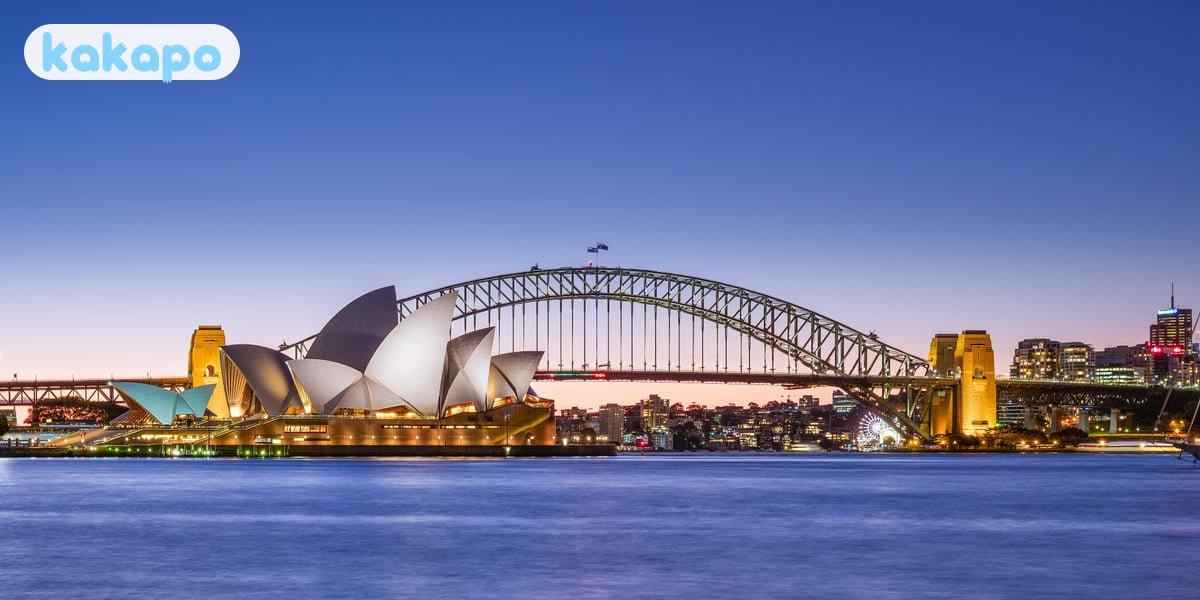
What surprises most first-time visitors is the geography. Sydney is built around a deeply-fjorded harbour and a 70-kilometre stretch of ocean beaches; you can't actually walk between the Opera House, Bondi, and Manly the way the postcard makes it look. Allow real transit time — at least 20 minutes by ferry from Circular Quay to Manly, 25 minutes by bus or train to Bondi Junction then 10 more by bus to the sand. Sydneysiders are casually friendly, dress more relaxed than European visitors expect (singlet and thongs/flip-flops in the CBD on a 35°C day is normal), and absolutely will judge anyone who calls the city a "town".
In 2026, the practical changes worth knowing: the Sydney Metro City & Southwest line is now fully open from Tallawong to Sydenham via Barangaroo and Martin Place, giving you a 6-minute Chatswood-to-Barangaroo run; the Australian Travel Declaration was scrapped in 2023, but you still need an ETA/eVisitor visa before flying; the famous Kings Cross lockout laws have been wound back and the strip is slowly waking up again; and the federal government's 2024 ban on under-16 social media is interesting trivia but doesn't affect tourists. Bushfire and flood risk has trended worse — check the NSW RFS map before any Blue Mountains day-trip in summer.
| Night safety | 81/100 |
|---|---|
| Scam / petty-crime risk | Medium |
| Violent crime (tourists) | Low |
| Most common scams | pickpocketing at Circular Quay; pickpocketing at the Opera House forecourt; pickpocketing on busy summer-festival days |
| Safer neighbourhoods | The Rocks, Sydney CBD, Surry Hills |
| Data sources cited | 4 |
| Last verified |
What the score means — 86/100
- Healthcare (92) — Australian universal healthcare (Medicare) plus excellent private. Royal North Shore, St Vincent's, Royal Prince Alfred all major emergency hospitals.
- Personal safety (90) — high. Crime against tourists is rare; pickpocketing concentrated at Circular Quay, the Opera House forecourt, and on busy summer-festival days.
- Transport (88) — Opal card covers ferries, trains, buses, light rail. Modern, reliable.
- Night (84) — Sydney CBD, Surry Hills, Bondi are alive late and policed. Kings Cross has gentrified but a few late-night clubs draw the rougher crowd.
Beach rip currents — the actual #1 risk
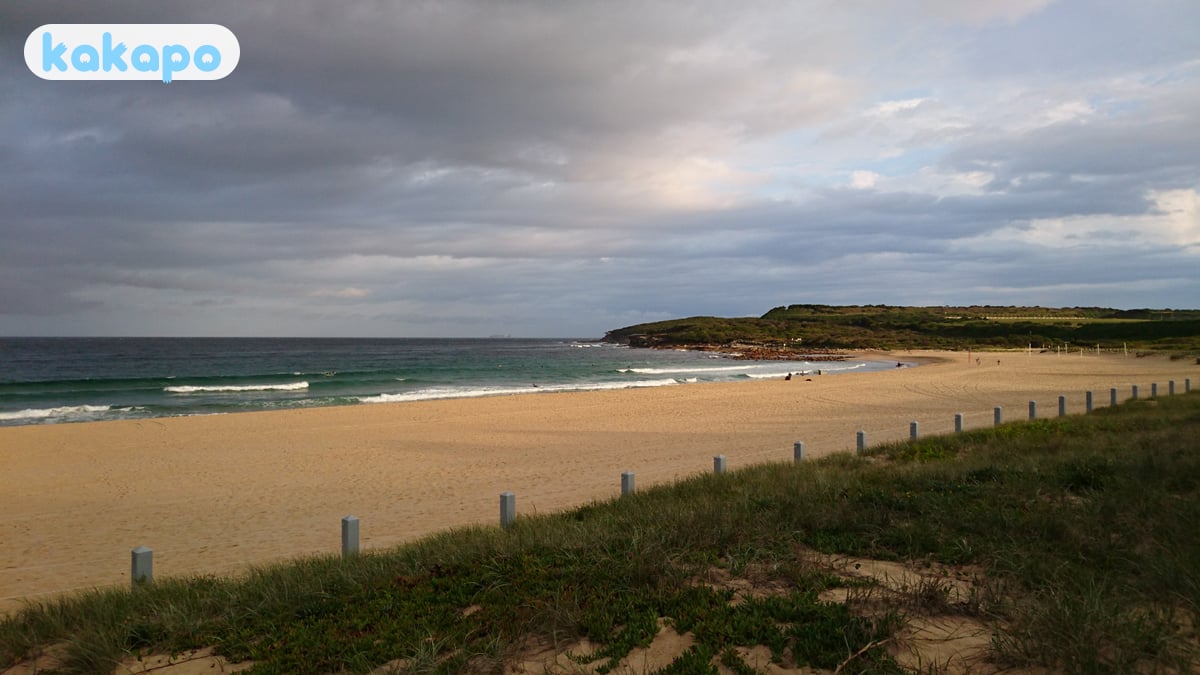
Australian beach drownings disproportionately affect overseas visitors. Surf Life Saving Australia data: ~100 coastal drownings per year nationally, ~30% involving overseas tourists.
- Always swim between the red-and-yellow flags. Lifeguards put them where the rip is weakest. Outside the flags, you're on your own.
- Bondi, Manly, Coogee, Bronte, Tamarama: lifeguarded in season (Sep-May). Always swim within marked zones.
- If caught in a rip: don't swim against it. Swim parallel to shore until out of the current, then in. Or float and signal for help.
- Summer beach crowds: pickpocket-active at Bondi. Don't leave valuables on the sand.
- Sharks: incidents are rare. Beach nets and patrols are standard at major beaches.
- Bluebottles (jellyfish): routine sting on Sydney beaches. Painful, not fatal. Vinegar / hot water (40-45°C, 20 min) at lifeguard tower.
Areas — where to stay, where to be aware
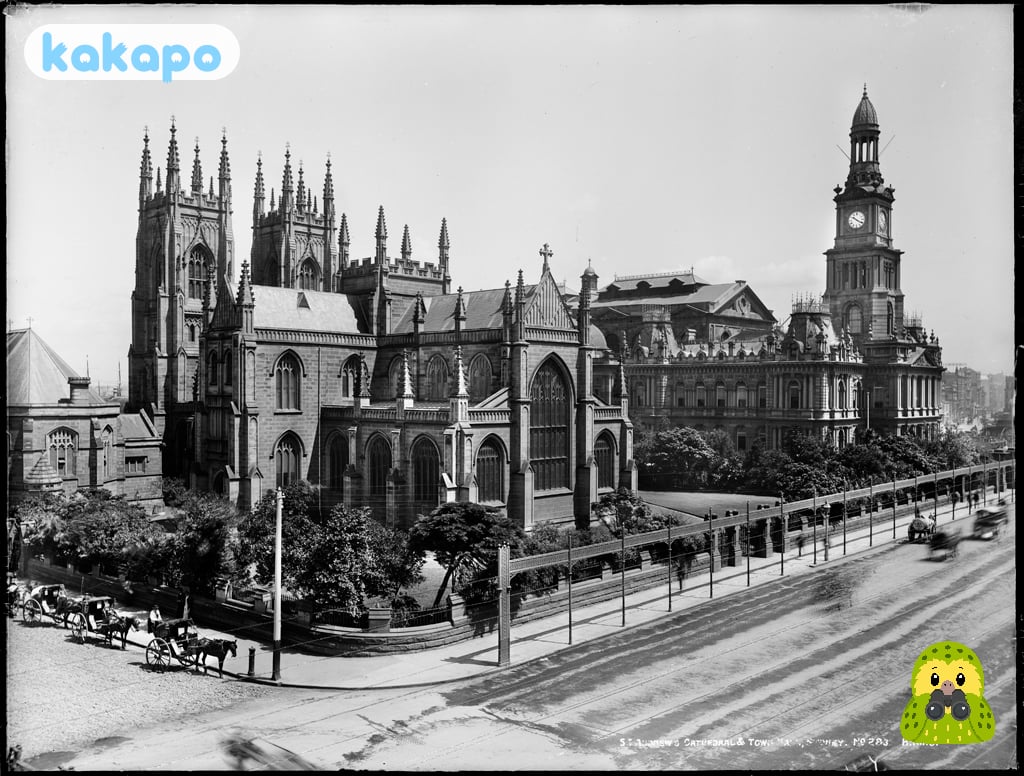
Recommended for visitors: The Rocks / Circular Quay (Opera House, Harbour Bridge), CBD, Surry Hills (gastronomic, lively), Newtown (eclectic, very safe), Bondi and the eastern beaches, Manly (ferry trip, beach), Paddington (terrace houses, Saturday markets), Mosman / North Sydney (residential, leafy).
Lively, post-pub aware: Kings Cross — the historic seedy strip, much gentrified since 2014 lockout laws but still has occasional aggressive drunks late. Oxford Street (Darlinghurst) — LGBTQ+ nightlife strip, broadly safe but Friday/Saturday rough late.
Visit during the day: Redfern (gentrified central area, fine by day; outer streets at night quieter and the Eveleigh / housing-estate area requires more awareness).
Avoid as a tourist: there are no specific zones tourists should avoid. Outer-western Sydney suburbs have higher reported crime per capita but no tourist relevance.
Heat, storms, bushfires
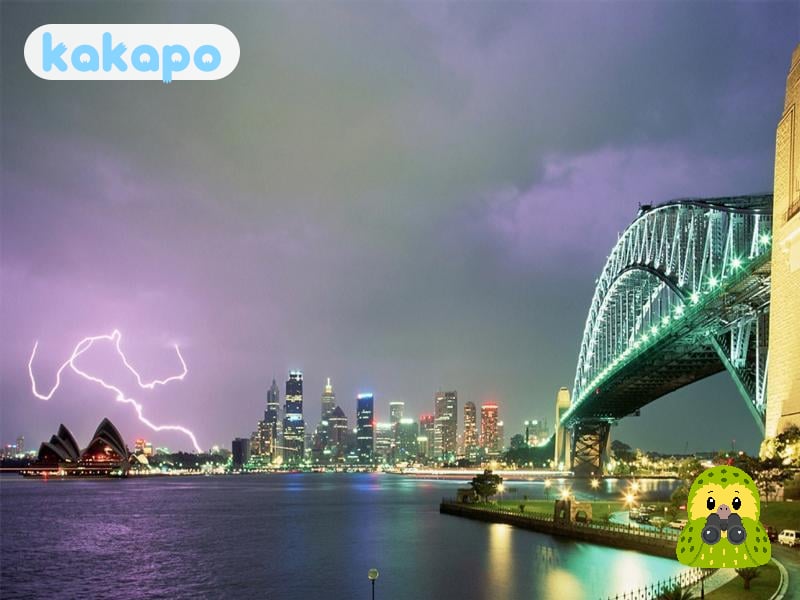
- Summer (December-February): 30-35°C standard, 40°C+ heatwaves several times per summer. UV index 11+ ("extreme") — sunscreen is non-negotiable.
- Bushfire smoke: bad seasons (2019-2020 was historic) bring smoke into Sydney from regional fires. Air quality apps useful; respiratory advisories occasional.
- Sudden storms: the eastern seaboard "southerly buster" can arrive within 30 min — sunny afternoon to lightning storm.
- Winter (June-August): mild (10-18°C), occasional rain. The "shoulder seasons" April-May and September-November are the most pleasant.
Opal, ferries, taxis, the airport
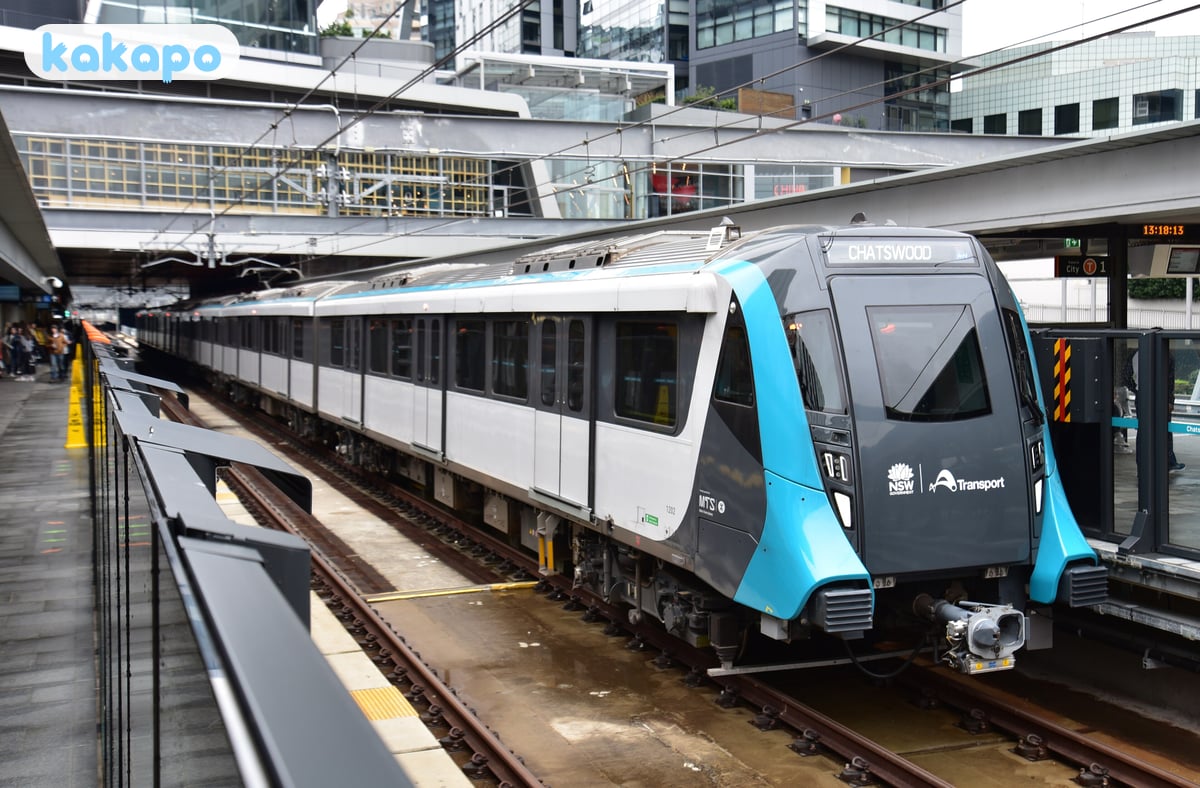
- Opal card (or contactless bank card on tap-readers) covers all public transport: trains, buses, ferries, light rail. Cap at AUD ~$17.80/day.
- Ferries are the most underrated tourist transport. Manly, Watsons Bay, Mosman, Cremorne — all reachable from Circular Quay. Genuine harbour cruise at Opal-card prices.
- Trains: Sydney Trains network is reliable. The airport line is private (NSW Trainlink) and has a $14 station-access fee included on top of the Opal fare.
- Taxis: Sydney's regulated taxi fleet is honest and metered. Uber, DiDi, Ola all work and are usually cheaper.
- Sydney Airport (SYD) to CBD: train ~13 min ($20 with airport surcharge), Uber ~$45-65, taxi ~$50-65.
- Driving: Sydney drives on the left. Right-hand-side-of-road visitors should plan jet-lag carefully — accidents involving foreign drivers cluster on day 1-2.
Wildlife — what's actually a tourist risk
- Urban wildlife: zero realistic risk to tourists in Sydney. Possums and ibis ("bin chickens") are the visible ones.
- Funnel-web spiders: real, dangerous, found in the bush around Sydney. Antivenom available; deaths in modern era are essentially zero. Shake out shoes left outside overnight.
- Snakes: present in Royal National Park, the Blue Mountains. Don't reach into long grass.
- Sharks: incidents are rare, beach nets at the major beaches.
- Kangaroos: rural roads at dawn/dusk — actual road-accident risk. Drive slowly outside the city.
Neighbourhood-by-neighbourhood breakdown
- The Rocks and Circular Quay — the postcard zone: Opera House, Harbour Bridge, the Saturday Rocks Markets. Heavily policed, very safe day and night. Touristy but unmissable.
- Sydney CBD and Barangaroo — business district plus the new harbourfront Barangaroo strip (great restaurants, the Crown Sydney casino tower). Calm, polished, very safe.
- Surry Hills and Darlinghurst — inner-east, hilly terraces, the best restaurant strip in the city (Crown St). Safe day and night; Oxford Street's nightlife gets rowdy late Friday/Saturday but no real danger.
- Newtown and Enmore — inner-west, King Street's mile of cafes, queer-friendly bars, vintage shops. Vibrant, very safe; Newtown gets gritty-feeling around the train station at 02:00 but it's just student-y, not threatening.
- Bondi, Bronte, Coogee (eastern beaches) — flagged beaches, lifeguards, the Bondi-Coogee coastal walk. Daytime fully safe; Bondi gets rowdy with backpacker crowds Friday/Saturday but the police presence is heavy.
- Manly and Mosman (northern harbour) — ferry-only access from Circular Quay. Calm beach suburbs, the Sydney Harbour National Park, the Spit-to-Manly walk. Extremely safe.
- Kings Cross and Potts Point — the historical sleazy strip, now substantially gentrified. Late-night incidents do still cluster around the few remaining strip-clubs but the area is broadly safe and the El Alamein fountain end is a different city.
- Western Sydney (Parramatta, Bankstown, Cabramatta) — culturally fascinating, food-amazing, well outside tourist itineraries. Cabramatta for Vietnamese food is genuinely worth the train trip. Higher reported crime stats in some outer suburbs but no tourist relevance.
If it's your first time visiting
- Best arrival airport: Sydney Kingsford Smith (SYD), 9km from CBD. Airport Link train to Central Station is ~13 minutes for AUD$22.40 (includes the $14 station-access fee). Uber/Didi is AUD$45-65 in 25-40 minutes depending on traffic. Taxi is similar. The 400 bus to Bondi Junction is the budget option but takes an hour.
- Buy an Opal card or just tap a contactless bank card on every train, bus, ferry, and light rail reader. Fares cap at around AUD$17.80/day, AUD$50/week. Single ferry fare to Manly is AUD$8.55 and is the best $8 you'll spend in Sydney.
- Best neighbourhood for your first night: CBD/The Rocks for the postcard convenience, Surry Hills for food, Newtown for indie/young, Manly if you want to wake up at the beach. Avoid booking deep in Bondi if you're only there for 3 days — the commute back to the harbour kills time.
- Day 1, jet-lag friendly: ferry from Circular Quay to Manly (30 minutes each way, AUD$8.55), walk the Spit-to-Manly headland trail, lunch at Manly Wharf, ferry back at sunset for the harbour view. Total cost under AUD$20, total walk 5-7km, ends at the Opera House.
- Common rookie mistakes: swimming outside the red-and-yellow flags at Bondi (the rip is real and Bondi rescuers pull dozens per summer); leaving valuables unattended on the sand (Bondi is the one Sydney location where opportunistic beach theft is reliable); driving on jet-lag day 1 (Sydneysiders drive on the left, the inner-west is a maze of one-way streets, and the M1/M2 tolls are all e-tag — you'll get a bill 6 weeks later); tipping more than 10% (Australian wage floor is high — tipping is for exceptional service, not the default).
- SPF 50+ and a hat are non-negotiable. Australian UV is genuinely the highest of any developed country; a Bondi day in January can burn you in 12 minutes.
- Book the Bridge Climb and Opera House tour in advance. Walk-ups in season are essentially gone; the cheap pre-dawn Bridge Climb slots sell out 3 weeks out.
- Carry your passport or driver's licence for ID — entering most bars after 22:00 requires it, and "passport only" is standard at the bigger clubs.
Practical info — emergency numbers
- Emergency: 000 (police, fire, ambulance) or 112 (mobile).
- Police (non-emergency): 131 444.
- Healthdirect (24h health line): 1800 022 222.
- Royal North Shore Hospital: +61 2 9926 7111.
- St Vincent's Hospital: +61 2 8382 1111.
- Surf Life Saving NSW: lifeguards at every flagged beach.
Bring: SPF 50+ sunscreen, a hat, comfortable walking shoes, an unlocked phone (Telstra, Optus, Vodafone AU prepaid SIMs at the airport), a contactless bank card (works on Opal readers), and travel insurance — Medicare reciprocal applies for some nationalities (UK, NZ, others) but all visitors should have coverage.
Frequently asked questions
Is Sydney safe to visit in 2026?
Yes — Sydney scores 88/100 here and is one of the safest mega-cities in the world. Both the UK FCDO and US State Department list Australia at their lowest advisory level. Violent crime against tourists is uncommon and the realistic risks are physical rather than criminal: rip currents at unguarded beaches (Australian beaches kill around 100 swimmers a year, disproportionately overseas visitors), summer heat (40°C+ heatwaves are now routine), and jet-lag-related driving accidents on the left. Pickpocketing clusters around Circular Quay, the Opera House forecourt and Bondi on busy summer days.
Is Sydney safe at night?
Yes. The CBD, The Rocks, Surry Hills, Newtown, Manly and the eastern beaches are alive late and well-policed. Kings Cross has gentrified dramatically since the 2014 lockout laws were wound back; the strip is slowly waking up again and the few remaining late-night clubs draw the rougher crowd but there's no real danger for visitors who stick to lit streets. Oxford Street (Darlinghurst) is busy and broadly safe. Last train is usually after midnight; otherwise Uber and DiDi are cheap and reliable. The bigger late-night risk is jet-lagged tourists driving the inner-west's one-way maze on day one.
What scam should I watch for in Sydney?
Sydney's tourist-scam economy is genuinely thin compared to European capitals — the realistic catches are mundane. The main one is the M1/M2 toll trap: every Sydney motorway uses e-tag only, no booths, and rental cars get billed automatically six weeks later with admin fees. Confirm your rental's toll arrangement. Beyond that: opportunistic theft on Bondi sand while you swim (use a hotel beach safe), Circular Quay pickpocketing on cruise-ship days, and the airport-line $14 station-access fee that turns a 'cheap train' into a $22.40 ride. Tipping more than 10% is the rookie mistake, not a scam — Australian wages are high.
Can you drink the tap water in Sydney?
Yes — Sydney tap water is among the best-quality municipal water in the world, drawn primarily from Warragamba Dam and meeting strict NSW Health standards. Restaurants will bring it free; ask for 'tap' to avoid the $8 bottle. Carry a refillable bottle around the harbour and the coastal walks. The only water you shouldn't drink is the surf — and even that's clean by global standards, just salty and full of rip currents you should respect.
How do I use the Opal card and Sydney's transport?
You don't actually need an Opal card — just tap any contactless bank card or phone wallet on the readers and you get the same Opal fares, capped at around AUD$17.80/day and AUD$50/week across trains, buses, ferries and light rail. Sydney Trains run the suburban network reliably; the airport line is technically Sydney Trains operated but adds a $14 station-access fee at International and Domestic stops (the 400 bus to Bondi Junction avoids it but takes an hour). The ferries from Circular Quay are the most underrated transport in the city — the AUD$8.55 Manly ferry is the best $8 you'll spend in Sydney, and travel insurance with at least AUD$100,000 of medical cover is the practical minimum for visiting Australia given how high care costs are without Medicare reciprocal arrangements.
Recent travel news for Sydney
All travel news →Sydney Airport under investigation after a fourth air traffic control close call in under a month
Australia's transport safety watchdog is investigating a fourth runway or taxiway conflict at Sydney Airport since late July, after two Qantas jets were given conflicting taxi instructions on 18 August. No one was hurt in the latest event, and the practical risk to travelers is delay rather than danger.
Sydney air traffic controllers warn regulators of collision risk after July airspace redesign
A whistleblower complaint to Australia's transport safety bureau says Sydney controllers have grave concerns about airspace rules introduced on 9 July, and the federal government was notified on 20 August. Flying remains safe; the practical effect for travellers is delay risk at Australia's busiest airport.
Sydney Airport near-miss between Jetstar and Qatar Airways aircraft, second incident in a week amid air traffic control staffing shortage
A Qatar Airways 777 and a Jetstar A320 came into close proximity while taxiing at Sydney Airport on August 9, 2026, injuring a ground crew member; it was the second near-miss in a week and follows reported staffing shortages among Sydney's air traffic controllers.
Sources
Run a business in Sydney?
Show visitors your Sydney business is a safe choice. The free Verified by Kakapo badge puts Sydney's live safety score on your website, links back to your verified page, and updates itself. No cost.
Get the free badge →