


Is Melbourne, Australia Safe? A 2026 Travel Safety Guide
Tram tracks, four-seasons-in-one-day weather, the Crown Casino district, and the realistic visitor risks of one of the world's most liveable cities.

Melbourne is consistently among the top three most-livable cities in the world (Economist Intelligence Unit, Mercer rankings) and one of the safer mega-cities for crime. The realistic visitor risks are not crime; they are tram-pedestrian conflicts, the genuinely changeable weather (the "four seasons in one day" cliche is real), and the few specific post-pub late-night situations on King Street and around the Crown Casino district.
Both the UK FCDO and the US State Department list Australia at their lowest advisory levels. Melbourne's crime rate is below the Australian national average; central Melbourne is heavily policed and CCTV-covered.
The city's distinctive features for first-time visitors: the laneway café-and-bar culture (Hosier Lane, Centre Place, Degraves Street) is the city's signature; tramways thread through every CBD street; and the city is genuinely walkable end-to-end despite its Manhattan-grid scale.
What surprises most first-time visitors is the extent to which Melbourne is a coffee city, not a Sydney-style harbour-photo city. The signature experience is sitting in a 3rd-wave café in Brunswick or Carlton for two hours, then walking through a laneway to a small bar, then catching a tram to a Vietnamese restaurant in Richmond. Melbournians take coffee seriously — ordering a "long black" instead of an "Americano" is a giveaway you're new, and the difference between a single-origin filter and the standard milky flat white actually matters here. The city also rivals Berlin for street art (the council protects it in designated laneways), and AFL footy is closer to a religion than a sport — September grand-final week reshapes the entire city.
In 2026, the practical changes: the Metro Tunnel is finally operational as of late 2025, adding five new underground CBD stations (Town Hall, State Library, Parkville, Anzac, Arden) and slashing peak-hour train crowding; the Suburban Rail Loop is under construction but no consumer impact until ~2030; the city has rolled out 50km/h CBD speed limits and full automatic license-plate enforcement; Myki paper tickets are gone and contactless bank-card tap is now the default; and the Melbourne Airport Rail link is still in dispute and unlikely to open before 2030. AVV's budget operations have shrunk — most travellers now fly into MEL.
| Night safety | 78/100 |
|---|---|
| Scam / petty-crime risk | Medium |
| Violent crime (tourists) | Low |
| Most common scams | pickpocketing at Federation Square; pickpocketing at Flinders Street Station; alcohol-fuelled disputes at Crown Casino |
| Safer neighbourhoods | Carlton, Fitzroy |
| Data sources cited | 4 |
| Last verified |
What the score means — 79/100
- Healthcare (92) — Melbourne has world-class hospitals (Royal Melbourne, St Vincent's, the Alfred). Medicare reciprocal for some nationalities; insurance for others.
- Transport (90) — Yarra Trams runs the world's largest streetcar network. Trains, buses, trams. Myki card or contactless card.
- Personal safety (86) — high. Pickpocketing concentrated at Federation Square, Flinders Street Station, on busy event days.
- Night (80) — CBD and Fitzroy / Carlton are alive late and well-policed. King Street nightlife strip and Crown Casino area get drunken late.
Trams — the actual #1 hazard
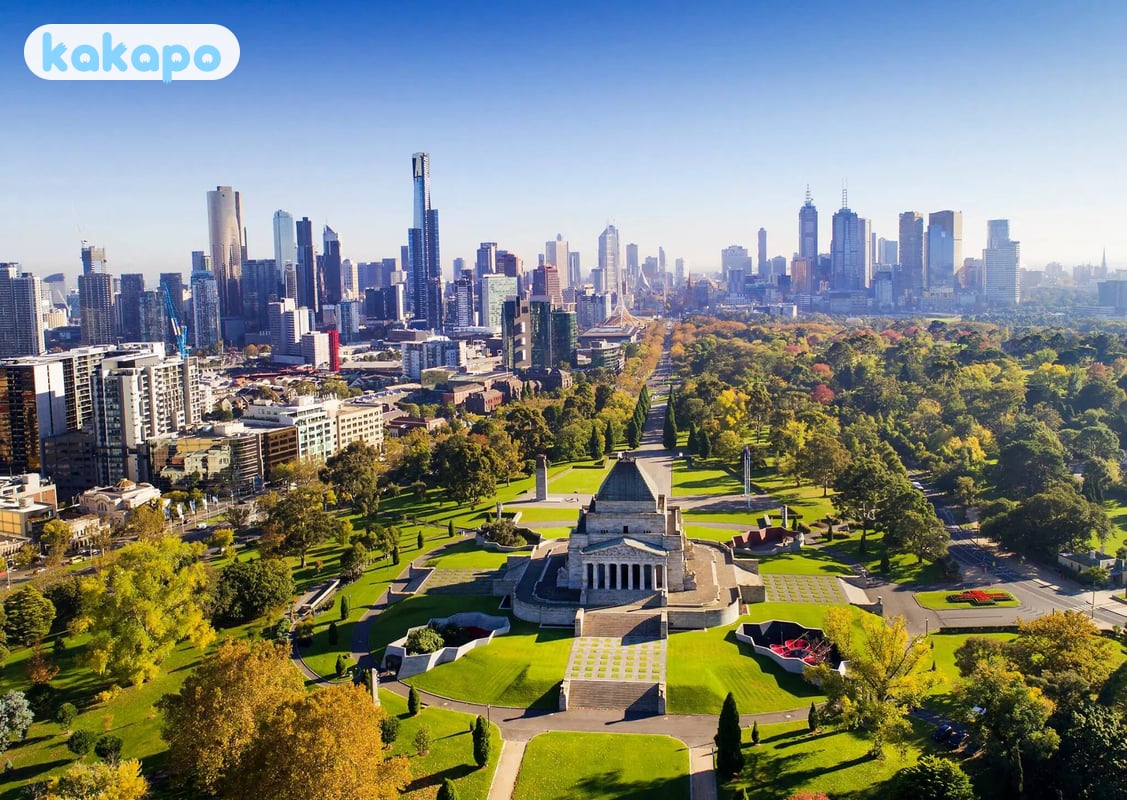
Melbourne has the largest tram network in the world. Tram-pedestrian incidents are the single most-frequent visitor injury.
- Don't step onto tram tracks looking at your phone. Trams come quietly and fast; the brakes have a long stopping distance.
- Cyclists vs trams: getting a wheel caught in tram tracks is the cyclist injury pattern. Cross tracks at sharp angles.
- Drivers vs trams: hook-turns at intersections are a Melbourne quirk where right-turning cars must wait at the far left of the intersection. Confusing for foreign drivers.
- Free Tram Zone: the CBD has free tram travel within a defined zone. Outside the zone, tap on/off with Myki or contactless bank card.
- Tram safety on the tram itself is excellent. Pickpocketing rare.
Four seasons in one day — and the cool change
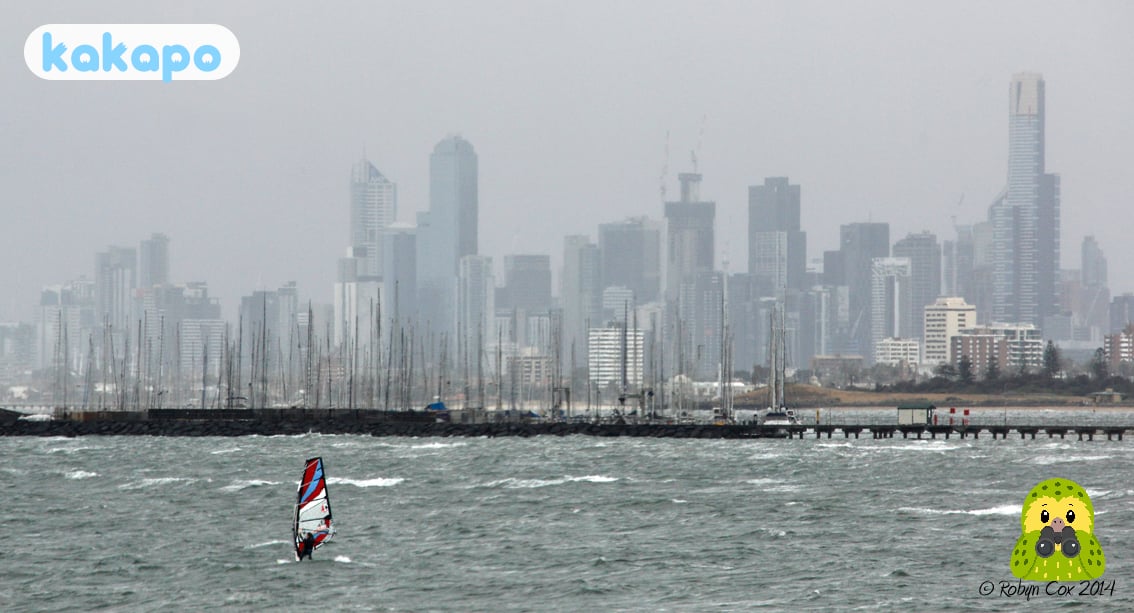
- Melbourne weather is the city's running joke. 35°C in the morning, 18°C and storming by 4pm is a real summer pattern.
- "Cool change": the Bass Strait wind that arrives suddenly. The temperature can drop 15°C in 30 minutes.
- Always carry a light layer, even on a sunny day.
- Summer (December-February): 25-35°C peaks, occasional 40°C heatwave.
- Winter (June-August): 8-15°C, grey, drizzly. Mild by global standards, dispiriting by Melbourne standards.
- Bushfire smoke: less than Sydney historically; 2019-2020 affected even Melbourne.
Areas — comfortable everywhere a tourist would go

Recommended for visitors: CBD (Federation Square, Flinders Street, Bourke Street Mall, Chinatown), Carlton (Lygon Street Italian quarter, Melbourne Uni), Fitzroy (Brunswick Street — eclectic), Collingwood (gentrified, breweries), Richmond (Vietnamese quarter, MCG), South Yarra and Toorak (upscale), St Kilda (beachside, slightly seedy charm), Brighton (the famous bathing boxes).
Lively, post-pub aware late: King Street (the historic strip-club district — fine but Friday/Saturday rough late), Crown Casino district at Southbank — alcohol-fuelled disputes occasionally spill onto the riverside.
St Kilda: the seaside suburb with a long-standing seedy charm. Daytime fine; late-night solo walks down the unlit beach side require awareness.
Avoid as a tourist: outer western Melbourne suburbs have higher reported crime but no tourist relevance.
Major events — AFL, Aus Open, Grand Prix, F1

- AFL grand final week (late September): city full of footy fans. Tram routes diverted; MCG packed; pickpocketing spikes.
- Australian Open (mid-late January): Melbourne Park. Heat is the big issue — extreme heat policy delays matches. Pickpocketing at the venue elevated.
- Australian Grand Prix (March): Albert Park. Loud; fans drinking.
- White Night, Moomba Festival, Spring Racing Carnival — all draw crowds. Standard awareness.
Public transport, taxis, airports

- Myki card or contactless bank card: tap on / tap off all public transport.
- Trains: V/Line for regional, Metro for suburban. City Loop runs underneath the CBD.
- Trams: extensive, free in CBD zone.
- Taxis, Uber, DiDi: all work; Uber usually cheaper.
- Melbourne Airport (MEL) to CBD: SkyBus AUD $24, ~30 min. Taxi/Uber $60-80. (Note: MEL has historically had no rail link; the project is in progress for ~2030.)
- Avalon Airport (AVV): 60 km away, smaller, low-cost flights. Coach to CBD ~75 min.
Neighbourhood-by-neighbourhood breakdown
- CBD (Hoddle Grid) — Federation Square, Flinders Street, Bourke Street Mall, Chinatown, the laneway café strips. Free Tram Zone covers it all. Heavily policed, very safe; King Street's western edge gets messy with strip-club drunks late Friday/Saturday.
- Carlton — north of the CBD, Italian-heritage Lygon Street, Melbourne Uni, the Carlton Gardens. Calm, residential, very safe; the Lygon dinner strip is lively but never threatening.
- Fitzroy and Collingwood — north-east of CBD. Brunswick St and Smith St are the indie/bar/vintage strips; Collingwood has the breweries and the best Sunday-roast pubs. Very safe; the Smith St end gets gritty-feeling around 02:00 but it's just student energy.
- Richmond — east of CBD, the Vietnamese strip on Victoria Street is one of Australia's best food zones. MCG and AAMI Park stadiums are here. Footy crowds dominate match days but the area is broadly safe.
- South Yarra, Prahran, and Toorak — south of the river, upmarket. Chapel Street is the boutique-and-bar strip. Very safe, polished, slightly bougie.
- St Kilda — bayside, the Esplanade, Acland Street cake shops, the Luna Park entrance. Daytime fully safe, evening busy and fine; late-night solo walks on unlit stretches of the beach side require awareness, and the Fitzroy Street strip has a long tradition of street workers and minor drug presence.
- Southbank and Docklands — south of the Yarra, Crown Casino and the Eureka Tower. Polished and very safe; the Crown precinct on weekend nights occasionally has alcohol-fuelled disputes spilling onto the riverside path.
- Outer suburbs (Footscray, Sunshine, Dandenong) — diverse, culturally vibrant, mostly safe but well outside standard tourist itineraries. Footscray for Vietnamese pho is genuinely worth the train.
If it's your first time visiting
- Best arrival airport: Melbourne Tullamarine (MEL), 25km north-west. SkyBus to Southern Cross is AUD$24 in 30 minutes — direct, reliable, runs 24/7. Uber/Didi is AUD$60-80 in 30-50 minutes. Taxi is similar. No train link yet (project pushed to 2030+).
- Use the Free Tram Zone in the CBD — every tram inside the central grid is free; just board and ride. Beyond the zone, tap a contactless bank card or Myki on the reader as you board, tap again as you alight. Single fare AUD$5.30, daily cap AUD$10.60.
- Best neighbourhood for your first night: CBD for sightseeing convenience and the laneway scene; Fitzroy for indie/young energy; Carlton for calm/Italian-food; South Yarra/Prahran for upmarket. Avoid Crown Casino hotels unless you specifically want the gambling complex — the surrounding precinct is unremarkable on foot.
- Day 1, jet-lag friendly: walk Federation Square down to the Yarra, cross to Southbank for lunch with a skyline view, ferry or walk back via the laneways (Hosier Lane, Centre Place, Degraves), end with a coffee in Fitzroy on Brunswick Street. All flat, all 5km, all free.
- Common rookie mistakes: stepping onto tram tracks while looking at your phone (the most reliable tourist-injury pattern); making a "regular" right turn at a CBD intersection instead of a hook turn (the Melbourne hook turn requires you to wait at the far-left of the intersection to turn right across the tram line — the road signs explain it); confusing "long black" with "Americano" or ordering "regular coffee" (be specific — long black, flat white, magic, piccolo); going to St Kilda expecting Bondi (it's bayside, no surf, much greyer); skipping AFL because "I don't follow football" — a Saturday MCG game is one of the city's defining experiences.
- Always carry a light jacket. The "four seasons in one day" cliche is real and the Bass Strait cool change can drop the temperature 15°C in 30 minutes. Bring an umbrella.
- Book Australian Open tickets and Twelve Apostles Great Ocean Road tours well in advance. AO ground passes are still the best sports-event value in the world but day-1 tickets sell out 6 weeks ahead.
- Take a coffee seriously when ordered. Tipping isn't expected (the AUD$25/hr wage floor handles it), but a "cheers" or "ta" to the barista lands well.
Practical info — emergency numbers
- Emergency: 000 or 112 (mobile).
- Police (non-emergency): 131 444.
- Healthdirect: 1800 022 222.
- Royal Melbourne Hospital: +61 3 9342 7000.
- The Alfred Hospital: +61 3 9076 2000.
- St Vincent's Hospital: +61 3 9231 2211.
Bring: layered clothing, SPF 50+ sunscreen, a contactless bank card, an unlocked phone (Telstra, Optus, Vodafone AU prepaid SIMs at the airport), comfortable walking shoes, and travel insurance.
Frequently asked questions
Is Melbourne, Australia safe to visit in 2026?
Yes — Melbourne scores 87/100 here, among the top mega-cities we cover. Both the UK FCDO and US State Department list Australia at their lowest advisory levels and the EIU consistently ranks Melbourne in the world's top three most-livable cities. Melbourne's crime rate is below the Australian national average and the CBD is heavily policed and CCTV-covered. The realistic risks for visitors are not crime — they are tram-pedestrian conflicts (the city's #1 visitor injury pattern), the genuinely changeable 'four seasons in one day' weather, occasional bushfire smoke from December-March, and the few specific late-night situations on King Street's strip-club strip and around the Crown Casino district.
Is Melbourne safe at night?
Yes for the parts you'd actually be in. The CBD laneways (Hosier, Centre Place, Degraves, Hardware), Fitzroy/Carlton/Collingwood, Richmond, South Yarra and Brighton are all comfortable solo late and the Yarra Trams Free Tram Zone makes inner-city transport free until ~midnight. Night Network trains run hourly Friday-Saturday overnight; Uber and DiDi are everywhere. Honest exceptions: the King Street strip-club corridor on Friday-Saturday after 23:00 has the city's alcohol-fuelled aggression, and the Crown Casino precinct on the Southbank occasionally has disputes spilling onto the riverside path. St Kilda by day is fine; late-night solo walks on unlit beach-side stretches require awareness, and the Fitzroy Street strip has a long-standing minor drug presence.
What's the biggest risk for visitors to Melbourne?
Tram-pedestrian conflicts, by a clear margin. Yarra Trams runs the world's largest streetcar network, trams come quietly and fast, brakes have long stopping distances, and stepping onto tram tracks while looking at a phone is the single most reliable tourist-injury pattern in the city. Cyclists getting a wheel caught in tram tracks is the next-most-common pattern — cross tracks at sharp angles. Foreign drivers struggle with Melbourne's hook-turn rule, which requires you to wait at the far left of the intersection to turn right across tram lines. AFL grand-final week (late September) and the Australian Open (mid-late January) spike pickpocketing at Federation Square and Flinders Street.
Can you drink tap water in Melbourne?
Yes — Melbourne Water draws unfiltered from the protected Yarra Ranges catchments and produces drinking water consistently rated among the best municipal supplies of any major capital city in the world. Every café and restaurant serves it free without asking. Carry a refillable bottle; there are free public refill points throughout the CBD, in Federation Square, Bourke Street Mall and along the Yarra. The water is soft and unremarkable in taste — locals are quietly proud of it.
How do the Free Tram Zone and Myki actually work?
Inside the CBD's Free Tram Zone (bounded roughly by Spring/La Trobe/Victoria Harbour/Flinders) every Yarra Trams service is free — you just board. Outside the zone, tap a Myki card or a contactless bank card on the reader as you board AND tap again as you alight; both ends, otherwise you get charged the maximum default fare. Single fare runs around AU$5.30 with a daily cap around AU$10.60. Paper Myki tickets are gone — bank-card tap is now the default. Plain-clothes inspectors do check and fare-evasion fines are real. The same tap-on/tap-off rule applies to trains and buses.
Recent travel news for Melbourne
All travel news →Teens arrested after machete brawl at Melbourne's Flinders Street Station
Multiple teenagers were arrested following an alleged machete brawl at Flinders Street Station on Saturday night, forcing commuters to flee.
Melbourne hospitality venues targeted in firebombing wave
Bars, nightclubs, and restaurants in Melbourne are being targeted in firebombing attacks, with children reportedly being recruited to carry them out.
Sources
Run a business in Melbourne?
Show visitors your Melbourne business is a safe choice. The free Verified by Kakapo badge puts Melbourne's live safety score on your website, links back to your verified page, and updates itself. No cost.
Get the free badge →