


Is Hobart, Tasmania Safe? A 2026 Travel Safety Guide
The Bass Strait ferry crossing, Tasmanian wilderness day-trips, MONA logistics, summer-snow weather at Mt Wellington, UV, and why Hobart is one of the gentlest capitals.

Hobart — population ~250,000, Tasmania's capital — is one of Australia's calmest, safest cities. Crime against tourists is rare; the colonial harbour-and-hills setting is striking; Salamanca Saturday market and MONA are the must-do tourist set-pieces.
The honest concerns are environmental and logistical. The Spirit of Tasmania ferry across Bass Strait (Geelong/Melbourne to Devonport — not Hobart, but the standard car-arrival route for Tasmania) crosses one of the world's notoriously rough stretches of water. The Tasmanian wilderness day-trips that put Hobart on most itineraries — Mt Field, Tasman Peninsula, Bruny Island, Cradle Mountain (further) — involve real outdoor weather where summer can deliver snow at altitude. Mt Wellington / kunanyi, the 1,271m peak directly above Hobart, can be 15°C cooler than the city and treat unprepared tourists to genuine alpine conditions. MONA (the Museum of Old and New Art) is sometimes confronting in content. And the world's strongest UV (Tasmania has the highest melanoma rate in Australia) catches out visitors from the northern hemisphere who underestimate how strong the sun is at 42°S.
The US State Department lists Australia at Level 1; UK FCDO has no advisories. Both note the standard outdoor-weather context.
| Night safety | 85/100 |
|---|---|
| Scam / petty-crime risk | Low |
| Violent crime (tourists) | Low |
| Most common scams | sea-sickness on the Spirit of Tasmania ferry; cancellations due to severe weather on the Spirit of Tasmania ferry; unprepared tourists facing alpine conditions at Mt Wellington |
| Safer neighbourhoods | Battery Point, Salamanca, Sandy Bay |
| Data sources cited | 4 |
| Last verified |
What the score means — 85/100
- Personal safety (94) — exceptional. Hobart is genuinely calm.
- Transport (84) — Hobart Airport (HBA), Metro Tasmania buses, no rail; rental car practically essential for Tasmania day-trips.
- Healthcare (88) — Royal Hobart Hospital is the state's main referral; specialist cases occasionally medevac to Melbourne.
- Air quality (92) — among the cleanest urban air in Australia; periodic winter wood-smoke valley inversions.
Spirit of Tasmania — the Bass Strait crossing
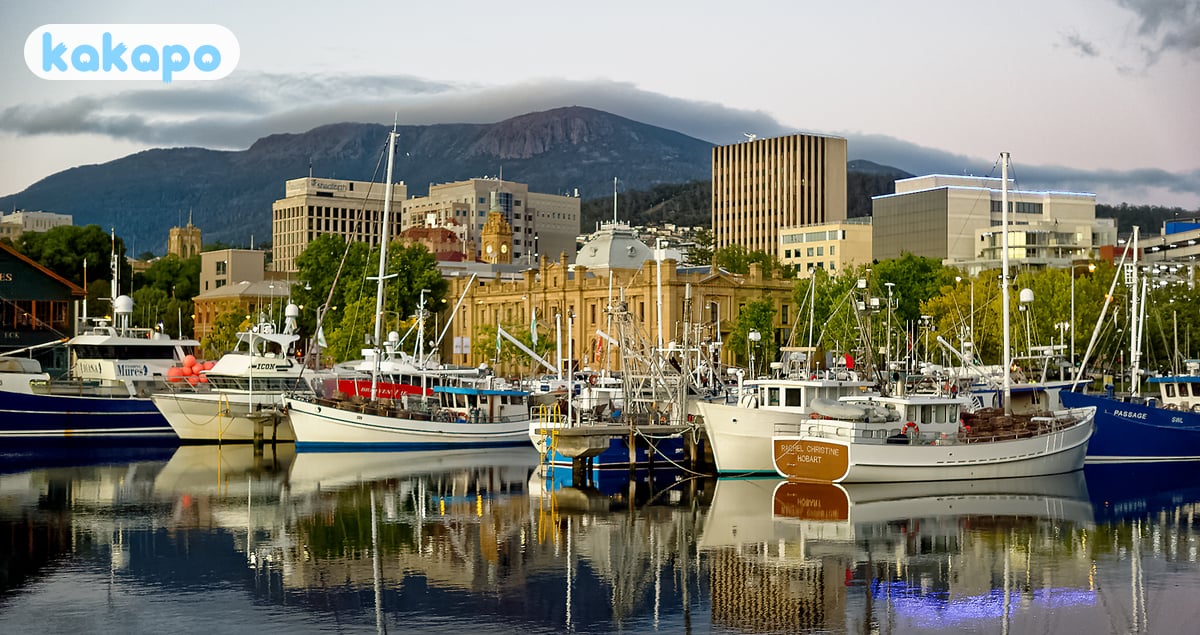
- The ferry: Spirit of Tasmania I and II run between Geelong (relocated from Melbourne in 2022) and Devonport (north-coast Tasmania, then 3.5 hrs drive to Hobart). Standard 9-11 hour overnight crossing.
- Bass Strait reputation: Bass Strait is the strait between Tasmania and the Australian mainland — one of the world's notoriously rough stretches of water. Sustained winds, heavy swells, tidal pinch through the Banks Strait.
- Sea-sickness: extremely common, even in moderate conditions. Bring meds (prochlorperazine, scopolamine patches); book inside cabin lower deck for less motion; eat lightly.
- Cancellations: severe weather causes occasional sailing cancellations or significant delays. Book a cabin (not "ocean recliner" seating) if you can — overnight without a cabin in rough seas is grim.
- Why take the ferry: brings your own car, lots of luggage, motorbikes, bikes. Saves rental fees in Tasmania.
- Why fly instead: Hobart is 1.5 hours by plane from Melbourne; typically cheaper than ferry per person; no sea-sickness; 2 hours door-to-door vs 12+ for ferry.
- New ferries: replacement vessels (Spirit IV, V) under long-delayed construction; capacity changes possible 2026-2027.
Tasmanian wilderness day-trips
Tasmania's wilderness is the reason most international visitors come. Hobart is the base for several iconic day-trips and multi-day starts.
- Mt Wellington / kunanyi (1,271m): 30 min drive from CBD. Summit can be 15°C colder than Hobart, snow even in summer (Dec-Feb), exposed and windy. Closure of the summit road is common in winter ice.
- Tasman Peninsula and Port Arthur: 90 min east. Port Arthur historic site is a former convict prison and the site of the 1996 mass shooting that prompted Australia's gun-law reforms — a sombre place; respectful visiting required.
- Bruny Island: 30 min south + ferry. Whisky, oysters, fairy penguins (don't approach), Cape Bruny lighthouse. Ferry runs frequently.
- Mt Field National Park: 75 min northwest. Russell Falls, alpine plateau hikes; weather changes fast at altitude.
- Cradle Mountain: 4 hours northwest — usually a 1-2 night trip from Hobart, not a day-trip. Overland Track (6-day backcountry) starts here.
- Hiking weather: Tasmania alpine weather is real. Even in January, hypothermia is the leading wilderness fatality cause. Layers, waterproof, food, water, PLB on serious tramps.
- Personal Locator Beacon: Parks and Wildlife Service Tasmania rents PLBs cheaply; carry on any overnight or remote walk.
MONA — what to expect and how to get there
- MONA (Museum of Old and New Art): David Walsh's privately-funded art museum at Berriedale, 12 km north of Hobart. One of the world's most distinctive contemporary art experiences.
- Content warnings: many works are sexually explicit, violent, or genuinely distressing (Wim Delvoye's Cloaca digestive machine, the corpse-decay timelapse, Sidney Nolan's Snake). Adult-oriented; not for young children.
- Tickets: from A$39 for non-Tasmanian adults; free for Tasmanian residents. Online booking recommended; sometimes sells out on long weekends.
- The MONA ROMA ferry: from Brooke Street Pier (CBD waterfront) to MONA — 30 min, A$30 return; the recommended way to arrive.
- MONA FOMA / Dark Mofo: MONA's summer (Jan) and winter (Jun) festivals. Dark Mofo includes nude winter solstice swim in the Derwent — voluntary, well-managed.
- Allow 4-6 hours: MONA is huge; food and drink on-site are good (Source restaurant, Faro tapas bar) so plan to eat there.
- Photography: permitted in most galleries; some installation rooms restrict.
Weather, UV, and the four-seasons reality
- Summer (Dec-Feb): 18-25°C in Hobart; long daylight (sunset 21:00); mild compared to mainland. Snow at Mt Wellington summit is possible even in summer.
- Winter (Jun-Aug): 4-12°C in Hobart; rare frost in CBD; more snow at Mt Wellington; alpine roads (Cradle, Mt Field) closed periodically.
- UV index: Tasmania has Australia's highest melanoma rate per capita despite being the coolest state. UV index in summer reaches 12-13 (extreme); the cool air masks how strong the sun is.
- Sun protection: SPF50+, hat, long sleeves on bushwalks, sunglasses. Don't be fooled by a 19°C breeze.
- Bushfires: summer (Dec-Mar) high-risk. The Tasmanian Fire Service publishes daily Fire Danger Ratings. Catastrophic days = no entry to bushland.
- Hiking gear: layered clothing, waterproof shell, beanie/gloves even in summer above 800m.
- Best windows: October-April for outdoor activities. December-February for the highest reliability of warm sunny days but also highest fire risk.
Areas — Battery Point, Salamanca, Sandy Bay, North Hobart
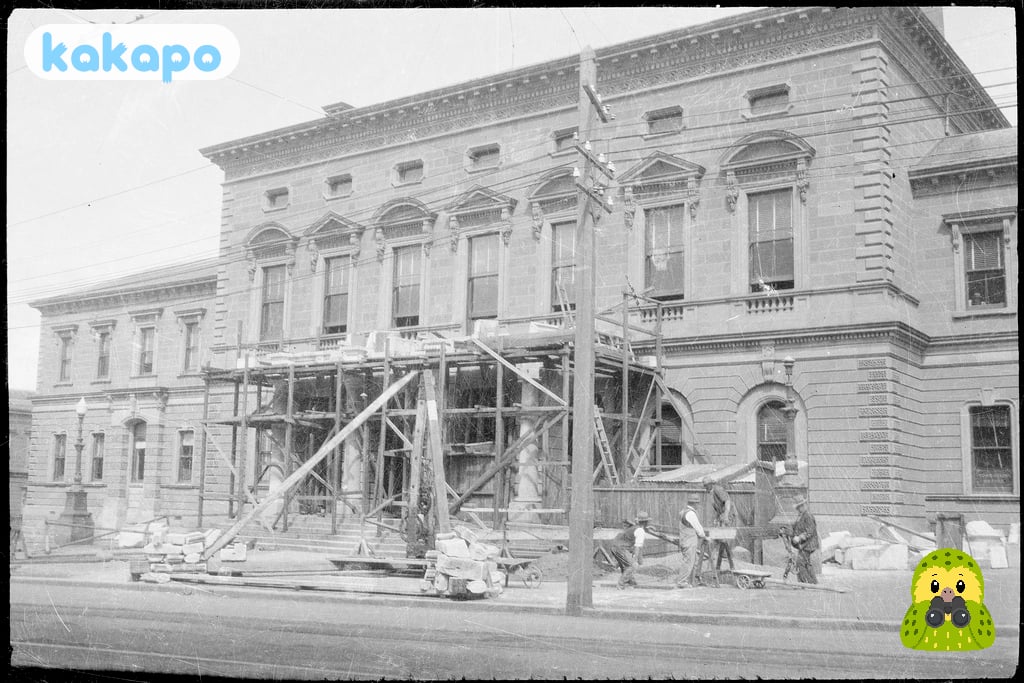
Recommended bases: Battery Point / Salamanca — historic stone cottages, walkable to harbour, Salamanca Market (Saturdays). CBD / waterfront — modern hotels, ferry to MONA, restaurants. Sandy Bay — leafy residential south of CBD, near Wrest Point Casino, water views. North Hobart — café-and-restaurant strip on Elizabeth Street, mid-range B&Bs.
Stay aware: Elizabeth Street and Liverpool Street late on weekend nights — small-scale alcohol-related incidents; standard precautions. Bridgewater and Glenorchy (outer northern suburbs) have higher property-crime rates; not tourist-relevant.
There are no genuinely dangerous neighbourhoods in central Hobart.
Transport — Hobart Airport, buses, driving
- Hobart Airport (HBA): 17 km east. SkyBus to CBD A$22 (25 min); taxi A$50; Uber A$35-45.
- Metro Tasmania buses: cover the CBD, Sandy Bay, Glenorchy and outer suburbs. A$3.50 single (touch-on Greencard).
- Driving: drive on the LEFT. Hobart is small and walkable but Tasmanian wilderness day-trips effectively require a car.
- Rental cars: book ahead in summer school holidays — Tasmania's fleet is much smaller than the mainland.
- Cycling: Hobart has good urban cycle paths along the Intercity Cycleway. Helmet legally mandatory.
- Wildlife on roads: Tasmania's roadkill rate is among the world's highest. Don't drive country roads at dawn, dusk, or after dark — wallabies, possums, devils all dart.
- Mt Wellington summit road: closes for ice in winter; gate at Pinnacle Road. Check conditions before driving up.
Money, healthcare, emergency numbers
- Currency: Australian dollar (AUD). $1 USD ≈ A$1.55.
- Cards: contactless universal.
- Tipping: not expected.
- RHCA reciprocal cover: UK, NZ, Ireland, Sweden, Belgium, Italy, Malta, Netherlands, Norway, Slovenia, Finland citizens get Medicare-equivalent care for medically necessary treatment.
- Emergency: 000 (police, fire, ambulance). 112 mobile fallback. Tasmania SES 132 500.
- Hospital: Royal Hobart Hospital (1300 855 660); Calvary Health Care St Vincent's private (03 6278 5333).
- Wilderness rescue: PLB activations get Tasmania Police helicopter; download "Tasmania Police" app for incident reporting.
- Quarantine: bringing fresh fruit, vegetables, plants, or honey into Tasmania (from mainland Australia) is restricted by Biosecurity Tasmania — sniffer dogs at Spirit of Tasmania and airport. Penalties apply.
- SIM: Telstra has best regional coverage; Optus and Vodafone less reliable in Tasmanian wilderness areas.
Frequently asked questions
Is Hobart safe to visit in 2026?
Yes — Hobart is one of Australia's calmest, safest capital cities. Australia sits at Level 1 on the US State Department advisory and UK FCDO carries no specific Hobart warning. Crime against tourists is rare and the colonial harbour-and-hills setting is walkable end-to-end. The honest concerns are environmental and logistical: the Bass Strait ferry crossing (one of the world's roughest stretches of water), Tasmanian wilderness day-trip weather, summer snow at Mt Wellington / kunanyi, and the world's strongest UV at 42 degrees south.
Is Hobart safe at night?
Yes — Hobart is genuinely calm at night. The waterfront and Salamanca remain busy with restaurants and bars well into the evening with no meaningful crime concentration. The recurring asterisk is Elizabeth Street and Liverpool Street on weekend nights, which produce the standard small-scale alcohol-related incidents any capital nightlife strip generates. Bridgewater and Glenorchy in the outer northern suburbs have higher property-crime rates but are not tourist-relevant. Walk in company after 1am and pre-book a rideshare home from outer suburbs.
Is Hobart safe for solo female travellers?
Yes — among Australia's safer cities for solo women. Street harassment is uncommon and the compact CBD around Salamanca, Battery Point, and the waterfront feels comfortable day and night. The standard advice applies on Elizabeth Street at 2am: supervised drinks, group walks, a known rideshare back. The genuine environmental risks (alpine weather changes on Mt Wellington, hypothermia on wilderness walks, UV) are non-gendered but worth taking seriously.
Can you drink tap water in Hobart?
Yes — Tasmania's tap water is among Australia's best. TasWater publishes annual compliance reports for Hobart, the surrounding suburbs, and most rural areas. Tap is the norm in restaurants and is offered free with meals. Some far-rural towns in Tasmania still occasionally carry boil-water advisories, but never Hobart itself. A refillable bottle is fine.
What's the biggest scam to avoid in Hobart?
There isn't a meaningful scam culture. The recurring practical traps are MONA ferry and ticket markups via third-party resellers (book directly via MONA's website and the MONA ROMA ferry at Brooke Street Pier), Spirit of Tasmania cabin upselling (booking inside cabin lower deck genuinely reduces sea-sickness, not a scam), and wilderness-tour quality variation — established operators like Tours Tasmania or Pennicott Wilderness Journeys are reputable. Always pay in AUD at card terminals.
What's MONA and what should I expect?
MONA (Museum of Old and New Art) is David Walsh's privately-funded contemporary art museum at Berriedale, 12 km north of Hobart. It is one of the world's most distinctive art experiences and the single biggest reason most international visitors come to Hobart. Many works are sexually explicit, violent, or genuinely distressing (Wim Delvoye's Cloaca, the corpse-decay timelapse, the Sidney Nolan Snake); it is adult-oriented and not for young children. Tickets from A$39 for non-Tasmanian adults, free for Tasmanian residents. The MONA ROMA ferry from Brooke Street Pier (30 minutes, A$30 return) is the recommended way to arrive. Allow 4-6 hours and plan to eat there at Source or Faro.
Sources
Run a business in Hobart?
Show visitors your Hobart business is a safe choice. The free Verified by Kakapo badge puts Hobart's live safety score on your website, links back to your verified page, and updates itself. No cost.
Get the free badge →