


Is Queenstown, Eastern Cape, South Africa Safe? A 2026 Travel Safety Guide
The Eastern Cape town (NOT to be confused with Queenstown New Zealand), the SA crime context, the road from Joburg or East London, the Wild Coast day trips, and the realistic risks.

This guide is for Queenstown (locally renamed Komani in 2021), a small town in South Africa's Eastern Cape province. Not to be confused with the much-more-famous Queenstown, New Zealand. Tourist visits are rare; most foreigners are business or transit. Crime statistics are elevated by SA-wide standards; the Eastern Cape has documented high property crime + violent crime rates.
South Africa sits at Level 2 on the US State Department's advisory list ("exercise increased caution due to crime"). Eastern Cape province specifically has had elevated farm + rural-road crime context.
The honest framing: Queenstown / Komani is small (~80,000), an agricultural-services town in the Eastern Cape highlands. Most travellers transit through on the way to the Wild Coast, Lesotho border, or Sani Pass. Don't choose Queenstown / Komani as a tourist destination — there are far better Eastern Cape options (Port Elizabeth / Gqeberha, Hogsback, Wild Coast, Garden Route).
| Night safety | 28/100 |
|---|---|
| Scam / petty-crime risk | Medium |
| Violent crime (tourists) | Medium |
| Most common scams | smash-and-grab at traffic lights; pickpocketing in the town-centre; car break-ins |
| Safer neighbourhoods | western suburbs around the golf course, Hexagon area |
| Data sources cited | 4 |
| Last verified |
What the score means — 85/100
- Personal safety (56) — pulled down by Eastern Cape statistics.
- Healthcare (64) — Frontier Hospital basic; serious cases evacuate to Bloemfontein or East London.
- Air quality (84) — clean highveld.
- Transport (64) — limited bus services; rental car most practical.
The Komani name + the NZ confusion
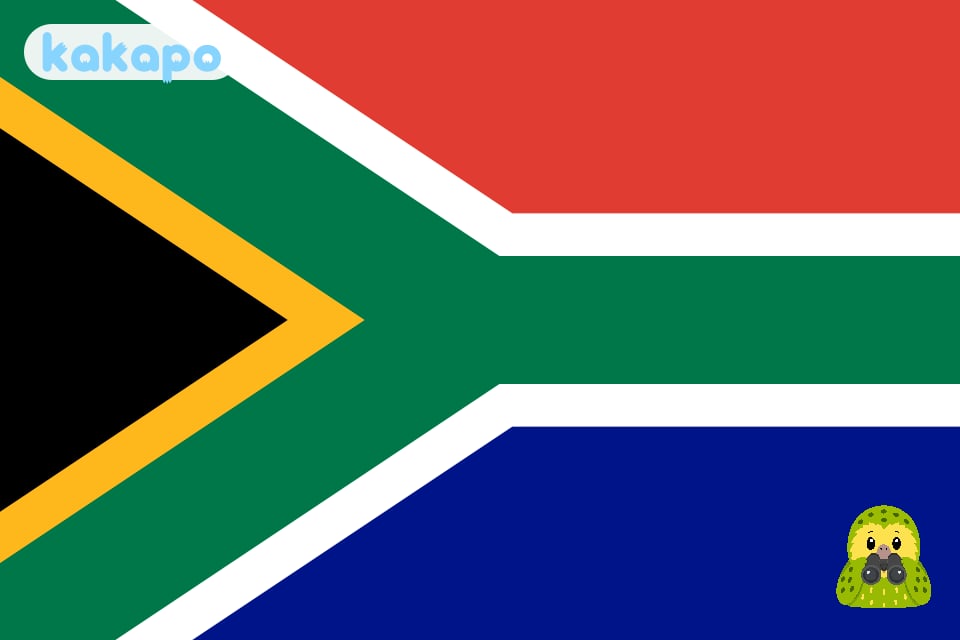
- Renamed in 2021: officially "Komani" but "Queenstown" is still widely used locally + internationally.
- NZ Queenstown: the famous adventure-tourism town. If you booked accommodation in "Queenstown" expecting bungee + skiing, you're 12,000 km away from where you intended.
- This Queenstown: agricultural service town. Bookings on Booking.com etc. are correctly tagged ZA.
Eastern Cape safety context
- Eastern Cape crime statistics: among South Africa's higher provinces.
- Town-centre property crime: pickpocketing, car break-ins.
- Don't walk at night: standard SA rule.
- Don't display: phones, jewellery, watches.
- ATMs: inside bank branches/malls only.
- Don't drive rural roads at night: hijacking concerns.
Wild Coast + Hogsback day trips
- Wild Coast: 3-4 hours east. Coffee Bay, Mdumbi, Bulungula. Spectacular Xhosa-cultural-landscape; difficult roads.
- Hogsback: 2 hours south. Tolkien-inspired forest village. Tourist-friendly.
- Sani Pass to Lesotho: 4 hours west. Iconic 4WD-only mountain pass.
- 4WD required: for rural roads + the Wild Coast access.
- Don't drive at night.
Transport — drive in
- Rental car: from East London Airport (3h south) or Bloemfontein (5h north).
- Don't drive on N6 at night: rural-road risk.
- No major airline service: closest airports are East London (ELS) + Bloemfontein (BFN).
- Long-distance buses (Translux, Greyhound): serve Queenstown.
Money + cost
- Currency: South African rand (ZAR).
- Cards: at hotels + chain stores; cash for everything else.
- Tipping: 10-15%; R10-20 for car-guards.
- Cost: cheap. Hotels R600-1,500/night.
- Tap water: technically safe; bottled common.
Queenstown SA — the original Komani — context + naming
Disambiguation alert: this is Queenstown, South Africa — also officially renamed Komani in 2016 (after the Komani River). It's a small inland town (~80,000) in the Eastern Cape province. Not Queenstown New Zealand (the famous adventure-tourism town), not Queenstown Singapore (a planning district). If you're searching for that, see our separate guides.
- What's actually here: minor service town serving the surrounding Eastern Cape farming region. The Hexagon (the town's six-sided central street layout — an unusual planning artefact from the 1853 founding) is the most-photographed local feature.
- Why visitors come: typically domestic South African business travel, family visits, or as a refuel/overnight stop on the long road between Johannesburg and the Eastern Cape coast.
- Surrounding interest: the Bongolo Dam (recreation), Lawrence de Lange Game Reserve, the Sleeping Hills viewpoint. None world-class; all decent for an overnight stay.
- Nelson Mandela Bay (Gqeberha / Port Elizabeth): 3-4h drive south-east — the realistic onward destination for tourists.
- East London: 2-3h south — Eastern Cape coast.
- Drakensberg + Lesotho: 3-4h north — more spectacular options if you have time.
- Best season: October-April. Highveld winters are dry, cold, sometimes snowy.
- What you won't find here: bungee jumps, jet boats, Milford Sound, the Remarkables. That's the other Queenstown.
Eastern Cape safety context + practical realities
- South Africa overall: Level 2 US State Department, with elevated awareness for cities. Eastern Cape has higher crime rates than Western Cape; Queenstown-Komani is calmer than Joburg but tourists need awareness.
- Load-shedding: same Eskom blackout schedule applies. EskomSePush app shows your suburb's daily windows. See our Pretoria guide for the full load-shedding playbook — same applies here.
- Smash-and-grab at traffic lights: real Eastern Cape risk. Doors locked, windows up, valuables out of sight.
- Long-distance driving: don't drive after dark in rural Eastern Cape — livestock on roads, drunk drivers, slow trucks without lights are all real. Plan to arrive at destinations before sunset.
- Crime against tourists specifically: rare — most violent crime is intra-community in known townships. Visitors who stay in established accommodation + don't venture into outer townships at night are at low statistical risk.
- Tap water: technically safe in Queenstown municipality; many locals drink bottled or filtered due to occasional supply issues.
- Cell signal: Vodacom + MTN both cover the town centre. Patchy in surrounding hills.
- Currency: South African rand (ZAR). Cards universal at hotels + supermarkets; cash useful in smaller establishments.
Practical info — emergency numbers
- Police (SAPS): 10111.
- Ambulance (Netcare 911): 082 911.
- Frontier Hospital Queenstown: +27 45 808 4200.
- For serious cases: evacuate to East London (ELS) or Bloemfontein.
Bring: discreet clothing, an SA SIM, USD/EUR cash backup, travel insurance with full medical + medevac. If you booked Queenstown intending the NZ one, this guide just saved you a long flight.
Frequently asked questions
Is Queenstown, South Africa safe to visit in 2026?
Queenstown (officially Komani since the 2016 renaming) is a small Eastern Cape farming and military town of around 100,000 people — not a major tourist destination, and a very different proposition from the famous Queenstown in New Zealand. It scores 64/100 here. UK FCDO and US State Department keep South Africa at 'exercise increased caution'. Visitor risk is street crime — mugging and bag-snatching — concentrated in the CBD around Cathcart Road after dark, and farm crime in the surrounding agricultural district. Hexagon Hospital and the Komani Hospital are the regional medical facilities; serious cases are referred to East London or Gqeberha. Most travellers pass through Queenstown on the N6 between East London and the Free State rather than overnighting.
Where should I stay and which areas should I avoid?
If you're overnighting, the western suburbs around the golf course and the Hexagon area are calmer and where most guesthouses sit. The central CBD around Cathcart Road and the taxi rank is busy by day with retail traffic but thins out and becomes more opportunistic-crime-prone after dark. Mlungisi, Ezibeleni and the outlying townships have their own community life but are not casual-walking territory for tourists. Lock the car, don't leave anything visible, and treat night-time movement as a Bolt-only routine if Bolt is available in town (coverage is patchier than in the major cities — many visitors arrange a guesthouse pickup instead).
Is Queenstown safe at night?
Not as a pedestrian. Queenstown's after-dark risk pattern is the standard small-town Eastern Cape one: limited street lighting, very few people on the streets, occasional opportunistic muggings of anyone walking alone in the CBD. Restaurants and lodges are fine when you arrive by car. Stay in your guesthouse for the evening or drive between venues; don't walk between the CBD and the residential suburbs after dark. The N6 highway in and out of town has stretches with poor lighting and occasional roadside crime — don't drive between Queenstown and East London or Bloemfontein at night if you can avoid it. SAPS Queenstown is the local police station; emergency 10111.
Can you drink tap water in Queenstown?
Generally yes, but with caveats. Komani-Queenstown is served by the Bonkolo Dam and Waterdown Dam system, with the Chris Hani District Municipality responsible for treatment. The water meets SANS 241 standards at the treatment plant; however, the Eastern Cape has had recurring infrastructure and supply-quality issues in smaller towns, and intermittent advisories or service interruptions do occur. In practice most guesthouses have backup tanks and many travellers default to bottled. If you're staying any length of time, check with your accommodation about current local conditions.
Is there a reason to visit Queenstown specifically?
Queenstown is a service town for the Eastern Cape midlands rather than a destination in itself. The reasons visitors stop are practical: it sits on the N6 about halfway between East London (180km south) and Bloemfontein (450km north), it's a logical break-point on a road trip; it's the closest service town to the Bonkolo Dam and the Lawrence de Lange nature reserve; and it's a gateway for travellers heading north into the Eastern Cape Highlands, the Sterkstroom area, or the Drakensberg foothills near Lady Grey and Rhodes. If you're after the famous Queenstown — bungee jumping, Lake Wakatipu, ski lifts — that's the New Zealand city with the same colonial namesake; the two have nothing else in common.
Sources
Run a business in Queenstown?
Show visitors your Queenstown business is a safe choice. The free Verified by Kakapo badge puts Queenstown's live safety score on your website, links back to your verified page, and updates itself. No cost.
Get the free badge →