


Is Serengeti, Tanzania Safe? A 2026 Travel Safety Guide
The world's most-iconic safari park, the Great Migration, the lodge-vs-camping safety, and the realistic risks.

Serengeti National Park is the world's most-famous safari destination — 14,750 sq km of Tanzanian savanna hosting the Great Migration (~1.5 million wildebeest + 200,000 zebra moving in a yearly loop with the Maasai Mara). The realistic concerns are the standard safari-camp animal-encounter rules (lions + elephants + buffalo do walk through camps at night), malaria + tsetse fly + tap-water risk, the long bumpy drives between camps, and the bush-flight + small-aircraft safety on charter routes.
Note on naming: this URL uses "United Republic of Tanzania" — the country's full UN/ISO name. Same place as "Serengeti, Tanzania". We publish under both naming conventions.
Tanzania sits at Level 2 on the US State Department's advisory list. Most visitors stay 3-5 nights in the Serengeti as part of a 7-12 day Tanzania safari trip (Tarangire + Lake Manyara + Ngorongoro + Serengeti is the classic loop).
| Night safety | 92/100 |
|---|---|
| Scam / petty-crime risk | Medium |
| Violent crime (tourists) | Low |
| Most common scams | cheap-and-shady safari operators; tsetse fly bites; malaria risk |
| Safer neighbourhoods | Ndutu plains, central Serengeti, western Serengeti |
| Data sources cited | 4 |
| Last verified |
What the score means — 76/100
- Air quality (92) — clean savanna.
- Personal safety (80) — moderate. Animals + bush-flying not crime.
- Transport (64) — long bumpy game-drive vehicles + bush-flight charters.
- Healthcare (56) — clinic at Seronera; serious cases evacuate by Flying Doctors to Nairobi.
The Great Migration — when + where
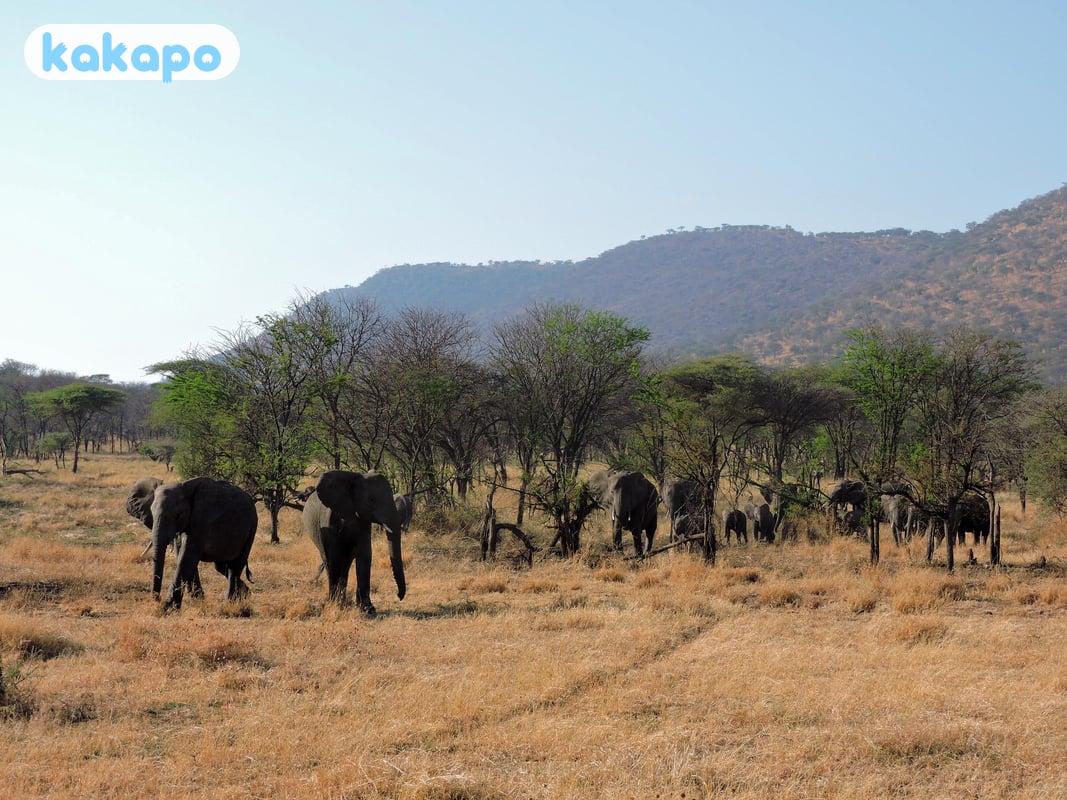
- December-March: calving season in the southern Serengeti (Ndutu plains). Predator action peak.
- April-June: herds move north through the central + western Serengeti.
- July-October: river crossings (Mara River) — the dramatic crocodile-vs-wildebeest scenes. North Serengeti.
- November: herds return south via central Serengeti.
- Choose camps + dates accordingly: a southern camp in August will miss the migration entirely.
Camp safety — the basic rules
- Don't leave your tent at night unescorted: lions + hyenas + leopards + buffalo + elephants all walk through unfenced camps. Use the airhorn or call camp staff for an escort.
- Don't approach animals: stay in vehicles; never get between an elephant cow + her calf, between a hippo + the water, or near buffalo.
- Listen to your guide: not optional.
- No flash photography: of animals at night.
- Sleep with the tent fully zipped: even in mosquito-net interiors.
Health — malaria + tsetse + tap water
- Malaria: high-risk year-round. Antimalarial prophylaxis essential.
- Tsetse flies: present in some areas; bite hurts but human-form sleeping sickness rare in Serengeti. Wear neutral colours (avoid blue + black — attractive to tsetse).
- Yellow fever: vaccination certificate required for entry from infected countries.
- DEET 25-50%: essential.
- Tap water: not safe; bottled or filtered.
- Flying Doctors evacuation insurance: AMREF membership ~$25 covers Serengeti evacuation.
Transport — game drives + bush flights
- Game-drive vehicles: usually 4-7 seat Land Cruisers with pop-up roofs.
- Bush flights: Auric Air, Coastal Aviation, Regional Air on small Cessnas/Caravans between airstrips. Long delays possible.
- From Arusha (JRO): 6-8h drive on rough roads; or 1h flight to Seronera.
- Inside park: no public transport. Lodge vehicles only.
Money + cost
- Currency: Tanzanian shilling (TZS); USD widely accepted.
- USD cash for tips: $10-20/day per guest for guides; $5-10/day for camp staff.
- Cost: Serengeti is expensive. Mid-range $400-800/night/person all-inclusive. Luxury camps $1,000-3,000/night.
Great Migration — when to come for what
The Great Migration is the ~2 million wildebeest, zebra, and gazelle constantly circling the Serengeti-Mara ecosystem chasing rain. It's the reason most international visitors come, but the exact location moves through the year — picking your dates wrong means you fly halfway around the world to see empty plains.
- Jan-March (calving): southern Serengeti + Ndutu plains. Wildebeest birth ~500,000 calves over a few weeks; predator action is peak. Stay at Ndutu Lodge or mobile camps in southern Serengeti.
- April-May (long rains): harder month — heavy rain, some roads impassable, but green + thinner crowds + lower lodge rates. Migration starts moving northwest.
- June-July (Grumeti River crossings): western corridor. Crocodiles + wildebeest at the river. Less-photographed than the Mara crossings.
- August-September (Mara River crossings): northern Serengeti. The famous Discovery-Channel river crossings — wildebeest plunging into croc-infested water. Peak demand; lodges book 12+ months ahead.
- October-November (short rains, return): migration moving back south through eastern Serengeti.
- December (return + calving prep): back in southern Serengeti, building toward January calving.
- Where you stay vs where the migration is: lodges are fixed; the migration moves. Mobile tented camps follow the herds. Pick a fixed lodge in the region the migration will be in during your dates; pick a mobile camp if you want guaranteed proximity regardless of exact dates.
- It's never just the migration: lions, leopards, cheetahs, elephants, buffalo are all year-round residents. A "wrong-month" Serengeti trip is still extraordinary; only the migration density varies.
Safari logistics — what 'a Serengeti trip' actually costs + looks like
- How visitors arrive: fly Kilimanjaro Airport (JRO) or Arusha Airport (ARK), transfer to a domestic safari flight (Coastal Aviation, Auric Air, Regional Air) to one of several Serengeti airstrips. Total transit Arusha-to-camp 2-3h by plane. Driving from Arusha is 8-10h.
- Daily safari rate: $400-800/person/night at mid-range lodges; $800-2,000/person/night at high-end (Singita, Sasakwa, Lemala, Roving Bushtops, Sayari, &Beyond Klein's Camp). Includes lodging, all meals, two game drives per day, park fees.
- Park fees alone: ~US$70/person/day (foreign tourist rate). Added on top of accommodation. Vehicle + concession fees too.
- Length of typical trip: 4-7 nights in Serengeti, often combined with Ngorongoro Crater (1-2 nights) + Tarangire (1-2 nights) = 7-12 nights total in northern Tanzania.
- Operators: book with reputable safari operators — Asilia, &Beyond, Nomad Tanzania, Wilderness Safaris, Singita, Roar Africa, Thomson Safaris. Cheap-and-shady operators exist; the price difference is small for far better experience + safety.
- Cell signal: mostly non-existent in the bush. Some lodges have Wi-Fi via satellite; many don't. Plan for disconnection.
- Yellow-fever certificate: required for entry from infected countries. Malaria prophylaxis recommended.
- Pack: neutral colours (not black/dark blue — attracts tsetse flies), light layers, sun hat, sunglasses, broad-spectrum SPF, binoculars, camera with telephoto.
- Tipping: $20-30/person/day for guides; $10-15/day for spotter + camp staff. Add up across a trip — budget extra cash.
Practical info
- Emergency: 112.
- AMREF Flying Doctors: +254 20 699 2000 (Nairobi-based — covers East Africa).
- Nairobi Hospital (referral): +254 20 284 5000.
Bring: USD cash for tips (post-2009 series), antimalarial prophylaxis, DEET 25-50%, neutral-coloured clothing (khaki/olive/beige; avoid blue/black), warm layers (cold mornings + evenings), sun hat + sunscreen, sturdy boots, binoculars, AMREF membership for Flying Doctors evacuation, comprehensive travel insurance.
Frequently asked questions
Is the Serengeti safe to visit in 2026?
Yes — the Serengeti scores 76/100 here. Tanzania sits at US State Department Level 2 ('exercise increased caution') and UK FCDO 'see our advice'. The park itself is well-managed by TANAPA (Tanzania National Parks) and reputable lodges/mobile camps run tight safety protocols. The realistic risks aren't crime: they're animal encounters (lions, elephants and buffalo do walk through unfenced camps at night — that's why the askari rangers escort you to your tent after dark), malaria (year-round, prophylaxis essential), tsetse-fly bites that can transmit sleeping sickness in a few park sectors, the bush-flight small-aircraft safety record on charter routes (Coastal Aviation, Auric Air), and the long bumpy 4x4 drive days.
Is the Serengeti safe at night?
Yes if you follow the camp rules; no if you don't. Most lodges and mobile camps are unfenced — animals walk through. The cardinal rules: never walk between your tent and the dining area after dark without an askari (Maasai ranger with a torch); zip your tent fully closed (especially the floor seam) before sleeping; never store food in the tent; keep the camp-radio call button by your bed; respect the 'no leaving the tent after lights-out' rule even if you hear something interesting. Hippos kill more people in Africa than lions and they come through riverside camps at night. Star-watching is incredible but only from your tent veranda. Camps run 24/7 askari patrols; trust them.
What are the park fees and do I really need a ranger?
Yes — and the fee structure is significant. The 2026 Serengeti National Park entry fee is around USD 80-90 per adult per 24 hours plus 18% VAT, payable in USD by card at the park gates or pre-paid through your operator. A licensed Tanzania-government driver-guide is mandatory inside the park (no self-drive — TANAPA does not permit it for non-residents). Most multi-day safaris bundle gate fees into the package; check what's included. Tipping driver-guides: USD 10-20 per traveller per day is standard. The Ngorongoro Conservation Area uses a separate, equally significant fee structure (~USD 70+ per day plus a vehicle fee plus a crater descent fee) — easy to underestimate the total park-fee bill on a 7-day loop, plan USD 600-900 in fees per person.
Can you drink tap water in the Serengeti camps?
No — tap water in the Serengeti is not safe to drink, and most camps don't pretend otherwise. All reputable lodges and mobile camps provide bottled or properly-filtered drinking water in your tent and at meals (increasingly with the move away from single-use plastic, refillable steel bottles with refill stations). Use bottled or filtered water for brushing teeth as well. The water that comes out of the camp shower is borehole-sourced and fine for washing but not for drinking. Carry a personal SteriPen or LifeStraw as backup. The malaria-prophylaxis dehydration combination is real — drink more than feels natural at altitude (1,500-1,800m across most of the park).
When is the Great Migration and is the timing reliable?
The Great Migration is a year-round circular movement of ~1.5 million wildebeest and 200,000 zebra around the Serengeti/Maasai Mara ecosystem, not a single event. Roughly: Jan-Mar calving season on the southern plains (Ndutu area — the most photogenic for many); Apr-May rainy season heading north-west; Jun-Jul Grumeti River crossings (crocodiles); Aug-Oct famous Mara River crossings on the northern Serengeti and crossing into Kenya's Maasai Mara; Nov-Dec heading back south. Timing varies year to year by 2-4 weeks depending on rains — your operator should plan camp locations to follow the herds, not the calendar. The Mara River crossings (Aug-Oct in northern Serengeti) are the iconic National Geographic moment; book lodges 8-12 months ahead for these dates. Pair with malaria prophylaxis (mefloquine, doxycycline or Malarone — discuss with a travel-medicine clinic), AMREF Flying Doctors evacuation membership (USD 25-50 for a short trip and absolutely worth it), and yellow-fever vaccination certificate if arriving from a yellow-fever country.
Sources
Run a business in Serengeti?
Show visitors your Serengeti business is a safe choice. The free Verified by Kakapo badge puts Serengeti's live safety score on your website, links back to your verified page, and updates itself. No cost.
Get the free badge →